

 Pregledaj u prostoru
 Pošalji
 Podeli
 Detalji o delu

 Преузми
 Slični predmeti
 Rendgenski snimak
 Slajdovi
Jules Hardouin-Mansart


 Pročitaj više
Ručno rađena uljana reprodukcija
Ručno oslikano uljanim bojama na platnu u dimenzijama i okviru po vašem izboru, izrađeno po porudžbini od strane naših umetnika. ( Kupi print Kupi digitalnu sliku)




P118B $10

P118H $10

P118W $10

P438Z $10

P508JH $12

P508YH $12

P805H $10

P805Z $10

P919BZ $10

P919G $10

P919XJ $10

P959ZH $10

P968JZ $12

W106C $8

W218G $10

W218JH $8

W218Y $10

W307PJ $10

W316G $10

W316PJ $8

W316Y $10

W398PJ $8

W4111J $10

W500HY $15

W500JH $15

W692G $12

W849H $8

W940BG $15

W953PJ $8




Izaberite jednu od naših unapred definisanih veličina koje odgovaraju originalnim proporcijama umetničkog dela.

Можете унети сопствене димензије како бисте прилагодили дело одређеном оквиру или простору. Ако одабрана величина не одговара пропорцијама оригинала, слика ће бити исечена или проширена додатним елементима који се ручно насликавају. Дигитални prikaz ће вам бити послат на одобрење пре почетка производње.
Имајте на уму да преглед на екрану не одражава стварно исецање или проширење. Само приказ (mockup) ће тачно приказати коначну композицију.
Иако су доступне прилагођене величине, препоручујемо да одаберете димензију из дефинисане листе како бисте сачували оригиналне пропорције.
Nakon narudžbine, tim ArtsDot.com će klijentu putem e-pošte poslati uputstva i dostaviti prikaz predloženog rešenja
Isporuka širom sveta () za 3/4 nedelje umesto uobičajenih 5 nedelja. (26 август). Bez kompromisa po pitanju kvaliteta.

Besplatna ekspresna dostava širom sveta

Visokokvalitetno laneno platno

Kompletno osiguranje transporta

Garancija povraćaja carine i uvoznih dažbina

Garancija vernosti boja

Politika povrata u roku od 60 dana (samo u slučaju nedostataka)

Garancija povrata novca od 100%

Popust pri grupnoj kupovini
 Opcija sa staklom dostupna je samo za dimenzije manje od 110 cm

Jules Hardouin-Mansart
Tehnika reprodukcije
Dimenzije reprodukcije
-


Konačna cena
$ 263
Opis umetničkog dela
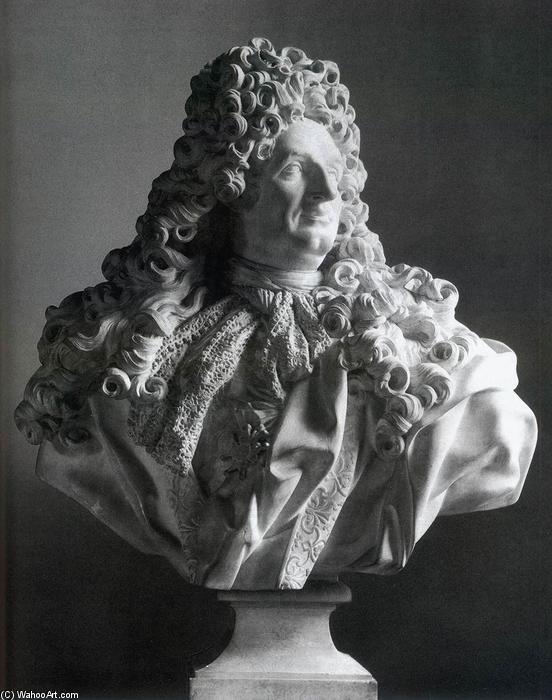
The Stoic Dignity of Jules Hardouin-Mansart
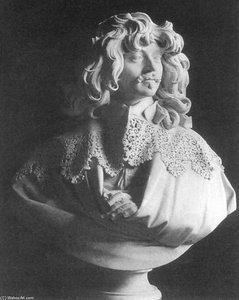
Jean-Louis Lemoyne’s meticulously crafted marble bust of Jules Hardouin-Mansart stands as more than just a portrait; it's a carefully constructed embodiment of 18th-century power, intellect, and the enduring legacy of a transformative architect. Completed in 1703, this remarkable sculpture captures the essence of a man who profoundly shaped the visual landscape of France – a figure whose influence resonates even today through the grandeur of Versailles and beyond.
Hardouin-Mansart, a pivotal figure during the reign of Louis XIV, was renowned not only for his architectural prowess but also for his diplomatic skill and ability to manage vast projects with remarkable efficiency. The bust itself reflects this multifaceted nature; it’s a formal representation of a man accustomed to command, yet imbued with an underlying sense of thoughtful contemplation. Lemoyne, a student of the esteemed Antoine Coysevox, masterfully employed the classical techniques honed at the prestigious Prix de Rome, ensuring a faithful and dignified depiction of his subject.
A Symphony of Form and Texture
The sculpture’s strength lies in its masterful manipulation of form and texture. The smooth, cool surface of the marble itself speaks to Hardouin-Mansart's status – a material reserved for those of considerable importance. Lemoyne skillfully rendered the folds of the elaborate wig, a hallmark of 18th-century fashion, with subtle variations in tone that suggest both its luxurious weight and intricate detail. The carefully sculpted clothing, rich in brocade and lace, further emphasizes his position within the courtly circles of Versailles.
Notice particularly the strong lines defining the face – a deliberate choice by Lemoyne to convey a sense of authority and resolve. The slightly furrowed brow and steady gaze suggest an intellect engaged in deep thought, hinting at the architect’s meticulous planning and strategic vision. The subtle modeling of the jawline and cheekbones adds depth and realism, preventing the portrait from feeling overly stylized or idealized.
Symbolism and Context
Beyond its technical brilliance, the bust is laden with symbolic meaning. The elaborate wig, a symbol of wealth and social standing, underscores Hardouin-Mansart’s elevated position within French society. The carefully chosen attire – rich fabrics and intricate details – speaks to his influence and patronage. Furthermore, the portrait itself was commissioned during a period of immense architectural activity under Louis XIV, reflecting the king's desire to project an image of power and magnificence throughout France.
It’s important to remember that this bust wasn’t merely a likeness; it was a carefully crafted statement about Hardouin-Mansart’s role as a key architect in shaping the French monarchy. His work at Versailles, including the Hall of Mirrors and the Grand Trianon, cemented his legacy as one of the most influential architects of the Baroque era.
A Legacy Preserved
Today, this remarkable sculpture resides within the Louvre Museum, a testament to its enduring artistic merit. Lemoyne’s portrait captures not just the physical appearance of Jules Hardouin-Mansart but also the spirit of an architect who left an indelible mark on French history and art. It remains a powerful reminder of the intersection between artistry, power, and the lasting impact of architectural vision.
Consider commissioning a high-quality reproduction to bring this iconic image into your own space – a tangible connection to one of France’s most celebrated figures and a stunning addition to any collection or interior design scheme.
Srodna umetnička dela


Biografija umetnika
The Sculptural Legacy of Jean-Louis Lemoyne
In the grand tapestry of eighteenth-century French art, few names evoke the delicate transition from the structured grandeur of the Baroque to the playful intimacy of the Rococo as effectively as Jean-Louis Lemoyne. Born in Paris in 1704, Lemoyne was a man shaped by the very essence of the French artistic tradition. As a sculptor deeply embedded in the cultural fabric of his era, his life and work were inextricably linked to a lineage of masters. He was not merely an individual creator but a vital link in a generational chain of talent, inheriting a profound understanding of form, texture, and the emotive power of stone and bronze.
The foundations of Lemoyne's artistry were laid within the prestigious workshops of Paris, where the influence of his contemporaries and predecessors provided a rigorous training ground. His development was characterized by an ability to capture the fleeting nuances of human expression, a skill that would become his hallmark. While much of the historical narrative surrounding his era focuses on the dramatic shifts in political power, Lemoyne’s work remained focused on the enduring beauty of the human figure, navigating the complex waters between the formal requirements of royal commissions and the burgeoning desire for more naturalistic, emotive portraiture.
A Mastery of Form and Emotion
To observe a work by Lemoyne is to witness a delicate dance between strength and softness. His technique was marked by an extraordinary command over his medium, allowing him to imbue cold materials with a sense of warmth and vitality. He possessed a unique ability to manipulate light and shadow across the surfaces of his sculptures, creating a sense of movement that seemed to defy the stillness of the medium. This mastery was particularly evident in his approach to portraiture, where he sought to capture not just the physical likeness of his subjects, but their very essence—the subtle flicker of a smile or the dignified weight of a gaze.
His contributions to the sculptural landscape were significant, contributing to an era where art served as both a mirror to the aristocracy and a testament to the technical prowess of French craftsmen. Through his work, we see the evolution of a style that embraced:
- The Intimacy of Rococo: A focus on smaller-scale, more personal subjects that allowed for greater detail and emotional resonance.
- Classical Foundations: An underlying respect for the proportions and structural integrity inherited from the classical tradition.
- Textural Realism: The meticulous rendering of fabrics, lace, and skin to create a lifelike presence within the sculpture.
Historical Significance and Artistic Resonance
The era in which Jean-Louis Lemoyne practiced was one of profound transformation, as the rigid hierarchies of the previous century began to yield to the more fluid social structures of the Enlightenment. His work stands as a testament to this period of transition. While some critics of later movements would look back upon the Rococo style with skepticism, viewing it as a departure from classical austerity, Lemoyne’s ability to bridge these two worlds ensures his place in the canon of great French sculptors. He helped define an aesthetic that celebrated elegance, grace, and the profound beauty found in the momentary.
Though time and the turbulent shifts of history have obscured some of the finer details of his complete oeuvre, the impact of his vision remains palpable. His legacy is found in the way he taught future generations to look beyond the surface of a subject, seeking instead the soul beneath the stone. In the annals of art history, Lemoyne remains a vital figure whose work continues to inspire awe through its seamless blend of technical perfection and heartfelt expression.
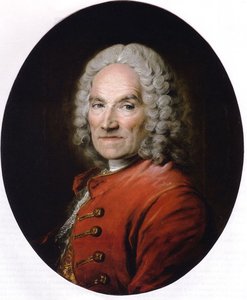
jean louis lemoyne
1704 - 1778 , France
Osnovne informacije
- Artistic Movement Or Style: Rococo
- Artists Or Movements Influenced By This Artist: ['Neoclassicism']
- Artists Who Influenced This Artist:
- Robert Le Lorrain
- Jean Louis Lemoyne (father)
- Date Of Birth: Paris, France (1679)
- Date Of Death: Paris, France (1731)
- Full Name: Jean-Baptiste Lemoyne
- Nationality: French
- Notable Artworks:
- A Companion of Diana
- Bust of the Regent
- Place Of Birth: Paris
Povezani članci
The Enduring Allure of Marble in Art History: From Classical Sculpture to Modern Abstraction
Explore the captivating history of marble sculpture from ancient Greece to modern art. Discover renowned artists like Canova & Michelangelo, carving techniques, and investment insights at ArtsDot.

Bronze Sculptures That Defined Art History | ArtsDot
Journey through art history with our Top 10 bronze sculptures! Explore masterpieces by Rodin, Michelangelo & more. Discover stories behind iconic statues and find museum-quality reproductions for your home decor at ArtsDot.com.

The Enduring Form: Exploring Themes & Techniques in Sculpture Across Historical Periods
Explore the rich history of sculpture from ancient masterpieces to contemporary innovations. Discover key techniques, influential artists & investment potential for discerning art collectors.

The Enduring Form: Sculpture Across History, Technique & Emotional Resonance
Explore the rich history of sculpture with ArtsDot. Discover key techniques, influential artists & investment potential for discerning collectors. Expert insights into valuing and collecting timeless masterpieces.

Bronze Age to Modern Masters: 10 Sculptures That Redefined Art | ArtsDot
Journey through art history with 10 legendary bronze sculptures – from Michelangelo's David to Rodin’s Thinker. Explore the stories, techniques & timeless beauty of these masterpieces. Find museum-quality reproductions & elevate your home decor on ArtsDot.com.

