

 Pregledaj u prostoru
 Pošalji
 Podeli
 Detalji o delu

 Преузми
 Slični predmeti
 Rendgenski snimak
 Slajdovi
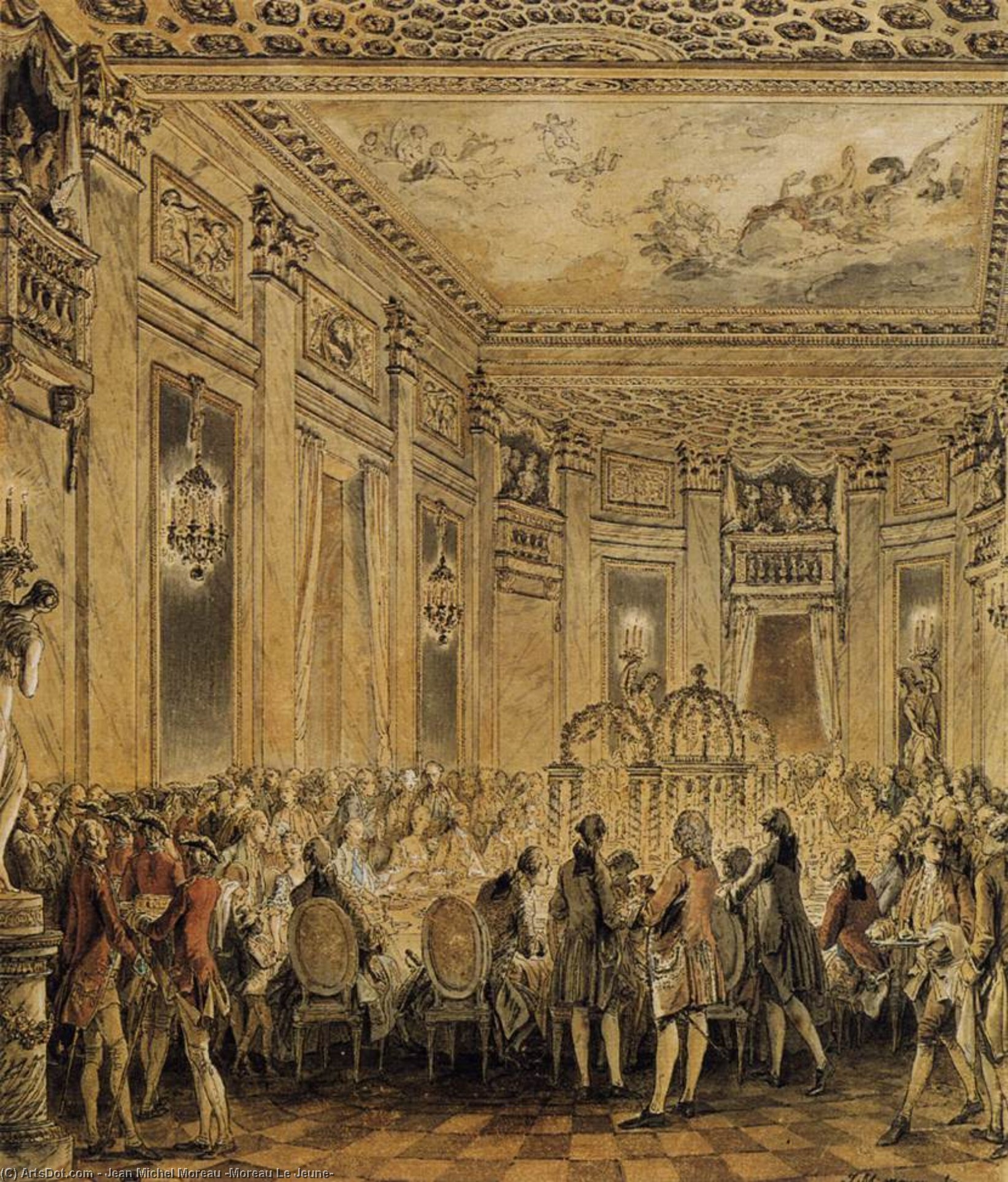
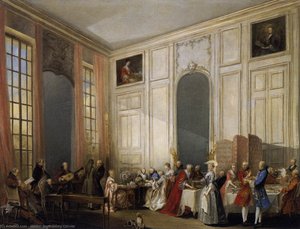
Banquet Given in the Presence of the King


 Pročitaj više
Kupite digitalnu sliku visoke rezolucije i poboljšanog kvaliteta, koja je znatno superiornija od onoga što vidite u online prikazu.
Svaka datoteka je pedantno pripremljena od strane naših stručnjaka koristeći napredne alate i profesionalnu ručnu retušu. Osiguravamo da svaka slika ima izuzetnu oštrinu, preciznu reprodukciju boja i fine detalje.
Konačna datoteka se dostavlja putem e-pošte u roku od 72 sata, optimizovana za neposrednu upotrebu u profesionalnim, izdavačkim i štamparskim okruženjima. To je isti kvalitet kojem veruju vrhunski studiji dizajna, izdavači i galerije.
Digitalna slika
Preuzmite datoteku visoke rezolucije za ličnu upotrebu, štampanje i kreativne projekte. ( Kupi print Kupi ručno naslikanu sliku)
Uključeno uz svaku porudžbinu digitalne slike
Profesionalna digitalna isporuka, zagarantovana
Kada odaberete ArtsDot.com, ne dobijate samo sliku – vi primate profesionalno unapređeno digitalno umetničko delo, izrađeno sa najvećom preciznošću i uz garanciju zadovoljstva. Evo svega što automatski dolazi uz vašu porudžbinu:

Brza dostava putem e-pošte
Vaša digitalna slika visoke rezolucije biće vam poslata putem e-pošte u roku od 72 sata od poručivanja – spremna za trenutnu upotrebu.

Digitalna datoteka unapređena veštačkom inteligencijom
Vaše umetničko delo je profesionalno optimizovano korišćenjem naprednih AI alata i ručne obrade, čime se osiguravaju maksimalni detalji, oštrina i preciznost boja.

Besplatna ponovna isporuka doživotno
Slučajno ste obrisali ili izgubili svoju datoteku? Ne brinite – poslaćemo vam je ponovo u bilo kom trenutku, potpuno besplatno.

Bez troškova uvoza – zauvek
Uživajte u svojim umetničkim delima trenutno, bez carine, dažbina ili troškova dostave – digitalni download je uvek bez poreza.

Garancija vernosti boja
Uz pomoć profesionalnih alata i upravljanja bojama, osiguravamo da vaša digitalna slika što vernije odražava originalne boje.

Garancija zadovoljstva u roku od 60 dana
Ako niste zadovoljni svojom digitalnom slikom, revidirat ćemo je ili vratiti 100% novca u roku od 60 dana – bez ikakvih pitanja.

100% garancija povrata novca
Niste zadovoljni? Obezbedite pun povrat novca u roku od 60 dana od trenutka kada ste primili svoju digitalnu datoteku – bez suvišnih pitanja.

Popusti na velike porudžbine
Kupite 3 slike, uštedite 10% - Kupite 5 slika, uštedite 15% - Kupite 10+ slika, uštedite 20%. Odlično za kreativne projekte, galerije i agencije.
A Grand Assemblage: The Allure of Courtly Life
To gaze upon Jean Michel Moreau's depiction of a banquet given in the presence of the King is to step directly into an era of opulent grandeur and sophisticated human interaction. This scene is not merely a gathering; it is a meticulously orchestrated tableau vivant, capturing the very breath of high society at its most dazzling. The air seems thick with whispered secrets, the clinking of crystal, and the weight of royal presence. Moreau masterfully populates this hall with figures whose elaborate attire speaks volumes about their station in life—a visual symphony of silks, velvets, and carefully tailored finery. From the central dining table to the periphery where guests stand engaged in animated conversation, every corner pulses with a contained energy, inviting the viewer to become an unseen participant in this magnificent feast.
Symbolism and the Weight of Ceremony
Moreau’s genius often lay in his ability to infuse everyday scenes with layers of deeper meaning. While the immediate subject is one of pleasure—the feasting, the conversation—the underlying current suggests a study in power dynamics and social performance. The presence of the King elevates the entire event from a mere dinner party to an occasion steeped in ritual and political weight. The chandelier overhead, casting its brilliant, diffused light, acts as both a source of illumination and a symbolic spotlight, drawing all attention toward the center while simultaneously revealing every gesture and expression below. It speaks to the inherent duality of such gatherings: moments of profound joy juxtaposed with the rigid expectations of courtly life.
Technique and Evocative Atmosphere
The painter’s technique allows the scene's complexity to remain breathable rather than overwhelming. Moreau employs a rich, detailed palette characteristic of 18th-century salon painting, yet his handling prevents the work from feeling stiff or purely academic. Instead, there is a palpable sense of movement captured within the stillness of the oil paint. The composition guides the eye effortlessly across the various groups—some deeply absorbed in discourse, others observing the proceedings with detached elegance. For those considering a reproduction for an interior space, this depth of detail ensures that even at a distance, the richness and narrative complexity remain visible, lending an immediate air of cultivated history and drama to any room.
A Timeless Echo for Modern Spaces
This painting transcends its specific date of 1771; it speaks to the enduring human desire for connection, status, and beauty. For the discerning collector or designer, Moreau’s work offers more than just decoration—it offers an atmosphere. Reproducing this piece allows one to curate a space that feels simultaneously historical and vibrantly alive. It suggests an appreciation for narrative art, where every painted figure contributes to a grand, unfolding story of human experience under the watchful eye of royalty.
Srodna umetnička dela


Biografija umetnika
A Visionary of the Symbolist Soul
Born in the vibrant, intellectual heart of Paris in 1826, Jean Michel Moreau, often remembered as Moreau le Jeune, emerged as a profound architect of the Symbolist imagination. His life and work were deeply embedded in an era that sought to look beneath the surface of reality, moving away from the literalism of naturalism toward the enigmatic realms of dreams and myth. Descended from a lineage of artistic excellence—his father, Louis Gabriel Moreau, was a celebrated painter himself—Jean Michel was destined for a life defined by the brush and the burin. His early training at the École Supérieure des Beaux-Arts provided him with a rigorous foundation in classical sculpture and drawing, yet his spirit always yearned for something more ethereal than the mere imitation of form.
The trajectory of Moreau’s career was irrevocably shaped by his mentorship under the legendary Gustave Moreau. Under this tutelage, he did not merely learn technique; he learned to perceive the unseen. While many of his contemporaries were captivated by the fleeting, sun-drenched moments of Impressionism, Moreau le Jeune turned his gaze inward and backward, toward the ancient, the esoteric, and the psychological. He became a master of conveying subjective truths, utilizing a visual language that favored allegory over observation. His work serves as a bridge between the classical traditions of his training and the burgeoning modern preoccupation with the subconscious mind.
The Language of Symbolism and Myth
To encounter a work by Moreau is to enter a dreamscape where the boundaries between the physical and the spiritual are perpetually blurred. His aesthetic was a deliberate rebellion against the materialism of the late 19th century, seeking instead to capture the essence of myth and folklore. Through his meticulous engravings and evocative paintings, he explored themes that resonated with the philosophical currents of his time, drawing inspiration from the profound works of Nietzsche and the operatic grandeur of Wagner. His compositions often feature enigmatic figures and haunting landscapes that seem to exist in a state of eternal twilight.
The technical mastery of Moreau le Jeune allowed him to breathe life into these abstract concepts. Whether through the delicate precision of an engraving or the rich, atmospheric layers of a painting, he achieved a sense of profound stillness and mystery. His notable works are characterized by:
- Allegorical Depth: The use of mythological creatures and biblical figures to represent complex human emotions and spiritual struggles.
- Atmospheric Color: A palette that favors evocative, often somber tones to evoke a sense of nostalgia and introspection.
- Intricate Detail: A commitment to fine line work and composition that draws the viewer into the intricate textures of his dreamlike worlds.
Among his most enduring contributions to the art canon is “The Unicorn,” a piece that exemplifies his ability to marry the fantastical with the tangible, creating an image that lingers in the mind long after the viewer has departed. Similarly, works such as “Head of an Apostle” demonstrate his capacity for intense psychological portraiture, stripping away the external world to reveal the spiritual weight of his subjects.
Legacy and Historical Significance
The historical significance of Jean Michel Moreau lies in his role as a pivotal figure in the development of the Symbolist movement. He helped cultivate an artistic environment where the internal landscape of the human psyche was deemed just as worthy of exploration as the external world. By integrating classical mastery with a modern, subjective sensibility, he paved the way for future generations of artists to explore abstraction and surrealism.
Though his name may sometimes be overshadowed by the more famous Gustave Moreau, the legacy of Moreau le Jeune remains vital. He stands as a testament to the power of art to act as a vessel for the intangible, reminding us that the most profound truths are often found not in what we see with our eyes, but in what we feel within our souls. His life, spanning from the height of French academic tradition to the dawn of modern psychological exploration, remains a cornerstone of 19th-century European art.
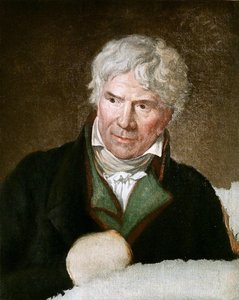
jean michel moreau (moreau le jeune)
1826 - 1898 , France
Kratke činjenice
- Artistic Movement Or Style: Symbolist Art
- Artists Who Influenced This Artist: ['Gustave Moreau']
- Date Of Birth: Paris, France (1826)
- Full Name: Jean Michel Moreau le jeune
- Nationality: French
- Notable Artworks:
- Head of an Apostle
- Banquet Given in the Presence of the King
- The Toilet of Bathsheba
- Place Of Birth: Paris

