

 Pregledaj u prostoru
 Pošalji
 Podeli
 Detalji o delu

 Преузми
 Slični predmeti
 Rendgenski snimak
 Slajdovi
 Statistika
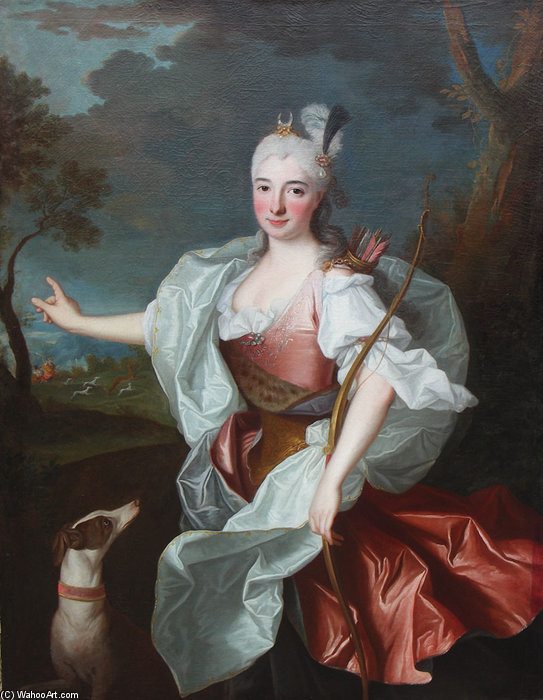
Diane Chasseresse
 Pročitaj više
Ručno rađena uljana reprodukcija
Ručno oslikano uljanim bojama na platnu u dimenzijama i okviru po vašem izboru, izrađeno po porudžbini od strane naših umetnika. ( Pređi na štampu Pređi na digitalnu sliku)




































Izaberite jednu od naših unapred definisanih veličina koje odgovaraju originalnim proporcijama umetničkog dela.

Можете унети сопствене димензије како бисте прилагодили дело одређеном оквиру или простору. Ако одабрана величина не одговара пропорцијама оригинала, слика ће бити исечена или проширена додатним елементима који се ручно насликавају. Дигитални prikaz ће вам бити послат на одобрење пре почетка производње.
Имајте на уму да преглед на екрану не одражава стварно исецање или проширење. Само приказ (mockup) ће тачно приказати коначну композицију.
Иако су доступне прилагођене величине, препоручујемо да одаберете димензију из дефинисане листе како бисте сачували оригиналне пропорције.
Nakon narudžbine, tim ArtsDot.com će klijentu putem e-pošte poslati uputstva i dostaviti prikaz predloženog rešenja
Isporuka širom sveta () za 3/4 nedelje umesto uobičajenih 5 nedelja. (9 септембар). Bez kompromisa po pitanju kvaliteta.

Besplatna ekspresna dostava širom sveta

Visokokvalitetno laneno platno

Kompletno osiguranje transporta

Garancija povraćaja carine i uvoznih dažbina

Garancija vernosti boja

Politika povraćaja u roku od 100 dana (isključivo u slučaju nedostataka)

Garancija povrata novca od 100%

Popust pri grupnoj kupovini
 Opcija sa staklom dostupna je samo za dimenzije manje od 110 cm

Diane Chasseresse
Tehnika reprodukcije
Dimenzije reprodukcije
-


Konačna cena
$ 263
Srodna umetnička dela









Biografija umetnika
Jean Ranc (1674 – 1735): A Parisian Portraitist Bridging Baroque and Rococo
Jean Ranc, born in Montpellier in 1674, was a French painter who achieved considerable renown during the reign of Louis XV and Philip V of Spain. His artistic journey began under the tutelage of his father, Antoine Ranc, a provincial portraitist himself, and Hyacinthe Rigaud, whose influence profoundly shaped Ranc’s style and career trajectory. Rigaud's studio became Ranc’s formative environment, fostering connections with fellow artists and establishing him firmly within the Parisian art scene.- Early Training & Influences: Antoine Ranc instilled in Jean a passion for painting and exposed him to European masters—a legacy that would continue through Rigaud’s mentorship. Rigaud's meticulous technique, particularly his masterful sfumato, became a cornerstone of Ranc’s artistic approach.
- Parisian Engagement & Academic Recognition: Moving to Paris in 1696, Ranc enrolled at the Académie Royale de Peinture et de Sculpture in December 1700 and was formally admitted as a portraitist on July 28, 1703. Despite aspirations for historical painting—a path less favored by the Academy—Ranc excelled in capturing likenesses with remarkable precision and elegance.
The Rigaudian Style & Patronage
Ranc’s artistic style closely mirrored that of Hyacinthe Rigaud, characterized by a refined Rococo aesthetic infused with subtle realism. Rigaud's influence extended beyond technique; he championed a new iconography for the Bourbon monarchy, emphasizing dignity and composure—principles Ranc skillfully adopted in his portraits. He secured commissions from prominent figures of Parisian society, including François Verdier and Carlos III de España, demonstrating his ability to adapt to diverse artistic tastes. Notably, Rigaud actively steered Ranc towards collaborations with younger artists destined for service abroad, recognizing the importance of establishing connections within international artistic circles.- Notable Commissions: Ranc’s portraits of Verdier and Carlos III exemplify his dedication to capturing character and conveying emotion through nuanced observation.
A Career Marked by Distinction & Challenges
Despite Rigaud's guidance, Ranc never achieved official recognition as a history painter—a significant impediment in the competitive landscape of Parisian art academies. However, he persevered as a respected portraitist, earning acclaim for his ability to portray subjects with sensitivity and artistic finesse. His work gained particular prominence during Philip V’s reign in Spain, where repeated criticisms regarding the quality of French portraits sent by the court underscored the difficulties faced by artists attempting to establish themselves abroad.Legacy & Artistic Significance
Jean Ranc's contribution to 18th-century portraiture lies in his embodiment of the Rigaudian style—a synthesis of Baroque grandeur and Rococo delicacy that solidified its position as a dominant aesthetic during Philip V’s reign. His meticulous attention to detail, combined with an understanding of psychological nuance, ensured his place among the most celebrated artists of his time. Today, Ranc's paintings reside primarily in the Musée National Jean-Jacques Henner, offering visitors a rare glimpse into the artistic sensibilities of the Bourbon era and showcasing the enduring power of portraiture as a medium for conveying identity and status.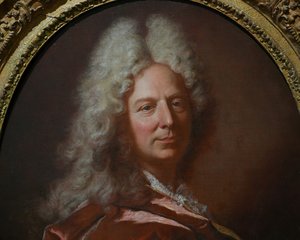
Jean Ranc
1674 - 1735 , France
Osnovne informacije
- Artistic Movement Or Style: Baroque/Neoclassical
- Artists Who Influenced This Artist:
- Hyacinthe Rigaud
- Antoine Ranc
- Date Of Birth: 1674
- Full Name: Jean Ranc
- Nationality: French
- Notable Artworks:
- Vertumnus And Pomona
- Retrato De Carlos III
- jean ranc
- Place Of Birth: Montpellier, France