

 Pregledaj u prostoru
 Pošalji
 Podeli
 Detalji o delu

 Преузми
 Slični predmeti
 Rendgenski snimak
 Slajdovi
 Stats
StatsDress
 Painting
 1930
1930- Modern
 150.0 x 66.0 cm
 Museo del Traje
 Pročitaj više
Ručno rađena uljana reprodukcija
Ručno oslikano uljanim bojama na platnu u dimenzijama i okviru po vašem izboru, izrađeno po porudžbini od strane naših umetnika. ( Switch to Print Switch to Digital Image)




P118B $10

P118H $10

P118W $10

P438Z $10

P508JH $12

P508YH $12

P805H $10

P805Z $10

P919BZ $10

P919G $10

P919XJ $10

P959ZH $10

P968JZ $12

W106C $8

W218G $10

W218JH $8

W218Y $10

W307PJ $10

W316G $10

W316PJ $8

W316Y $10

W398PJ $8

W4111J $10

W500HY $15

W500JH $15

W692G $12

W849H $8

W940BG $15

W953PJ $8




Izaberite jednu od naših unapred definisanih veličina koje odgovaraju originalnim proporcijama umetničkog dela.

Можете унети сопствене димензије како бисте прилагодили дело одређеном оквиру или простору. Ако одабрана величина не одговара пропорцијама оригинала, слика ће бити исечена или проширена додатним елементима који се ручно насликавају. Дигитални prikaz ће вам бити послат на одобрење пре почетка производње.
Имајте на уму да преглед на екрану не одражава стварно исецање или проширење. Само приказ (mockup) ће тачно приказати коначну композицију.
Иако су доступне прилагођене величине, препоручујемо да одаберете димензију из дефинисане листе како бисте сачували оригиналне пропорције.
Nakon narudžbine, tim ArtsDot.com će klijentu putem e-pošte poslati uputstva i dostaviti prikaz predloženog rešenja
Isporuka širom sveta () za 3/4 nedelje umesto uobičajenih 5 nedelja. (8 септембар). Bez kompromisa po pitanju kvaliteta.

Besplatna ekspresna dostava širom sveta

Visokokvalitetno laneno platno

Kompletno osiguranje transporta

Garancija povraćaja carine i uvoznih dažbina

Garancija vernosti boja

Politika povraćaja u roku od 100 dana (isključivo u slučaju nedostataka)

Garancija povrata novca od 100%

Popust pri grupnoj kupovini
 Opcija sa staklom dostupna je samo za dimenzije manje od 110 cm

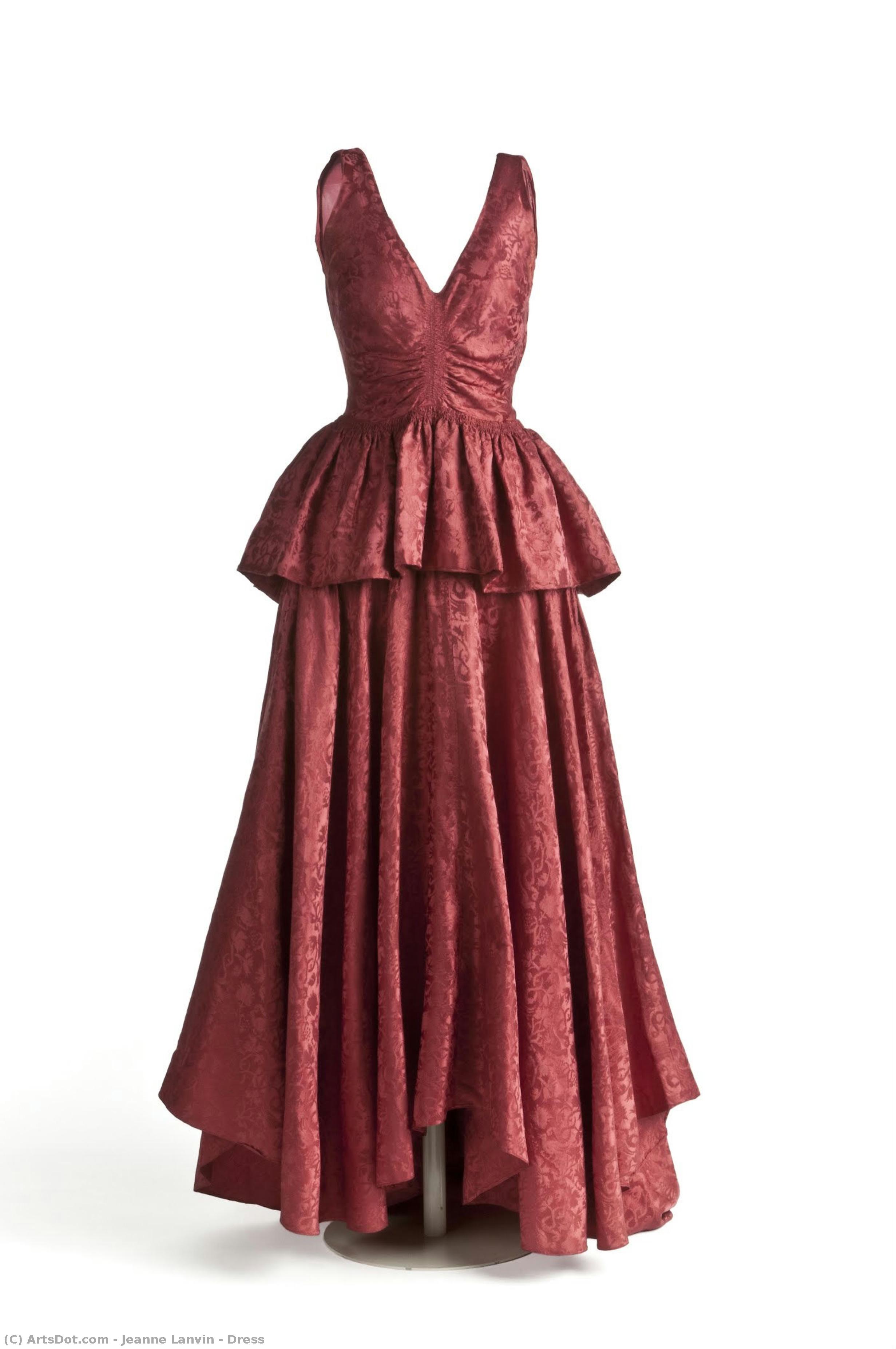
Dress
Tehnika reprodukcije
Dimenzije reprodukcije
-


Konačna cena
$ 263
The Architecture of Elegance: A Study in Crimson
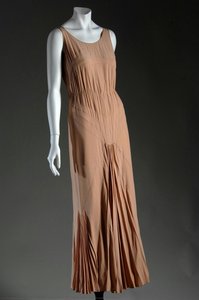
In the pantheon of fashion history, few names evoke the same sense of poetic grace as Jeanne Lanvin. Her 1930 masterpiece, Dress, is not merely a garment captured on canvas; it is a profound exploration of silhouette and movement. The painting presents a striking red damask cotton dress, a piece that embodies the transition of 1930s aesthetics where the rigid structures of previous decades began to yield to a more fluid, romanticized femininity. As the eye wanders across the vibrant crimson surface, one immediately notices the meticulous interplay of light and shadow upon the fabric's texture. The sleeveless design and central silhouette create a sense of poised stillness, yet the subtle complexity of the pleats and the undulating folds below the bust suggest a hidden vitality, as if the wearer were caught in a moment of quiet, breathless anticipation.
The technical brilliance of this work lies in its ability to translate the tactile reality of haute couture into a visual symphony. The artist masterfully renders the weight and luster of the damask, capturing how the light catches the raised patterns of the cotton. There is a rhythmic quality to the composition, driven by the vertical gathers and the asymmetrical hemline that features a delicate tail at the back. This structural experimentation—a hallmark of Lanvin’s career—is rendered with such precision that one can almost feel the crispness of the fabric and the metallic coolness of the four gold fasteners fastening the left side. The contrast between the smooth, fitted area at the hip and the voluminous, wavy flounce creates a dynamic tension, making the painting an essential study for those who appreciate the intersection of textile art and fine painting.
A Legacy of Parisian Glamour
To understand this piece is to understand the spirit of interwar Paris. During this era, Jeanne Lanvin was redefining the very concept of the feminine form. Moving away from the waist-centric focus of the 1920s, she began to experiment with skirt volumes that celebrated a more sculptural approach to the body. This painting serves as a historical document of that metamorphosis. The way the bust recaptures prominence while the skirt is enriched with folds at the back reflects a sophisticated architectural approach to clothing. It is a period of history where fashion was both an escape from and a reflection of the era's burgeoning modernism.
For the discerning collector or interior designer, Dress offers more than just aesthetic beauty; it provides a focal point of profound emotional depth. The bold use of red commands attention in any gallery setting, yet its intricate details invite long, contemplative gazes. Whether placed in a contemporary minimalist space to provide a burst of classical warmth or integrated into a traditional study to evoke the grandeur of the 1930s, this reproduction brings with it an aura of timeless sophistication. It is an invitation to inhabit a world of unparalleled elegance, where every fold of fabric tells a story of craftsmanship, resilience, and the enduring allure of Parisian haute couture.
Srodna umetnička dela
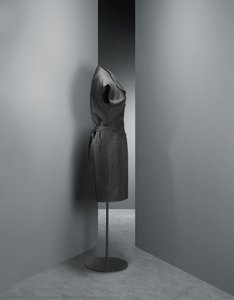
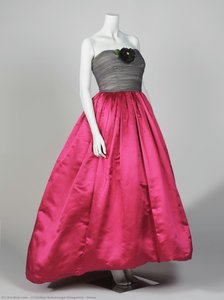
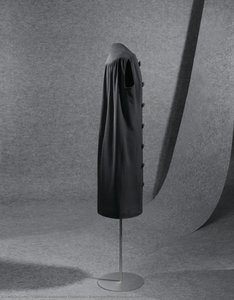
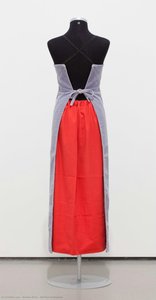
Biografija umetnika
The Architect of Elegance: The Life and Legacy of Jeanne Lanvin
Jeanne Lanvin, born Marguerite di Pietro in the heart of Paris in 1867, was far more than a mere couturière; she was a visionary poet of fabric and form. Her journey into the pantheon of fashion legends began not with a formal academic decree, but through a profound, hands-on apprenticeship under the legendary Charles Frederick Worth. This early immersion in the world of haute couture allowed her to absorb the very essence of craftsmanship, teaching her how to manipulate draped fabrics and understand the structural soul of a garment. Her life, marked by the early loss of her parents, was defined by a resilient spirit that transformed personal tragedy into an unparalleled creative ambition, eventually leading to the birth of the House of Lanvin.
The hallmark of Lanvin’s artistry lay in her ability to reject the rigid, suffocative constraints of her era in favor of a more lyrical movement. While many designers of her time clung to restrictive corsetry, Lanvin pioneered the robe de style. This iconic silhouette celebrated a romanticized femininity, utilizing voluminous skirts and fluid lines that mirrored the effortless grace of a ballet dancer. Her designs were imbued with a subtle melancholy and a deep sense of romanticism, making each piece feel less like a garment and more like an emotional expression. Whether it was the intricate beadwork found in her Edwardian-era headpieces or the striking experimentation with damask cotton in the 1930s, her work always maintained a delicate balance between structural sophistication and ethereal lightness.
A Sensory Empire: Beyond the Stitch
The genius of Jeanne Lanvin extended beyond the visual realm, reaching into the very air through her mastery of scent. She understood that true elegance is a multi-sensory experience, leading to the creation of a perfume empire that remains legendary to this day. Her most celebrated creation, Arpège, stands as a testament to her artistic sensibility. A complex and velvety composition of jasmine, orange blossom, and vanilla, Arpège was not merely a fragrance but a liquid embodiment of her couture—harmonious, evocative, and timelessly beautiful. This expansion into perfumery allowed the Lanvin name to permeate the daily lives of women globally, cementing her status as a creator of atmospheres as much as attire.
The historical significance of Jeanne Lanvin cannot be overstated, as her influence bridged the gap between the ornate traditions of the 19th century and the streamlined modernity of the 20th. Her ability to dress royalty, including Queen Mary of Teck and Wallis Simpson, provided a seal of prestige that solidified her reputation among the world's most discerning tastemakers. Through her work, she helped define the aesthetic transitions of several decades:
- The Edwardian Era: Characterized by exquisite millinery and intricate floral appliqués.
- The 1920s Art Deco Period: A time when her designs embraced the geometric elegance and rhythmic movement of a new age.
- The 1930s Silhouette: Where she experimented with volume and luxurious textures like damask to create lasting couture masterpieces.
Ultimately, Jeanne Lanvin left behind a legacy that continues to inspire the fashion world. She did not simply follow trends; she authored them, leaving an indelible mark on the history of French haute couture through her unwavering commitment to beauty, movement, and the romantic spirit.
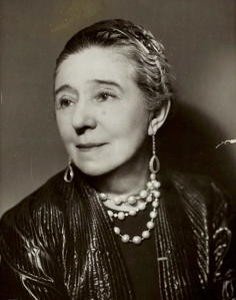
jeanne lanvin
1867 - 1946 , France
Osnovne informacije
- Artistic Movement Or Style: Haute Couture
- Artists Who Influenced This Artist: ['None Known']
- Date Of Birth: January 1867 Paris France
- Date Of Death: July 1946 Paris France
- Full Name: Jeanne Marie Lanvin
- Nationality: French
- Notable Artworks:
- Woman
- Cyclone
- robe de style
- Place Of Birth: Paris France
Povezani članci
Gianfranco Ferré: Deconstructing Haute Couture – A Legacy of Architectural Form
Explore the revolutionary world of Gianfranco Ferré, 'the architect of fashion.' Discover his architectural approach to haute couture, iconic Dior designs, and lasting influence on luxury style. A deep dive for collectors & enthusiasts.
Cristóbal Balenciaga: Deconstructing Haute Couture's Architectural Legacy
Explore the revolutionary world of Cristóbal Balenciaga, the 'couturier's couturier'. Discover his architectural designs, lasting influence on haute couture, and guide to collecting rare pieces. A connoisseur’s resource.
Draped Narratives: Fashion as Symbol & Subject in Historical Art
Explore the fascinating history of fashion as a symbol of power & status in art! Discover masterpieces from Gainsborough to Tissot and learn how clothing shaped societal narratives. Find museum-quality reproductions at ArtsDot.

Crimson Threads of Narrative: Exploring Symbolism & Representation in Artworks Featuring the Red Dress
Explore the rich symbolism of the red dress in art history! From ancient power displays to iconic portraits like Cézanne’s 'Madame Cezanne', discover the cultural and artistic significance behind this captivating color. Expert analysis & insights.
1930s Art: 10 Masterpieces Reflecting a Decade of Change | ArtsDot
Journey back to the 1930s with ArtsDot. Explore 10 iconic artworks from Hopper, Kahlo & Magritte reflecting a decade of change. Find museum-quality reproductions and curated decor ideas inspired by Art Deco, Surrealism & more! Discover all masterpieces on ArtsDot.com