

 Pregledaj u prostoru
 Pošalji
 Podeli
 Detalji o delu

 Преузми
 Slični predmeti
 Rendgenski snimak
 Slajdovi
 Stats
StatsDress
 Painting
 1930
1930- Modern
 150.0 x 66.0 cm
 Museo del Traje
 Pročitaj više
Kupite digitalnu sliku visoke rezolucije i poboljšanog kvaliteta, koja je znatno superiornija od onoga što vidite u online prikazu.
Svaka datoteka je pedantno pripremljena od strane naših stručnjaka koristeći napredne alate i profesionalnu ručnu retušu. Osiguravamo da svaka slika ima izuzetnu oštrinu, preciznu reprodukciju boja i fine detalje.
Konačna datoteka se dostavlja putem e-pošte u roku od 72 sata, optimizovana za neposrednu upotrebu u profesionalnim, izdavačkim i štamparskim okruženjima. To je isti kvalitet kojem veruju vrhunski studiji dizajna, izdavači i galerije.
Digitalna slika
Preuzmite datoteku visoke rezolucije za ličnu upotrebu, štampanje i kreativne projekte. ( Switch to Print Kupi ručno naslikanu sliku)
Uključeno uz svaku porudžbinu digitalne slike
Profesionalna digitalna isporuka, zagarantovana
Kada odaberete ArtsDot.com, ne dobijate samo sliku – vi primate profesionalno unapređeno digitalno umetničko delo, izrađeno sa najvećom preciznošću i uz garanciju zadovoljstva. Evo svega što automatski dolazi uz vašu porudžbinu:

Brza dostava putem e-pošte
Vaša digitalna slika visoke rezolucije biće vam poslata putem e-pošte u roku od 72 sata od poručivanja – spremna za trenutnu upotrebu.

Digitalna datoteka unapređena veštačkom inteligencijom
Vaše umetničko delo je profesionalno optimizovano korišćenjem naprednih AI alata i ručne obrade, čime se osiguravaju maksimalni detalji, oštrina i preciznost boja.

Besplatna ponovna isporuka doživotno
Slučajno ste obrisali ili izgubili svoju datoteku? Ne brinite – poslaćemo vam je ponovo u bilo kom trenutku, potpuno besplatno.

Bez troškova uvoza – zauvek
Uživajte u svojim umetničkim delima trenutno, bez carine, dažbina ili troškova dostave – digitalni download je uvek bez poreza.

Garancija vernosti boja
Uz pomoć profesionalnih alata i upravljanja bojama, osiguravamo da vaša digitalna slika što vernije odražava originalne boje.

Garancija zadovoljstva od 100 dana
Ako niste zadovoljni svojom digitalnom slikom, izvršićemo reviziju ili ćemo vam vratiti 100% novca u roku od 100 dana – bez ikakvih pitanja.

100% garancija povrata novca
Niste zadovoljni? Dobijte puni povraćaj novca u roku od 100 dana od prijema digitalne datoteke – bez suvišnih pitanja.

Popusti na velike porudžbine
Kupite 3 slike, uštedite 10% - Kupite 5 slika, uštedite 15% - Kupite 10+ slika, uštedite 20%. Odlično za kreativne projekte, galerije i agencije.
The Architecture of Elegance: A Study in Crimson
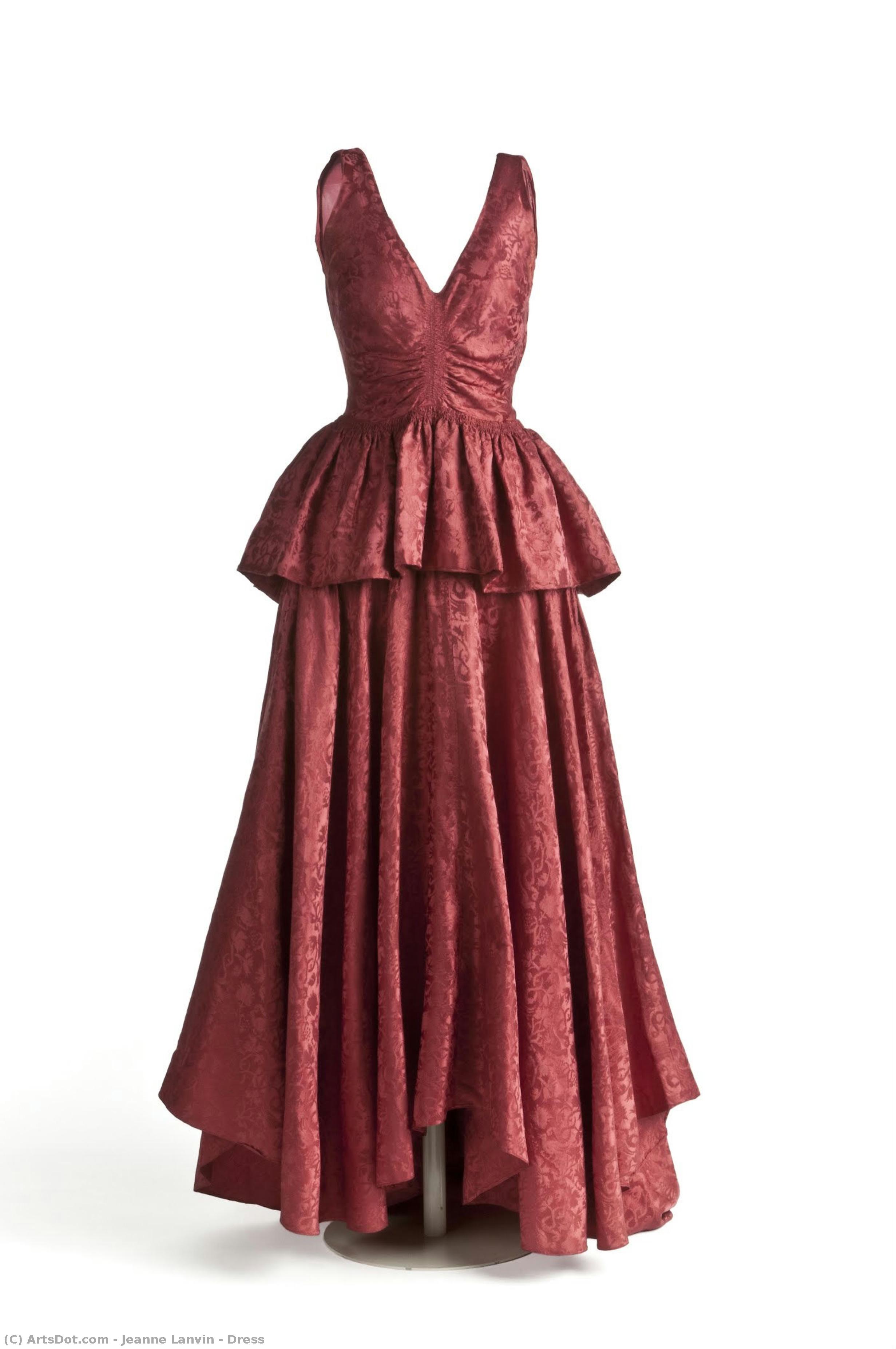
In the pantheon of fashion history, few names evoke the same sense of poetic grace as Jeanne Lanvin. Her 1930 masterpiece, Dress, is not merely a garment captured on canvas; it is a profound exploration of silhouette and movement. The painting presents a striking red damask cotton dress, a piece that embodies the transition of 1930s aesthetics where the rigid structures of previous decades began to yield to a more fluid, romanticized femininity. As the eye wanders across the vibrant crimson surface, one immediately notices the meticulous interplay of light and shadow upon the fabric's texture. The sleeveless design and central silhouette create a sense of poised stillness, yet the subtle complexity of the pleats and the undulating folds below the bust suggest a hidden vitality, as if the wearer were caught in a moment of quiet, breathless anticipation.
The technical brilliance of this work lies in its ability to translate the tactile reality of haute couture into a visual symphony. The artist masterfully renders the weight and luster of the damask, capturing how the light catches the raised patterns of the cotton. There is a rhythmic quality to the composition, driven by the vertical gathers and the asymmetrical hemline that features a delicate tail at the back. This structural experimentation—a hallmark of Lanvin’s career—is rendered with such precision that one can almost feel the crispness of the fabric and the metallic coolness of the four gold fasteners fastening the left side. The contrast between the smooth, fitted area at the hip and the voluminous, wavy flounce creates a dynamic tension, making the painting an essential study for those who appreciate the intersection of textile art and fine painting.
A Legacy of Parisian Glamour
To understand this piece is to understand the spirit of interwar Paris. During this era, Jeanne Lanvin was redefining the very concept of the feminine form. Moving away from the waist-centric focus of the 1920s, she began to experiment with skirt volumes that celebrated a more sculptural approach to the body. This painting serves as a historical document of that metamorphosis. The way the bust recaptures prominence while the skirt is enriched with folds at the back reflects a sophisticated architectural approach to clothing. It is a period of history where fashion was both an escape from and a reflection of the era's burgeoning modernism.
For the discerning collector or interior designer, Dress offers more than just aesthetic beauty; it provides a focal point of profound emotional depth. The bold use of red commands attention in any gallery setting, yet its intricate details invite long, contemplative gazes. Whether placed in a contemporary minimalist space to provide a burst of classical warmth or integrated into a traditional study to evoke the grandeur of the 1930s, this reproduction brings with it an aura of timeless sophistication. It is an invitation to inhabit a world of unparalleled elegance, where every fold of fabric tells a story of craftsmanship, resilience, and the enduring allure of Parisian haute couture.
Srodna umetnička dela
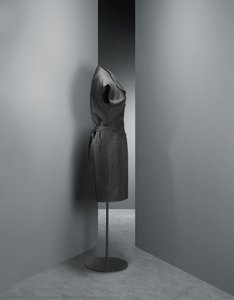
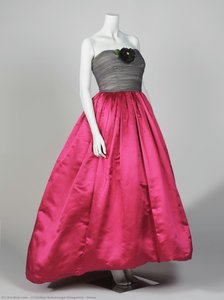
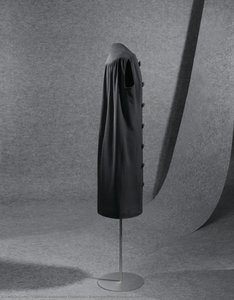
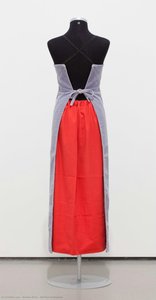
Biografija umetnika
The Architect of Elegance: The Life and Legacy of Jeanne Lanvin
Jeanne Lanvin, born Marguerite di Pietro in the heart of Paris in 1867, was far more than a mere couturière; she was a visionary poet of fabric and form. Her journey into the pantheon of fashion legends began not with a formal academic decree, but through a profound, hands-on apprenticeship under the legendary Charles Frederick Worth. This early immersion in the world of haute couture allowed her to absorb the very essence of craftsmanship, teaching her how to manipulate draped fabrics and understand the structural soul of a garment. Her life, marked by the early loss of her parents, was defined by a resilient spirit that transformed personal tragedy into an unparalleled creative ambition, eventually leading to the birth of the House of Lanvin.
The hallmark of Lanvin’s artistry lay in her ability to reject the rigid, suffocative constraints of her era in favor of a more lyrical movement. While many designers of her time clung to restrictive corsetry, Lanvin pioneered the robe de style. This iconic silhouette celebrated a romanticized femininity, utilizing voluminous skirts and fluid lines that mirrored the effortless grace of a ballet dancer. Her designs were imbued with a subtle melancholy and a deep sense of romanticism, making each piece feel less like a garment and more like an emotional expression. Whether it was the intricate beadwork found in her Edwardian-era headpieces or the striking experimentation with damask cotton in the 1930s, her work always maintained a delicate balance between structural sophistication and ethereal lightness.
A Sensory Empire: Beyond the Stitch
The genius of Jeanne Lanvin extended beyond the visual realm, reaching into the very air through her mastery of scent. She understood that true elegance is a multi-sensory experience, leading to the creation of a perfume empire that remains legendary to this day. Her most celebrated creation, Arpège, stands as a testament to her artistic sensibility. A complex and velvety composition of jasmine, orange blossom, and vanilla, Arpège was not merely a fragrance but a liquid embodiment of her couture—harmonious, evocative, and timelessly beautiful. This expansion into perfumery allowed the Lanvin name to permeate the daily lives of women globally, cementing her status as a creator of atmospheres as much as attire.
The historical significance of Jeanne Lanvin cannot be overstated, as her influence bridged the gap between the ornate traditions of the 19th century and the streamlined modernity of the 20th. Her ability to dress royalty, including Queen Mary of Teck and Wallis Simpson, provided a seal of prestige that solidified her reputation among the world's most discerning tastemakers. Through her work, she helped define the aesthetic transitions of several decades:
- The Edwardian Era: Characterized by exquisite millinery and intricate floral appliqués.
- The 1920s Art Deco Period: A time when her designs embraced the geometric elegance and rhythmic movement of a new age.
- The 1930s Silhouette: Where she experimented with volume and luxurious textures like damask to create lasting couture masterpieces.
Ultimately, Jeanne Lanvin left behind a legacy that continues to inspire the fashion world. She did not simply follow trends; she authored them, leaving an indelible mark on the history of French haute couture through her unwavering commitment to beauty, movement, and the romantic spirit.

jeanne lanvin
1867 - 1946 , France
Kratke činjenice
- Artistic Movement Or Style: Haute Couture
- Artists Who Influenced This Artist: ['None Known']
- Date Of Birth: January 1867 Paris France
- Date Of Death: July 1946 Paris France
- Full Name: Jeanne Marie Lanvin
- Nationality: French
- Notable Artworks:
- Woman
- Cyclone
- robe de style
- Place Of Birth: Paris France