

 Pregledaj u prostoru
 Pošalji
 Podeli
 Detalji o delu

 Преузми
 Slični predmeti
 Rendgenski snimak
 Slajdovi
 Statistika
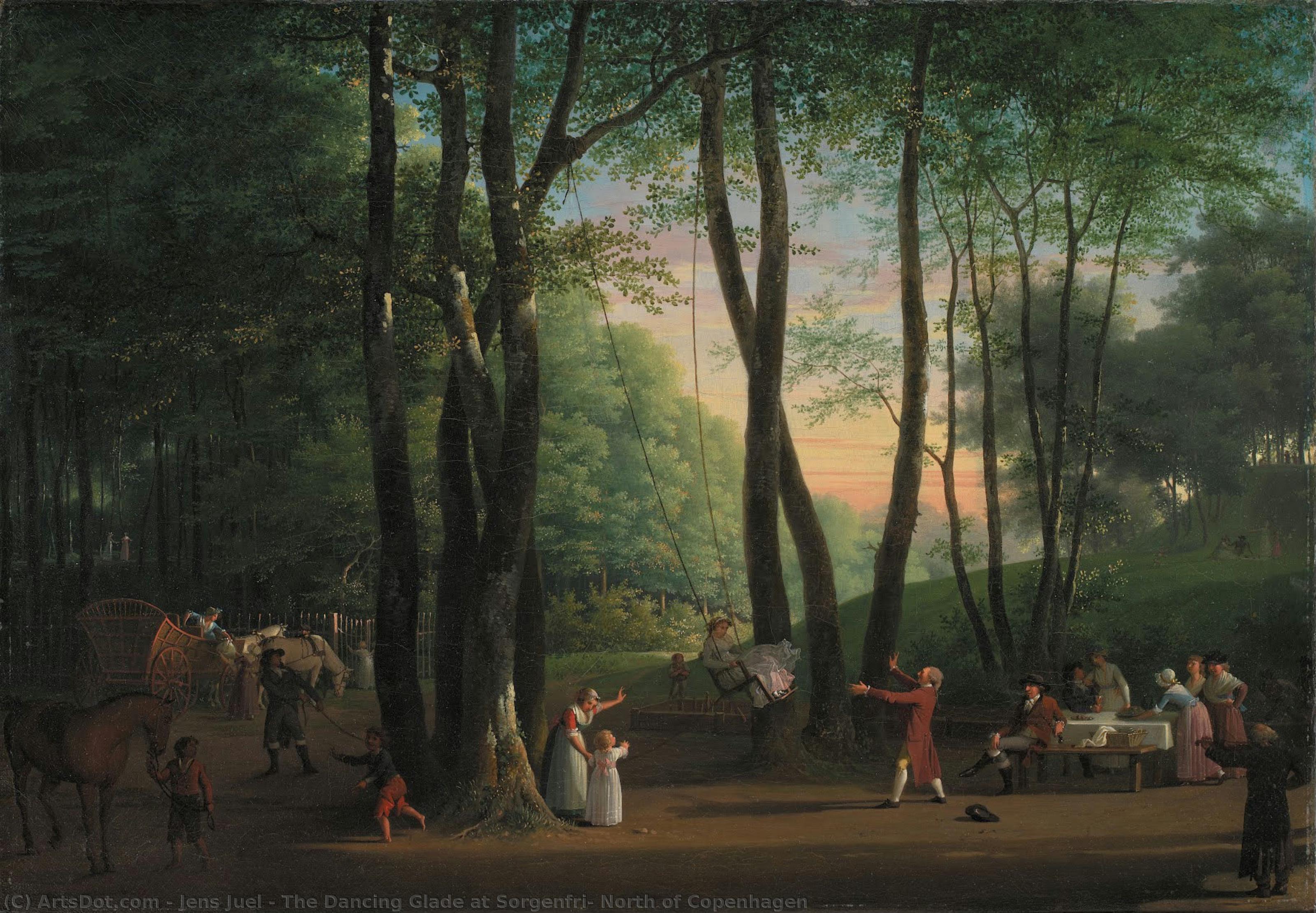
The Dancing Glade at Sorgenfri, North of Copenhagen
 1800
1800 61.0 x 42.0 cm
 Nacionalna galerija Danske
 Pročitaj više
Ručno rađena uljana reprodukcija
Ručno oslikano uljanim bojama na platnu u dimenzijama i okviru po vašem izboru, izrađeno po porudžbini od strane naših umetnika. ( Pređi na štampu Pređi na digitalnu sliku)




































Izaberite jednu od naših unapred definisanih veličina koje odgovaraju originalnim proporcijama umetničkog dela.

Можете унети сопствене димензије како бисте прилагодили дело одређеном оквиру или простору. Ако одабрана величина не одговара пропорцијама оригинала, слика ће бити исечена или проширена додатним елементима који се ручно насликавају. Дигитални prikaz ће вам бити послат на одобрење пре почетка производње.
Имајте на уму да преглед на екрану не одражава стварно исецање или проширење. Само приказ (mockup) ће тачно приказати коначну композицију.
Иако су доступне прилагођене величине, препоручујемо да одаберете димензију из дефинисане листе како бисте сачували оригиналне пропорције.
Nakon narudžbine, tim ArtsDot.com će klijentu putem e-pošte poslati uputstva i dostaviti prikaz predloženog rešenja
Isporuka širom sveta () za 3/4 nedelje umesto uobičajenih 5 nedelja. (8 септембар). Bez kompromisa po pitanju kvaliteta.

Besplatna ekspresna dostava širom sveta

Visokokvalitetno laneno platno

Kompletno osiguranje transporta

Garancija povraćaja carine i uvoznih dažbina

Garancija vernosti boja

Politika povraćaja u roku od 100 dana (isključivo u slučaju nedostataka)

Garancija povrata novca od 100%

Popust pri grupnoj kupovini
 Opcija sa staklom dostupna je samo za dimenzije manje od 110 cm

The Dancing Glade at Sorgenfri, North of Copenhagen
Tehnika reprodukcije
Dimenzije reprodukcije
-


Konačna cena
$ 263
Srodna umetnička dela








Biografija umetnika
The Master of Danish Elegance: The Life and Legacy of Jens Juel
In the golden age of Danish Neoclassicism, few names command as much reverence as Jens Juel. A painter whose brush possessed the rare ability to capture not just a physical likeness, but the very soul and social standing of his subjects, Juel stands as the preeminent portraitist of his era. Born on May 12, 1745, in the house of his maternal uncle in Balslev, Denmark, his journey from modest beginnings to the heights of royal patronage is a testament to an extraordinary talent shaped by rigorous discipline and an insatiable curiosity for the world around him.
Juel’s artistic foundation was laid far from the halls of Copenhagen. His parents, recognizing his early inclination toward the arts, sent him to Hamburg to apprentice under the painter Johann Michael Gehrman. For five or six years, he immersed himself in the technical rigors of the craft, honing a skill set that would eventually allow him to master landscapes, genre scenes, and, most famously, the portrait. This period of intense study provided him with the versatility that would define his career, allowing him to move seamlessly between the intimate details of a single face and the expansive beauty of the natural world.
A Journey Through Europe's Artistic Heart
At just twenty years old, Juel moved to Copenhagen to attend the Royal Danish Academy of Art, where his brilliance was quickly recognized. His academic triumphs were significant; he was awarded the academy's small gold medal in 1767 and the prestigious great gold medal in 1771 for works centered on Biblical themes. However, the confines of the academy could not hold a spirit as expansive as his. Seeking the pulse of the contemporary art world, Juel embarked on a grand European tour that would refine his Neoclassical sensibilities.
His travels took him to the timeless grandeur of Rome, where he spent four years alongside fellow Danish artists like Nicolai Abildgaard, absorbing the classical influences that would later permeate his work. From Italy, he journeyed to Paris, the epicenter of portraiture, and eventually to Geneva. In Switzerland, residing at the home of his friend Charles Bonnet, Juel’s reputation flourished. It was here that he demonstrated his ability to blend scientific observation with artistic grace, even illustrating the Naturalist and Philosophical History of Bonnet. These international experiences infused his Danish roots with a cosmopolitan sophistication, making him a bridge between Northern European tradition and the broader European Enlightenment.
The Soul Behind the Canvas
What truly distinguishes Jens Juel from his contemporaries was his ability to construct more than mere likenesses; he created tableaux of elegance and quiet contemplation. Whether painting the refined aristocracy or the gentle light of a landscape, his work is characterized by a sense of classical realism and an understated beauty. His portraits often feature subjects with gazes that are direct yet subtly distant, inviting the viewer into a private, almost sacred moment of connection.
His historical significance cannot be overstated. As the leading Danish portrait painter of the 18th century, he shaped the visual identity of the Danish Golden Age. His legacy is preserved in vast collections, most notably at Frederiksborg Castle, where his many portraits continue to breathe life into the history of the Danish monarchy and nobility. Through his mastery of light, texture, and human emotion, Jens Juel remains a timeless figure, reminding us that true art does not merely record history—it captures the very essence of the human experience.
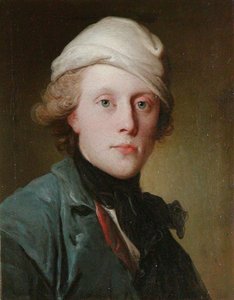
jens juel
1745 - 1802 , Denmark
Osnovne informacije
- Artistic Movement Or Style: English school
- Artists Or Movements Influenced By This Artist: ['Romantic literature']
- Artists Who Influenced This Artist: ['Richardson the elder']
- Date Of Birth: November 10, 1697
- Full Name: William Hogarth
- Nationality: English
- Notable Artworks:
- A Rake’s Progress
- Marriage a-la-mode
- Place Of Birth: London, England