

 Pregledaj u prostoru
 Pošalji
 Podeli
 Detalji o delu

 Преузми
 Slični predmeti
 Rendgenski snimak
 Slajdovi
 Statistika
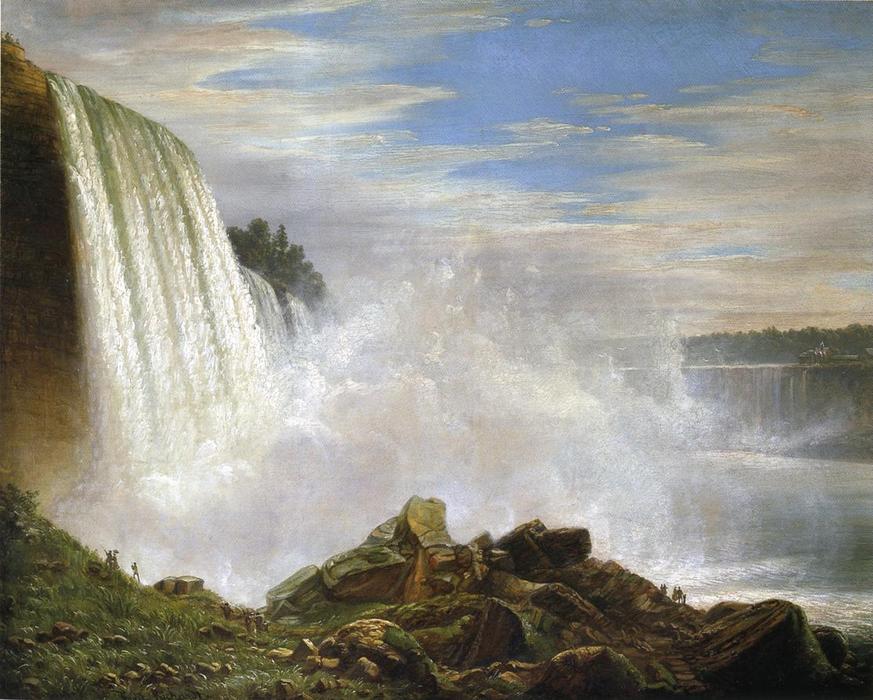
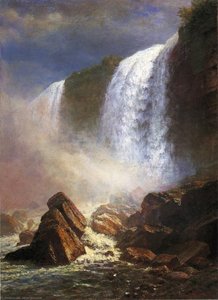
View of Niagara Falls
 Pročitaj više
Ručno rađena uljana reprodukcija
Ručno oslikano uljanim bojama na platnu u dimenzijama i okviru po vašem izboru, izrađeno po porudžbini od strane naših umetnika. ( Pređi na štampu Pređi na digitalnu sliku)




































Izaberite jednu od naših unapred definisanih veličina koje odgovaraju originalnim proporcijama umetničkog dela.

Можете унети сопствене димензије како бисте прилагодили дело одређеном оквиру или простору. Ако одабрана величина не одговара пропорцијама оригинала, слика ће бити исечена или проширена додатним елементима који се ручно насликавају. Дигитални prikaz ће вам бити послат на одобрење пре почетка производње.
Имајте на уму да преглед на екрану не одражава стварно исецање или проширење. Само приказ (mockup) ће тачно приказати коначну композицију.
Иако су доступне прилагођене величине, препоручујемо да одаберете димензију из дефинисане листе како бисте сачували оригиналне пропорције.
Nakon narudžbine, tim ArtsDot.com će klijentu putem e-pošte poslati uputstva i dostaviti prikaz predloženog rešenja
Isporuka širom sveta () za 3/4 nedelje umesto uobičajenih 5 nedelja. (9 септембар). Bez kompromisa po pitanju kvaliteta.

Besplatna ekspresna dostava širom sveta

Visokokvalitetno laneno platno

Kompletno osiguranje transporta

Garancija povraćaja carine i uvoznih dažbina

Garancija vernosti boja

Politika povraćaja u roku od 100 dana (isključivo u slučaju nedostataka)

Garancija povrata novca od 100%

Popust pri grupnoj kupovini
 Opcija sa staklom dostupna je samo za dimenzije manje od 110 cm

View of Niagara Falls
Tehnika reprodukcije
Dimenzije reprodukcije
-


Konačna cena
$ 263
Srodna umetnička dela





Biografija umetnika
A Life Bridging Continents: The Artistic Journey of Ferdinand Richardt
Joachim Ferdinand Richardt, often known simply as Ferdinand Richardt, was a painter whose life and work embodied a fascinating transatlantic dialogue. Born in 1819 in the small Danish village of Brøndby, his story is one of artistic dedication, geographical displacement, and ultimately, a rediscovery of his legacy through an iconic image – his breathtaking depiction of Niagara Falls. Richardt’s early years were steeped in the atmosphere of rural Denmark; his father managed the inn and company store at the Brede factory, providing a stable yet modest upbringing. Though briefly apprenticed as a carpenter in 1835, young Ferdinand's true calling lay elsewhere. He swiftly pursued formal training at the Royal Danish Academy of Art in Copenhagen from 1836 to 1840, studying under esteemed masters like Gustav Friedrich Hetsch, J.L. Lund, and Bertel Thorvaldsen. This foundational education instilled within him a meticulous technique and an appreciation for both architectural precision and landscape’s emotive power—qualities that would define his artistic career. Early recognition came in the form of silver medals awarded by the Academy in 1839 and 1840, paving the way for a five-year stipend in 1847, a testament to his burgeoning talent. This grant required him to contribute both architectural studies and landscape paintings annually to the royal collection, solidifying his position within the Danish art world.From Danish Manor Houses to American Grandeur
Richardt’s artistic focus initially centered on capturing the essence of Denmark itself. Between 1844 and 1870, he embarked on an ambitious project: a series of lithographs depicting Danish and Swedish manor houses. These detailed renderings proved immensely popular throughout Scandinavia, appealing to the region's landed gentry and establishing Richardt’s reputation for precision and artistry. However, a thirst for new horizons led him to America in 1855. This journey marked a pivotal shift in his artistic trajectory. For four years, he immersed himself in the American landscape, establishing a studio in New York City while venturing extensively throughout the eastern United States. It was Niagara Falls that truly captivated him. He produced numerous canvases of the cascading waters, attempting to capture its raw power and sublime beauty. This fascination wasn’t merely aesthetic; it reflected a broader Romantic sensibility—a reverence for nature's grandeur and an attempt to convey the divine within the natural world. His travels weren’t solitary endeavors either. In 1862 he married Sophia Schneider née Linnemann, and together they explored Southern Europe and spent time in England, where his work was even presented to Queen Victoria at Windsor Castle in 1864—a significant acknowledgement of his international standing.A New Home, A Lasting Legacy
Despite the recognition he received in Europe, Richardt ultimately chose to make America his permanent home. In 1872, he and his family emigrated, initially settling near Niagara Falls before eventually relocating to San Francisco and Oakland, California. This move signaled a renewed commitment to American landscapes. While continuing to paint scenes of Niagara—the subject that had brought him considerable acclaim—he also turned his attention to the vistas of California, capturing its unique light and topography. He continued to exhibit and sell his work in San Francisco well into his later years, even offering private drawing lessons in Oakland. Richardt’s prolific output included hundreds of oil paintings, drawings, and lithographs, a testament to his unwavering dedication to his craft. His style remained consistent throughout his career: characterized by meticulous detail, strong saturated colors, and that inherent sense of the sublime—a hallmark of National Romanticism.Rediscovery and Enduring Influence
Although well-regarded during his lifetime, Richardt’s work experienced a period of relative obscurity after his death in 1895. However, fate intervened in a remarkable way. In 2009, his painting *View of Niagara Falls* was chosen as the backdrop for President Barack Obama's second inauguration luncheon. This unexpected spotlight brought renewed attention to Richardt’s artistry and highlighted the symbolic resonance of his work—representing American grandeur, possibility, and the enduring power of nature. Further bolstering his legacy, over 500 original drawings, serving as studies for his paintings and lithographs, were rediscovered in the 1990s. These invaluable works are now preserved at the Nationalmuseet in Denmark and other institutions, providing scholars with a deeper understanding of his creative process. Ferdinand Richardt’s contribution to American landscape art is undeniable. His extensive depictions of Niagara Falls and California landscapes not only captured the beauty of these regions but also helped shape their visual identity, leaving an enduring mark on the artistic record.A Synthesis of Styles
- National Romanticism: Richardt’s work is deeply rooted in the National Romantic movement, evident in his reverence for nature and his attempt to capture a sense of national identity through landscape.
- Danish Golden Age Influence: His training at the Royal Danish Academy instilled within him the meticulous technique and attention to detail characteristic of the Danish Golden Age of painting.
- American Landscape Tradition: His American period saw him engaging with the burgeoning tradition of American landscape painting, contributing to its development while maintaining his distinct European sensibility.
- Lithographic Skill: His mastery of lithography allowed him to disseminate his images widely, particularly his depictions of Scandinavian manor houses, making his work accessible to a broad audience.
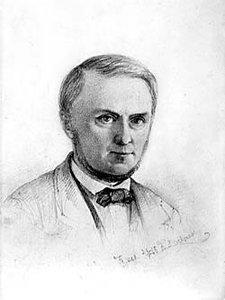
Joachim Ferdinand Richardt
1819 - 1895 , Denmark
Osnovne informacije
- Artistic Movement Or Style: National Romanticism
- Artists Or Movements Influenced By This Artist: ['American landscape painting']
- Artists Who Influenced This Artist:
- Gustav Friedrich Hetsch
- J. L. Lund
- Bertel Thorvaldsen
- Date Of Birth: 1819
- Date Of Death: 1895
- Full Name: Joachim Ferdinand Richardt
- Nationality: Danish-American
- Notable Artworks:
- View of Niagara Falls
- View of Hetch-Hetchy
- Place Of Birth: Brøndby, Denmark