

 Pregledaj u prostoru
 Pošalji
 Podeli
 Detalji o delu

 Преузми
 Slični predmeti
 Rendgenski snimak
 Slajdovi
 Statistika
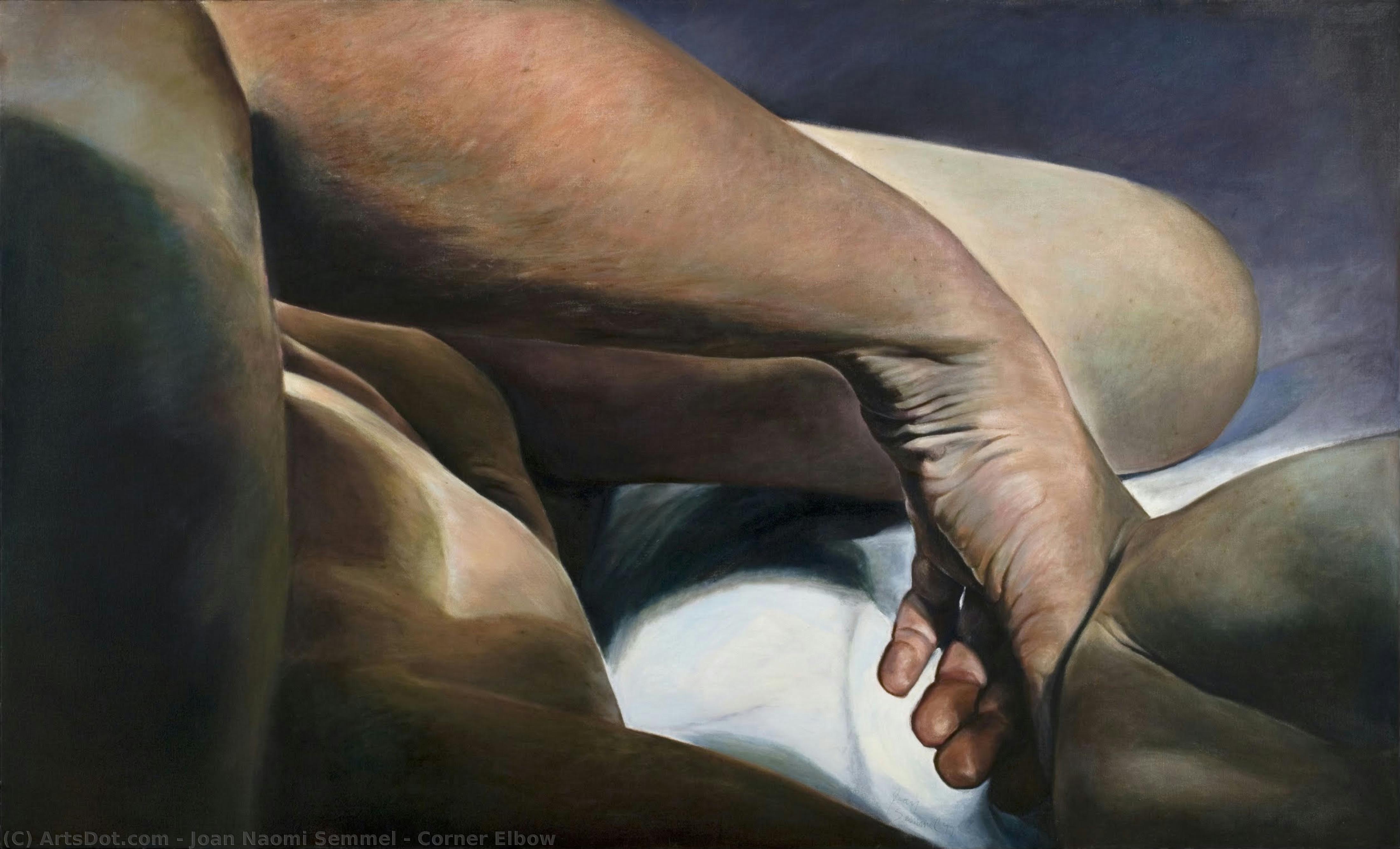
Corner Elbow
 112.0 x 188.0 cm
 Chrysler Museum of Art
 Pročitaj više
Ručno rađena uljana reprodukcija
Ručno oslikano uljanim bojama na platnu u dimenzijama i okviru po vašem izboru, izrađeno po porudžbini od strane naših umetnika. ( Pređi na štampu Pređi na digitalnu sliku)




































Izaberite jednu od naših unapred definisanih veličina koje odgovaraju originalnim proporcijama umetničkog dela.

Можете унети сопствене димензије како бисте прилагодили дело одређеном оквиру или простору. Ако одабрана величина не одговара пропорцијама оригинала, слика ће бити исечена или проширена додатним елементима који се ручно насликавају. Дигитални prikaz ће вам бити послат на одобрење пре почетка производње.
Имајте на уму да преглед на екрану не одражава стварно исецање или проширење. Само приказ (mockup) ће тачно приказати коначну композицију.
Иако су доступне прилагођене величине, препоручујемо да одаберете димензију из дефинисане листе како бисте сачували оригиналне пропорције.
Nakon narudžbine, tim ArtsDot.com će klijentu putem e-pošte poslati uputstva i dostaviti prikaz predloženog rešenja
Isporuka širom sveta () za 3/4 nedelje umesto uobičajenih 5 nedelja. (9 септембар). Bez kompromisa po pitanju kvaliteta.

Besplatna ekspresna dostava širom sveta

Visokokvalitetno laneno platno

Kompletno osiguranje transporta

Garancija povraćaja carine i uvoznih dažbina

Garancija vernosti boja

Politika povraćaja u roku od 100 dana (isključivo u slučaju nedostataka)

Garancija povrata novca od 100%

Popust pri grupnoj kupovini
 Opcija sa staklom dostupna je samo za dimenzije manje od 110 cm

Corner Elbow
Tehnika reprodukcije
Dimenzije reprodukcije
-


Konačna cena
$ 263
Srodna umetnička dela








Biografija umetnika
Early Life and Artistic Foundations
Joan Semmel, born in the Bronx, New York City, in 1932, emerged as a pivotal figure in American feminist art, though her journey began far from explicitly political declarations. Her early artistic training at Cooper Union laid a foundation steeped in the principles of Abstract Expressionism—a dominant force in post-war America. This initial immersion instilled within Semmel a deep understanding of paint handling, color theory, and spatial dynamics. However, it was her relocation to Spain in 1963 that proved transformative, offering both recognition for her abstract work through exhibitions in Madrid and across South America, and a crucial distance from which to re-evaluate her cultural context. Living under the Franco regime sparked a nascent political awareness, subtly shifting her perspective and preparing her for a more direct engagement with social issues upon her return to the United States.A Radical Return: Challenging the Male Gaze
The early 1970s marked a turning point in Semmel’s artistic trajectory. Back in New York City, newly divorced and raising two children, she was confronted by a pervasive culture of sexualized imagery that felt both oppressive and alienating. This experience catalyzed a radical shift in her work. Abandoning abstraction, Semmel turned to figuration, specifically the nude—a genre historically dominated by the male gaze. Her *Sex Paintings* (1971) and *Erotic Series* (1972) were not merely depictions of intimacy; they were assertive reclamations of female desire, rendered in bold colors and dynamic compositions that prioritized sensation and agency over voyeurism. These paintings directly challenged conventional representations of women as passive objects of male fantasy, instead presenting a vibrant, unapologetic celebration of female sexuality within the context of the burgeoning feminist movement.The Self as Subject: A New Perspective
By 1974, Semmel embarked on perhaps her most groundbreaking series—large-scale nude self-portraits viewed from an unprecedented perspective: looking down at her own body. This act was profoundly subversive. By employing mirrors and cameras to frame her image, she collapsed the traditional distance between artist and subject, observer and observed. The resulting paintings were not simply portraits; they were explorations of self-perception, vulnerability, and the complexities of female identity. Semmel’s use of abstraction blended with realism created a liminal space where flesh transformed into gesture and presence became pure pigment. This innovative approach questioned established power dynamics within art history, dismantling the objectification of women by redefining the nude through radical imagery that prioritized self-authorship.Later Years and Enduring Legacy
Semmel’s artistic exploration didn't cease with her self-portraits; it evolved into a sustained meditation on the aging female physique. Her later canvases continued to feature her body, often doubled, fragmented, or in motion, reflecting a commitment to representing the totality of lived experience. Throughout her career, Semmel has received numerous accolades, including the Women’s Caucus for Art Lifetime Achievement Award (2013) and the Anonymous Was A Woman award (2016). Her work is held in major museum collections such as The Museum of Fine Arts, Houston, the National Museum of Women in the Arts, and the Whitney Museum of American Art.- Influences: Morris Kantor, Nicholas Marsicano, Abstract Expressionism, Spanish art.
- Key Themes: Female sexuality, body image, perspective, the male gaze, aging, self-representation, feminist theory.
- Major Achievements: Pioneering nude self-portraits, challenging traditional figuration, significant contributions to Second-wave feminism, extensive museum representation.
joan naomi semmel
1932 - , United States of America
Osnovne informacije
- Artistic Movement Or Style: Feminist Painting, Abstract Expressionism
- Artists Or Movements Influenced By This Artist: ['Second-wave feminism']
- Artists Who Influenced This Artist:
- Nicholas Marsicano
- Morris Kantor
- Date Of Birth: 1932
- Full Name: Joan Naomi Semmel
- Nationality: American
- Notable Artworks:
- Corner Elbow
- Sex Paintings
- Erotic Series
- Place Of Birth: New York, USA