

 Pregledaj u prostoru
 Pošalji
 Podeli
 Detalji o delu

 Преузми
 Slični predmeti
 Rendgenski snimak
 Slajdovi
 Statistika
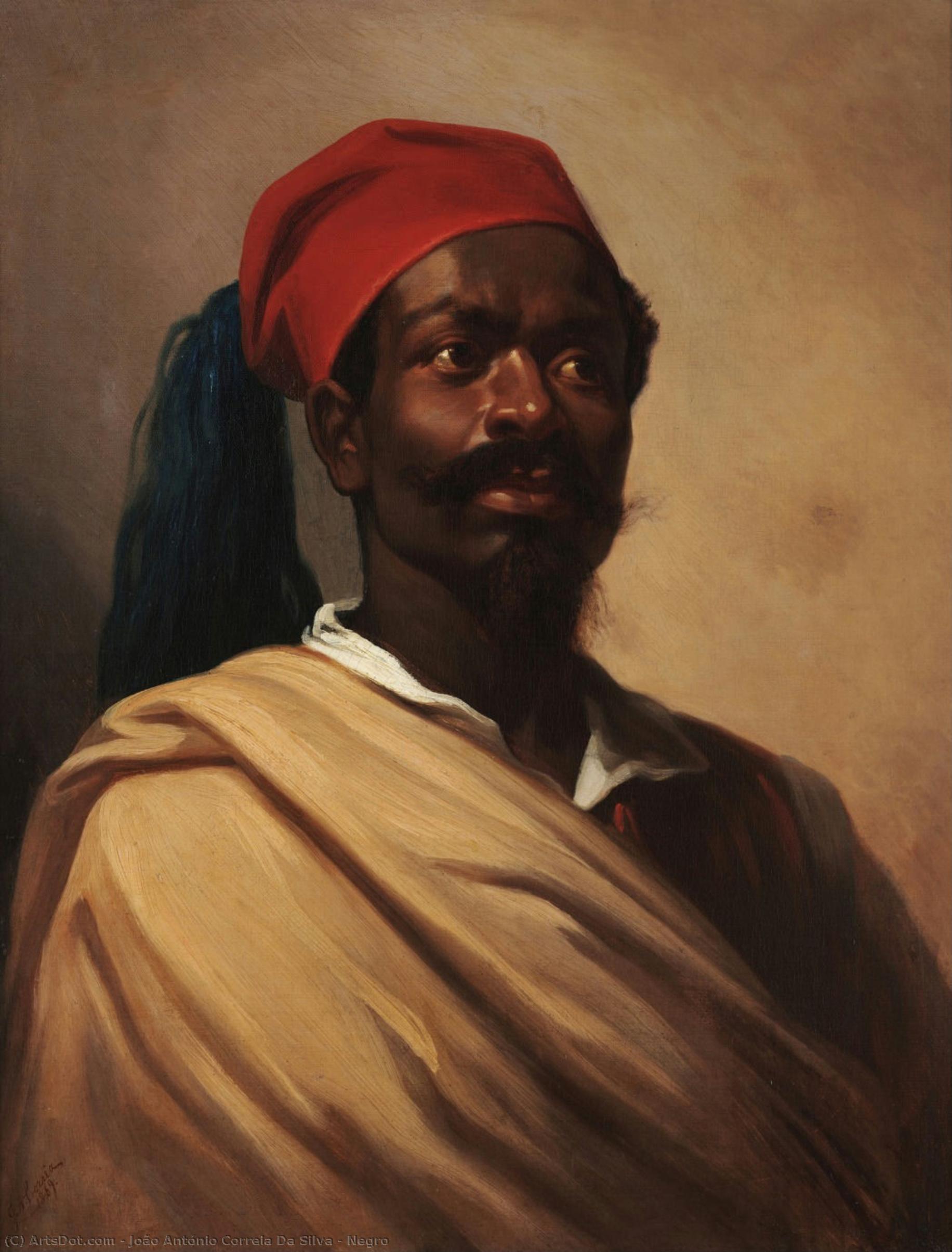
Negro
 1869
1869 73.0 x 58.0 cm
 Soares dos Reis National Museum
 Pročitaj više
Ručno rađena uljana reprodukcija
Ručno oslikano uljanim bojama na platnu u dimenzijama i okviru po vašem izboru, izrađeno po porudžbini od strane naših umetnika. ( Pređi na štampu Pređi na digitalnu sliku)




































Izaberite jednu od naših unapred definisanih veličina koje odgovaraju originalnim proporcijama umetničkog dela.

Можете унети сопствене димензије како бисте прилагодили дело одређеном оквиру или простору. Ако одабрана величина не одговара пропорцијама оригинала, слика ће бити исечена или проширена додатним елементима који се ручно насликавају. Дигитални prikaz ће вам бити послат на одобрење пре почетка производње.
Имајте на уму да преглед на екрану не одражава стварно исецање или проширење. Само приказ (mockup) ће тачно приказати коначну композицију.
Иако су доступне прилагођене величине, препоручујемо да одаберете димензију из дефинисане листе како бисте сачували оригиналне пропорције.
Nakon narudžbine, tim ArtsDot.com će klijentu putem e-pošte poslati uputstva i dostaviti prikaz predloženog rešenja
Isporuka širom sveta () za 3/4 nedelje umesto uobičajenih 5 nedelja. (9 септембар). Bez kompromisa po pitanju kvaliteta.

Besplatna ekspresna dostava širom sveta

Visokokvalitetno laneno platno

Kompletno osiguranje transporta

Garancija povraćaja carine i uvoznih dažbina

Garancija vernosti boja

Politika povraćaja u roku od 100 dana (isključivo u slučaju nedostataka)

Garancija povrata novca od 100%

Popust pri grupnoj kupovini
 Opcija sa staklom dostupna je samo za dimenzije manje od 110 cm

Negro
Tehnika reprodukcije
Dimenzije reprodukcije
-


Konačna cena
$ 263
Srodna umetnička dela









Biografija umetnika
A Legacy of Light: The Life and Art of João António Correia da Silva
In the heart of Porto, amidst the bustling textile commerce of the nineteenth century, a profound artistic vision began to take shape. João António Correia da Silva, born on December 26, 1822, was not merely a product of his era but a pioneer who would eventually challenge the rigid boundaries of Portuguese academicism. Descended from a family of established merchants, including his father António José Correia, Silva possessed a stable foundation that allowed him to pursue a rigorous and transformative education. His early years were spent within the halls of the Academia Real de Marinha e Comércio, where he first mastered the technical precision of design and mathematics. This disciplined beginning provided the structural scaffolding upon which he would later drape the fluid, emotive layers of his impressionistic mastery.
The evolution of Silva’s style is a captivating study in the transition from classical rigor to atmospheric expression. While his initial training emphasized the meticulous detail of historical painting and anatomical accuracy, his spirit was stirred by the Romantic influences of mentors like Miguel Ángel López de Ayala. It was through this exposure that Silva began to look beyond the static form, seeking instead to capture the ephemeral dance of light and the subjective perception of color. This shift marked a departure from the dominant traditions of his time, as he moved away from the heavy, labored preparatory sketches of the academy toward a more spontaneous and immediate way of seeing. His brushwork grew increasingly loose and vibrant, mirroring the burgeoning Impressionist movement that was sweeping across the European continent.
Mastery of Form and Spirit
Silva’s body of work serves as a bridge between the structured past and the sensory future of Portuguese art. He possessed a rare ability to navigate diverse genres, moving seamlessly from the solemnity of religious murals to the intimate psychological depth of portraiture. His contributions to sacred spaces, such as his evocative frescoes in the Capela de São João Baptista, demonstrate a profound command over narrative and spiritual atmosphere. In these works, the divine is not merely depicted through iconography but is felt through the interplay of light and shadow, a technique that breathed new life into religious art.
Beyond his religious commissions, Silva’s secular works remain some of the most poignant reflections of 19th-century Portuguese life. His portraits are celebrated for their ability to capture the essence of the sitter, while his landscapes and figure studies often reflect a deep connection to the natural world and its fleeting moments. Notable achievements in his career include:
- Award-Winning Early Works: His early academic success was cemented by winning first prize at the 1st triennial exhibition of 1842 for his painting A morte do conde Andeiro (The Death of Count Andeiro).
- Institutional Impact: His dedication to the arts extended into education, where he sought to influence the next generation of Portuguese painters through his role as a teacher and his involvement in the Porto Academy of Fine Arts.
- Enduring Presence in Museums: His masterpieces, such as Negro, are preserved in prestigious institutions like the National Museum Soares dos Reis, ensuring his stylistic innovations continue to inspire scholars and art lovers alike.
The historical significance of João António Correia da Silva lies in his role as a catalyst for change. By embracing the principles of Impressionism—prioritizing atmospheric conditions and the immediacy of perception over idealized forms—he helped dismantle the hegemony of academic tradition in Portugal. His life, spanning from the height of the Victorian era to the turn of the century, remains a testament to the power of artistic evolution. Through his eyes, the world was not just a collection of objects to be recorded, but a symphony of light and color waiting to be felt.
joão antónio correia da silva
1822 - 1896 , Portugal
Osnovne informacije
- Artistic Movement Or Style: Impressionism
- Artists Or Movements Influenced By This Artist: ['José Antonio Domínguez Álvarez']
- Artists Who Influenced This Artist: ['Miguel Ángel López de Ayala']
- Date Of Birth: 1822
- Date Of Death: 1896
- Full Name: João António Correia da Silva
- Nationality: Portuguese
- Notable Artworks: ['Negro']
- Place Of Birth: Porto, Portugal