 Pregledaj u prostoru
 Pošalji
 Podeli
 Detalji o delu

 Преузми
 Slični predmeti
 Rendgenski snimak
 Slajdovi
Демокрит, смејећи се филозоф
 Akril na platnu
- Umetnost za zidove
- Utrecht Caravaggism
 1630
1630 84.0 x 73.0 cm
 Мауритшhuis
 Pročitaj više
Ručno rađena uljana reprodukcija
Ručno oslikano uljanim bojama na platnu u dimenzijama i okviru po vašem izboru, izrađeno po porudžbini od strane naših umetnika. ( Kupi print Kupi digitalnu sliku)




P118B $10

P118H $10

P118W $10

P438Z $10

P508JH $12

P508YH $12

P805H $10

P805Z $10

P919BZ $10

P919G $10

P919XJ $10

P959ZH $10

P968JZ $12

W106C $8

W218G $10

W218JH $8

W218Y $10

W307PJ $10

W316G $10

W316PJ $8

W316Y $10

W398PJ $8

W4111J $10

W500HY $15

W500JH $15

W692G $12

W849H $8

W940BG $15

W953PJ $8




Izaberite jednu od naših unapred definisanih veličina koje odgovaraju originalnim proporcijama umetničkog dela.

Можете унети сопствене димензије како бисте прилагодили дело одређеном оквиру или простору. Ако одабрана величина не одговара пропорцијама оригинала, слика ће бити исечена или проширена додатним елементима који се ручно насликавају. Дигитални prikaz ће вам бити послат на одобрење пре почетка производње.
Имајте на уму да преглед на екрану не одражава стварно исецање или проширење. Само приказ (mockup) ће тачно приказати коначну композицију.
Иако су доступне прилагођене величине, препоручујемо да одаберете димензију из дефинисане листе како бисте сачували оригиналне пропорције.
Nakon narudžbine, tim ArtsDot.com će klijentu putem e-pošte poslati uputstva i dostaviti prikaz predloženog rešenja
Isporuka širom sveta () za 3/4 nedelje umesto uobičajenih 5 nedelja. (24 август). Bez kompromisa po pitanju kvaliteta.

Besplatna ekspresna dostava širom sveta

Visokokvalitetno laneno platno

Kompletno osiguranje transporta

Garancija povraćaja carine i uvoznih dažbina

Garancija vernosti boja

Politika povrata u roku od 60 dana (samo u slučaju nedostataka)

Garancija povrata novca od 100%

Popust pri grupnoj kupovini
 Opcija sa staklom dostupna je samo za dimenzije manje od 110 cm

Демокрит, смејећи се филозоф
Tehnika reprodukcije
Dimenzije reprodukcije
-


Konačna cena
$ 263
Opis umetničkog dela
Democritus, the Laughing Philosopher: A Venetian Echo in Utrecht Caravaggism
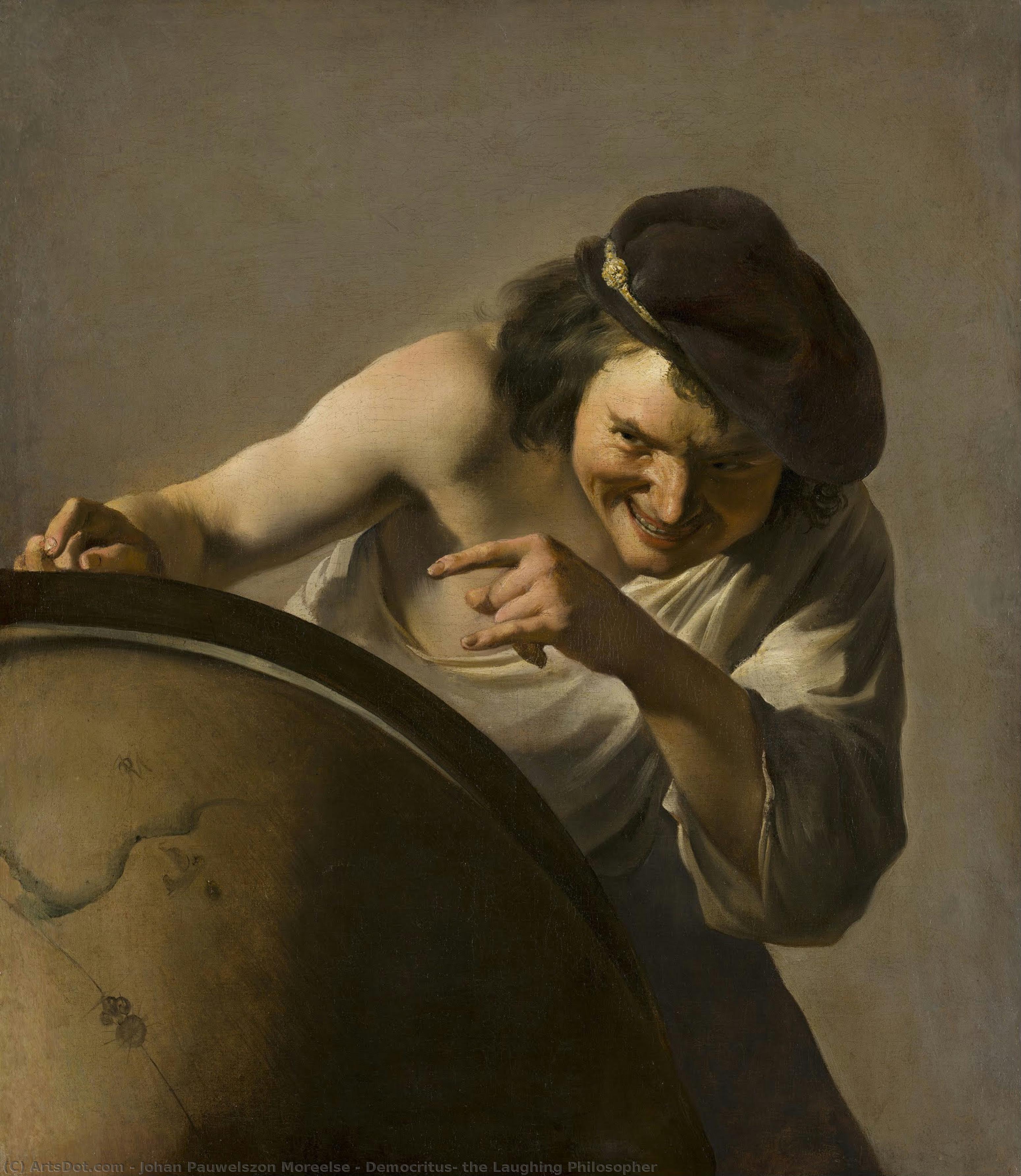
Johannes Moreelse’s “Democritus, the Laughing Philosopher,” painted in 1630, stands as a cornerstone of Utrecht Caravaggist art—a movement that irrevocably altered the visual landscape of the Dutch Golden Age. This monumental canvas, currently housed at Mauritshuis in The Hague, transcends mere representation; it embodies a profound meditation on human folly and the inescapable march of time, rendered with breathtaking dramatic intensity. Moreelse’s debt to Caravaggio is palpable, mirroring the Florentine maestro's signature approach: stark contrasts between light and dark, unflinching realism, and figures imbued with palpable emotion—a deliberate rejection of idealized beauty favored by earlier artistic traditions.The Venetian Influence – A Subtle Shift
Moreelse’s formative years in Rome exposed him to the burgeoning innovations championed by Venetian painters like Caravaggio and Artemisia Gentileschi. While retaining Caravaggio's stylistic core, Moreelse subtly infused his work with Venetian sensibilities—particularly evident in the nuanced gradations of color achieved through masterful glazing techniques. This delicate layering creates an ethereal luminescence that softens the harshness of the chiaroscuro, lending a contemplative atmosphere to the scene. The artist skillfully captures the psychological complexity of his subjects, prioritizing emotional truth over superficial grandeur.A Portrait of Intellectual Disillusionment
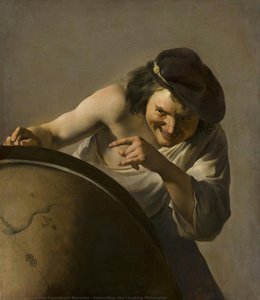
The painting depicts Democritus—a figure from ancient Greek philosophy—engaged in an animated discussion with Heraclitus, the “weeping philosopher.” Moreelse’s depiction isn't one of serene contemplation; rather, it portrays a moment of spirited debate punctuated by Democritus’s infectious laughter. This laugh is not merely amusement but a defiant assertion against the pervasive pessimism surrounding him—a commentary on humanity’s inherent vulnerability and its futile struggle to comprehend the universe’s immutable laws. The positioning of the figures—Democritus dominating the frame with his gaze, gesturing emphatically towards the globe—underscores this dynamic interplay of intellect and emotion.Technical Mastery: Oil Paint on Canvas – Utrecht Caravaggism Defined
Moreelse's technique exemplifies the Utrecht Caravaggist style’s dedication to realism and dramatic lighting. He employed oil paint on canvas—a medium favored by Venetian artists—allowing for unparalleled tonal range and textural depth. The artist meticulously rendered every detail, from the folds of Democritus’s robe to the subtle sheen of the globe, demonstrating an unwavering commitment to capturing the physicality of his subjects. The masterful use of chiaroscuro—the interplay between light and shadow—creates a palpable sense of immediacy and draws the viewer into the scene's emotional core.Symbolism: The Globe – A Reflection of Cosmic Perspective
The inclusion of the globe serves as more than just a decorative element; it symbolizes the broader philosophical concerns underpinning the artwork. In Caravaggio’s influence, the globe represents humanity’s limited understanding of the cosmos—a stark contrast to the infinite expanse beyond human comprehension. Moreelse reinforces this idea by portraying Democritus pointing towards the sphere, suggesting that even the most brilliant intellect cannot escape the inescapable reality of mortality and change. The painting's enduring power lies in its ability to provoke contemplation on these fundamental questions about existence.Concluding Reflection: An Emotional Resonance That Endures
“Democritus, the Laughing Philosopher” remains a testament to Moreelse’s artistic vision—a masterful synthesis of Venetian realism and Utrecht Caravaggism. Its dramatic lighting, psychological depth, and symbolic richness continue to captivate audiences today, cementing its place as one of the most significant paintings of the Dutch Golden Age. It is an artwork that compels us to confront our own anxieties about time and mortality while simultaneously celebrating the pursuit of knowledge and understanding—a timeless meditation on the human condition rendered with unparalleled artistic brilliance.Srodna umetnička dela


Biografija umetnika
Johannes Pauwelszon Moreelse: A Pioneer of Utrecht Caravaggism
Johan Pauwelszon Moreelse (c. 1603 – October 1634), a Dutch Baroque painter hailing from Utrecht, stands as a pivotal figure within the Utrecht Caravaggist school—a movement that dramatically reshaped artistic sensibilities during the Dutch Golden Age.
Little is definitively known about Moreelse’s formative years. Born around 1603 in Utrecht, he descended from a family steeped in artistic tradition; his father, Paulus Moreelse, was already recognized as a respected portrait painter, establishing a powerful legacy of visual representation.
Early Training and Artistic Influences
Moreelse’s formal education centered primarily around Utrecht, where he honed his skills under the tutelage of his father. However, recognizing the broader artistic landscape, he embarked on a journey to Rome in 1627—a pilgrimage that would profoundly impact his stylistic trajectory. The Roman environment exposed him to the burgeoning innovations of Baroque art, particularly those championed by Caravaggio himself.
Caravaggio’s revolutionary approach to lighting and dramatic composition served as an undeniable catalyst for Moreelse's artistic development. This influence is palpable in his paintings—characterized by intense chiaroscuro effects that heighten emotional impact and create a sense of theatrical grandeur. The artist skillfully employed color palettes reminiscent of Caravaggio, prioritizing vibrant hues alongside subdued tones to convey psychological depth.
Notable Works and Artistic Style
Moreelse’s oeuvre remains relatively modest compared to contemporaries like Rembrandt or Vermeer, yet his paintings possess remarkable artistic merit. Among his most celebrated compositions is “The Triumph Arch with Bearers of the Spoils of War,” a monumental depiction capturing a pivotal moment in military history—a testament to Moreelse's mastery of perspective and emotive storytelling.
His style distinguishes itself through its dynamism and psychological realism. Unlike many artists of his time who favored idealized representations, Moreelse sought to portray human subjects with unflinching honesty, conveying their inner turmoil and vulnerability. This commitment to portraying emotion aligns seamlessly with the broader Caravaggist ethos—a rejection of academic conventions in favor of visceral immediacy.
Museum Collections and Legacy
Several canvases attributed to Moreelse grace prominent museum collections across Europe. The Mauritshuis in The Hague houses a significant selection, offering visitors an unparalleled opportunity to contemplate his artistic achievements firsthand. Furthermore, works by Moreelse can be found at the Stedelijk Museum Amsterdam and the Rijksmuseum Amsterdam.
Moreelse’s contribution to Utrecht Caravaggism solidified his place as one of the foremost painters of his era. His innovative techniques—particularly his masterful manipulation of light—influenced subsequent generations of artists, shaping the visual vocabulary of Baroque painting in Holland. Despite his untimely demise during a plague epidemic in 1634, Moreelse’s legacy persists—a beacon of artistic experimentation and emotional intensity within the annals of Dutch art history.
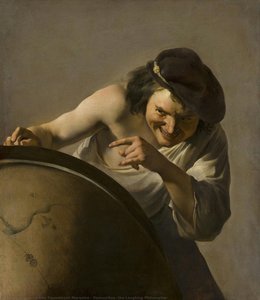
johan pauwelszon moreelse
Netherlands
Osnovne informacije
- Artistic Movement Or Style: Caravaggism
- Artists Or Movements Influenced By This Artist: ['Roman Baroque Art']
- Artists Who Influenced This Artist: ['Paulus Moreelse']
- Date Of Birth: c. 1603
- Date Of Death: October 1634 Zundert, Netherlands
- Full Name: Johannes Paulus Moreelse
- Nationality: Dutch
- Notable Artworks: ['Triumphal Arch with Bearers of the Spoils of War']
- Place Of Birth: Utrecht, Netherlands
Povezani članci

Dutch Baroque Masters: 10 Paintings That Shaped an Era | ArtsDot
Journey through the Golden Age with our guide to the Top 10 Dutch Baroque masterpieces! Explore iconic paintings by Rembrandt, Vermeer & Frans Hals. Find museum-quality art reproductions and elevate your home decor at ArtsDot.com.

Golden Age Reflections: Dutch Baroque Painting & Cultural Innovation
Explore the Dutch Golden Age of painting! Discover key artists like Vermeer & ter Borch, their innovative techniques, and the rich cultural context behind these Baroque masterpieces. Learn about collecting & appreciating this iconic art period.

Zlatno doba Holandske umetnosti: Top 10 remek dela za vaš dom
Otkrijte remek dela Holandskog zlatnog doba! Uronite u svet Rembrandta, Vermeera i drugih majstora. 10 ikoničnih slika koje su definisale umetnost. Inspiracija za vaš dom i kolekciju - ekskluzivne reprodukcije na ArtsDot.com!
The Hague School: Realism, Atmosphere & the Dawn of Dutch Impressionism
Explore the Hague School's pivotal role in Dutch art history. Discover realism, atmospheric landscapes & its influence on Impressionism. Learn about key artists like Mauve & Maris with ArtsDot.
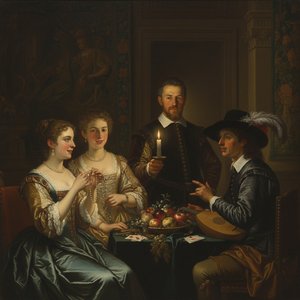
Gerard van Honthorst: Illuminating the Dutch Golden Age with Caravaggism & Courtly Grace
Explore the captivating world of Gerard van Honthorst, a Dutch Golden Age master renowned for his dramatic chiaroscuro & courtly portraits. Discover his life, art, and lasting influence on Baroque painting.