

 Pregledaj u prostoru
 Pošalji
 Podeli
 Detalji o delu

 Преузми
 Slični predmeti
 Rendgenski snimak
 Slajdovi
 Statistika
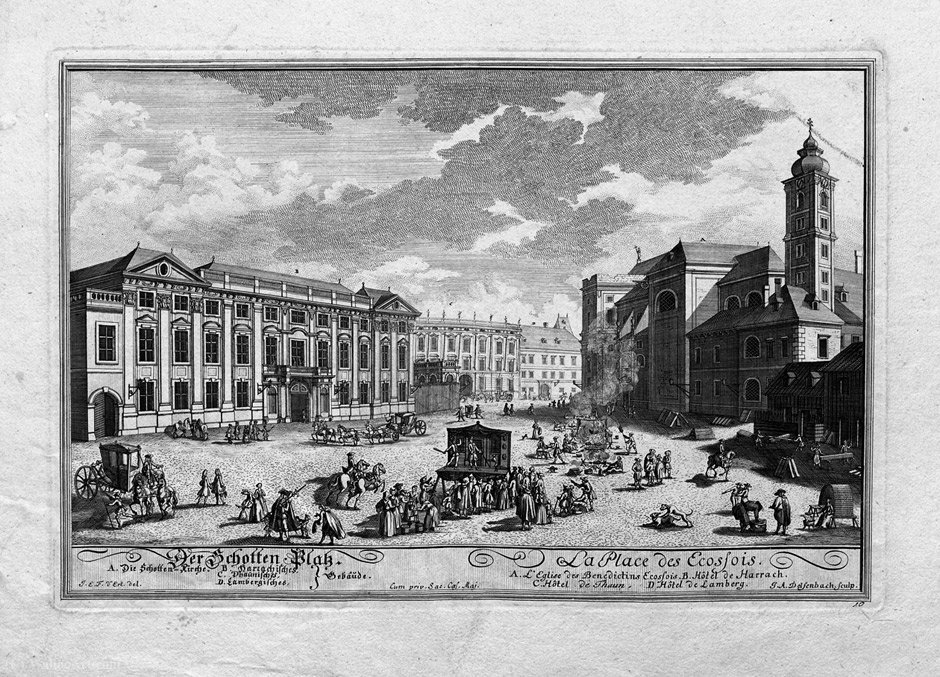
Delesenbach vienna

 Pročitaj više
Ručno rađena uljana reprodukcija
Ručno oslikano uljanim bojama na platnu u dimenzijama i okviru po vašem izboru, izrađeno po porudžbini od strane naših umetnika. ( Pređi na štampu Pređi na digitalnu sliku)




































Izaberite jednu od naših unapred definisanih veličina koje odgovaraju originalnim proporcijama umetničkog dela.

Можете унети сопствене димензије како бисте прилагодили дело одређеном оквиру или простору. Ако одабрана величина не одговара пропорцијама оригинала, слика ће бити исечена или проширена додатним елементима који се ручно насликавају. Дигитални prikaz ће вам бити послат на одобрење пре почетка производње.
Имајте на уму да преглед на екрану не одражава стварно исецање или проширење. Само приказ (mockup) ће тачно приказати коначну композицију.
Иако су доступне прилагођене величине, препоручујемо да одаберете димензију из дефинисане листе како бисте сачували оригиналне пропорције.
Nakon narudžbine, tim ArtsDot.com će klijentu putem e-pošte poslati uputstva i dostaviti prikaz predloženog rešenja
Isporuka širom sveta () za 3/4 nedelje umesto uobičajenih 5 nedelja. (10 септембар). Bez kompromisa po pitanju kvaliteta.

Besplatna ekspresna dostava širom sveta

Visokokvalitetno laneno platno

Kompletno osiguranje transporta

Garancija povraćaja carine i uvoznih dažbina

Garancija vernosti boja

Politika povraćaja u roku od 100 dana (isključivo u slučaju nedostataka)

Garancija povrata novca od 100%

Popust pri grupnoj kupovini
 Opcija sa staklom dostupna je samo za dimenzije manje od 110 cm

Delesenbach vienna
Tehnika reprodukcije
Dimenzije reprodukcije
-


Konačna cena
$ 438
Srodna umetnička dela
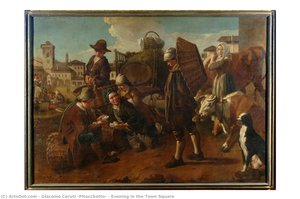
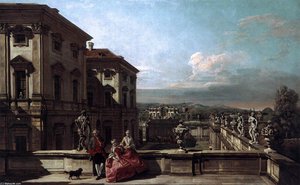
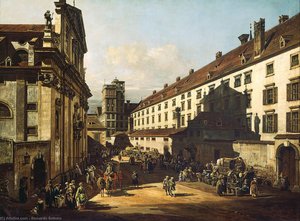
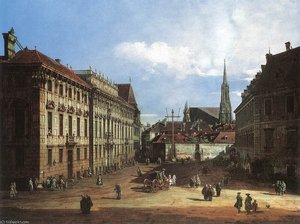
Biografija umetnika
Johann Adam Delsenbach: A Window into 18th-Century Nuremberg
Johann Adam Delsenbach, born in Nuremberg, Germany in 1687 and passing away in 1765, remains a remarkably significant figure in the history of European art. While he may not be as widely celebrated as some of his contemporaries, Delsenbach’s meticulous cityscapes – particularly those depicting Nuremberg and Vienna – offer an unparalleled glimpse into daily life, architectural detail, and the burgeoning artistic trends of the 18th century. His work transcends mere documentation; it's a vibrant tapestry woven with Baroque influences, reflecting both the grandeur of the era and the pragmatic realities of urban existence.
Delsenbach’s early life was steeped in the artistic traditions of Nuremberg. He apprenticed under portrait painters, gaining a foundational understanding of technique and observation. However, his true passion lay in capturing the dynamism of cityscapes. He spent considerable time in Vienna, working for prominent figures like Fischer von Erlach – a key influence on his style, particularly in its emphasis on classical forms and architectural precision. This period significantly shaped his approach to composition and perspective, elements that are readily apparent in his later works.
The Nuremberg Prospecten: A Comprehensive Record
Delsenbach’s most enduring legacy is undoubtedly the “Nuremberg Prospecten,” a series of over 120 copperplate engravings produced between 1725 and 1753. These meticulously detailed views of Nuremberg – its streets, buildings, markets, and inhabitants – are considered one of the most complete visual records of the city during that period. They were commissioned by the city council as a form of civic pride and historical documentation, and they quickly became immensely popular, selling widely throughout Europe.
The Prospecten aren’t simply picturesque scenes; Delsenbach was a keen observer of human behavior. He captured merchants haggling in the marketplace, children playing in the streets, artisans at work, and the everyday rituals that defined Nuremberg life. His use of light and shadow is masterful, creating a sense of depth and realism rarely achieved by his contemporaries. The engravings showcase a remarkable level of detail – from the intricate carvings on buildings to the folds of clothing worn by passersby – offering invaluable insights into the city’s architecture, social customs, and economic activity.
Technique and Style
Delsenbach's style is often described as a blend of Dutch Golden Age realism with Baroque theatricality. He employed techniques honed during his time in Vienna, incorporating classical principles of perspective and composition. His engravings are characterized by their sharp lines, precise detailing, and a remarkable ability to convey both the grandeur and the grit of urban life. He skillfully utilized hatching and cross-hatching to create tonal variations and suggest texture – particularly evident in depictions of fabrics and architectural surfaces.
While heavily influenced by his time in Vienna, Delsenbach’s work retains a distinctly Nuremberg sensibility. The city's unique character—its medieval walls, its bustling markets, and its strong civic identity—is vividly rendered in the Prospecten. His meticulous attention to detail and his ability to capture the essence of a place make him one of the most important urban landscape artists of the 18th century.
Legacy and Historical Significance
Johann Adam Delsenbach’s work holds immense historical significance, serving as an invaluable primary source for understanding Nuremberg in the early 18th century. The “Nuremberg Prospecten” provide a remarkably detailed record of the city's architecture, social life, and economic activity – far surpassing any other comparable visual documentation from that period. His engravings are not merely beautiful works of art; they are windows into the past, offering a tangible connection to a bygone era.
Furthermore, Delsenbach’s influence extends beyond his immediate artistic output. His meticulous approach to observation and his mastery of engraving techniques set a precedent for later urban landscape artists. His work continues to be studied by historians, art scholars, and anyone interested in gaining a deeper understanding of 18th-century European life.
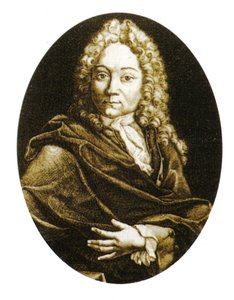
johann adam delsenbach
1687 - 1765 , Germany
Osnovne informacije
- Artistic Movement Or Style: Baroque, Dutch Golden Age
- Date Of Birth: 1687
- Date Of Death: 1765
- Full Name: Johann Adam Delsenbach
- Nationality: German
- Notable Artworks:
- Bridge over the Pegnitz
- Mehlgrube Vienna neuer markt delsenbach
- Place Of Birth: Nuremberg, Germany
Povezani članci

Engraving's Golden Age: 10 Masterpieces That Redefined Art | ArtsDot
Journey through art history with our Top 10 Legendary Engravings! Explore masterpieces by Dürer, Rembrandt & Goya. Discover the stories behind these iconic prints and find museum-quality reproductions for your home at ArtsDot.com.

The Dramatic Flourish: Exploring the Baroque Movement's Enduring Legacy in Art History
Explore the dramatic world of Baroque art! Discover iconic artists like Caravaggio & Rubens, defining techniques, and its lasting impact on art history. Expert insights for collectors & enthusiasts at ArtsDot.
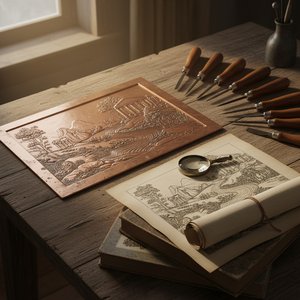
Engraving: A Historical Survey of Technique, Artistic Expression & Enduring Legacy
Explore the rich history of engraving with ArtsDot. Discover techniques, iconic artists like Dürer & Callot, collecting tips, and expert guidance for preserving your art investment. Learn about intaglio printing & more!

Барокна драма: Уношење величине и емоција у савремене ентеријере
Откријте барокну драму и унесите величину у ваш ентеријер! ArtsDot нуди ручно насликане репродукције, персонализоване портрете и стручне консултације за љубитеље класичне уметности. Потражите савршено дело већ данас!

The Intricate World of Engraving: A Historical Survey of Technique, Artistic Expression & Enduring Legacy
Explore the rich history of engraving with ArtsDot. Discover techniques, iconic artists like Dürer & Callot, collecting tips, and expert guidance for preserving your art investment. Learn about intaglio printing & more!