 Pregledaj u prostoru
 Pošalji
 Podeli
 Detalji o delu

 Преузми
 Slični predmeti
 Rendgenski snimak
 Slajdovi
 Statistika
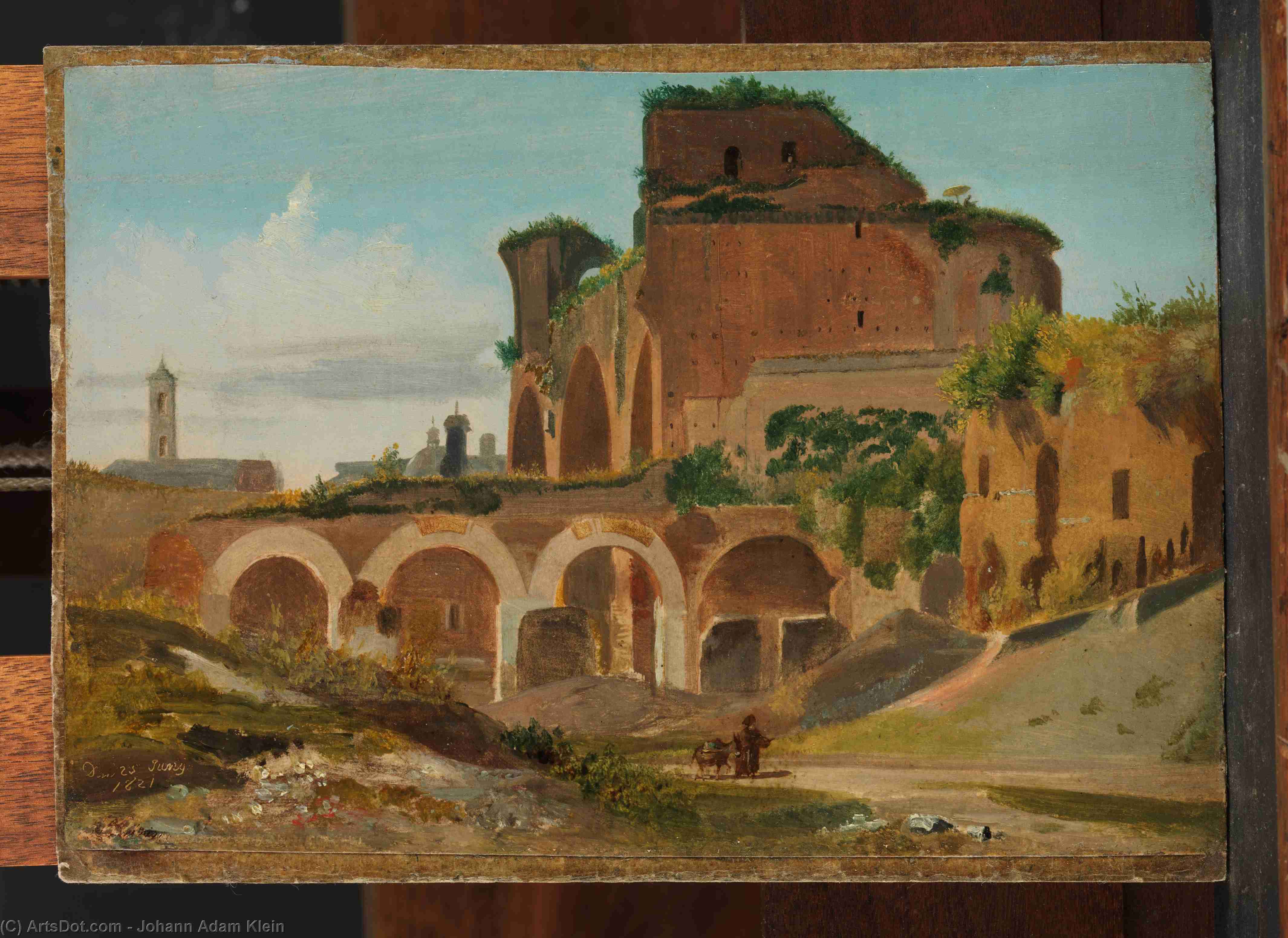
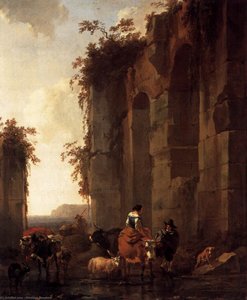
The Basilica of Constantine, Rome (1821)
 Pročitaj više
Kupite digitalnu sliku visoke rezolucije i poboljšanog kvaliteta, koja je znatno superiornija od onoga što vidite u online prikazu.
Svaka datoteka je pedantno pripremljena od strane naših stručnjaka koristeći napredne alate i profesionalnu ručnu retušu. Osiguravamo da svaka slika ima izuzetnu oštrinu, preciznu reprodukciju boja i fine detalje.
Konačna datoteka se dostavlja putem e-pošte u roku od 72 sata, optimizovana za neposrednu upotrebu u profesionalnim, izdavačkim i štamparskim okruženjima. To je isti kvalitet kojem veruju vrhunski studiji dizajna, izdavači i galerije.
Digitalna slika
Preuzmite datoteku visoke rezolucije za ličnu upotrebu, štampanje i kreativne projekte. ( Pređi na štampu Kupi ručno naslikanu sliku)
Uključeno uz svaku porudžbinu digitalne slike
Profesionalna digitalna isporuka, zagarantovana
Kada odaberete ArtsDot.com, ne dobijate samo sliku – vi primate profesionalno unapređeno digitalno umetničko delo, izrađeno sa najvećom preciznošću i uz garanciju zadovoljstva. Evo svega što automatski dolazi uz vašu porudžbinu:

Brza dostava putem e-pošte
Vaša digitalna slika visoke rezolucije biće vam poslata putem e-pošte u roku od 72 sata od poručivanja – spremna za trenutnu upotrebu.

Digitalna datoteka unapređena veštačkom inteligencijom
Vaše umetničko delo je profesionalno optimizovano korišćenjem naprednih AI alata i ručne obrade, čime se osiguravaju maksimalni detalji, oštrina i preciznost boja.

Besplatna ponovna isporuka doživotno
Slučajno ste obrisali ili izgubili svoju datoteku? Ne brinite – poslaćemo vam je ponovo u bilo kom trenutku, potpuno besplatno.

Bez troškova uvoza – zauvek
Uživajte u svojim umetničkim delima trenutno, bez carine, dažbina ili troškova dostave – digitalni download je uvek bez poreza.

Garancija vernosti boja
Uz pomoć profesionalnih alata i upravljanja bojama, osiguravamo da vaša digitalna slika što vernije odražava originalne boje.

Garancija zadovoljstva od 100 dana
Ako niste zadovoljni svojom digitalnom slikom, izvršićemo reviziju ili ćemo vam vratiti 100% novca u roku od 100 dana – bez ikakvih pitanja.

100% garancija povrata novca
Niste zadovoljni? Dobijte puni povraćaj novca u roku od 100 dana od prijema digitalne datoteke – bez suvišnih pitanja.

Popusti na velike porudžbine
Kupite 3 slike, uštedite 10% - Kupite 5 slika, uštedite 15% - Kupite 10+ slika, uštedite 20%. Odlično za kreativne projekte, galerije i agencije.
Srodna umetnička dela







Biografija umetnika
A Chronicler of the Rhine: The Life and Art of Johann Adam Klein
Johann Adam Klein, born in 1792, was a German painter whose work offers a fascinating glimpse into the Romantic era’s preoccupation with both meticulous observation and idealized landscapes. While not a household name like some of his contemporaries, Klein carved out a unique niche for himself as a chronicler of the Rhine River valley, its people, and its animal life. His career unfolded against a backdrop of significant social and political change in Europe, influencing his artistic choices and ultimately shaping a body of work that blends scientific accuracy with poetic sensibility. Little is known about Klein’s early life or formal training; he appears to have been largely self-taught, developing his skills through dedicated study of nature and the works of earlier masters. This independent path allowed him to cultivate a distinctive style, free from rigid academic constraints. He lived until 1875, witnessing firsthand the rise of industrialization and its impact on the traditional rural life he so often depicted.From Animal Studies to Panoramic Vistas
Klein initially gained recognition for his remarkably detailed animal studies. These were not merely representations of fauna; they possessed a striking realism that suggested an intimate understanding of anatomy, behavior, and habitat. He captured the subtle nuances of fur, feather, and muscle with painstaking precision, elevating these creatures beyond simple subjects to become compelling portraits in their own right. However, Klein’s artistic ambitions extended beyond individual animals. He soon began incorporating them into broader landscape compositions, specifically focusing on the Rhine region. This marked a pivotal shift in his career – from a focus on isolated natural elements to expansive panoramic vistas that captured the essence of the river and its surrounding environment. His paintings became increasingly ambitious in scale and scope, aiming to convey not just the physical beauty of the Rhine but also its historical significance and cultural importance. He was commissioned by Prussian authorities to document the Rhine’s landscapes as part of a larger surveying project, providing him with opportunities to travel extensively along the river and create a comprehensive visual record.Influences and Artistic Development
While Klein's style was largely self-developed, certain artistic influences are discernible in his work. The Dutch Golden Age masters, particularly those known for their animal paintings – artists like Paulus Potter and Jan Weenix – likely provided early inspiration regarding technique and realism. The Romantic movement, with its emphasis on emotion, individualism, and the sublime power of nature, profoundly shaped Klein’s artistic vision. Artists such as Caspar David Friedrich, whose landscapes evoked a sense of awe and spiritual contemplation, undoubtedly influenced his approach to composition and atmosphere. Furthermore, Klein's travels in Italy exposed him to Classical art and architecture, elements that occasionally appear in the backgrounds of his Rhine paintings, adding a layer of historical depth and cultural context. His work is not overtly dramatic like some Romantic painters, but rather possesses a quiet dignity and understated beauty, reflecting a more restrained sensibility. He skillfully blended these diverse influences into a unique style characterized by meticulous detail, atmospheric perspective, and a deep appreciation for the natural world.Major Achievements and Historical Significance
Klein’s most significant achievement lies in his comprehensive documentation of the Rhine River valley during a period of rapid change. His paintings serve as invaluable historical records, capturing the landscapes, architecture, and daily life of the region before they were irrevocably altered by industrialization. The commissions he received from the Prussian government attest to the value placed on his work for its accuracy and detail. Beyond their documentary importance, Klein’s paintings are also admired for their artistic merit. His skillful use of light and shadow creates a sense of depth and atmosphere, while his meticulous attention to detail brings the landscapes to life. He was able to capture the unique character of each location along the Rhine, from the bustling port cities to the quiet rural villages. His work provides insight into the Romantic era’s fascination with national identity and its connection to the natural landscape. While he may not be as widely recognized as some of his contemporaries, Johann Adam Klein remains an important figure in German art history, a testament to the power of observation, dedication, and artistic skill.Legacy
- Klein’s paintings are held in numerous public and private collections throughout Germany.
- His work continues to be studied by art historians for its historical significance and artistic merit.
- He is considered a key figure in the development of 19th-century German landscape painting.
- The detailed accuracy of his Rhine landscapes makes them valuable resources for researchers studying the region’s history and environment.
- His legacy lies in his ability to blend scientific observation with poetic sensibility, creating paintings that are both informative and emotionally engaging.