
- Početna strana

- Štampa na platnu
- Johann Andreas Äglawer, Johann Andreas Iglawer, Johann Andreas Egelauer, Andreas Johann Englauer
 Pregledaj u prostoru
 Pošalji
 Podeli
 Detalji o delu

 Преузми
 Slični predmeti
 Rendgenski snimak
 Slajdovi
 Statistika
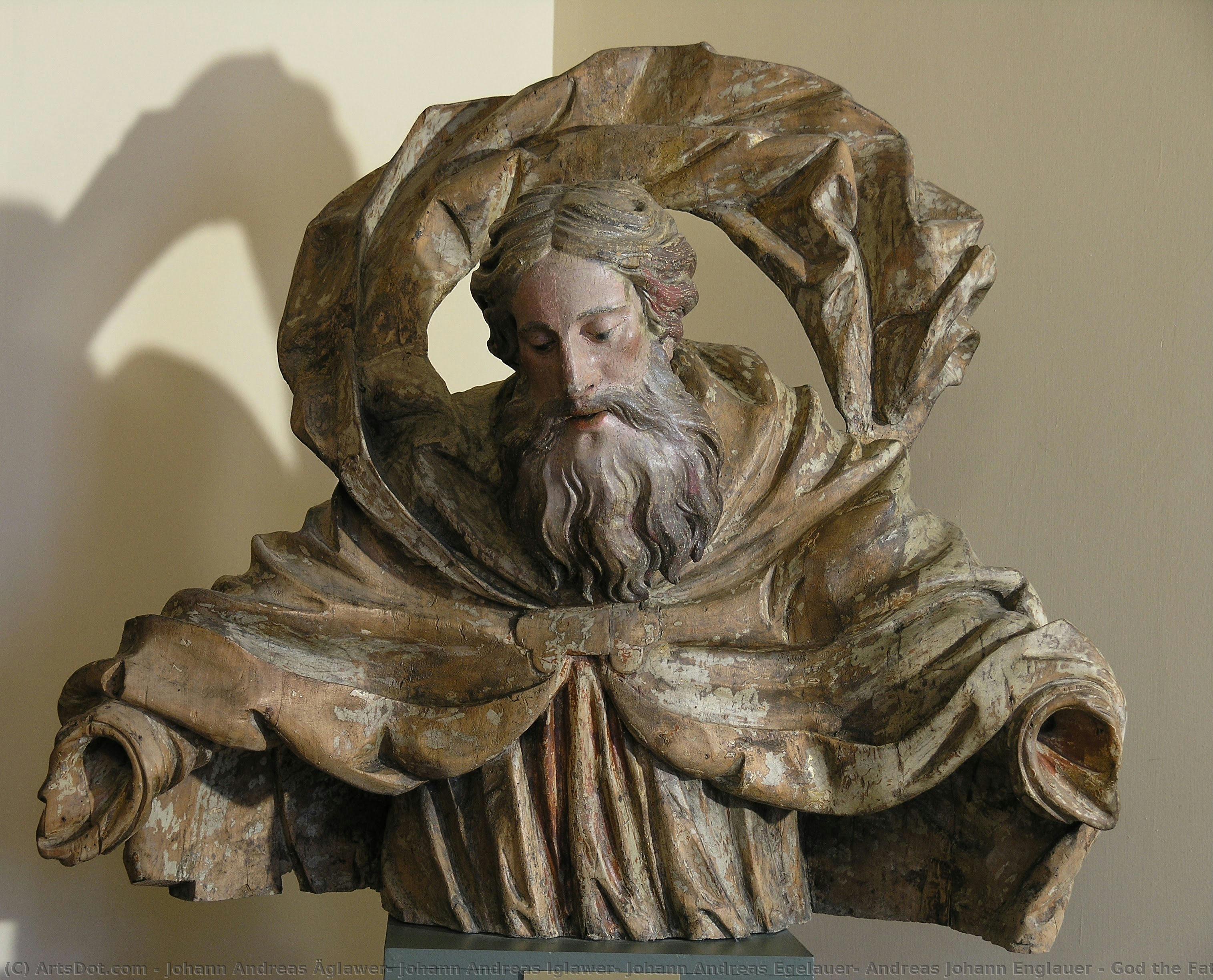
God the Father


 Pročitaj više
Giclee štampa / Umetnički otisak
Giclée štampa ili print na platnu muzejskog kvaliteta uz brzu proizvodnju i fleksibilne opcije završne obrade. ( Kupi ručno naslikanu sliku Pređi na digitalnu sliku)




































Izaberite jednu od naših unapred definisanih veličina koje odgovaraju originalnim proporcijama umetničkog dela.

Možete uneti sopstvene dimenzije kako biste umetničko delo prilagodili specifičnom okviru ili prostoru. Ako odabrani format ne odgovara proporcijama originalne slike, mi ćemo ili iscrtati deo dela ili proširiti sliku pomoću ogledane ivice ili jednobojnog popunjavanja. Digitalni prikaz će vam biti poslat na odobrenje pre početka proizvodnje.
Imajte na umu da pregled na ekranu ne odražava stvarno iscrtavanje ili proširivanje. Samo će prikaz (mockup) precizno pokazati finalnu kompoziciju.
Iako su prilagođene dimenzije dostupne, preporučujemo da odaberete dimenziju sa unapred definisane liste kako biste očuvali originalne proporcije.
Dostava širom sveta () za 2 nedelje umesto uobičajenih 4/5 nedelja. (13 септембар)

Besplatna ekspresna dostava širom sveta

Visokokvalitetno laneno platno

Kompletno osiguranje transporta

Garancija povraćaja carine i uvoznih dažbina

Garancija vernosti boja

Politika povraćaja u roku od 100 dana (isključivo u slučaju nedostataka)

Garancija povrata novca od 100%

Popust pri grupnoj kupovini
 Opcija sa staklom dostupna je samo za dimenzije manje od 110 cm

God the Father
Giclee štampa / Umetnički otisak
Dimenzije reprodukcije
-


Konačna cena
$ 62
Srodna umetnička dela
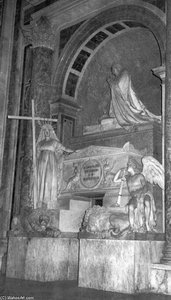
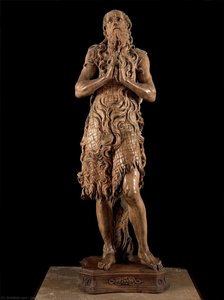


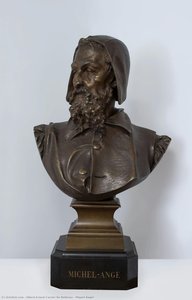
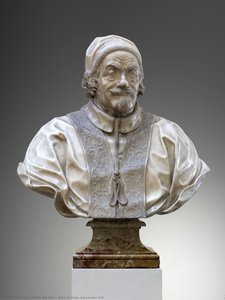
Biografija umetnika
The Baroque Visions of Johann Andreas Äglawer
Johann Andreas Äglawer, also known under the variations of his name – Johann Andreas Iglawer and Andreas Johann Englauer – remains a somewhat enigmatic figure in the landscape of 17th-century sculpture. While biographical details are scarce, his surviving works speak volumes about a master craftsman deeply immersed in the fervor of the Baroque period. Äglawer’s career unfolded during a time of intense religious and artistic change, a period where sculpture was employed as a powerful tool for conveying faith and emotion. He appears to have been active primarily in Bohemia and surrounding regions, leaving behind a legacy of exquisitely carved wood sculptures that demonstrate both technical virtuosity and a profound spiritual sensibility.A Sculptor Rooted in Tradition
The precise origins of Äglawer are difficult to pinpoint with certainty. Records suggest he was born sometime in the early 17th century, though the exact date remains elusive. What is clear from his oeuvre is a strong grounding in traditional sculptural techniques. His work doesn’t represent a radical departure from established norms but rather a refinement and intensification of existing styles. He clearly drew inspiration from Renaissance models, particularly in his depictions of human anatomy and classical drapery. However, Äglawer wasn't merely copying past masters; he infused these elements with the dynamic energy and emotional intensity characteristic of the Baroque aesthetic. His sculptures are not static representations but rather convey a sense of movement, drama, and spiritual awakening. The wood carving itself is exceptional, showcasing an incredible attention to detail – from the delicate folds of fabric to the expressive features of his figures.Themes of Faith and Devotion
Äglawer’s artistic focus centered almost exclusively on religious subjects. His sculptures frequently depict saints, biblical figures, and allegorical representations of virtues and divine attributes. God the Father, one of his most celebrated works, exemplifies this dedication to themes of faith and devotion. The sculpture is a powerful embodiment of paternal authority and spiritual grace, rendered with remarkable detail and solemnity. Similarly, his depiction of Saint John the Baptist showcases a mastery of portraying inner piety and contemplative strength. These were not simply decorative objects; they were intended as focal points for prayer and meditation, designed to inspire reverence and deepen religious experience. The choice of wood as a medium itself held symbolic significance, representing both the humanity of Christ and the enduring power of faith.Legacy and Historical Context
While Äglawer may not be a household name like some of his more famous contemporaries, his contribution to Baroque sculpture is nonetheless significant. His work reflects the broader artistic trends of the period – the emphasis on emotional realism, dramatic composition, and the use of art as a vehicle for religious propaganda. He worked during the Counter-Reformation, when the Catholic Church actively promoted art that reinforced its doctrines and appealed to the senses. Äglawer’s sculptures fit squarely within this context, serving as powerful visual statements of faith and devotion. His influence can be seen in the work of other sculptors active in Bohemia and surrounding regions, demonstrating his role as a key figure in the development of Baroque art in Central Europe. Although documentation remains limited, the enduring beauty and spiritual power of his sculptures ensure that Johann Andreas Äglawer’s legacy continues to resonate with audiences today.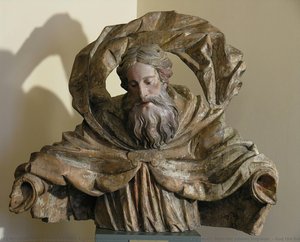
Povezani članci

Theatricality & Triumph: Baroque Drama in Painting & Sculpture
Explore the dramatic world of Baroque art! Discover its history, defining characteristics, & lasting influence on painting & sculpture. Expert insights into Caravaggio, Zurbarán, and Bernini – plus high-quality reproductions at ArtsDot.

The Dramatic Flourish: Exploring the Baroque Movement's Enduring Legacy in Art History
Explore the dramatic world of Baroque art! Discover iconic artists like Caravaggio & Rubens, defining techniques, and its lasting impact on art history. Expert insights for collectors & enthusiasts at ArtsDot.
The Enduring Form: Sculpture Across History, Technique & Emotional Resonance
Explore the rich history of sculpture with ArtsDot. Discover key techniques, influential artists & investment potential for discerning collectors. Expert insights into valuing and collecting timeless masterpieces.

Bronze Sculptures That Defined Art History | ArtsDot
Journey through art history with our Top 10 bronze sculptures! Explore masterpieces by Rodin, Michelangelo & more. Discover stories behind iconic statues and find museum-quality reproductions for your home decor at ArtsDot.com.

The Enduring Form: Exploring Themes & Techniques in Sculpture Across Historical Periods
Explore the rich history of sculpture from ancient masterpieces to contemporary innovations. Discover key techniques, influential artists & investment potential for discerning art collectors.