

 Pregledaj u prostoru
 Pošalji
 Podeli
 Detalji o delu

 Преузми
 Slični predmeti
 Rendgenski snimak
 Slajdovi
 Statistika
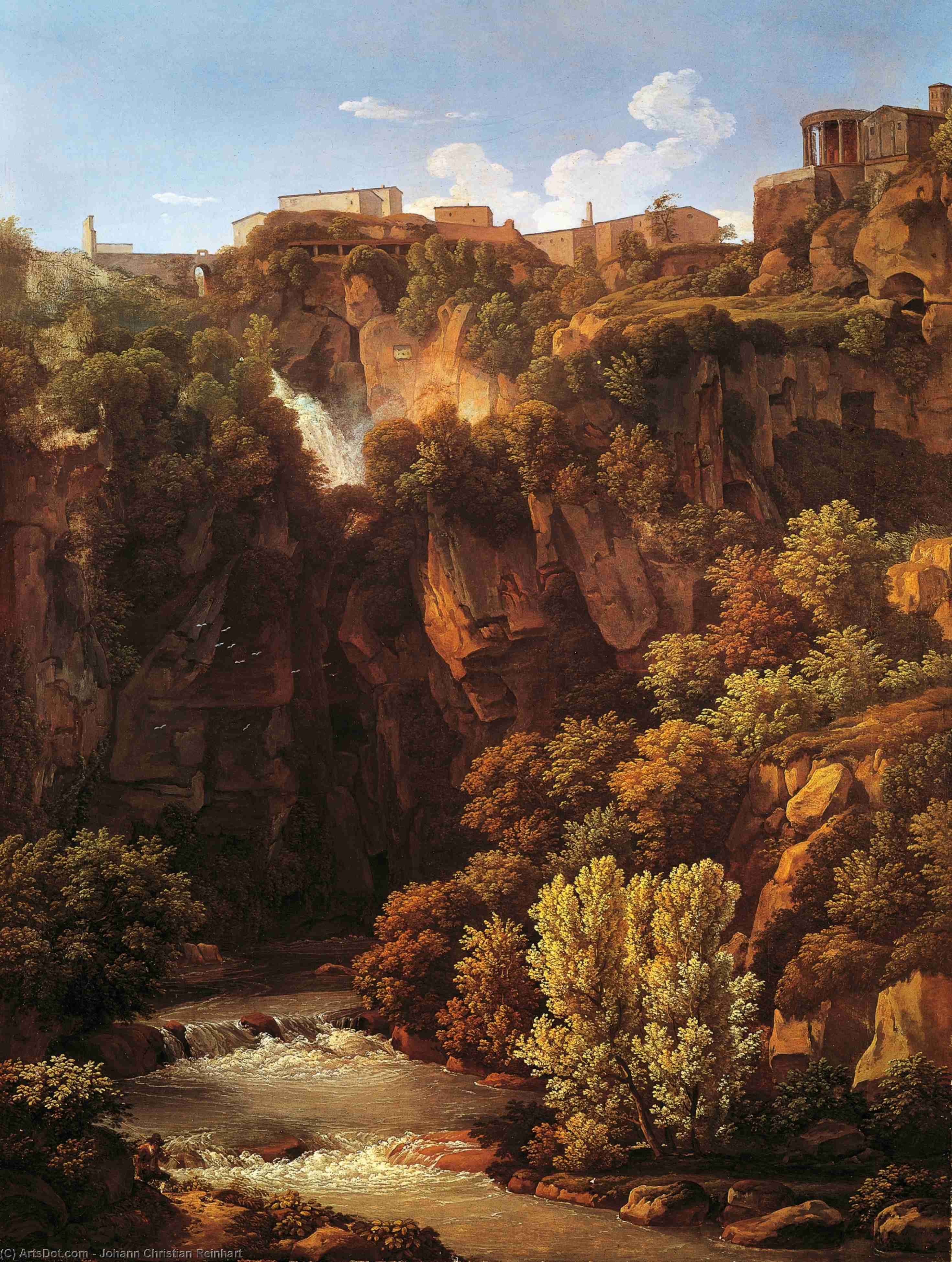
Waterfalls at Tivoli
 Pročitaj više
Ručno rađena uljana reprodukcija
Ručno oslikano uljanim bojama na platnu u dimenzijama i okviru po vašem izboru, izrađeno po porudžbini od strane naših umetnika. ( Pređi na štampu Pređi na digitalnu sliku)




































Izaberite jednu od naših unapred definisanih veličina koje odgovaraju originalnim proporcijama umetničkog dela.

Можете унети сопствене димензије како бисте прилагодили дело одређеном оквиру или простору. Ако одабрана величина не одговара пропорцијама оригинала, слика ће бити исечена или проширена додатним елементима који се ручно насликавају. Дигитални prikaz ће вам бити послат на одобрење пре почетка производње.
Имајте на уму да преглед на екрану не одражава стварно исецање или проширење. Само приказ (mockup) ће тачно приказати коначну композицију.
Иако су доступне прилагођене величине, препоручујемо да одаберете димензију из дефинисане листе како бисте сачували оригиналне пропорције.
Nakon narudžbine, tim ArtsDot.com će klijentu putem e-pošte poslati uputstva i dostaviti prikaz predloženog rešenja
Isporuka širom sveta () za 3/4 nedelje umesto uobičajenih 5 nedelja. (8 септембар). Bez kompromisa po pitanju kvaliteta.

Besplatna ekspresna dostava širom sveta

Visokokvalitetno laneno platno

Kompletno osiguranje transporta

Garancija povraćaja carine i uvoznih dažbina

Garancija vernosti boja

Politika povraćaja u roku od 100 dana (isključivo u slučaju nedostataka)

Garancija povrata novca od 100%

Popust pri grupnoj kupovini
 Opcija sa staklom dostupna je samo za dimenzije manje od 110 cm

Waterfalls at Tivoli
Tehnika reprodukcije
Dimenzije reprodukcije
-


Konačna cena
$ 263
Srodna umetnička dela









Biografija umetnika
Marguerite Gérard: A Pioneer of Romantic Portraiture
Born in Paris in 1761, Marguerite Gérard’s life and career were marked by both artistic brilliance and a challenging social landscape for women artists during the late 18th and early 19th centuries. Initially trained by Jean-Honoré Fragonard – a connection that highlights her exposure to the Rococo style prevalent at the time – Gérard quickly surpassed her mentor, developing a distinctive approach characterized by dramatic lighting, dynamic compositions, and a focus on capturing the psychological intensity of her subjects. Her journey was not without obstacles; she faced considerable prejudice due to her gender and had to navigate a male-dominated art world with determination and skill.
Gérard’s early training instilled in her a deep understanding of classical techniques, but it was through her independent study and experimentation that she forged her own artistic voice. Unlike the delicate pastel portraits favored by some contemporaries, Gérard embraced bolder brushstrokes and a more theatrical use of color. She frequently employed chiaroscuro – the dramatic contrast between light and shadow – to create a sense of movement and emotional depth within her paintings. This technique, reminiscent of Rembrandt’s work, became a hallmark of her style.
- Early Influences: Fragonard's Rococo style provided a foundation, but Gérard was also influenced by the dramatic lighting and psychological intensity found in the works of Rembrandt and Caravaggio.
- Technique: She mastered chiaroscuro, utilizing strong contrasts of light and shadow to create dynamic compositions and convey emotion.
- Subject Matter: Primarily focused on portraiture, often depicting aristocratic women with a captivating blend of elegance and vulnerability.
A Rising Star in the Salon Era
Marguerite Gérard’s talent quickly garnered attention within Parisian artistic circles. Her early successes at the Salon – the official art exhibition of the Académie Royale de Peinture et de Sculpture – established her as a rising star. Her paintings, particularly those depicting noblewomen, were praised for their elegance and psychological insight. Notably, she won a medal at the Salon in 1786, a significant achievement for a female artist at that time.
However, Gérard’s career was significantly impacted by the French Revolution. The upheaval led to changes within the art establishment, and while initially welcomed, her style – with its emphasis on classical ideals and aristocratic subjects – became increasingly out of step with the revolutionary fervor. Despite this shift, she continued to exhibit and produce work, adapting her style subtly while retaining her core artistic principles.
The Development of a Distinctive Style
As Gérard’s career progressed, her style evolved beyond the initial influence of Fragonard. She began to incorporate elements of Romanticism into her work – a heightened sense of drama, emotional intensity, and an interest in capturing fleeting moments of experience. Her portraits became increasingly psychologically complex, revealing not just outward appearances but also the inner lives of her subjects.
Her compositions often featured dramatic lighting effects, with figures bathed in pools of light or shrouded in shadow. This technique served to heighten the emotional impact of the paintings and create a sense of immediacy for the viewer. She was particularly adept at capturing the subtle nuances of expression – a fleeting smile, a look of melancholy, a gesture of defiance – that revealed the character and personality of her subjects.
Legacy and Recognition
Despite facing considerable challenges throughout her career, Marguerite Gérard left an enduring legacy as one of the most accomplished female artists of the late 18th and early 19th centuries. Her portraits are celebrated for their elegance, psychological depth, and technical mastery. She demonstrated a remarkable ability to capture the essence of her subjects, creating works that continue to resonate with viewers today.
Today, Marguerite Gérard’s paintings are housed in major museums around the world, including the Musée du Louvre in Paris and the National Gallery in London. Her work is recognized as an important contribution to the history of portraiture and a testament to her artistic vision and perseverance in a male-dominated art world.
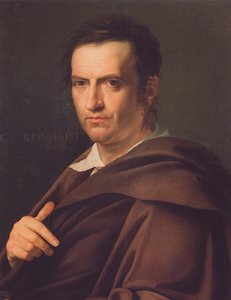
johann christian reinhart
1761 - 1847 , Germany
Osnovne informacije
- Artistic Movement Or Style: Neoclassicism
- Artists Or Movements Influenced By This Artist: ['John Opie']
- Artists Who Influenced This Artist: ['Jean-Honoré Fragonard']
- Date Of Birth: 28 January 1761
- Date Of Death: 18 May 1837
- Full Name: Marguerite Gérard
- Nationality: French
- Notable Artworks:
- The Reading Girl
- Portrait of a Lady
- Self-Portrait
- Place Of Birth: Paris, France