

 Pregledaj u prostoru
 Pošalji
 Podeli
 Detalji o delu

 Преузми
 Slični predmeti
 Rendgenski snimak
 Slajdovi
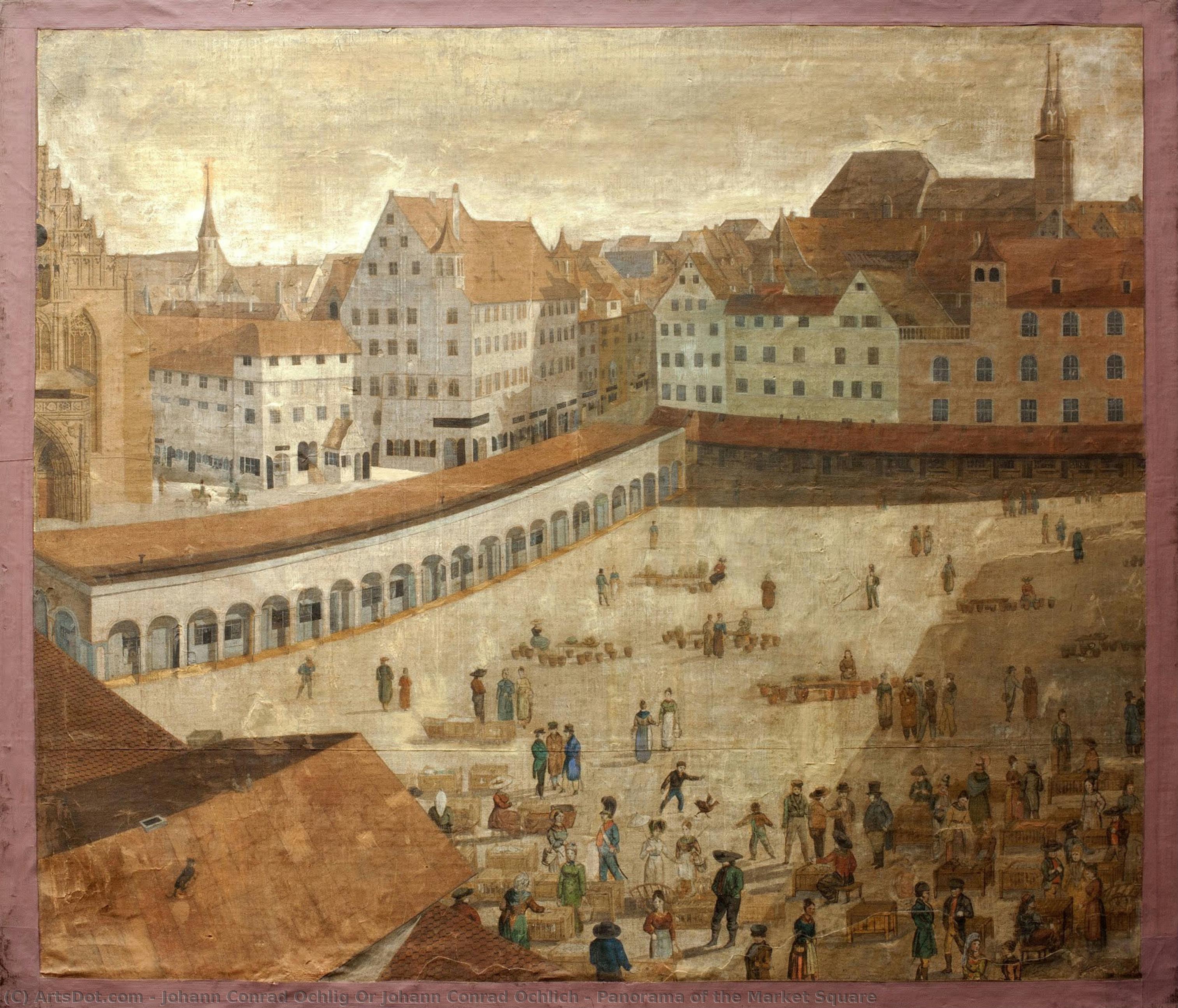
Panorama of the Market Square


 Pročitaj više
Giclee štampa / Umetnički otisak
Giclée štampa ili print na platnu muzejskog kvaliteta uz brzu proizvodnju i fleksibilne opcije završne obrade. ( Kupi ručno naslikanu sliku Kupi digitalnu sliku)




P118B $10

P118H $10

P118W $10

P438Z $10

P508JH $12

P508YH $12

P805H $10

P805Z $10

P919BZ $10

P919G $10

P919XJ $10

P959ZH $10

P968JZ $12

W106C $8

W218G $10

W218JH $8

W218Y $10

W307PJ $10

W316G $10

W316PJ $8

W316Y $10

W398PJ $8

W4111J $10

W500HY $15

W500JH $15

W692G $12

W849H $8

W940BG $15

W953PJ $8




Izaberite jednu od naših unapred definisanih veličina koje odgovaraju originalnim proporcijama umetničkog dela.

Možete uneti sopstvene dimenzije kako biste umetničko delo prilagodili specifičnom okviru ili prostoru. Ako odabrani format ne odgovara proporcijama originalne slike, mi ćemo ili iscrtati deo dela ili proširiti sliku pomoću ogledane ivice ili jednobojnog popunjavanja. Digitalni prikaz će vam biti poslat na odobrenje pre početka proizvodnje.
Imajte na umu da pregled na ekranu ne odražava stvarno iscrtavanje ili proširivanje. Samo će prikaz (mockup) precizno pokazati finalnu kompoziciju.
Iako su prilagođene dimenzije dostupne, preporučujemo da odaberete dimenziju sa unapred definisane liste kako biste očuvali originalne proporcije.
Dostava širom sveta () za 2 nedelje umesto uobičajenih 4/5 nedelja. (3 септембар)

Besplatna ekspresna dostava širom sveta

Visokokvalitetno laneno platno

Kompletno osiguranje transporta

Garancija povraćaja carine i uvoznih dažbina

Garancija vernosti boja

Politika povrata u roku od 60 dana (samo u slučaju nedostataka)

Garancija povrata novca od 100%

Popust pri grupnoj kupovini
 Opcija sa staklom dostupna je samo za dimenzije manje od 110 cm

Panorama of the Market Square
Giclee štampa / Umetnički otisak
Dimenzije reprodukcije
-


Konačna cena
$ 62
A Window into the Soul of Old Nuremberg
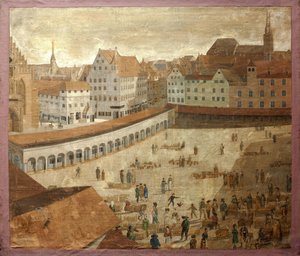
Step into the vibrant heart of nineteenth-century Germany through Johann Conrad Ochlich’s breathtaking Panorama of the Market Square. This masterful work, dating from 1824, serves as more than just a landscape; it is a temporal portal that transports the viewer to a bustling era of cobblestone streets and architectural grandeur. As one of eight monumental panels designed to provide an all-encompassing view of Nuremberg, this piece captures the rhythmic pulse of urban life with an intimacy that feels almost cinematic. The scene unfolds with a remarkable sense of depth, inviting the eye to wander through a lively tapestry of human interaction, where every figure and architectural detail tells a story of a bygone age.
The composition is a masterclass in narrative landscape painting, blending the permanence of stone structures with the fleeting moments of daily existence. Within the frame, the market square is alive with movement; at least thirteen distinct individuals populate the scene, their varied activities creating a sense of spontaneous energy. From the quiet stroll of a passerby to the focused labor of merchants, Ochlich captures the social fabric of Nuremberg with profound clarity. The presence of animals—two horses poised near the center and a loyal dog resting to the right—adds an organic, grounded layer to the composition, grounding the grand architecture in the humble, relatable realities of 19th-century life.
Artistic Mastery and Historical Resonance
Technically, Ochlich demonstrates an extraordinary command over light and perspective. The way the sunlight interacts with the facades of the surrounding buildings, including the prominent church that anchors one side of the frame, suggests a deep understanding of atmospheric conditions. His ability to balance the massive, imposing weight of the German architecture with the delicate, transient nature of the figures creates a harmonious tension. This technique ensures that while the eye is drawn to the grand scale of the panorama, it remains captivated by the minute details—the texture of a cloak, the tilt of a hat, or the sturdy stance of a working horse.
For the discerning collector or interior designer, this reproduction offers an unparalleled opportunity to introduce a sense of historical prestige and narrative depth into a space. The Panorama of the Market Square is not merely a decoration; it is a conversation piece that evokes feelings of nostalgia, stability, and cultural richness. Whether placed in a grand library, a sophisticated dining room, or a contemporary gallery setting, the painting provides a focal point of immense character. It brings with it the spirit of the German Romantic era, offering an enduring elegance that complements both classical and modern aesthetics, making it a timeless investment for those who appreciate art that breathes life into the walls they inhabit.
Srodna umetnička dela

Biografija umetnika
The Enigmatic Vision of Johann Conrad Ochlich
Within the quiet corridors of early 19th-century German art history, few figures possess the hauntingly beautiful mystery of Johann Conrad Ochlich. Born around 1730 in Darmstadt, Germany, Ochlich remains a somewhat enigmatic presence, a painter whose life details are as veiled as the morning mist over a Rhine valley. Yet, despite the scarcity of biographical records, his artistic footprint is indelble. He emerged from a lineage deeply rooted in the creative arts; his father, Johann Conrad Dorner, served as a respected court painter, providing young Ochlich with an upbringing steeped in the nuances of light, shadow, and composition. This early immersion in a world of fine art likely laid the foundation for a career defined by an extraordinary ability to capture the soul of the German landscape.
The formative years of Ochlich’s development were undoubtedly shaped by the prestigious atmosphere of the Darmstadt court. It is widely believed that he refined his technical prowess under the mentorship of Philipp Hieronymus Brinckmann, the celebrated court painter of the era. This tutelage was transformative, instilling in Ochlich a profound mastery of Rococo aesthetics. From Brinckmann, he inherited a delicate approach to brushwork and a penchant for pastel hues that emphasized an idealized, almost dreamlike beauty. However, as his style matured, Ochlich began to transcend the purely decorative, moving toward a more rigorous and observational form of landscape painting that sought to document the pulse of German life with unprecedented clarity.
A Masterpiece of Urban Vitality
The pinnacle of Ochlich’s career is undoubtedly his monumental achievement, 'Panorama of the Market Square'. Completed in 1824, this work serves as a breathtaking temporal portal, transporting the modern viewer back to the vibrant heart of nineteenth-century Germany. While many of his contemporaries sought solace in the stillness of pastoral vistas, Ochlich turned his gaze toward the rhythmic energy of the urban environment. This particular piece was part of an ambitious series of eight monumental panels designed to provide an all-encompassing, panoramic view of Nuremberg, showcasing a level of ambition rarely seen in landscape painting of that period.
In this masterpiece, Ochlich achieves a cinematic quality through his meticulous attention to the social fabric of the era. The canvas is far from a static architectural study; it is a living, breathing tapestry of human interaction. Within the frame, one can observe:
- The dynamism of daily commerce: A bustling crowd of at least thirteen distinct individuals, ranging from focused merchants to casual passersby, creating a sense of spontaneous movement.
- The presence of life: The inclusion of animals, such as horses poised near the center and a resting dog, which grounds the grand architecture in the relatable realities of 19th-century existence.
- Architectural grandeur: The imposing weight of stone structures and prominent churches that anchor the composition, providing a sense of permanence against the fleeting moments of human activity.
Legacy and Artistic Significance
Technically, Ochlich’s work is a masterclass in the manipulation of light and perspective. He possessed an uncanny ability to render how sunlight interacts with weathered facades, creating atmospheric conditions that feel palpable to the viewer. By balancing the massive, imposing weight of German architecture with the delicate, transient nature of the figures inhabiting it, he created a harmonious tension that defines his unique contribution to the genre. His work does not merely depict a place; it captures an atmosphere, preserving the rhythmic pulse of a bygone age.
The historical significance of Johann Conrad Ochlich lies in his ability to bridge the gap between the decorative elegance of the Rococo period and the more observational, detailed realism that would come to define later landscape traditions. Though much of his personal history remains lost to time, his canvases remain as enduring witnesses to the architectural splendor and social vitality of the German landscape. Through his eyes, we do not just see the market squares of old; we feel the very breath of history.
Osnovne informacije
- Artistic Movement Or Style: Rococo
- Artists Or Movements Influenced By This Artist: ['Goethe']
- Artists Who Influenced This Artist: ['Philipp Hieronymus Brinckmann']
- Date Of Death: Living
- Full Name: Johann Conrad Ochlich
- Nationality: German
- Notable Artworks: ['Panorama of the Market Square']
- Place Of Birth: Germany
Povezani članci
German Expressionism's 10 Defining Masterpieces | Art for Your Home
Explore 10 defining German Expressionism masterpieces – from Munch's 'The Scream' to Kandinsky’s abstracts. Discover the artists, stories & bold colors behind this powerful art movement. Find museum-quality reproductions at ArtsDot.com.
Anton von Werner: Imperial Painter, Historical Witness & Shifting German Identity
Explore the life & work of Anton von Werner, Imperial Germany's leading painter. Discover his dramatic depictions of war, unification, and court life – a fascinating insight into 19th-century German history & art.
The Northern Awakening: Artistic Innovation & Cultural Transformation in the German Renaissance
Explore the artistic innovation of the German Renaissance! Discover Dürer, the Danube School & Reformation art. Learn about techniques, materials & lasting influence. Find museum-quality reproductions at ArtsDot.

Navigacija tržišta umetnosti: Ublažavanje investicionog rizika kroz stručne konsultacije i informisane strategije akvizicije
Ublažite rizike ulaganja u umetnost uz stručne konsultacije i informisane strategije akvizicije. Saznajte kako da diversifikujete portfolio i identifikujete vredne investicione prilike na tržištu umetnosti.
Navigating the Art Market: A Collector's Guide to Acquisition & Investment
Expert guidance for art collectors. Learn to assess value, authenticate artworks, build a lasting investment portfolio & navigate the fine art market with confidence. Discover your next masterpiece.

