

 Pregledaj u prostoru
 Pošalji
 Podeli
 Detalji o delu

 Преузми
 Slični predmeti
 Rendgenski snimak
 Slajdovi
 Statistika
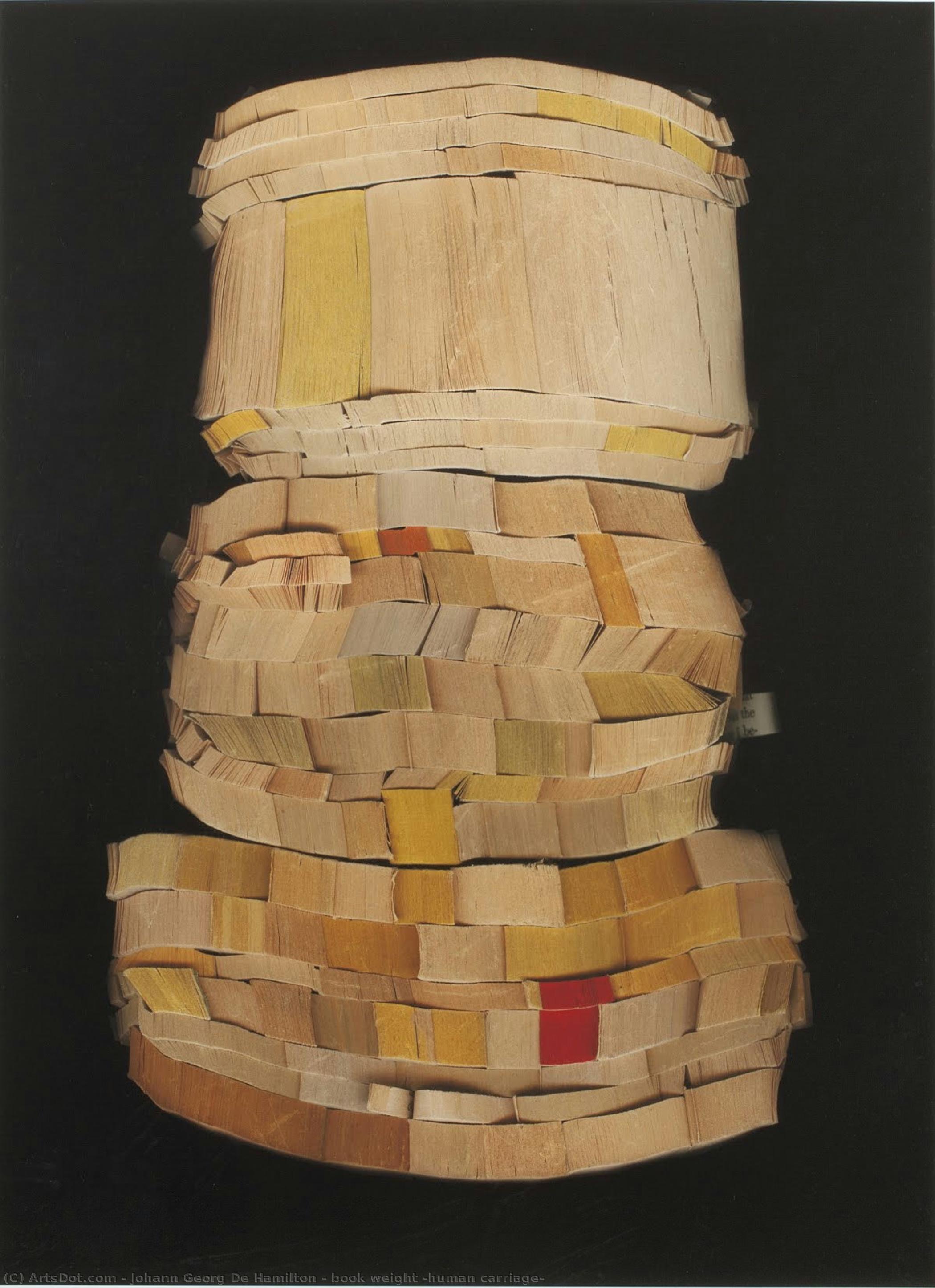
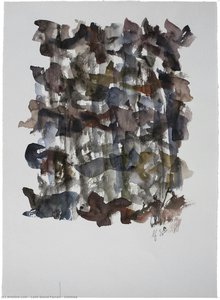
book weight (human carriage)


 Pročitaj više
Ručno rađena uljana reprodukcija
Ručno oslikano uljanim bojama na platnu u dimenzijama i okviru po vašem izboru, izrađeno po porudžbini od strane naših umetnika. ( Pređi na štampu Pređi na digitalnu sliku)




































Izaberite jednu od naših unapred definisanih veličina koje odgovaraju originalnim proporcijama umetničkog dela.

Можете унети сопствене димензије како бисте прилагодили дело одређеном оквиру или простору. Ако одабрана величина не одговара пропорцијама оригинала, слика ће бити исечена или проширена додатним елементима који се ручно насликавају. Дигитални prikaz ће вам бити послат на одобрење пре почетка производње.
Имајте на уму да преглед на екрану не одражава стварно исецање или проширење. Само приказ (mockup) ће тачно приказати коначну композицију.
Иако су доступне прилагођене величине, препоручујемо да одаберете димензију из дефинисане листе како бисте сачували оригиналне пропорције.
Nakon narudžbine, tim ArtsDot.com će klijentu putem e-pošte poslati uputstva i dostaviti prikaz predloženog rešenja
Isporuka širom sveta () za 3/4 nedelje umesto uobičajenih 5 nedelja. (9 септембар). Bez kompromisa po pitanju kvaliteta.

Besplatna ekspresna dostava širom sveta

Visokokvalitetno laneno platno

Kompletno osiguranje transporta

Garancija povraćaja carine i uvoznih dažbina

Garancija vernosti boja

Politika povraćaja u roku od 100 dana (isključivo u slučaju nedostataka)

Garancija povrata novca od 100%

Popust pri grupnoj kupovini
 Opcija sa staklom dostupna je samo za dimenzije manje od 110 cm

book weight (human carriage)
Tehnika reprodukcije
Dimenzije reprodukcije
-


Konačna cena
$ 263
Srodna umetnička dela
Biografija umetnika
A Life Dedicated to Equine Majesty: Johann Georg de Hamilton
Johann Georg de Hamilton, born in Munich in 1672, emerged from a family deeply rooted in the artistic traditions of the Southern Netherlands. His father, James de Hamilton, a Scottish painter who had settled in Brussels, instilled in his son a foundational understanding of painting techniques and an appreciation for visual detail. While James primarily focused on still life, Johann Georg would forge his own path, becoming celebrated for his dynamic depictions of horses and hunting scenes—a specialization that secured him a prominent position within the artistic circles of Central Europe. The early influence of his father’s meticulous approach is subtly visible in Johann Georg's later works; a keen attention to texture, light, and form characterizes even the most energetic compositions. He initially followed in his father’s footsteps but soon found himself drawn to the vibrant world of animal painting, particularly horses, which would become his signature subject matter.From Vienna to Berlin and Back: A Court Painter's Journey
De Hamilton’s career trajectory was one marked by service to noble patrons. In 1689, he entered the court in Vienna as a painter, establishing himself within the Habsburg artistic milieu. This appointment provided him with access to an elite clientele and opportunities to hone his skills under the patronage of Charles VI. However, his ambitions extended beyond the Viennese court, leading him to Berlin for a period before returning to Vienna around 1718. This peripatetic existence reflects not only professional aspirations but also the shifting political landscape of the era; artists often moved between courts seeking new commissions and favorable conditions. His brother Philipp Ferdinand de Hamilton, already established as a court painter to Joseph I, likely played a role in facilitating these transitions. The period away from Vienna allowed him to broaden his artistic horizons and refine his unique style, blending Flemish realism with Italianate dynamism.The "Viennese Wootton" and the Art of Hunting
Upon his return to Vienna, de Hamilton’s reputation solidified. He became known as “the Viennese Wootton,” a testament to his mastery of hunting scenes—a genre popularized by English artist Peter Wotten (Wootton). However, while drawing inspiration from Wootton's energetic compositions and narrative flair, de Hamilton developed a distinct aesthetic characterized by meticulous detail and a refined sense of color. His paintings weren’t merely records of aristocratic pursuits; they were celebrations of power, skill, and the natural world. He was commissioned to depict scenes involving the Emperor’s horses, particularly those bred at the prestigious Eisgrub stud (now Lednice), capturing their grace, strength, and noble bearing. These commissions not only showcased his artistic talent but also cemented his status as a favored court artist.A Baroque Legacy: Horses as Symbols of Status and Power
De Hamilton’s paintings are more than just beautiful representations of horses; they offer a glimpse into the aristocratic culture of 18th-century Europe. The meticulously adorned tack, the richly embroidered saddle blankets, and the expressive postures of both horse and rider all speak to a world steeped in status and ceremony. His focus on breeds like the Lipizzaner—renowned for their elegant movements and striking appearance—highlights the importance of equestrian pursuits as markers of social standing. He skillfully captured not only the physical beauty of these animals but also the skill and training required to master them, creating images that resonated with a discerning clientele. The use of round shapes and vibrant colors further enhances the visual appeal of his works, drawing the viewer into a world of opulence and refinement. His paintings often feature horses in “High School” jumps, demonstrating their prowess and the expertise of their owners.Historical Significance and Enduring Appeal
Johann Georg de Hamilton’s legacy lies in his ability to elevate animal painting to new heights of artistic expression. He combined Flemish realism with Italianate dynamism, creating works that were both technically masterful and emotionally engaging. His paintings provide valuable insights into the aristocratic culture of 18th-century Europe, showcasing the importance of horses as symbols of status, power, and skill. Though not as widely recognized as some of his contemporaries, de Hamilton’s work continues to captivate audiences with its meticulous detail, vibrant colors, and enduring sense of grace. His paintings remain a testament to his artistic talent and his dedication to capturing the majesty of the equine world—a legacy that ensures his place in art history.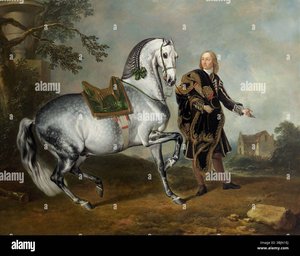
johann georg de hamilton
1672 - 1737 , Belgium
Osnovne informacije
- Artistic Movement Or Style: Baroque
- Artists Or Movements Influenced By This Artist: ['Georges de La Tour']
- Artists Who Influenced This Artist: ['James Hamilton']
- Date Of Birth: Brussels, Belgium (1672)
- Date Of Death: 1737
- Full Name: Johann Georg de Hamilton
- Nationality: Scottish
- Notable Artworks:
- Book Weight (Human Carriage)
- Portrait of a Piebald
- Place Of Birth: Belgium
Povezani članci

Echoes of Time: Exploring the Enduring Appeal & Historical Context of Vintage Art Prints
Explore the captivating world of vintage art prints! Discover their history, collecting tips & enduring appeal. Expert insights on chromolithography and building a legacy collection with ArtsDot.
Echoes of Time: Nostalgia, Technique & Cultural Significance in Vintage Paintings
Explore the captivating world of vintage paintings! Discover key styles, cultural significance & collecting tips from art experts at ArtsDot. Find authentic reproductions and elevate your home décor.
Echoes of Time: Exploring the Enduring Appeal of Vintage Artwork
Explore the captivating world of vintage art! Discover its history, enduring appeal, & how to build your own collection. Expert advice, custom reproductions & museum-quality prints at ArtsDot.
18th Century Masters: 10 Artworks That Define an Era | ArtsDot
Journey through 18th century art! Explore 10 iconic paintings – from Rococo elegance to Neoclassical grandeur. Discover Fragonard, David & more. Find museum-quality reproductions and elevate your home decor on ArtsDot.com.
Echoes of Eras Past: Exploring Themes & Techniques in Vintage Art Collections
Explore the captivating world of vintage art! Discover historical movements, iconic themes & collecting tips. Find handmade reproductions & expert appraisal at ArtsDot.