

 Pošalji
 Podeli
 Detalji o delu

 Преузми
 Slični predmeti
 Slajdovi
 Statistika
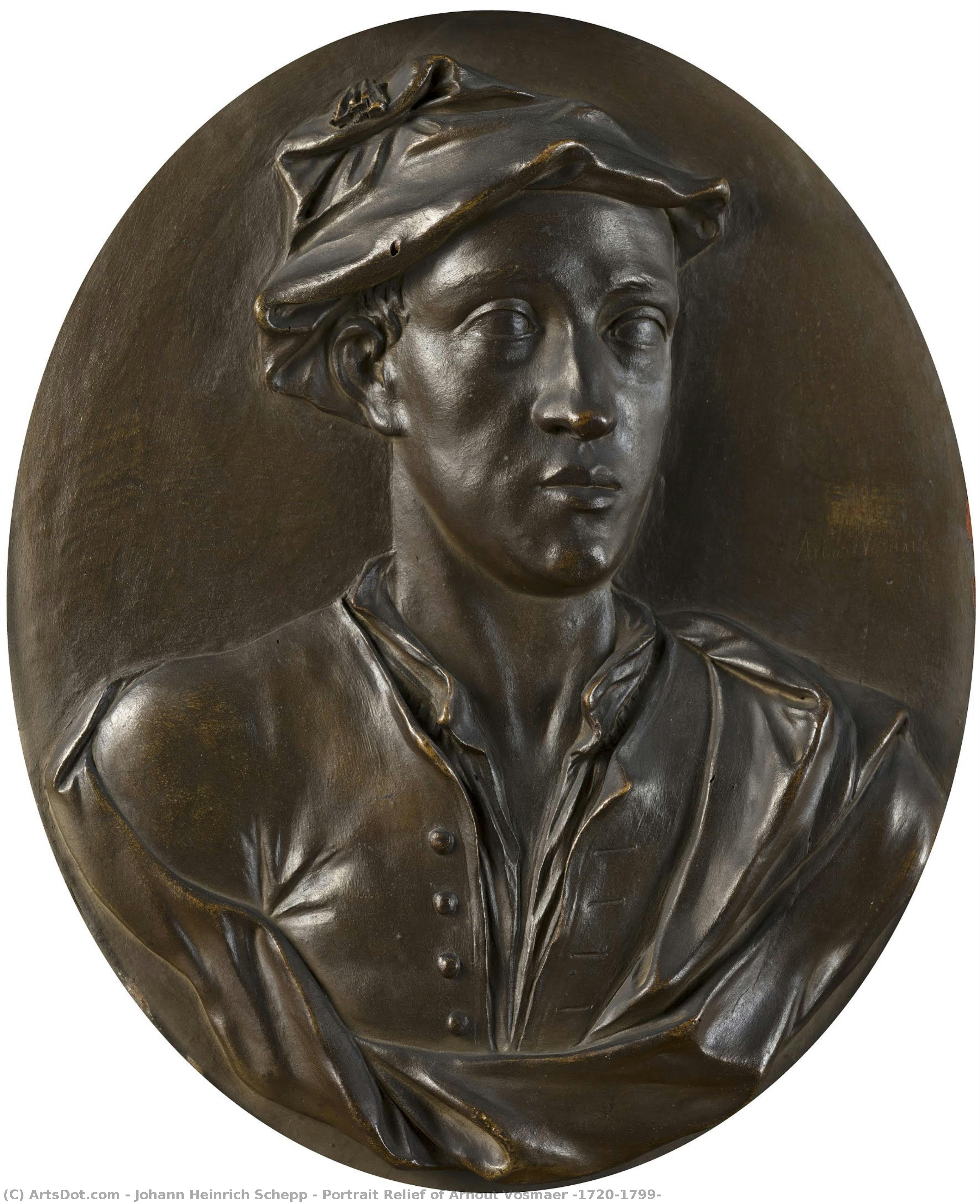
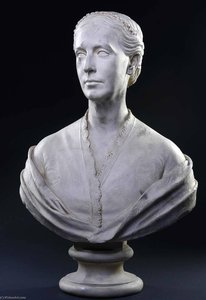
Portrait Relief of Arnout Vosmaer (1720-1799)


 Pročitaj više
Kupite digitalnu sliku visoke rezolucije i poboljšanog kvaliteta, koja je znatno superiornija od onoga što vidite u online prikazu.
Svaka datoteka je pedantno pripremljena od strane naših stručnjaka koristeći napredne alate i profesionalnu ručnu retušu. Osiguravamo da svaka slika ima izuzetnu oštrinu, preciznu reprodukciju boja i fine detalje.
Konačna datoteka se dostavlja putem e-pošte u roku od 72 sata, optimizovana za neposrednu upotrebu u profesionalnim, izdavačkim i štamparskim okruženjima. To je isti kvalitet kojem veruju vrhunski studiji dizajna, izdavači i galerije.
Digitalna slika
Preuzmite datoteku visoke rezolucije za ličnu upotrebu, štampanje i kreativne projekte. ( Pređi na štampu Kupi ručno naslikanu sliku)
Uključeno uz svaku porudžbinu digitalne slike
Profesionalna digitalna isporuka, zagarantovana
Kada odaberete ArtsDot.com, ne dobijate samo sliku – vi primate profesionalno unapređeno digitalno umetničko delo, izrađeno sa najvećom preciznošću i uz garanciju zadovoljstva. Evo svega što automatski dolazi uz vašu porudžbinu:

Brza dostava putem e-pošte
Vaša digitalna slika visoke rezolucije biće vam poslata putem e-pošte u roku od 72 sata od poručivanja – spremna za trenutnu upotrebu.

Digitalna datoteka unapređena veštačkom inteligencijom
Vaše umetničko delo je profesionalno optimizovano korišćenjem naprednih AI alata i ručne obrade, čime se osiguravaju maksimalni detalji, oštrina i preciznost boja.

Besplatna ponovna isporuka doživotno
Slučajno ste obrisali ili izgubili svoju datoteku? Ne brinite – poslaćemo vam je ponovo u bilo kom trenutku, potpuno besplatno.

Bez troškova uvoza – zauvek
Uživajte u svojim umetničkim delima trenutno, bez carine, dažbina ili troškova dostave – digitalni download je uvek bez poreza.

Garancija vernosti boja
Uz pomoć profesionalnih alata i upravljanja bojama, osiguravamo da vaša digitalna slika što vernije odražava originalne boje.

Garancija zadovoljstva od 100 dana
Ako niste zadovoljni svojom digitalnom slikom, izvršićemo reviziju ili ćemo vam vratiti 100% novca u roku od 100 dana – bez ikakvih pitanja.

100% garancija povrata novca
Niste zadovoljni? Dobijte puni povraćaj novca u roku od 100 dana od prijema digitalne datoteke – bez suvišnih pitanja.

Popusti na velike porudžbine
Kupite 3 slike, uštedite 10% - Kupite 5 slika, uštedite 15% - Kupite 10+ slika, uštedite 20%. Odlično za kreativne projekte, galerije i agencije.
A Glimpse into Dutch Aristocracy: The Portrait Relief of Arnout Vosmaer
Johann Heinrich Schepp’s “Portrait Relief of Arnout Vosmaer (1720-1799),” created in 1772, offers a compelling window into the world of 18th-century Dutch aristocracy. More than just a likeness, this remarkable terracotta relief captures the essence of a man – Arnout Vosmaer – a figure of considerable standing within his society. Housed within the esteemed Mauritshuis in The Hague, Netherlands, the work stands as a testament to Schepp’s skill and the enduring power of portraiture. It's a piece that invites contemplation on notions of status, character, and the artistry of capturing human presence in three dimensions.The Artist and His Craft: Johann Heinrich Schepp
Born in Hamburg in 1702, Johann Heinrich Schepp emerged as a prominent German sculptor whose career flourished throughout the 18th century. While perhaps not as universally recognized today as some of his contemporaries, Schepp’s contributions to German art are significant, particularly his ability to imbue portraiture with both realism and psychological depth. His work reflects the artistic sensibilities of the era – a period characterized by a growing interest in individual expression and a move away from purely formal representations. Schepp's skill is evident not only in this relief but also in other notable works such as those found at the Museum Monastery Church in Ettal, Germany, demonstrating his versatility across various sculptural forms. He possessed a keen eye for detail, translating it into tangible form with remarkable precision. The portrait of Vosmaer exemplifies this talent; every line etched on the man’s face, every fold in his clothing, speaks to Schepp's meticulous approach and dedication to capturing a true likeness.A Portrait of Character: Arnout Vosmaer and His Time
Arnout Vosmaer (1720-1799) was a prominent figure within Dutch society, and this portrait relief serves as a visual record of his presence. The man depicted exudes an air of quiet authority; his gaze is direct, almost stern, suggesting intelligence and perhaps a certain reserve. He wears a hat and clothing typical of the period, indicative of his social standing. The choice to render him in relief—a three-dimensional form projecting from a background—adds weight and gravitas to the portrait. This technique was often employed for commemorating important individuals, elevating their image beyond a simple two-dimensional representation. The historical context is crucial: 1772 falls within a period of relative stability and prosperity for the Dutch Republic, though political tensions were brewing that would eventually lead to significant changes in the coming decades. Vosmaer’s portrait reflects this era of measured confidence and established social hierarchies.The Art of Relief Sculpture and its Emotional Resonance
Schepp's choice of terracotta as his medium further enhances the work's character. The warm, earthy tones of the clay lend a sense of timelessness to the piece, evoking a feeling of antiquity. Relief sculpture, unlike fully three-dimensional statues, requires a unique mastery of light and shadow to create depth and form. Schepp skillfully manipulates these elements, using subtle gradations to define Vosmaer’s features and clothing. The result is a portrait that feels both tangible and imbued with an inner life. The emotional impact lies in the quiet dignity conveyed by Vosmaer's expression and posture. It’s not a flamboyant or overtly expressive portrayal; rather, it’s a study of character—a glimpse into the soul of a man who occupied a position of influence within his community. The relief invites viewers to contemplate not only Vosmaer himself but also the values and aspirations of the society he represented.Srodna umetnička dela


Biografija umetnika
early life and career
johann heinrich schepp, a prominent german sculptor, was born in hamburg in 1702 and passed away in 1776. his life's work is a testament to his mastery of sculpture, which defined the artistic landscape of 18th century germany.notable works
one of schepp's most notable works is the portrait relief of arnout vosmaer (1720-1799), created in 1772. this piece showcases his skill in capturing the essence of his subjects, much like anselm feuerbach's works featured at schackgalerie in munich, germany (discovering the art of late romanticism at schackgalerie, munich).contribution to german art
schepp's contributions to german art are undeniable. his sculptures, like the museum monastery church (ettal, germany), not only reflect his technical prowess but also provide a glimpse into the cultural and historical context of 18th century germany (the museum monastery church (ettal, germany)).legacy
- his work has been featured in various museums, including the mauritshuis in the hague, netherlands (johann heinrich schepp: portrait relief of arnout vosmaer (1720-1799), sculpture, view on ArtsDot).
- his influence can be seen in the works of other german sculptors, such as franz bernhard schuller (franz bernhard schuller, view on ArtsDot).
- schepp's legacy continues to inspire artists and art enthusiasts alike, with his work remaining a vital part of german art history.
conclusion
johann heinrich schepp's impact on the world of sculpture is undeniable. through his works, he has provided a window into 18th century germany, showcasing his mastery of the craft. as an integral part of german art history, his legacy will continue to inspire and influence artists for generations to come.- view more of johann heinrich schepp's work on ArtsDot: johann heinrich schepp | ArtsDot
- explore german art and its history: german art on wikipedia
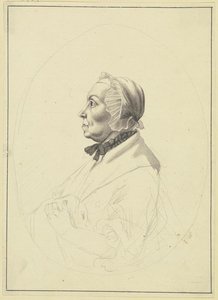
johann heinrich schepp
1702 - 1776 , Germany
Kratke činjenice
- Artistic Movement Or Style: Orientalism, Pastel, Rococo
- Artists Or Movements Influenced By This Artist:
- Francesco Zuccarelli
- Samuel Scott
- Artists Who Influenced This Artist:
- Daniel Gardelle
- Jean-Baptiste Massé
- Date Of Birth: December 22, 1702
- Date Of Death: June 12, 1789
- Full Name: Jean-Étienne Liotard
- Nationality: Swiss/French
- Notable Artworks:
- Cadmus Killing Dragon
- Portrait of Voltaire
- Finding Moses
- Place Of Birth: Geneva, Switzerland