

 Pregledaj u prostoru
 Pošalji
 Podeli
 Detalji o delu

 Преузми
 Slični predmeti
 Rendgenski snimak
 Slajdovi
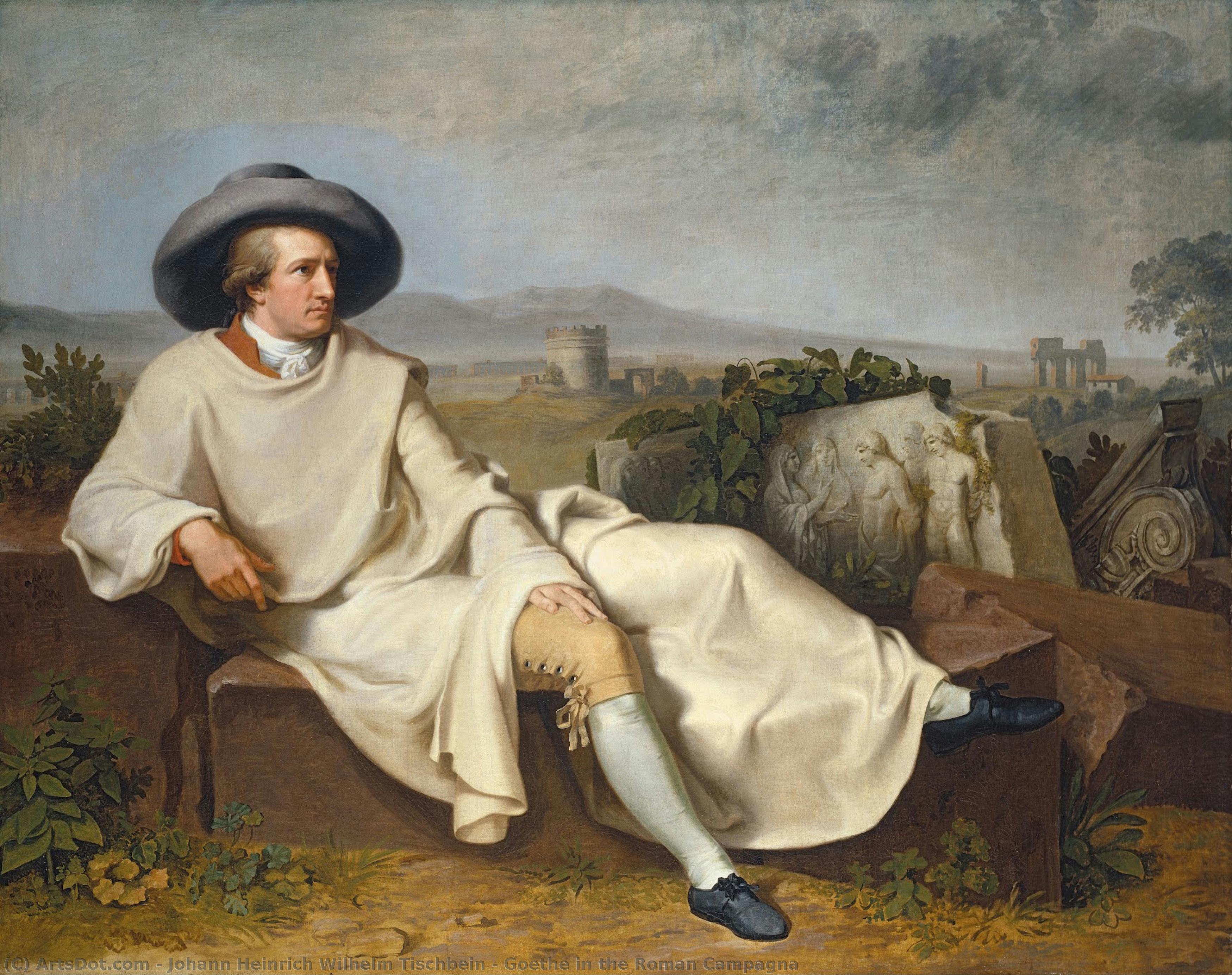
Goethe in the Roman Campagna
 Oil On Canvas
- WallArt
- Neoclassicism
 1787
1787 206.0 x 164.0 cm
 Städel Museum
 Pročitaj više
Ručno rađena uljana reprodukcija
Ručno oslikano uljanim bojama na platnu u dimenzijama i okviru po vašem izboru, izrađeno po porudžbini od strane naših umetnika. ( Kupi print Kupi digitalnu sliku)




P118B $10

P118H $10

P118W $10

P438Z $10

P508JH $12

P508YH $12

P805H $10

P805Z $10

P919BZ $10

P919G $10

P919XJ $10

P959ZH $10

P968JZ $12

W106C $8

W218G $10

W218JH $8

W218Y $10

W307PJ $10

W316G $10

W316PJ $8

W316Y $10

W398PJ $8

W4111J $10

W500HY $15

W500JH $15

W692G $12

W849H $8

W940BG $15

W953PJ $8




Izaberite jednu od naših unapred definisanih veličina koje odgovaraju originalnim proporcijama umetničkog dela.

Можете унети сопствене димензије како бисте прилагодили дело одређеном оквиру или простору. Ако одабрана величина не одговара пропорцијама оригинала, слика ће бити исечена или проширена додатним елементима који се ручно насликавају. Дигитални prikaz ће вам бити послат на одобрење пре почетка производње.
Имајте на уму да преглед на екрану не одражава стварно исецање или проширење. Само приказ (mockup) ће тачно приказати коначну композицију.
Иако су доступне прилагођене величине, препоручујемо да одаберете димензију из дефинисане листе како бисте сачували оригиналне пропорције.
Nakon narudžbine, tim ArtsDot.com će klijentu putem e-pošte poslati uputstva i dostaviti prikaz predloženog rešenja
Isporuka širom sveta () za 3/4 nedelje umesto uobičajenih 5 nedelja. (31 август). Bez kompromisa po pitanju kvaliteta.

Besplatna ekspresna dostava širom sveta

Visokokvalitetno laneno platno

Kompletno osiguranje transporta

Garancija povraćaja carine i uvoznih dažbina

Garancija vernosti boja

Politika povrata u roku od 60 dana (samo u slučaju nedostataka)

Garancija povrata novca od 100%

Popust pri grupnoj kupovini
 Opcija sa staklom dostupna je samo za dimenzije manje od 110 cm

Goethe in the Roman Campagna
Tehnika reprodukcije
Dimenzije reprodukcije
-


Konačna cena
$ 263
Johann Heinrich Wilhelm Tischbein’s Goethe in the Roman Campagna: A Portrait of Enlightenment
The painting “Goethe in the Roman Campagna,” executed by Johann Heinrich Wilhelm Tischbein in 1787, stands as a cornerstone of Neoclassical portraiture and embodies the spirit of intellectual curiosity that defined the era. More than just a likeness of Johann Wolfgang von Goethe—Germany’s most celebrated poet and playwright—the artwork is a meticulously crafted meditation on observation, contemplation, and the intersection between art and philosophy. Tischbein's masterful depiction captures not merely physical appearance but also an inner state of serene thoughtfulness, reflecting Goethe’s profound engagement with the natural world during his travels in Italy.Style and Technique: The Language of Order
Tischbein adhered rigorously to the principles of Neoclassicism, a movement that sought inspiration from classical antiquity—specifically ancient Greece and Rome—rejecting the ornate excesses of Baroque art. This stylistic commitment is evident in every aspect of the composition. Geometric precision dominates both figure and landscape, mirroring the ideals of rationality and balance championed by thinkers like Voltaire and Rousseau. Brushstrokes are smooth and deliberate, conveying a sense of controlled elegance and reflecting Tischbein’s meticulous attention to detail. The artist skillfully employs chiaroscuro—the dramatic interplay of light and shadow—to sculpt Goethe's form against the backdrop of the Roman countryside, enhancing depth and creating an illusionistic effect that draws the viewer into the scene. Oil paints on canvas provide a rich surface texture, subtly hinting at the materiality of the subject matter.Historical Context: Weimar’s Intellectual Renaissance
“Goethe in the Roman Campagna” emerged during Weimar’s Golden Age—a period of unprecedented cultural flourishing under Johann Wilhelm Ernst Goethe (no relation to the poet), Tischbein's patron and ruler. This era witnessed a resurgence of interest in classical learning, fueled by humanist scholarship and driven by a desire to emulate the grandeur of antiquity. Goethe himself was deeply immersed in philosophical debates concerning reason versus emotion, and Tischbein’s portrait reflects this intellectual preoccupation. The painting served as a visual testament to Goethe's formative experiences—his immersion in Italian art and literature—solidifying his reputation as a champion of Enlightenment ideals.Symbolism: Landscape as Reflection
The Roman Campagna—the fertile plains surrounding Rome—functions symbolically as more than just a scenic backdrop; it represents the source of inspiration for Goethe’s artistic endeavors. The landscape embodies tranquility, beauty, and intellectual stimulation – qualities that Tischbein sought to convey through his depiction. Goethe's seated posture suggests contemplation and observation, mirroring the artist’s own approach to capturing the essence of his subject. Furthermore, the classical setting underscores the overarching theme of humanist values—a belief in human reason and potential—characteristic of the Enlightenment period.Emotional Impact: Dignified Reflection
Ultimately, “Goethe in the Roman Campagna” transcends mere representation; it communicates a profound emotional resonance. Tischbein’s portrayal captures Goethe's inner serenity and intellectual engagement with remarkable sensitivity. The painting invites viewers to contemplate the beauty of observation and the importance of cultivating a contemplative spirit—themes that continue to resonate powerfully today. It stands as an enduring emblem of artistic excellence and intellectual curiosity, securing its place within the canon of Neoclassical portraiture.Srodna umetnička dela

Biografija umetnika
early life and training
johann heinrich wilhelm tischbein, known as the goethe tischbein, was a german painter from the tischbein family of artists. born on february 15, 1751, in haina, germany, tischbein's life was marked by an innate passion for art. he received his early training under the guidance of johann heinrich tischbein the elder, a prominent figure in the german art scene.artistic career and notable works
tischbein's artistic career was characterized by his mastery of portraiture, as evident in his famous work portrait of johann wolfgang von goethe in the roman campagna. this piece not only showcases tischbein's skill but also highlights his connection to the renowned german writer and statesman. other notable works include:- paris with the apple, a painting that reflects tischbein's fascination with the french art scene.
- helen and menelaus, a piece that demonstrates his ability to capture mythological themes with elegance.
- ajax and cassandra, showcasing tischbein's versatility in depicting dramatic scenes.
legacy and influence
tischbein's contributions to german art are undeniable. his work has been featured in various museums, including the schackgalerie in munich, which is dedicated to late romanticism. this museum, with its extraordinary collection of paintings, offers a unique insight into 19th-century german art.personal life and later years
tischbein passed away on june 26, 1829, in eutin, germany. his legacy continues to inspire artists and art enthusiasts alike, with his work remaining a testament to the enduring power of german art during the late romantic period. key points:- tischbein was born on february 15, 1751, in haina, germany.
- he received training under johann heinrich tischbein the elder.
- notable works include portrait of johann wolfgang von goethe in the roman campagna, paris with the apple, and ajax and cassandra.
- tischbein's work is featured in the schackgalerie in munich.
- he passed away on june 26, 1829, in eutin, germany.
- view tischbein's artworks on ArtsDot: [https://ArtsDot.com/@/johann heinrich wilhelm tischbein](https://ArtsDot.com/@/johann heinrich wilhelm tischbein)
- explore the schackgalerie in munich: /en/art/show/art-d3bffr-en/
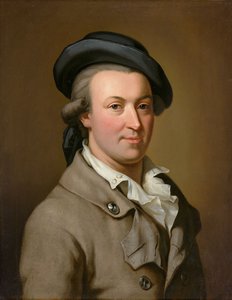
johann heinrich wilhelm tischbein
1751 - 1829 , Germany
Osnovne informacije
- Artistic Movement Or Style: English School; Moral & Satirical Engravings/Paintings
- Artists Or Movements Influenced By This Artist:
- Romantic Literature
- Caricature
- Artists Who Influenced This Artist:
- Nicolas Poussin
- Jan Vermeer
- Date Of Birth: November 5, 1697
- Date Of Death: October 26, 1764
- Full Name: William Hogarth
- Nationality: British
- Notable Artworks:
- Beer Street
- Gin Lane
- Marriage A-la-Mode
- Industry and Idleness
- Place Of Birth: London, England
Povezani članci
18th Century Masters: 10 Artworks That Define an Era | ArtsDot
Journey through 18th century art! Explore 10 iconic paintings – from Rococo elegance to Neoclassical grandeur. Discover Fragonard, David & more. Find museum-quality reproductions and elevate your home decor on ArtsDot.com.
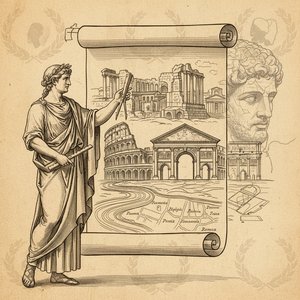
Bartolomeo Pinelli: Neoclassical Linearity & Roman Topography of Memory
Explore the captivating world of Bartolomeo Pinelli, a master Italian engraver renowned for his evocative Roman scenes & historical narratives. Discover his art and legacy with ArtsDot.
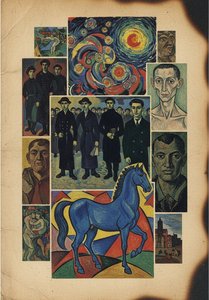
German Expressionism's 10 Defining Masterpieces | Art for Your Home
Explore 10 defining German Expressionism masterpieces – from Munch's 'The Scream' to Kandinsky’s abstracts. Discover the artists, stories & bold colors behind this powerful art movement. Find museum-quality reproductions at ArtsDot.com.
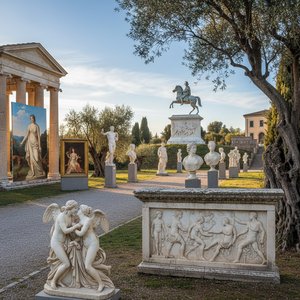
Najboljih 10 Neoklasičkih Remek-Dela: Umetnoska Istorija i Luksuzni Dekor
Otkrijte 10 remek dela neoklasicizma! Istražite David, Jacques-Louis David i druge genijalce. Umetnoska istorija i inspiracija za luksuzni enterijer. Kupite reprodukcije vrhunskog kvaliteta na ArtsDot.com!
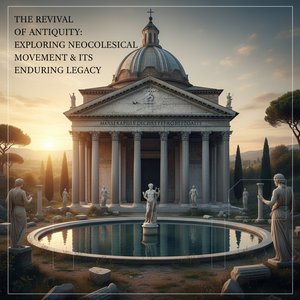
The Revival of Antiquity: Exploring the Neoclassical Movement & its Enduring Legacy
Explore the revival of classical art with our deep dive into Neoclassicism! Discover key artists like Jacques-Louis David, Enlightenment influences & lasting impact on art history. High-quality reproductions at ArtsDot.

