

 Pregledaj u prostoru
 Pošalji
 Podeli
 Detalji o delu

 Преузми
 Slični predmeti
 Rendgenski snimak
 Slajdovi
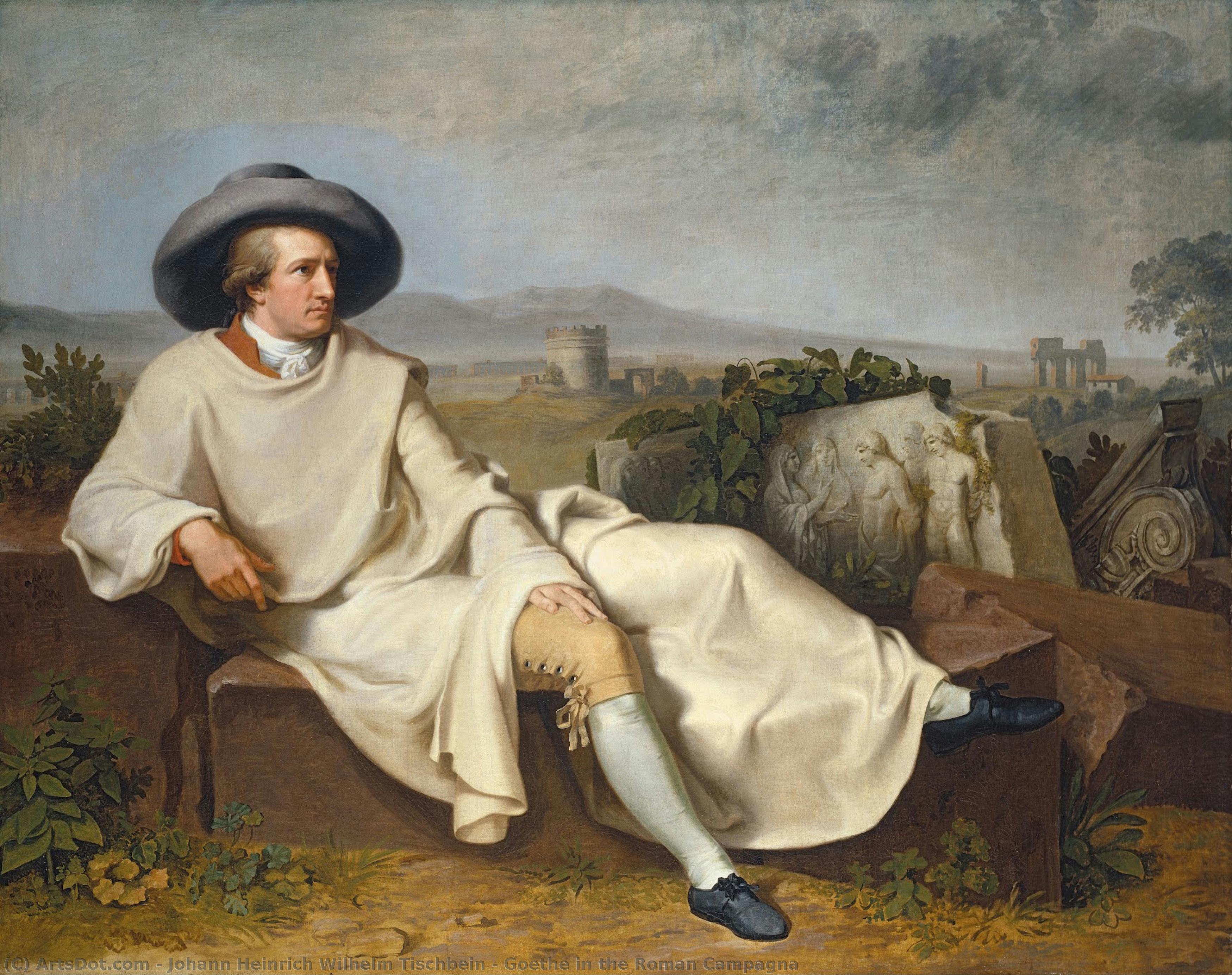
Goethe in the Roman Campagna
 Oil On Canvas
- WallArt
- Neoclassicism
 1787
1787 206.0 x 164.0 cm
 Städel Museum
 Pročitaj više
Kupite digitalnu sliku visoke rezolucije i poboljšanog kvaliteta, koja je znatno superiornija od onoga što vidite u online prikazu.
Svaka datoteka je pedantno pripremljena od strane naših stručnjaka koristeći napredne alate i profesionalnu ručnu retušu. Osiguravamo da svaka slika ima izuzetnu oštrinu, preciznu reprodukciju boja i fine detalje.
Konačna datoteka se dostavlja putem e-pošte u roku od 72 sata, optimizovana za neposrednu upotrebu u profesionalnim, izdavačkim i štamparskim okruženjima. To je isti kvalitet kojem veruju vrhunski studiji dizajna, izdavači i galerije.
Digitalna slika
Preuzmite datoteku visoke rezolucije za ličnu upotrebu, štampanje i kreativne projekte. ( Kupi print Kupi ručno naslikanu sliku)
Uključeno uz svaku porudžbinu digitalne slike
Profesionalna digitalna isporuka, zagarantovana
Kada odaberete ArtsDot.com, ne dobijate samo sliku – vi primate profesionalno unapređeno digitalno umetničko delo, izrađeno sa najvećom preciznošću i uz garanciju zadovoljstva. Evo svega što automatski dolazi uz vašu porudžbinu:

Brza dostava putem e-pošte
Vaša digitalna slika visoke rezolucije biće vam poslata putem e-pošte u roku od 72 sata od poručivanja – spremna za trenutnu upotrebu.

Digitalna datoteka unapređena veštačkom inteligencijom
Vaše umetničko delo je profesionalno optimizovano korišćenjem naprednih AI alata i ručne obrade, čime se osiguravaju maksimalni detalji, oštrina i preciznost boja.

Besplatna ponovna isporuka doživotno
Slučajno ste obrisali ili izgubili svoju datoteku? Ne brinite – poslaćemo vam je ponovo u bilo kom trenutku, potpuno besplatno.

Bez troškova uvoza – zauvek
Uživajte u svojim umetničkim delima trenutno, bez carine, dažbina ili troškova dostave – digitalni download je uvek bez poreza.

Garancija vernosti boja
Uz pomoć profesionalnih alata i upravljanja bojama, osiguravamo da vaša digitalna slika što vernije odražava originalne boje.

Garancija zadovoljstva u roku od 60 dana
Ako niste zadovoljni svojom digitalnom slikom, revidirat ćemo je ili vratiti 100% novca u roku od 60 dana – bez ikakvih pitanja.

100% garancija povrata novca
Niste zadovoljni? Obezbedite pun povrat novca u roku od 60 dana od trenutka kada ste primili svoju digitalnu datoteku – bez suvišnih pitanja.

Popusti na velike porudžbine
Kupite 3 slike, uštedite 10% - Kupite 5 slika, uštedite 15% - Kupite 10+ slika, uštedite 20%. Odlično za kreativne projekte, galerije i agencije.
Johann Heinrich Wilhelm Tischbein’s Goethe in the Roman Campagna: A Portrait of Enlightenment
The painting “Goethe in the Roman Campagna,” executed by Johann Heinrich Wilhelm Tischbein in 1787, stands as a cornerstone of Neoclassical portraiture and embodies the spirit of intellectual curiosity that defined the era. More than just a likeness of Johann Wolfgang von Goethe—Germany’s most celebrated poet and playwright—the artwork is a meticulously crafted meditation on observation, contemplation, and the intersection between art and philosophy. Tischbein's masterful depiction captures not merely physical appearance but also an inner state of serene thoughtfulness, reflecting Goethe’s profound engagement with the natural world during his travels in Italy.Style and Technique: The Language of Order
Tischbein adhered rigorously to the principles of Neoclassicism, a movement that sought inspiration from classical antiquity—specifically ancient Greece and Rome—rejecting the ornate excesses of Baroque art. This stylistic commitment is evident in every aspect of the composition. Geometric precision dominates both figure and landscape, mirroring the ideals of rationality and balance championed by thinkers like Voltaire and Rousseau. Brushstrokes are smooth and deliberate, conveying a sense of controlled elegance and reflecting Tischbein’s meticulous attention to detail. The artist skillfully employs chiaroscuro—the dramatic interplay of light and shadow—to sculpt Goethe's form against the backdrop of the Roman countryside, enhancing depth and creating an illusionistic effect that draws the viewer into the scene. Oil paints on canvas provide a rich surface texture, subtly hinting at the materiality of the subject matter.Historical Context: Weimar’s Intellectual Renaissance
“Goethe in the Roman Campagna” emerged during Weimar’s Golden Age—a period of unprecedented cultural flourishing under Johann Wilhelm Ernst Goethe (no relation to the poet), Tischbein's patron and ruler. This era witnessed a resurgence of interest in classical learning, fueled by humanist scholarship and driven by a desire to emulate the grandeur of antiquity. Goethe himself was deeply immersed in philosophical debates concerning reason versus emotion, and Tischbein’s portrait reflects this intellectual preoccupation. The painting served as a visual testament to Goethe's formative experiences—his immersion in Italian art and literature—solidifying his reputation as a champion of Enlightenment ideals.Symbolism: Landscape as Reflection
The Roman Campagna—the fertile plains surrounding Rome—functions symbolically as more than just a scenic backdrop; it represents the source of inspiration for Goethe’s artistic endeavors. The landscape embodies tranquility, beauty, and intellectual stimulation – qualities that Tischbein sought to convey through his depiction. Goethe's seated posture suggests contemplation and observation, mirroring the artist’s own approach to capturing the essence of his subject. Furthermore, the classical setting underscores the overarching theme of humanist values—a belief in human reason and potential—characteristic of the Enlightenment period.Emotional Impact: Dignified Reflection
Ultimately, “Goethe in the Roman Campagna” transcends mere representation; it communicates a profound emotional resonance. Tischbein’s portrayal captures Goethe's inner serenity and intellectual engagement with remarkable sensitivity. The painting invites viewers to contemplate the beauty of observation and the importance of cultivating a contemplative spirit—themes that continue to resonate powerfully today. It stands as an enduring emblem of artistic excellence and intellectual curiosity, securing its place within the canon of Neoclassical portraiture.Srodna umetnička dela

Biografija umetnika
early life and training
johann heinrich wilhelm tischbein, known as the goethe tischbein, was a german painter from the tischbein family of artists. born on february 15, 1751, in haina, germany, tischbein's life was marked by an innate passion for art. he received his early training under the guidance of johann heinrich tischbein the elder, a prominent figure in the german art scene.artistic career and notable works
tischbein's artistic career was characterized by his mastery of portraiture, as evident in his famous work portrait of johann wolfgang von goethe in the roman campagna. this piece not only showcases tischbein's skill but also highlights his connection to the renowned german writer and statesman. other notable works include:- paris with the apple, a painting that reflects tischbein's fascination with the french art scene.
- helen and menelaus, a piece that demonstrates his ability to capture mythological themes with elegance.
- ajax and cassandra, showcasing tischbein's versatility in depicting dramatic scenes.
legacy and influence
tischbein's contributions to german art are undeniable. his work has been featured in various museums, including the schackgalerie in munich, which is dedicated to late romanticism. this museum, with its extraordinary collection of paintings, offers a unique insight into 19th-century german art.personal life and later years
tischbein passed away on june 26, 1829, in eutin, germany. his legacy continues to inspire artists and art enthusiasts alike, with his work remaining a testament to the enduring power of german art during the late romantic period. key points:- tischbein was born on february 15, 1751, in haina, germany.
- he received training under johann heinrich tischbein the elder.
- notable works include portrait of johann wolfgang von goethe in the roman campagna, paris with the apple, and ajax and cassandra.
- tischbein's work is featured in the schackgalerie in munich.
- he passed away on june 26, 1829, in eutin, germany.
- view tischbein's artworks on ArtsDot: [https://ArtsDot.com/@/johann heinrich wilhelm tischbein](https://ArtsDot.com/@/johann heinrich wilhelm tischbein)
- explore the schackgalerie in munich: /en/art/show/art-d3bffr-en/
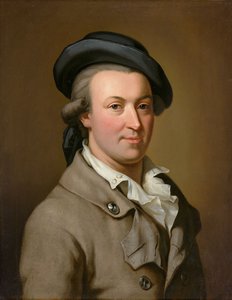
johann heinrich wilhelm tischbein
1751 - 1829 , Germany
Kratke činjenice
- Artistic Movement Or Style: English School; Moral & Satirical Engravings/Paintings
- Artists Or Movements Influenced By This Artist:
- Romantic Literature
- Caricature
- Artists Who Influenced This Artist:
- Nicolas Poussin
- Jan Vermeer
- Date Of Birth: November 5, 1697
- Date Of Death: October 26, 1764
- Full Name: William Hogarth
- Nationality: British
- Notable Artworks:
- Beer Street
- Gin Lane
- Marriage A-la-Mode
- Industry and Idleness
- Place Of Birth: London, England

