

 Pregledaj u prostoru
 Pošalji
 Podeli
 Detalji o delu

 Преузми
 Slični predmeti
 Rendgenski snimak
 Slajdovi
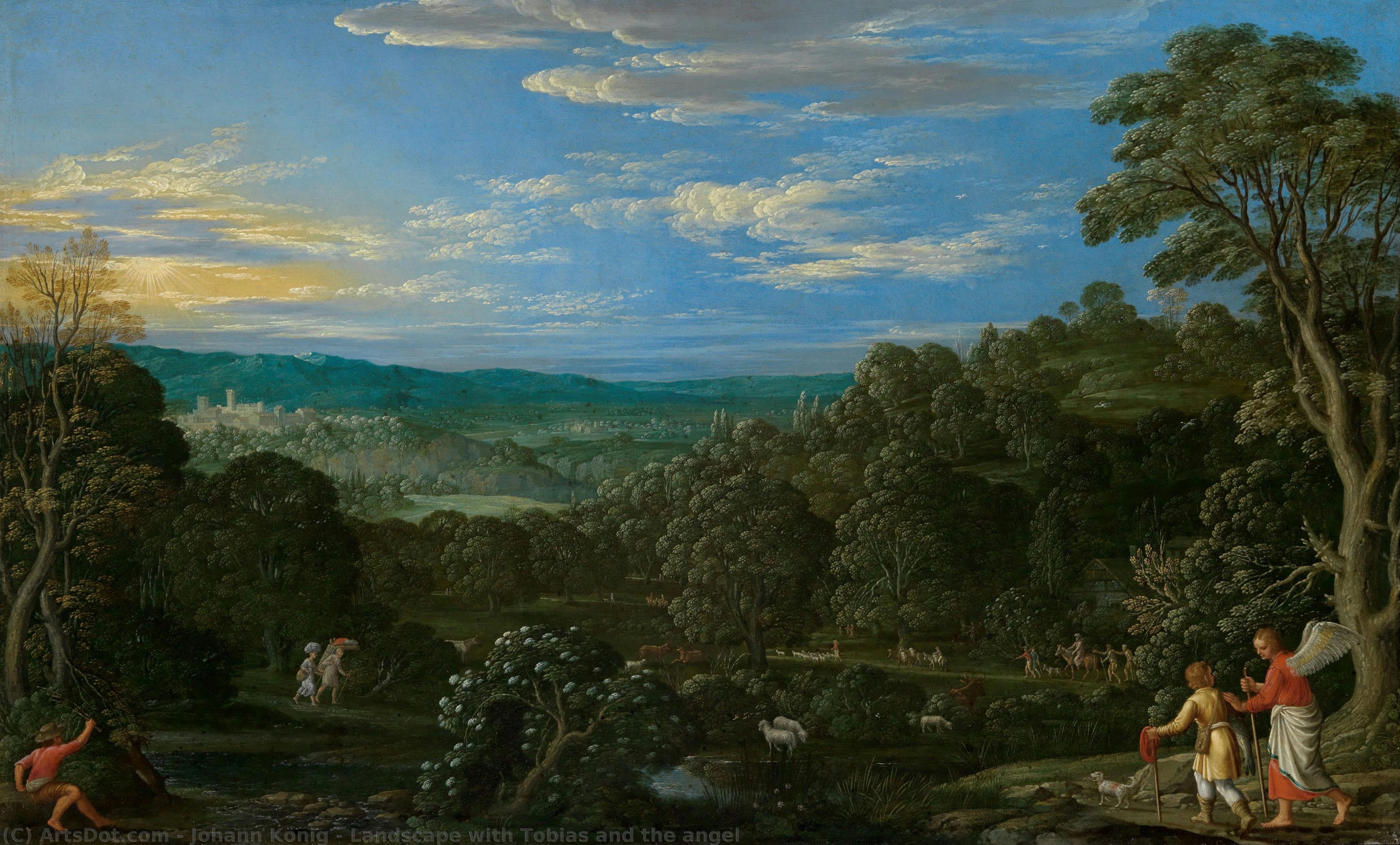
Landscape with Tobias and the angel
 1630
1630 30.0 x 50.0 cm
 Staatliche Kunsthalle Karlsruhe
 Pročitaj više
Giclee štampa / Umetnički otisak
Giclée štampa ili print na platnu muzejskog kvaliteta uz brzu proizvodnju i fleksibilne opcije završne obrade. ( Kupi ručno naslikanu sliku Kupi digitalnu sliku)




































Izaberite jednu od naših unapred definisanih veličina koje odgovaraju originalnim proporcijama umetničkog dela.

Možete uneti sopstvene dimenzije kako biste umetničko delo prilagodili specifičnom okviru ili prostoru. Ako odabrani format ne odgovara proporcijama originalne slike, mi ćemo ili iscrtati deo dela ili proširiti sliku pomoću ogledane ivice ili jednobojnog popunjavanja. Digitalni prikaz će vam biti poslat na odobrenje pre početka proizvodnje.
Imajte na umu da pregled na ekranu ne odražava stvarno iscrtavanje ili proširivanje. Samo će prikaz (mockup) precizno pokazati finalnu kompoziciju.
Iako su prilagođene dimenzije dostupne, preporučujemo da odaberete dimenziju sa unapred definisane liste kako biste očuvali originalne proporcije.
Dostava širom sveta () za 2 nedelje umesto uobičajenih 4/5 nedelja. (27 август)

Besplatna ekspresna dostava širom sveta

Visokokvalitetno laneno platno

Kompletno osiguranje transporta

Garancija povraćaja carine i uvoznih dažbina

Garancija vernosti boja

Politika povrata u roku od 60 dana (samo u slučaju nedostataka)

Garancija povrata novca od 100%

Popust pri grupnoj kupovini
 Opcija sa staklom dostupna je samo za dimenzije manje od 110 cm

Landscape with Tobias and the angel
Giclee štampa / Umetnički otisak
Dimenzije reprodukcije
-


Konačna cena
$ 62
Opis predmeta
Srodna umetnička dela







Biografija umetnika
The Luminous Miniature: The Life and Legacy of Johann König
In the twilight of the Renaissance and the dawn of the Baroque, a period defined by dramatic shifts in light and shadow, the German painter Johann König carved out a niche of extraordinary intimacy. Born in Nuremberg around 1586, König emerged from a world where the meticulous precision of goldsmithing met the burgeoning expressive freedom of the seventeenth century. As the son of the goldsmith Arnold König, his early exposure to fine craftsmanship likely laid the foundation for his later mastery of the small-scale medium. His artistic journey was not merely one of technical skill but a profound engagement with the great masters of his era, creating works that functioned as windows into both the divine and the natural world.
König’s development was deeply shaped by his travels through the artistic heartlands of Europe. Between 1610 and 1614, his presence in Venice and Rome allowed him to breathe the same air as the masters who were redefining European aesthetics. It was in Rome that he encountered the hauntingly beautiful works of Adam Elsheimer, a connection that would become the cornerstone of his stylistic identity. The influence of Elsheimer, along with the subtle nuances of Paul Bril and the early works of Carlo Saraceni, infused König’s compositions with a sense of atmospheric depth and narrative tension. This period of wandering was transformative, as he absorbed the Italian penchant for dramatic lighting and classical composition, which he would later translate into his uniquely German sensibility.
Mastery on Copper: Technique and Vision
What truly distinguishes König within the pantheon of German Baroque artists is his specialized command over painted copper panels. This choice of support required an unparalleled level of discipline; the smooth, non-absorbent surface of copper demands a precise application of pigment to prevent blurring and to achieve the jewel-like luminosity that characterizes his best work. His technique allowed for a microscopic level of detail, enabling him to render the delicate textures of foliage, the shimmering surface of water, and the subtle expressions of biblical figures with breathtaking clarity.
His repertoire was a sophisticated blend of the sacred and the secular, often merging landscape art with profound religious narratives. In works such as Landscape with Tobias and the Angel or his various depictions of St. John the Baptist, König utilized the landscape not merely as a backdrop, but as an active participant in the spiritual drama. Through his use of light—often filtering through dense canopies or reflecting off quiet rivers—he created a sense of sacred atmosphere that invited the viewer into a state of quiet contemplation. His ability to scale grand theological themes down to the size of a cabinet painting allowed for a personal, almost devotional experience between the art and the observer.
A Legacy of Detail and Devotion
Though history occasionally overlooks those who worked in miniature compared to the titans of large-scale fresco or canvas, König’s significance remains undeniable. He served as a vital bridge between the meticulous traditions of the late sixteenth century and the more emotive, expansive Baroque style. His professional life in Augsburg, where he achieved guild membership and contributed to the decoration of the Augsburg Town Hall, demonstrates his integration into the highest levels of civic and artistic society.
The enduring value of Johann König’s oeuvre lies in its ability to evoke wonder through the small and the subtle. His works remind us that greatness is not measured by the breadth of a canvas, but by the depth of the vision contained within its borders. Today, his paintings stand as precious relics of a time when art was a meticulous pursuit of capturing the infinite within the infinitesimal, leaving behind a legacy of light, landscape, and lasting spiritual resonance.

johann könig
1586 - 1642 , Germany
Osnovne informacije
- Artistic Movement Or Style: Baroque art
- Artists Or Movements Influenced By This Artist: ['Johann Samuel König']
- Artists Who Influenced This Artist:
- Adam Elsheimer
- Italian masters
- Date Of Birth: Nuremberg, Germany (1586)
- Date Of Death: 1642
- Full Name: Johann König
- Nationality: German
- Notable Artworks:
- Landscape with Tobias and the angel
- The Death of Niobe's Children
- Latona Changing the Lycian Peasants into Frogs
- Place Of Birth: Nuremberg

