

 Pregledaj u prostoru
 Pošalji
 Podeli
 Detalji o delu

 Преузми
 Slični predmeti
 Rendgenski snimak
 Slajdovi
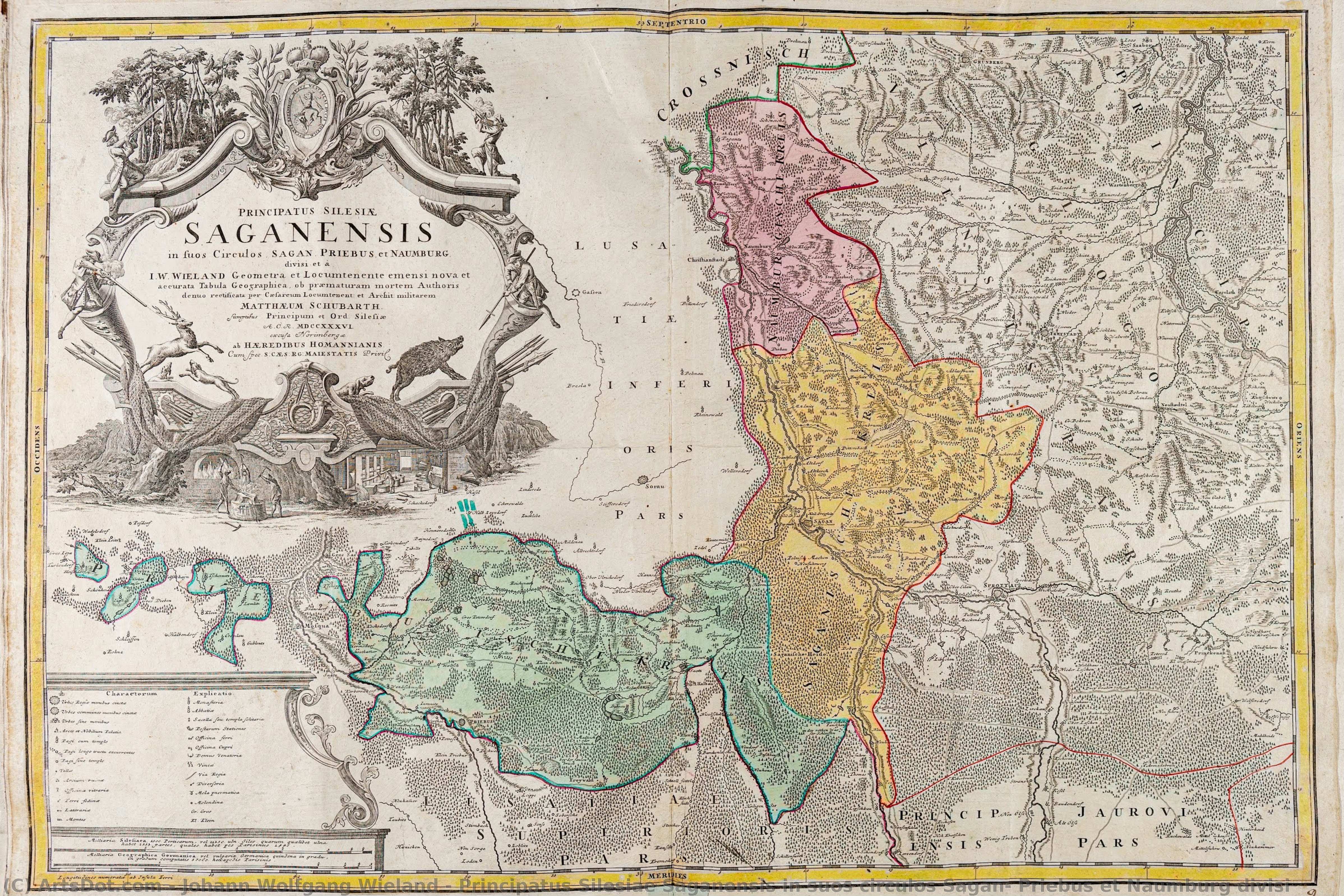
Principatus Silesiae Saganensis in suos circulos Sagan, Priebus et Naumburg divisi
 Neoclassicism
 1752
1752 55.0 x 81.0 cm
 Ossoliński National Institute
 Pročitaj više
Kupite digitalnu sliku visoke rezolucije i poboljšanog kvaliteta, koja je znatno superiornija od onoga što vidite u online prikazu.
Svaka datoteka je pedantno pripremljena od strane naših stručnjaka koristeći napredne alate i profesionalnu ručnu retušu. Osiguravamo da svaka slika ima izuzetnu oštrinu, preciznu reprodukciju boja i fine detalje.
Konačna datoteka se dostavlja putem e-pošte u roku od 72 sata, optimizovana za neposrednu upotrebu u profesionalnim, izdavačkim i štamparskim okruženjima. To je isti kvalitet kojem veruju vrhunski studiji dizajna, izdavači i galerije.
Digitalna slika
Preuzmite datoteku visoke rezolucije za ličnu upotrebu, štampanje i kreativne projekte. ( Kupi print Kupi ručno naslikanu sliku)
Uključeno uz svaku porudžbinu digitalne slike
Profesionalna digitalna isporuka, zagarantovana
Kada odaberete ArtsDot.com, ne dobijate samo sliku – vi primate profesionalno unapređeno digitalno umetničko delo, izrađeno sa najvećom preciznošću i uz garanciju zadovoljstva. Evo svega što automatski dolazi uz vašu porudžbinu:

Brza dostava putem e-pošte
Vaša digitalna slika visoke rezolucije biće vam poslata putem e-pošte u roku od 72 sata od poručivanja – spremna za trenutnu upotrebu.

Digitalna datoteka unapređena veštačkom inteligencijom
Vaše umetničko delo je profesionalno optimizovano korišćenjem naprednih AI alata i ručne obrade, čime se osiguravaju maksimalni detalji, oštrina i preciznost boja.

Besplatna ponovna isporuka doživotno
Slučajno ste obrisali ili izgubili svoju datoteku? Ne brinite – poslaćemo vam je ponovo u bilo kom trenutku, potpuno besplatno.

Bez troškova uvoza – zauvek
Uživajte u svojim umetničkim delima trenutno, bez carine, dažbina ili troškova dostave – digitalni download je uvek bez poreza.

Garancija vernosti boja
Uz pomoć profesionalnih alata i upravljanja bojama, osiguravamo da vaša digitalna slika što vernije odražava originalne boje.

Garancija zadovoljstva u roku od 60 dana
Ako niste zadovoljni svojom digitalnom slikom, revidirat ćemo je ili vratiti 100% novca u roku od 60 dana – bez ikakvih pitanja.

100% garancija povrata novca
Niste zadovoljni? Obezbedite pun povrat novca u roku od 60 dana od trenutka kada ste primili svoju digitalnu datoteku – bez suvišnih pitanja.

Popusti na velike porudžbine
Kupite 3 slike, uštedite 10% - Kupite 5 slika, uštedite 15% - Kupite 10+ slika, uštedite 20%. Odlično za kreativne projekte, galerije i agencije.
Srodna umetnička dela
Biografija umetnika
Johann Wolfgang Wieland: Bridging Enlightenment and Romanticism
Johann Wolfgang Wieland, born in Oberholzheim, Italy in 1733, stands as a pivotal figure in the transition between the rationalism of the Age of Enlightenment and the burgeoning emotional currents of pre-Romanticism. Though his life was marked by both professional triumphs and personal struggles, Wieland’s contributions to German literature – particularly his poetry, translations, and dramatic works – cemented his place among the “Weimar Classics,” a group that profoundly shaped the intellectual landscape of 18th and early 19th century Germany alongside Johann Gottfried Herder, Johann Wolfgang von Goethe, and Friedrich Schiller. His work represents a fascinating synthesis of classical ideals with emerging sensibilities, making him a key bridge between established literary traditions and the nascent Romantic movement.
Wieland’s early life was steeped in intellectual curiosity. He received a rigorous education, initially at the Jesuit school in Bamberg and later at the University of Jena, where he immersed himself in classical literature and philosophy. This foundation profoundly influenced his writing style, characterized by its elegance, precision, and adherence to established forms – particularly evident in his translations of Shakespeare’s plays. Wieland's translation of *Hamlet* is considered a landmark achievement, capturing both the dramatic intensity and philosophical depth of the original while adapting it for a German audience accustomed to classical conventions.
The Rise of a Poet and Dramatist
Wieland’s literary career truly took flight with his first major work, *Die Agathon-Fabel* (The Agathon Fable), published in 1764. This allegorical poem, drawing heavily on Plato's *Republic*, explored themes of virtue, education, and the ideal state – a subject central to the philosophical debates of the Enlightenment. It established Wieland’s reputation as a sophisticated poet capable of blending intellectual rigor with lyrical beauty. Following this success, he continued to produce poetry, essays, and translations, solidifying his position within the literary circles of Leipzig and later Weimar.
His dramatic works, however, are arguably where Wieland achieved lasting recognition. *Der Teutsche Merkur* (The German Mercury), a satirical drama published in 1767, showcased his wit, irony, and ability to critique contemporary society. It was followed by *Die Mannon* (1769) and *Philo von Kornhäusern* (1772), both of which explored themes of love, honor, and social constraints – often with a distinctly playful and subversive edge. These plays demonstrated Wieland’s growing interest in psychological realism and his willingness to challenge conventional dramatic conventions.
The History of Agathon: A Masterpiece of Allegory
Perhaps Wieland's most celebrated work is *Die Geschichte des Agathon* (The History of Agathon), published in 1786. This epic poem, a complex and ambitious allegory, delves into the nature of beauty, truth, and artistic creation. It’s a deeply philosophical exploration that draws upon classical mythology, Renaissance humanism, and emerging Romantic ideas about the power of imagination. The poem's intricate structure, rich symbolism, and profound meditations on art and humanity have ensured its place as a cornerstone of German literature.
Wieland’s engagement with Shakespeare during this period was particularly significant. He translated numerous plays, including *Othello*, *Macbeth*, and *King Lear*, adapting them to the German language while retaining their dramatic power and emotional resonance. These translations not only introduced Shakespeare's works to a wider German audience but also influenced subsequent generations of German writers and dramatists.
Weimar and Beyond
In 1785, Wieland moved to Weimar, becoming part of the vibrant intellectual community that centered around Johann Wolfgang von Goethe and Friedrich Schiller. He served as a literary advisor and friend to Goethe, contributing to the development of Weimar Classicism – a movement characterized by its emphasis on reason, order, and classical forms. Despite his association with these influential figures, Wieland maintained a distinct artistic voice, often exploring themes that diverged from the more overtly political or philosophical concerns of his colleagues.
Wieland’s later years were marked by personal difficulties, including financial struggles and strained relationships. He died in 1813 in Weimar, leaving behind a substantial body of work that continues to be studied and appreciated for its intellectual depth, artistic beauty, and enduring significance as a bridge between the Enlightenment and Romanticism. His legacy lies not only in his individual achievements but also in his role as a key figure in shaping the course of German literature and culture.
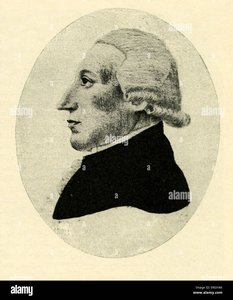
johann wolfgang wieland
1733 - 1813 , Italy
Kratke činjenice
- Artistic Movement Or Style: Aufklärung, Weimar Classicism
- Artists Or Movements Influenced By This Artist:
- Goethe
- Herder
- Artists Who Influenced This Artist:
- Lessing
- Shakespeare
- Date Of Birth: 1733
- Date Of Death: 1813
- Full Name: Johann Wolfgang Wieland
- Nationality: German
- Notable Artworks: ['The History of Agathon']
- Place Of Birth: Oberholzheim, Italy

