

 Pregledaj u prostoru
 Pošalji
 Podeli
 Detalji o delu

 Преузми
 Slični predmeti
 Rendgenski snimak
 Slajdovi
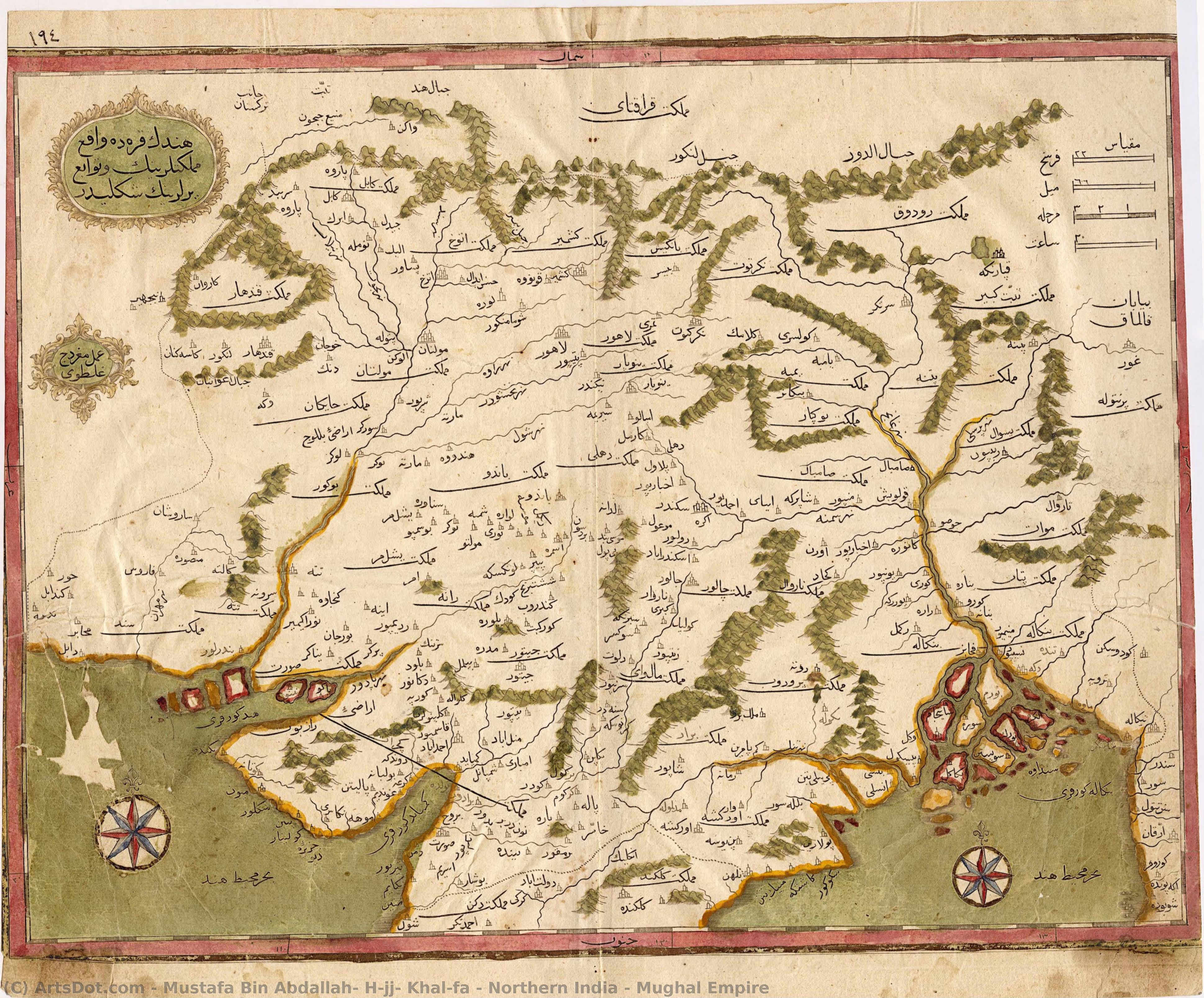
Northern India – Mughal Empire
 Painting
- Ottoman Period Art
 Early Modern
 26.0 x 35.0 cm
 Kalakriti Archives
 Pročitaj više
Ručno rađena uljana reprodukcija
Ručno oslikano uljanim bojama na platnu u dimenzijama i okviru po vašem izboru, izrađeno po porudžbini od strane naših umetnika. ( Kupi print Kupi digitalnu sliku)




P118B $10

P118H $10

P118W $10

P438Z $10

P508JH $12

P508YH $12

P805H $10

P805Z $10

P919BZ $10

P919G $10

P919XJ $10

P959ZH $10

P968JZ $12

W106C $8

W218G $10

W218JH $8

W218Y $10

W307PJ $10

W316G $10

W316PJ $8

W316Y $10

W398PJ $8

W4111J $10

W500HY $15

W500JH $15

W692G $12

W849H $8

W940BG $15

W953PJ $8




Izaberite jednu od naših unapred definisanih veličina koje odgovaraju originalnim proporcijama umetničkog dela.

Можете унети сопствене димензије како бисте прилагодили дело одређеном оквиру или простору. Ако одабрана величина не одговара пропорцијама оригинала, слика ће бити исечена или проширена додатним елементима који се ручно насликавају. Дигитални prikaz ће вам бити послат на одобрење пре почетка производње.
Имајте на уму да преглед на екрану не одражава стварно исецање или проширење. Само приказ (mockup) ће тачно приказати коначну композицију.
Иако су доступне прилагођене величине, препоручујемо да одаберете димензију из дефинисане листе како бисте сачували оригиналне пропорције.
Nakon narudžbine, tim ArtsDot.com će klijentu putem e-pošte poslati uputstva i dostaviti prikaz predloženog rešenja
Isporuka širom sveta () za 3/4 nedelje umesto uobičajenih 5 nedelja. (23 август). Bez kompromisa po pitanju kvaliteta.

Besplatna ekspresna dostava širom sveta

Visokokvalitetno laneno platno

Kompletno osiguranje transporta

Garancija povraćaja carine i uvoznih dažbina

Garancija vernosti boja

Politika povrata u roku od 60 dana (samo u slučaju nedostataka)

Garancija povrata novca od 100%

Popust pri grupnoj kupovini
 Opcija sa staklom dostupna je samo za dimenzije manje od 110 cm

Northern India – Mughal Empire
Tehnika reprodukcije
Dimenzije reprodukcije
-


Konačna cena
$ 263
Opis umetničkog dela
Srodna umetnička dela
Biografija umetnika
The Renaissance of the Ottoman Mind
In the vibrant, bustling heart of seventeenth-century Constantinople, a figure emerged whose intellect would bridge the gap between the scientific and the sublime. Mustafa bin Abdallah, known to history by the evocative names Kâtib Çelebi and Hajji Khalifa, was far more than a mere administrator or diplomat; he was a true polymath of the Ottoman era.Born in 1609, his life unfolded during a period of profound cultural synthesis, where the boundaries between geography, theology, and art were beautifully blurred. His existence was a testament to the burgeoning Ottoman Period Art Movement, an era that sought to refine a visual language distinct from European influence by drawing deeply from Islamic geometric principles and the opulent traditions of Persian and Mughal aesthetics.
Cartography as High Art
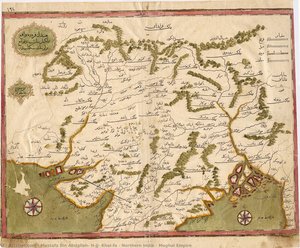
To gaze upon the works of Kâtib Çelebi is to witness the world through a lens of exquisite precision and decorative grace. His most enduring legacy lies in his groundbreaking cartographic achievements, particularly within his atlas, the Cihannüma. This was not merely a collection of navigational tools but a masterpiece of visual storytelling.His maps, such as the celebrated depiction of Northern India, served as a bridge between the Ottoman and Mughal empires. These works utilized the elegant flow of Nesih Arabic typography and a palette that captured the richness of the Indian subcontinent. Through his meticulous documentation of rivers, cities, and even the legendary Mughal Trunk Road, he transformed the raw data of geography into an aesthetic experience, where every line and cartouche whispered of imperial grandeur and scientific discovery.
An Encyclopedic Legacy
The true breadth of his genius is perhaps best captured in his monumental literary endeavors, which sought to catalogue the very essence of human knowledge. His magnum opus, Kaşf az-Zunūn, stands as a towering achievement of scholarship, an ambitious attempt to encompass the vast reaches of mathematics, astronomy, medicine, and philosophy.This drive for universal understanding was mirrored in his artistic sensibilities; he saw no distinction between the logic of a geometric pattern and the complexity of a theological treatise. His life’s work remains a cornerstone of Islamic intellectual history, reminding us that true mastery lies in the ability to see the interconnectedness of all things—from the precise arc of a map's border to the infinite depth of a scholar's thought.
mustafa bin abdallah, hājjī khalīfa
1609 - 1657 , Turkey
Osnovne informacije
- Artistic Movement Or Style: Ottoman Art Movement
- Artists Or Movements Influenced By This Artist: ['Islamic Geometric Designs']
- Artists Who Influenced This Artist: ['Franz Babinger']
- Date Of Birth: Istanbul, Turkey (1609)
- Date Of Death: Istanbul, Turkey (1657)
- Full Name: Mustafa bin Abdullah (Hajji Khalifa)
- Nationality: Ottoman
- Notable Artworks: ['Maps of India']
- Place Of Birth: Constantinople
Povezani članci
Illuminating Eternity: A Comprehensive Exploration of Byzantine Art's Legacy
Explore the rich history & stunning artistry of the Byzantine Empire! Discover iconic mosaics, profound symbolism, and lasting influence on Western art. A comprehensive guide for history lovers.
Frank Brangwyn: A Life Immersed in Colour, Craft & the Spirit of Modern British Art
Explore the vibrant life & prolific work of Frank Brangwyn, a master of British art. Discover his stunning paintings, designs, and monumental Empire Panels – a celebration of colour, craft, and artistic innovation.
Panoramic Visions of Empire: The Daniells’ Artistic Collaboration & Legacy
Explore the captivating 'Oriental Scenery' by Thomas & William Daniell. Discover their pioneering aquatint prints of India, imperial context, artistic collaboration, and lasting legacy. A deep dive for history lovers.
Framing the Past: Art as a Window into Human History – A Cultural Chronicle of Empires, Revolutions, and Social Transformations
Explore art history's profound stories! Discover how masterpieces reflect empires, revolutions & culture. Expert analysis, collecting guides & bespoke reproductions at ArtsDot.

Massimo Vignelli: A Legacy of Modernist Clarity in Graphic Design & Visual Communication
Explore the enduring impact of Massimo Vignelli's modernist design philosophy. Discover his iconic works, key principles, and lasting legacy in graphic design & corporate identity. Learn from a true master.

