

 Pregledaj u prostoru
 Pošalji
 Podeli
 Detalji o delu

 Преузми
 Slični predmeti
 Rendgenski snimak
 Slajdovi
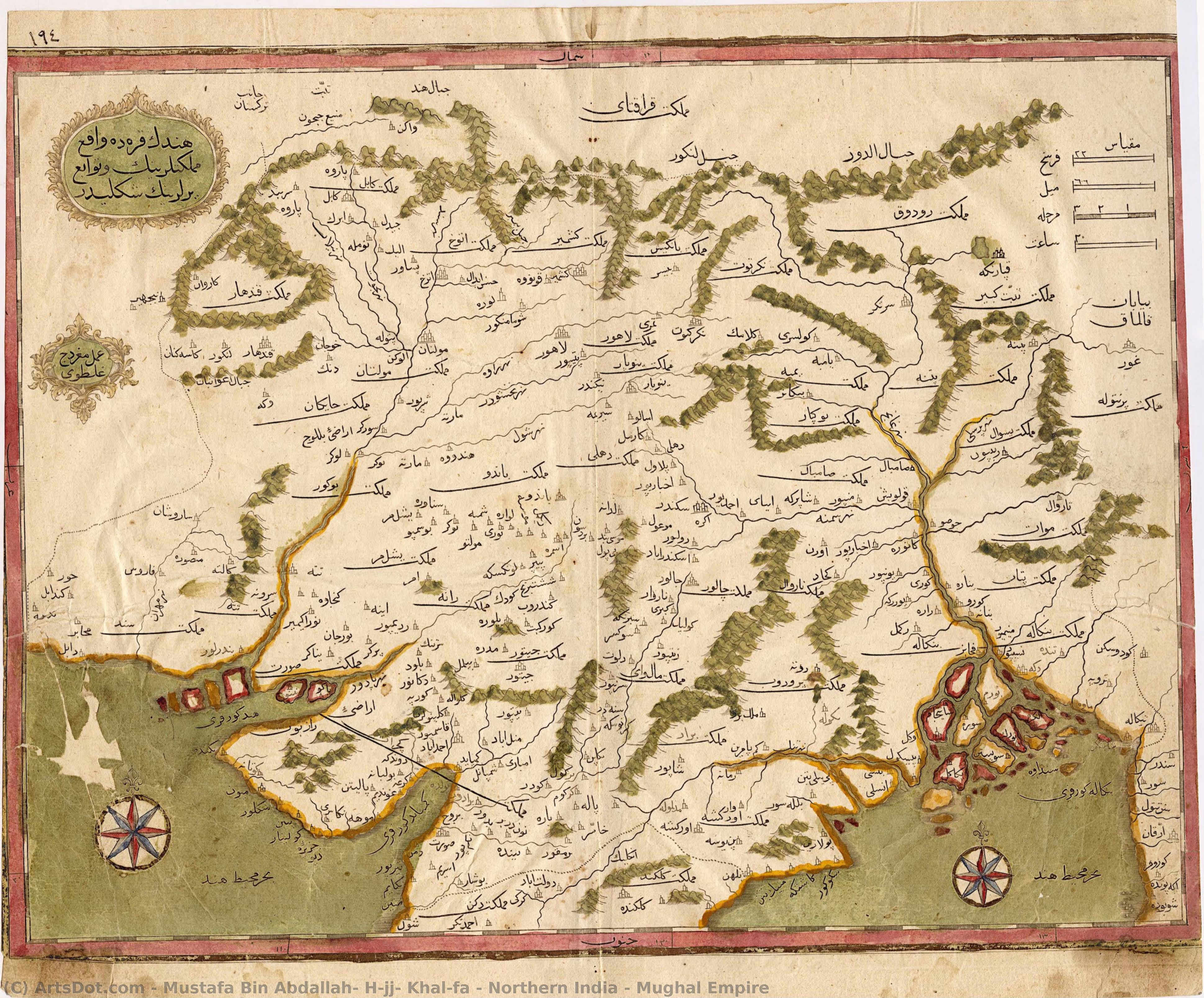
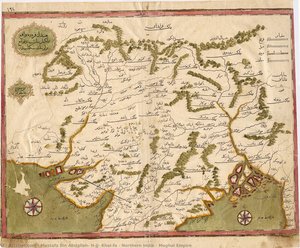
Northern India – Mughal Empire
 Painting
- Ottoman Period Art
 Early Modern
 26.0 x 35.0 cm
 Kalakriti Archives
 Pročitaj više
Kupite digitalnu sliku visoke rezolucije i poboljšanog kvaliteta, koja je znatno superiornija od onoga što vidite u online prikazu.
Svaka datoteka je pedantno pripremljena od strane naših stručnjaka koristeći napredne alate i profesionalnu ručnu retušu. Osiguravamo da svaka slika ima izuzetnu oštrinu, preciznu reprodukciju boja i fine detalje.
Konačna datoteka se dostavlja putem e-pošte u roku od 72 sata, optimizovana za neposrednu upotrebu u profesionalnim, izdavačkim i štamparskim okruženjima. To je isti kvalitet kojem veruju vrhunski studiji dizajna, izdavači i galerije.
Digitalna slika
Preuzmite datoteku visoke rezolucije za ličnu upotrebu, štampanje i kreativne projekte. ( Kupi print Kupi ručno naslikanu sliku)
Uključeno uz svaku porudžbinu digitalne slike
Profesionalna digitalna isporuka, zagarantovana
Kada odaberete ArtsDot.com, ne dobijate samo sliku – vi primate profesionalno unapređeno digitalno umetničko delo, izrađeno sa najvećom preciznošću i uz garanciju zadovoljstva. Evo svega što automatski dolazi uz vašu porudžbinu:

Brza dostava putem e-pošte
Vaša digitalna slika visoke rezolucije biće vam poslata putem e-pošte u roku od 72 sata od poručivanja – spremna za trenutnu upotrebu.

Digitalna datoteka unapređena veštačkom inteligencijom
Vaše umetničko delo je profesionalno optimizovano korišćenjem naprednih AI alata i ručne obrade, čime se osiguravaju maksimalni detalji, oštrina i preciznost boja.

Besplatna ponovna isporuka doživotno
Slučajno ste obrisali ili izgubili svoju datoteku? Ne brinite – poslaćemo vam je ponovo u bilo kom trenutku, potpuno besplatno.

Bez troškova uvoza – zauvek
Uživajte u svojim umetničkim delima trenutno, bez carine, dažbina ili troškova dostave – digitalni download je uvek bez poreza.

Garancija vernosti boja
Uz pomoć profesionalnih alata i upravljanja bojama, osiguravamo da vaša digitalna slika što vernije odražava originalne boje.

Garancija zadovoljstva u roku od 60 dana
Ako niste zadovoljni svojom digitalnom slikom, revidirat ćemo je ili vratiti 100% novca u roku od 60 dana – bez ikakvih pitanja.

100% garancija povrata novca
Niste zadovoljni? Obezbedite pun povrat novca u roku od 60 dana od trenutka kada ste primili svoju digitalnu datoteku – bez suvišnih pitanja.

Popusti na velike porudžbine
Kupite 3 slike, uštedite 10% - Kupite 5 slika, uštedite 15% - Kupite 10+ slika, uštedite 20%. Odlično za kreativne projekte, galerije i agencije.
Opis kolekcionarskog dela
Srodna umetnička dela
Biografija umetnika
The Renaissance of the Ottoman Mind
In the vibrant, bustling heart of seventeenth-century Constantinople, a figure emerged whose intellect would bridge the gap between the scientific and the sublime. Mustafa bin Abdallah, known to history by the evocative names Kâtib Çelebi and Hajji Khalifa, was far more than a mere administrator or diplomat; he was a true polymath of the Ottoman era.Born in 1609, his life unfolded during a period of profound cultural synthesis, where the boundaries between geography, theology, and art were beautifully blurred. His existence was a testament to the burgeoning Ottoman Period Art Movement, an era that sought to refine a visual language distinct from European influence by drawing deeply from Islamic geometric principles and the opulent traditions of Persian and Mughal aesthetics.
Cartography as High Art
To gaze upon the works of Kâtib Çelebi is to witness the world through a lens of exquisite precision and decorative grace. His most enduring legacy lies in his groundbreaking cartographic achievements, particularly within his atlas, the Cihannüma. This was not merely a collection of navigational tools but a masterpiece of visual storytelling.His maps, such as the celebrated depiction of Northern India, served as a bridge between the Ottoman and Mughal empires. These works utilized the elegant flow of Nesih Arabic typography and a palette that captured the richness of the Indian subcontinent. Through his meticulous documentation of rivers, cities, and even the legendary Mughal Trunk Road, he transformed the raw data of geography into an aesthetic experience, where every line and cartouche whispered of imperial grandeur and scientific discovery.
An Encyclopedic Legacy
The true breadth of his genius is perhaps best captured in his monumental literary endeavors, which sought to catalogue the very essence of human knowledge. His magnum opus, Kaşf az-Zunūn, stands as a towering achievement of scholarship, an ambitious attempt to encompass the vast reaches of mathematics, astronomy, medicine, and philosophy.This drive for universal understanding was mirrored in his artistic sensibilities; he saw no distinction between the logic of a geometric pattern and the complexity of a theological treatise. His life’s work remains a cornerstone of Islamic intellectual history, reminding us that true mastery lies in the ability to see the interconnectedness of all things—from the precise arc of a map's border to the infinite depth of a scholar's thought.
mustafa bin abdallah, hājjī khalīfa
1609 - 1657 , Turkey
Kratke činjenice
- Artistic Movement Or Style: Ottoman Art Movement
- Artists Or Movements Influenced By This Artist: ['Islamic Geometric Designs']
- Artists Who Influenced This Artist: ['Franz Babinger']
- Date Of Birth: Istanbul, Turkey (1609)
- Date Of Death: Istanbul, Turkey (1657)
- Full Name: Mustafa bin Abdullah (Hajji Khalifa)
- Nationality: Ottoman
- Notable Artworks: ['Maps of India']
- Place Of Birth: Constantinople

