

 Pregledaj u prostoru
 Pošalji
 Podeli
 Detalji o delu

 Преузми
 Slični predmeti
 Rendgenski snimak
 Slajdovi
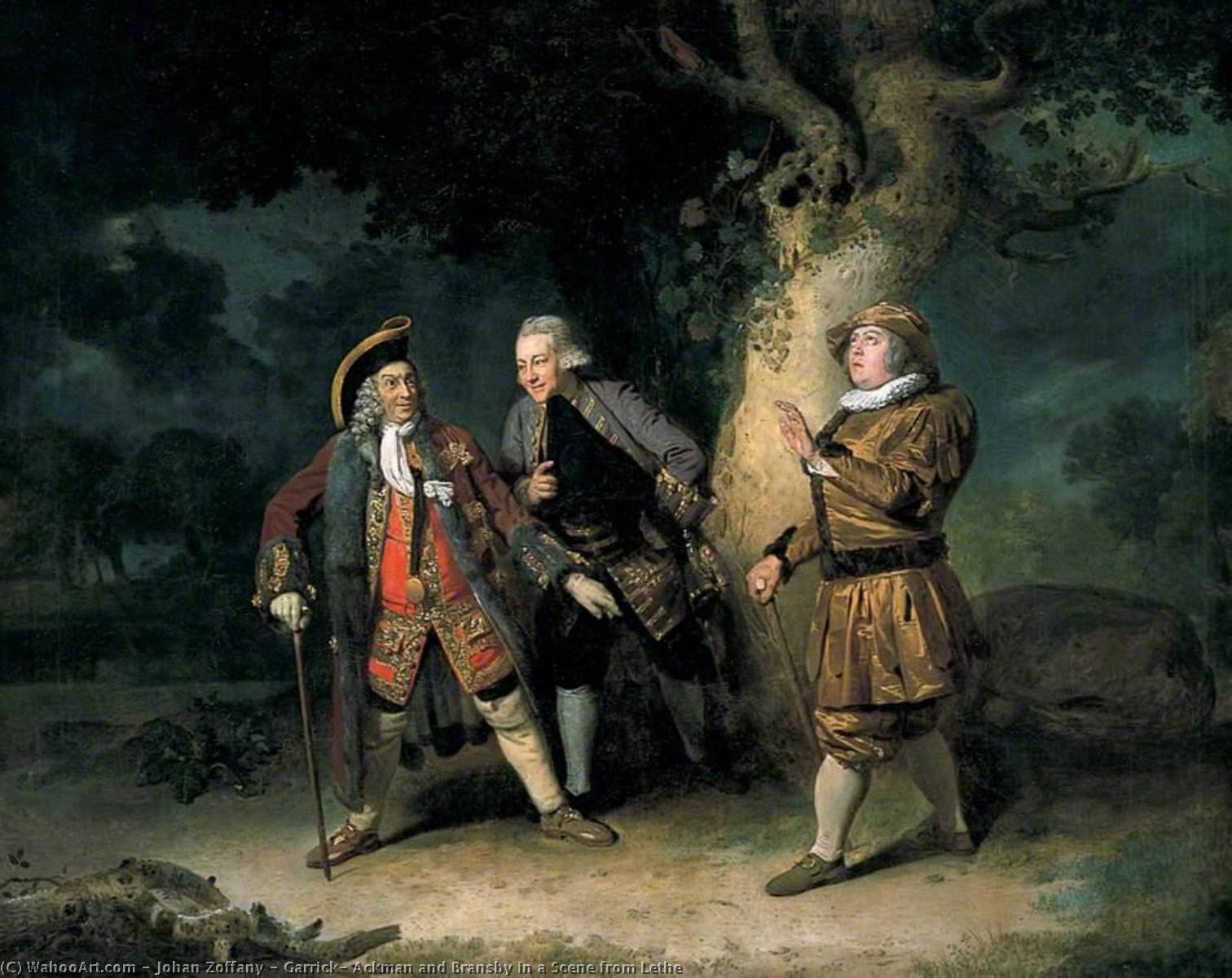
Garrick, Ackman and Bransby in a Scene from Lethe


 Pročitaj više
Giclee štampa / Umetnički otisak
Giclée štampa ili print na platnu muzejskog kvaliteta uz brzu proizvodnju i fleksibilne opcije završne obrade. ( Kupi ručno naslikanu sliku Kupi digitalnu sliku)




P118B $10

P118H $10

P118W $10

P438Z $10

P508JH $12

P508YH $12

P805H $10

P805Z $10

P919BZ $10

P919G $10

P919XJ $10

P959ZH $10

P968JZ $12

W106C $8

W218G $10

W218JH $8

W218Y $10

W307PJ $10

W316G $10

W316PJ $8

W316Y $10

W398PJ $8

W4111J $10

W500HY $15

W500JH $15

W692G $12

W849H $8

W940BG $15

W953PJ $8




Izaberite jednu od naših unapred definisanih veličina koje odgovaraju originalnim proporcijama umetničkog dela.

Možete uneti sopstvene dimenzije kako biste umetničko delo prilagodili specifičnom okviru ili prostoru. Ako odabrani format ne odgovara proporcijama originalne slike, mi ćemo ili iscrtati deo dela ili proširiti sliku pomoću ogledane ivice ili jednobojnog popunjavanja. Digitalni prikaz će vam biti poslat na odobrenje pre početka proizvodnje.
Imajte na umu da pregled na ekranu ne odražava stvarno iscrtavanje ili proširivanje. Samo će prikaz (mockup) precizno pokazati finalnu kompoziciju.
Iako su prilagođene dimenzije dostupne, preporučujemo da odaberete dimenziju sa unapred definisane liste kako biste očuvali originalne proporcije.
Dostava širom sveta () za 2 nedelje umesto uobičajenih 4/5 nedelja. (25 август)

Besplatna ekspresna dostava širom sveta

Visokokvalitetno laneno platno

Kompletno osiguranje transporta

Garancija povraćaja carine i uvoznih dažbina

Garancija vernosti boja

Politika povrata u roku od 60 dana (samo u slučaju nedostataka)

Garancija povrata novca od 100%

Popust pri grupnoj kupovini
 Opcija sa staklom dostupna je samo za dimenzije manje od 110 cm

Garrick, Ackman and Bransby in a Scene from Lethe
Giclee štampa / Umetnički otisak
Dimenzije reprodukcije
-


Konačna cena
$ 62
Opis predmeta
Garrick, Ackman and Bransby in a Scene from Lethe – A Portrait of Enlightenment
Johann Zoffany’s “Garrick, Ackman and Bransby in a Scene from Lethe,” completed in 1766, stands as an emblem of the British Enlightenment, capturing not merely likenesses but also intellectual curiosity and theatrical grandeur. Executed in oil on canvas, this monumental portrait resides within Birmingham Museums Trust’s collection, offering viewers a glimpse into a pivotal moment in artistic history.The Subject Matter: A Stage Within a Portrait
At first glance, the painting presents itself as a conventional depiction of three men – William Garrick (the celebrated Shakespearean actor), Edmund Ackman (a prominent theatrical impresario), and Johann Friedrich Bransby (Garrick’s protégé) – posed on an elaborately staged stage. However, Zoffany skillfully transcends mere portraiture by integrating elements of theatrical illusion. The backdrop depicts a scene from Sophocles' “Lethe,” referencing the myth of oblivion—a deliberate choice that speaks to the anxieties surrounding reason and memory prevalent during the era.Style and Technique: Neoclassical Precision Amidst Illusion
Zoffany’s artistic style embodies the precepts of neoclassicism, prioritizing clarity, balance, and idealized form. He meticulously renders each figure with painstaking detail, utilizing chiaroscuro—the dramatic interplay of light and shadow—to sculpt their musculature and convey a sense of realism despite the fantastical setting. The artist's masterful brushwork contributes to an overall impression of polished elegance and intellectual sophistication. Notably, Zoffany employed a technique known as “trompe l’oeil,” creating an illusionistic effect that seamlessly blends the painted stage with the actual space of the studio where it was created. This ambitious feat demonstrates Zoffany’s technical prowess and his commitment to pushing the boundaries of artistic representation.Historical Context: Reflecting Philosophical Debate
“Garrick, Ackman and Bransby” emerged during a period of intense philosophical debate concerning the role of reason versus emotion in human experience. Enlightenment thinkers championed rational inquiry and empirical observation as pathways to knowledge, challenging traditional religious dogma and aristocratic privilege. Zoffany’s depiction of Garrick, Ackman, and Bransby reflects this intellectual climate, portraying them not merely as actors but also as embodiments of enlightened ideals—men engaged in a dialogue about art, philosophy, and the pursuit of truth. The inclusion of Bransby underscores the importance of artistic mentorship and the transmission of knowledge across generations.Symbolism: Mythic Allusion and Artistic Ambition
The reference to “Lethe” carries profound symbolic significance. Lethe represents the river of forgetfulness in Greek mythology, symbolizing the erasure of past experiences and memories—a concept antithetical to Enlightenment optimism. Yet, Zoffany counters this notion by presenting a vibrant tableau brimming with artistic ambition and intellectual engagement. The theatrical costumes and props serve as visual metaphors for performance and illusion, highlighting the artist’s desire to transcend conventional boundaries and create an immersive experience for the viewer. Furthermore, the positioning of the figures—particularly Garrick—suggests a deliberate assertion of authority and prestige within the realm of art and culture.Emotional Impact: Capturing Presence and Intellectual Resonance
Ultimately, “Garrick, Ackman and Bransby” succeeds in conveying an arresting sense of presence and intellectual resonance. The painting captures not only the physical likenesses of its subjects but also their psychological states—their confidence, curiosity, and engagement with profound ideas. Zoffany’s masterful composition draws the eye inward, inviting contemplation and prompting viewers to consider the broader implications of Enlightenment thought. It remains a testament to the power of art to illuminate both individual character and collective intellectual heritage.Srodna umetnička dela
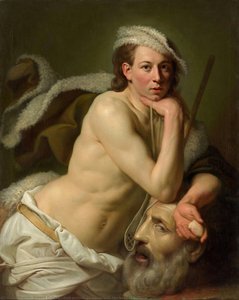
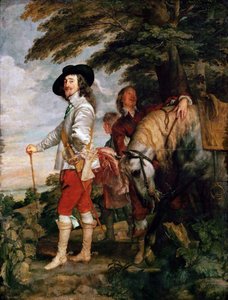
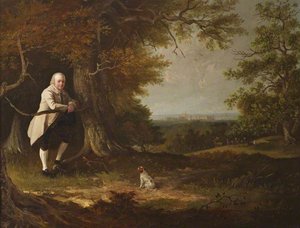
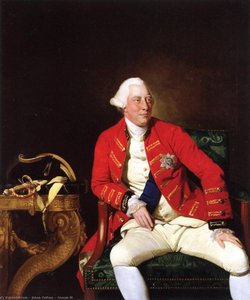
Biografija umetnika
Јохан Зофањи: Живот и наслеђе
Јохан Зофањи, рођен као Јоханес Јозефус Зауфалиј 1733. године у Фрајбургу, Немачка, био је слика који је славу стекао углавном у Енглеској и Италији. Детаљи његовог раниног детињства су ретки, али се зна да је добио уметничку обуку од малих нога. Прво је радио као ученик код вајара, вероватно Мелхиора Паулуса у Елвангену, пре него што је студирао са Мартином Спеером у Регенсбургу. Овај основни период поставио је основу за његову будућу каријеру.
Године 1750. Зофањи је отпутовао у Рим, где је ушао у радионицу Агостина Масучија и усавршио своје вештине у оквиру италијанске уметничке традиције. Касније се преселио у Енглеску 1760. године, где се прво издржавао стварањем декоративних дизајна за сатове Стефена Римбоа. Овај период је означио преломну тачку док је почео да успоставља контакте и стиче признање у лондонској уметничкој сцени.
Кралjevска подршка и уметнички развој
Зофањи је брзо привукао пажњу краља Џорџа III и краљице Шарлоте, постајући омиљени портретиста краљевске породице. Његова способност да заухвати неформалне тренутке – као што је Краљица Шарлота и њена два најстарија детета (1765) – разликовала га је од формалнијих дворских сликара. Био је популаран и код аустријске царске породице, а 1776. године га је царица Марија Тереза прогласила бароном Светог Римског царства.
Зофањи се постао познат по својим “конверзационим комадима” или *conversazione* – неформалним групним портретима који приказују друштвене окупљања. Одликовао се у заухватању личности и интеракција у овим сценама, често представљајући познате личности из друштва, позоришта и књижевности. Његова дела као што је Породица Коп (1775) пример су овог стила, нудећи увид у живот својих наручилаца.
Главна достигнућа и значајна дела
- Трибуна Уфиција (1772-1778): Вероватно његово најпознатије дело, детаљан приказ Галерије Уфици у Фиренци.
- Доктор Вилијам Хантер предаје анатомију на Краљевској академији (1779): Фасцинантан портрет медицинског образовања и научног истраживања.
- Џорџ III (1771): Краљевски портрет који показује краљеву моћ и елеганцију.
- Колонелово кокошчиње меча (1784-1786): Живописни приказ колонијалног живота у Индији, који заухвата јединствени културни догађај.
Године у Индији и каснији живот
Од 1783. до 1789. године Зофањи је боравио у Индији, где је сликао портрете познатих личности као што су Ворен Хестингс и Асаф-уд-Даула. Његова искуства тамо су утицала на његов уметнички стил и тематику. Занимљива прича из овог периода укључује бродолом код Андманских острва, где су преживели прибегли екстремним мерама за опстанак.
Утицаји и наслеђе
Зофањијев рад одражава утицаје немачке прецизности и италијанске уметности. Био је под утицајем уметника као што је Агостино Масучи и црпео је инспирацију из барокне традиције. Његов стил је, заузврат, утицао на савременике и касније уметнике заинтересоване за портретисање и друштвену коментаришење. Везао је уметничке традиције и оставио трајан утицај на уметност 18. века.
Јохан Зофањијева слика пружа драгоцене увиде у друштвене обичаје, интелектуални живот и културне вредности његовог времена. Његови “конверзациони комади” нуде интимне портрете познатих појединаца и њиховог света, док његов приказ Индије доприноси нашем разумевању колонијалне историје. Остаје значајна фигура у историји уметности, слављена због своје техничке вештине, проницљивих запажања и јединствене уметничке визије.
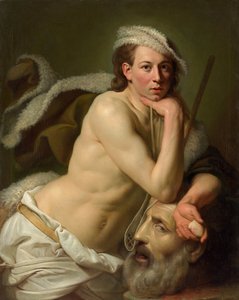
Јохан Цофани
1733 - 1810 , Немачка
Osnovne informacije
- Datum Rođenja: 1733
- Datum Smrti: 1810
- Mesto Rođenja: Frankfurt, Nemačka
- Nacionalnost: Nemac
- Puno Ime: Johan Zoffany
- Umetnici Koji Su Uticali: ['Agostino Masucci']
- Umetnički Pokret/Stil: Neoklasicizam, Realizam
- Značajna Dela:
- Tribuna Ufici
- Dr Hunter predaje anatomiju
Povezani članci
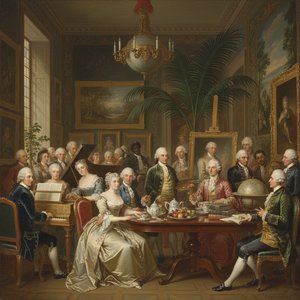
Johann Zoffany: Capturing Georgian Society with Brushstrokes of Cosmopolitan Flair
Explore the captivating world of Johann Zoffany, master portraitist of Georgian society. Discover his unique 'conversation pieces,' imperial commissions & lasting legacy. A guide for discerning collectors.
Neo-Classicism's Greatest Hits: 10 Masterpieces for Your Home |
Journey through Neo-Classicism's finest! Explore 10 iconic masterpieces by David, Ingres & Canova. Discover art history, techniques & timeless beauty – perfect for inspiring your home decor. Find museum-quality reproductions at
The Enduring Legacy of Classicism: Principles, Evolution & Influence in Western Art
Explore the enduring legacy of Classicism in Western art! Discover its historical context, key principles, iconic masterpieces & lasting influence. Learn about Renaissance and Neoclassical movements with ArtsDot.
Timeless Resonance: Exploring Classic Vibe in Art – A Historical & Aesthetic Analysis
Explore the rich history & enduring aesthetic of Classicism art! Discover key movements, iconic artists like Raphael & David, and its lasting influence on Western art. Deepen your appreciation today.
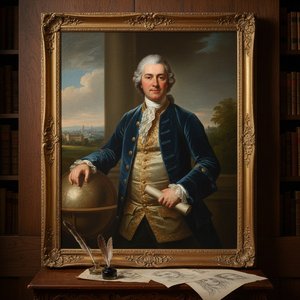
Thomas Hudson: A Study in 18th-Century Portraiture & British Artistic Identity
Explore the life & work of Thomas Hudson, a leading 18th-century British portraitist. Discover his mastery of the 'Grand Manner,' influential style, and lasting impact on British art. Learn about his notable portraits like Judge William Noel & Alexander Van Aken.

