

 Pregledaj u prostoru
 Pošalji
 Podeli
 Detalji o delu

 Преузми
 Slični predmeti
 Rendgenski snimak
 Slajdovi
 Statistika
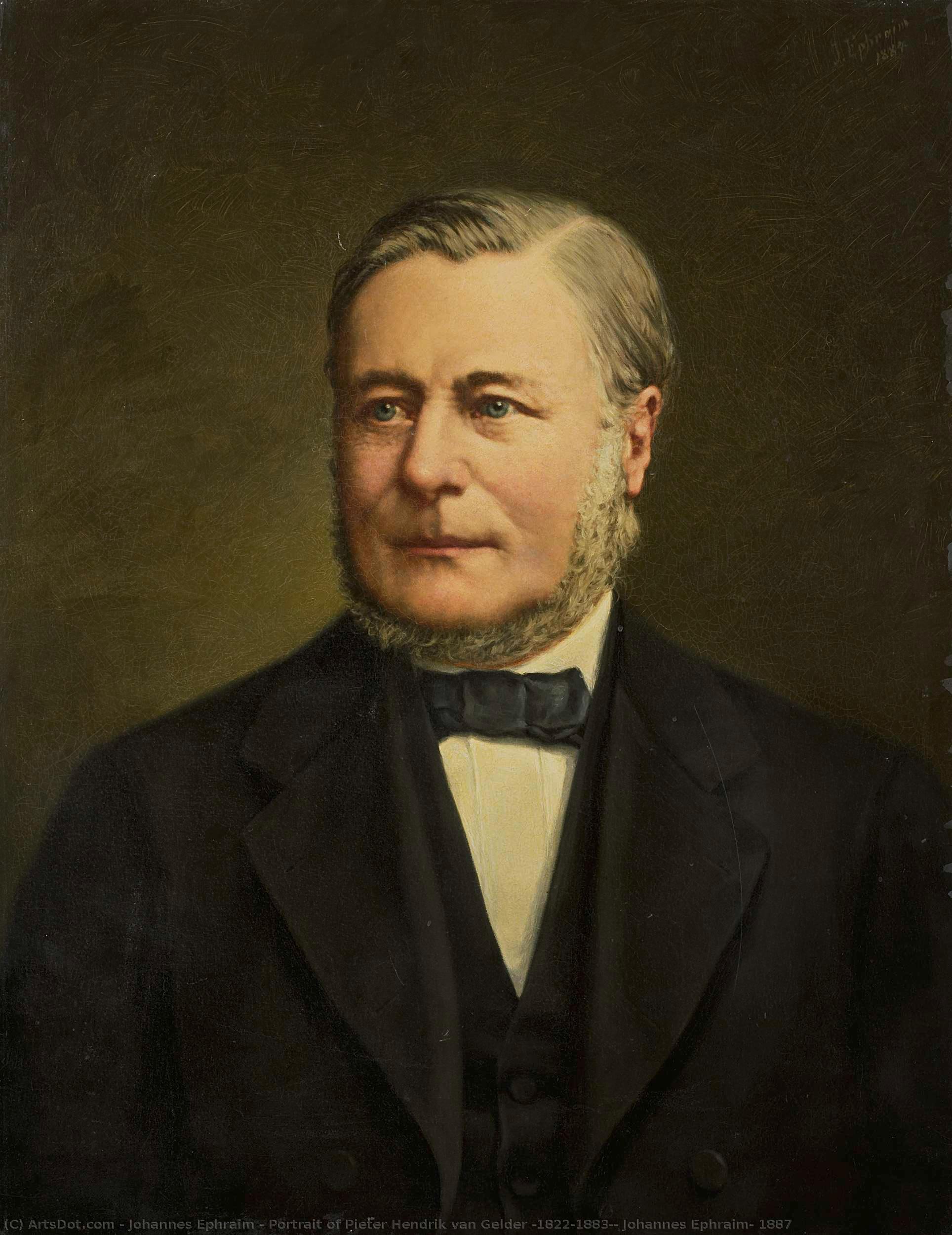
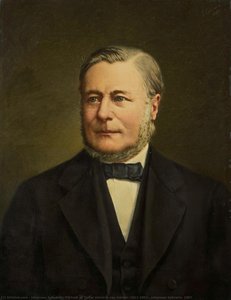
Portrait of Pieter Hendrik van Gelder (1822-1883), Johannes Ephraim, 1887
 Academic/Neoclassical
 1887
1887 67.0 x 52.0 cm
 Pročitaj više
Ručno rađena uljana reprodukcija
Ručno oslikano uljanim bojama na platnu u dimenzijama i okviru po vašem izboru, izrađeno po porudžbini od strane naših umetnika. ( Pređi na štampu Pređi na digitalnu sliku)




P118B $10

P118H $10

P118W $10

P438Z $10

P508JH $12

P508YH $12

P805H $10

P805Z $10

P919BZ $10

P919G $10

P919XJ $10

P959ZH $10

P968JZ $12

W106C $8

W218G $10

W218JH $8

W218Y $10

W307PJ $10

W316G $10

W316PJ $8

W316Y $10

W398PJ $8

W4111J $10

W500HY $15

W500JH $15

W692G $12

W849H $8

W940BG $15

W953PJ $8




Izaberite jednu od naših unapred definisanih veličina koje odgovaraju originalnim proporcijama umetničkog dela.

Можете унети сопствене димензије како бисте прилагодили дело одређеном оквиру или простору. Ако одабрана величина не одговара пропорцијама оригинала, слика ће бити исечена или проширена додатним елементима који се ручно насликавају. Дигитални prikaz ће вам бити послат на одобрење пре почетка производње.
Имајте на уму да преглед на екрану не одражава стварно исецање или проширење. Само приказ (mockup) ће тачно приказати коначну композицију.
Иако су доступне прилагођене величине, препоручујемо да одаберете димензију из дефинисане листе како бисте сачували оригиналне пропорције.
Nakon narudžbine, tim ArtsDot.com će klijentu putem e-pošte poslati uputstva i dostaviti prikaz predloženog rešenja
Isporuka širom sveta () za 3/4 nedelje umesto uobičajenih 5 nedelja. (9 септембар). Bez kompromisa po pitanju kvaliteta.

Besplatna ekspresna dostava širom sveta

Visokokvalitetno laneno platno

Kompletno osiguranje transporta

Garancija povraćaja carine i uvoznih dažbina

Garancija vernosti boja

Politika povraćaja u roku od 100 dana (isključivo u slučaju nedostataka)

Garancija povrata novca od 100%

Popust pri grupnoj kupovini
 Opcija sa staklom dostupna je samo za dimenzije manje od 110 cm

Portrait of Pieter Hendrik van Gelder (1822-1883), Johannes Ephraim, 1887
Tehnika reprodukcije
Dimenzije reprodukcije
-


Konačna cena
$ 263
Srodna umetnička dela
Biografija umetnika
A Master of Dignified Portraiture: The World of Johannes Ephraim
Johannes Ephraim, a name perhaps less celebrated than some of his contemporaries, nevertheless occupies a significant place in the tradition of 19th-century portrait painting. While biographical details remain scarce – he is currently listed as living, with limited publicly available information regarding his early life and formal training – his surviving works speak volumes about his skill and sensitivity as an artist. Ephraim’s oeuvre centers primarily on portraits, executed with a remarkable degree of technical precision and psychological insight. He demonstrates a particular talent for capturing the character and status of his sitters, imbuing each canvas with a sense of quiet dignity and refined presence.Technical Prowess and Artistic Style
Ephraim’s style is characterized by meticulous realism, reminiscent of the Dutch Masters who preceded him. He clearly possessed an exceptional ability to render textures – from the sheen of fabric to the subtle nuances of skin tone – with astonishing accuracy. His brushwork, while detailed, avoids excessive fussiness; instead, it serves to build form and create a convincing illusion of three-dimensionality. The portrait of Pieter Hendrik van Gelder (1887) exemplifies this approach beautifully. Van Gelder’s gaze is direct and engaging, his features carefully modeled to convey intelligence and gravitas. The composition focuses intently on the bust, eliminating distracting background elements and emphasizing the sitter's personality. This focus on the individual, combined with a restrained palette and masterful handling of light and shadow, defines Ephraim’s artistic signature.Commissioned Works and Patronage
The available evidence suggests that Ephraim primarily worked on commission, catering to a clientele who valued realistic and dignified representations of themselves or their loved ones. The portrait of Van Gelder is indicative of this practice; it's likely he was sought after by individuals wishing to preserve their likeness for posterity – or perhaps to commemorate a position of social standing. While the specifics of his patronage network remain unknown, the quality of his work suggests connections with affluent and discerning members of society. The fact that ArtsDot.com offers hand-painted reproductions of his pieces indicates a continued appreciation for his skill among art enthusiasts today.Historical Context and Legacy
Ephraim’s career unfolded during a period of significant artistic change, bridging the gap between Neoclassicism and emerging Impressionistic styles. While he did not fully embrace the radical innovations of the latter movement, his commitment to realism and psychological depth aligns with broader trends in 19th-century portraiture. Artists like Ingres and Courbet were redefining the genre during this time, emphasizing both accurate representation and social commentary. Though Ephraim’s work doesn't exhibit overt political or ideological statements, it reflects a similar desire to capture the essence of modern life – specifically, the individuals who shaped it. His legacy lies in his ability to create portraits that are not merely likenesses but enduring testaments to human character and dignity.Further Exploration
- Portraiture as Historical Record: Ephraim’s work provides valuable insights into the social conventions and aesthetic preferences of the late 19th century.
- The Dutch Influence: Further research into his potential training and artistic influences may reveal connections to earlier traditions of Dutch realism.
- Commissioned Art & Society: Exploring the lives of Ephraim’s sitters could shed light on the broader social context in which his art was created.
Povezani članci

The Enduring Form: Sculpture Across History, Technique & Emotional Resonance
Explore the rich history of sculpture with ArtsDot. Discover key techniques, influential artists & investment potential for discerning collectors. Expert insights into valuing and collecting timeless masterpieces.

Bronze Sculptures That Defined Art History | ArtsDot
Journey through art history with our Top 10 bronze sculptures! Explore masterpieces by Rodin, Michelangelo & more. Discover stories behind iconic statues and find museum-quality reproductions for your home decor at ArtsDot.com.

Zlatno doba Holandske umetnosti: Top 10 remek dela za vaš dom
Otkrijte remek dela Holandskog zlatnog doba! Uronite u svet Rembrandta, Vermeera i drugih majstora. 10 ikoničnih slika koje su definisale umetnost. Inspiracija za vaš dom i kolekciju - ekskluzivne reprodukcije na ArtsDot.com!

The Enduring Form: Exploring Themes & Techniques in Sculpture Across Historical Periods
Explore the rich history of sculpture from ancient masterpieces to contemporary innovations. Discover key techniques, influential artists & investment potential for discerning art collectors.

Bronze Age to Modern Masters: 10 Sculptures That Redefined Art | ArtsDot
Journey through art history with 10 legendary bronze sculptures – from Michelangelo's David to Rodin’s Thinker. Explore the stories, techniques & timeless beauty of these masterpieces. Find museum-quality reproductions & elevate your home decor on ArtsDot.com.