

 Pošalji
 Podeli
 Detalji o delu

 Преузми
 Slični predmeti
 Slajdovi
 Statistika
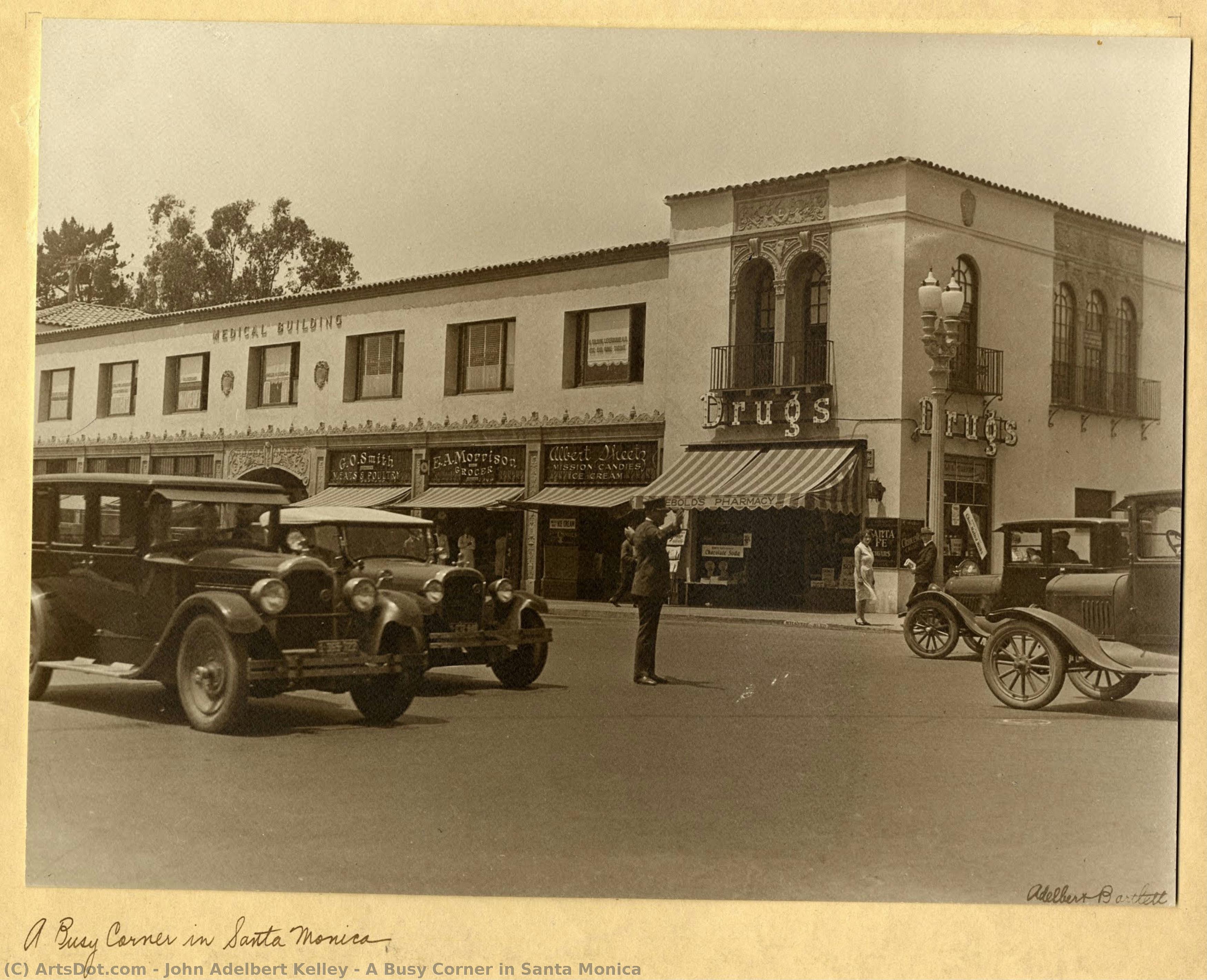
A Busy Corner in Santa Monica


 Pročitaj više
Kupite digitalnu sliku visoke rezolucije i poboljšanog kvaliteta, koja je znatno superiornija od onoga što vidite u online prikazu.
Svaka datoteka je pedantno pripremljena od strane naših stručnjaka koristeći napredne alate i profesionalnu ručnu retušu. Osiguravamo da svaka slika ima izuzetnu oštrinu, preciznu reprodukciju boja i fine detalje.
Konačna datoteka se dostavlja putem e-pošte u roku od 72 sata, optimizovana za neposrednu upotrebu u profesionalnim, izdavačkim i štamparskim okruženjima. To je isti kvalitet kojem veruju vrhunski studiji dizajna, izdavači i galerije.
Digitalna slika
Preuzmite datoteku visoke rezolucije za ličnu upotrebu, štampanje i kreativne projekte. ( Pređi na štampu Kupi ručno naslikanu sliku)
Uključeno uz svaku porudžbinu digitalne slike
Profesionalna digitalna isporuka, zagarantovana
Kada odaberete ArtsDot.com, ne dobijate samo sliku – vi primate profesionalno unapređeno digitalno umetničko delo, izrađeno sa najvećom preciznošću i uz garanciju zadovoljstva. Evo svega što automatski dolazi uz vašu porudžbinu:

Brza dostava putem e-pošte
Vaša digitalna slika visoke rezolucije biće vam poslata putem e-pošte u roku od 72 sata od poručivanja – spremna za trenutnu upotrebu.

Digitalna datoteka unapređena veštačkom inteligencijom
Vaše umetničko delo je profesionalno optimizovano korišćenjem naprednih AI alata i ručne obrade, čime se osiguravaju maksimalni detalji, oštrina i preciznost boja.

Besplatna ponovna isporuka doživotno
Slučajno ste obrisali ili izgubili svoju datoteku? Ne brinite – poslaćemo vam je ponovo u bilo kom trenutku, potpuno besplatno.

Bez troškova uvoza – zauvek
Uživajte u svojim umetničkim delima trenutno, bez carine, dažbina ili troškova dostave – digitalni download je uvek bez poreza.

Garancija vernosti boja
Uz pomoć profesionalnih alata i upravljanja bojama, osiguravamo da vaša digitalna slika što vernije odražava originalne boje.

Garancija zadovoljstva od 100 dana
Ako niste zadovoljni svojom digitalnom slikom, izvršićemo reviziju ili ćemo vam vratiti 100% novca u roku od 100 dana – bez ikakvih pitanja.

100% garancija povrata novca
Niste zadovoljni? Dobijte puni povraćaj novca u roku od 100 dana od prijema digitalne datoteke – bez suvišnih pitanja.

Popusti na velike porudžbine
Kupite 3 slike, uštedite 10% - Kupite 5 slika, uštedite 15% - Kupite 10+ slika, uštedite 20%. Odlično za kreativne projekte, galerije i agencije.
A Window into a Lost Era
In the captured stillness of 1928, A Busy Corner in Santa Monica serves as more than just a photographic record; it is a poignant time capsule that invites the viewer to step through a portal into the roaring twenties. The scene unfolds at the intersection of Wilshire Boulevard and Fourth Street, where the rhythmic pulse of early twentieth-century urban life is frozen in monochrome. Through the lens of John Adelbert Kelley, we witness a moment of transition, where the burgeoning energy of Southern California begins to shape its modern identity. The composition is anchored by a uniformed man, a silent conductor of the era's mechanical symphony, directing the flow of vintage automobiles and heavy trucks that line the thoroughfare.
The visual narrative is rich with the textures of a developing metropolis. One can almost hear the distant rumble of engines and the chatter of pedestrians navigating the sidewalks. The architectural backdrop, specifically the medical building at 327 Wilshire, stands as a testament to the late-1920s era of construction, providing a sense of permanence against the transient movement of the street. As the eye wanders across the frame, it encounters the charming remnants of local commerce: G.O. Smith Meats & Poultry, E.A. Morrison Grocer, and the sweet promise of Albert Sheetz Mission Candies & Ice Cream. These details do not merely populate the scene; they breathe life into a vanished social fabric, evoking a sense of nostalgia for a time when community commerce was the heartbeat of the city.
The Artistry of Monochrome and Motion
Technically, the photograph relies on the profound emotional weight of black and white tones to convey its message. Without the distraction of color, the viewer is forced to engage with the interplay of light and shadow, the stark silhouettes of the parked cars, and the intricate patterns of the urban landscape. The lack of hue emphasizes the structural elements of the scene—the verticality of the buildings against the horizontal stretch of the road—creating a balanced, classical composition that feels both grounded and dynamic. This monochromatic approach lends the work an air of timelessness, transforming a specific historical moment into a universal meditation on progress and change.
For the discerning collector or interior designer, this piece offers a sophisticated layer of historical depth to any curated space. It is an ideal selection for those looking to introduce a sense of heritage and "Old Hollywood" elegance into a contemporary setting. Whether placed in a minimalist gallery-style room or a classic study, the image acts as a conversational centerpiece, sparking curiosity about the lives lived within these frames. The subtle tension between the stillness of the architecture and the implied motion of the traffic creates an emotional resonance that is both calming and intellectually stimulating, making it a timeless addition to any high-end art collection.
Srodna umetnička dela

Biografija umetnika
A Life Bridging Endurance and Expression: The Dual Worlds of John Adelbert Kelley
John Adelbert Kelley, a name often accompanied by the moniker “Kelley the Elder” to distinguish him from his marathon-running namesake, embodies a fascinating intersection of athletic prowess and artistic sensibility. Born in West Medford, Massachusetts, in 1907, Kelley’s life was not confined to the rigorous discipline of long-distance running; it blossomed into a rich tapestry woven with the threads of visual expression, particularly through watercolor landscapes capturing the serene beauty of Santa Monica, California. His journey began amidst a large family—one of ten children—where an early inclination towards physical activity found its outlet in track and cross-country at Arlington High School. However, this was merely the foundation for a life that would transcend conventional boundaries.From Heartbreak Hill to the Canvas: A Marathon Legacy
Kelley’s reputation as a marathon runner is legendary. He didn't simply participate in the Boston Marathon; he *lived* it, completing an astonishing 61 races over decades of dedication. His two victories—in 1935 and 1945—are milestones in the race’s storied history, but his seven second-place finishes speak volumes about his consistent excellence and unwavering commitment. He represented the United States at both the 1936 Berlin Olympics and the 1948 London Games, showcasing not only his individual talent but also a spirit of national pride. The famous incident in 1936, where he momentarily overtook Ellison Brown near Heartbreak Hill, offering a pat on the shoulder before being overtaken himself, has become an iconic tale of sportsmanship and competitive fire. Beyond Boston, Kelley’s endurance was demonstrated through 29 Yonkers Marathon appearances, cementing his status as a true icon of the sport. He wasn't merely striving for victory; he seemed to relish the very act of running itself, continuing to log impressive mileage well into his seventies—a testament to a lifelong passion that defied age and expectation.The Santa Monica Years: A Palette of Coastal Light
While celebrated as a runner, Kelley’s artistic pursuits flourished alongside his athletic career. Following his competitive years, he settled in California and dedicated himself increasingly to painting. His chosen medium was primarily watercolor, allowing him to capture the delicate nuances of light and atmosphere that define the coastal landscapes of Santa Monica. He wasn't interested in grand statements or abstract concepts; instead, Kelley focused on portraying the quiet beauty of everyday scenes—charming homes bathed in sunlight, bustling street corners alive with activity, and the vast expanse of the Pacific Ocean. His work evokes a sense of nostalgia, transporting viewers to a simpler time and place. The paintings are not overtly dramatic but possess a subtle power derived from their meticulous observation and skillful rendering of color and form.Influences and Artistic Style
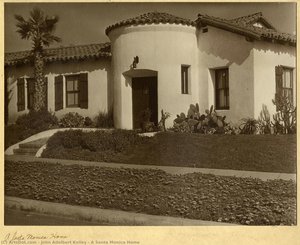
Kelley’s artistic style can be described as representational with leanings towards the Primitive School, characterized by its simplicity and directness. While formal art training remains undocumented, it's reasonable to assume he was influenced by the American Regionalist movement of the 1930s, which emphasized depictions of rural life and local scenes. His paintings share a similar focus on capturing the essence of a specific place and time. The influence of California Impressionism is also discernible in his use of light and color, though Kelley’s work possesses a distinct clarity and precision that sets it apart. He wasn't attempting to recreate photographic realism but rather to convey his personal experience of Santa Monica—a world imbued with warmth, tranquility, and a sense of timeless beauty. A Santa Monica Home, for example, is not just a depiction of architecture; it’s an evocation of a particular mood and atmosphere.Legacy and Historical Significance
John Adelbert Kelley's legacy extends beyond his athletic achievements and artistic output. He represents a rare combination of dedication, discipline, and creative expression. Named “Runner of the Century” by Runner’s World magazine in 2000, he demonstrated that passion can manifest itself in multiple forms. His paintings offer a valuable glimpse into mid-century California life, capturing scenes that have since undergone significant change. He produced approximately twenty paintings annually, commissioned works like The Boston Dream, which beautifully illustrates the marathon course and the aspirations of runners, further solidifying his connection to both worlds he inhabited. Kelley’s story serves as an inspiration—a reminder that it is possible to pursue multiple passions with equal fervor and achieve excellence in diverse fields. His work continues to resonate with collectors and art enthusiasts alike, offering a unique perspective on American life and the enduring power of human creativity.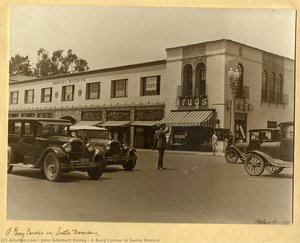
john adelbert kelley
1907 - 2004 , United States of America
Kratke činjenice
- Artistic Movement Or Style: Watercolor
- Date Of Death: 2004
- Full Name: John Adelbert Kelley (Adelbert Bartlett)
- Nationality: American
- Notable Artworks: ['A Santa Monica Home']
- Place Of Birth: United States of America