

 Pregledaj u prostoru
 Pošalji
 Podeli
 Detalji o delu

 Преузми
 Slični predmeti
 Rendgenski snimak
 Slajdovi
 Statistika
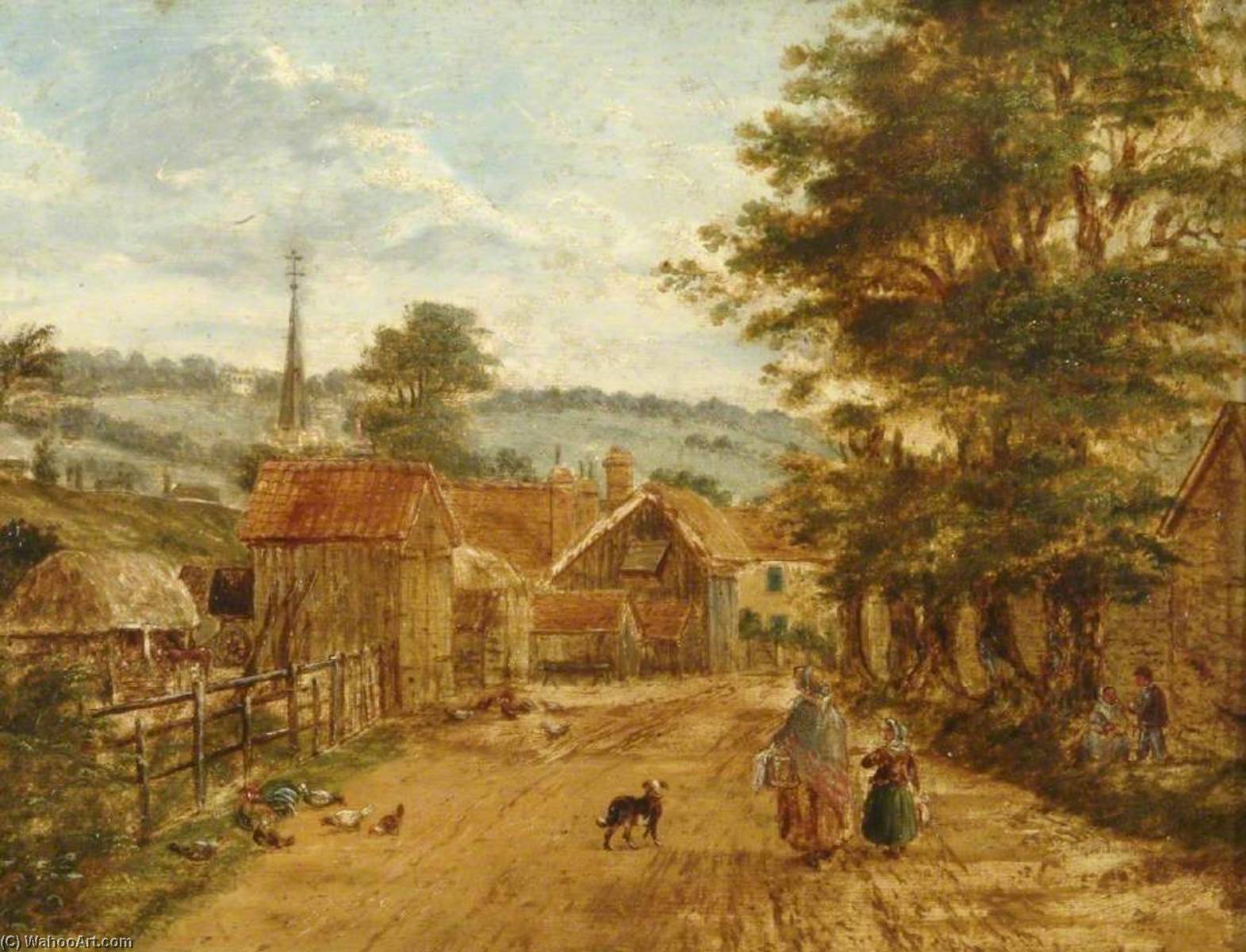
Dene Street, Dorking, Surrey
 1863
1863 24.0 x 32.0 cm
 Pročitaj više
Giclee štampa / Umetnički otisak
Giclée štampa ili print na platnu muzejskog kvaliteta uz brzu proizvodnju i fleksibilne opcije završne obrade. ( Kupi ručno naslikanu sliku Pređi na digitalnu sliku)




































Izaberite jednu od naših unapred definisanih veličina koje odgovaraju originalnim proporcijama umetničkog dela.

Možete uneti sopstvene dimenzije kako biste umetničko delo prilagodili specifičnom okviru ili prostoru. Ako odabrani format ne odgovara proporcijama originalne slike, mi ćemo ili iscrtati deo dela ili proširiti sliku pomoću ogledane ivice ili jednobojnog popunjavanja. Digitalni prikaz će vam biti poslat na odobrenje pre početka proizvodnje.
Imajte na umu da pregled na ekranu ne odražava stvarno iscrtavanje ili proširivanje. Samo će prikaz (mockup) precizno pokazati finalnu kompoziciju.
Iako su prilagođene dimenzije dostupne, preporučujemo da odaberete dimenziju sa unapred definisane liste kako biste očuvali originalne proporcije.
Dostava širom sveta () za 2 nedelje umesto uobičajenih 4/5 nedelja. (11 септембар)

Besplatna ekspresna dostava širom sveta

Visokokvalitetno laneno platno

Kompletno osiguranje transporta

Garancija povraćaja carine i uvoznih dažbina

Garancija vernosti boja

Politika povraćaja u roku od 100 dana (isključivo u slučaju nedostataka)

Garancija povrata novca od 100%

Popust pri grupnoj kupovini
 Opcija sa staklom dostupna je samo za dimenzije manje od 110 cm

Dene Street, Dorking, Surrey
Giclee štampa / Umetnički otisak
Dimenzije reprodukcije
-


Konačna cena
$ 62
Composition and Style
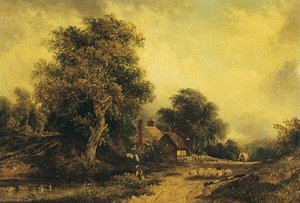
The composition of Dene Street, Dorking, Surrey features a dirt road lined with trees, villagers walking along the street, and a dog in the center. The presence of chickens adds to the rural atmosphere, creating a sense of tranquility and peacefulness. Beckett's use of natural elements, such as the grassy hillside and trees, emphasizes the village setting. The painting's old-fashioned feel is reminiscent of a bygone era, inviting viewers to step into the past.Artist and Context
John Beckett was a British artist known for his landscape and village scenes. His works often featured everyday life in rural England, showcasing his ability to capture the beauty in mundane scenes. Polesden Lacey, a historic country house near Dorking, Surrey, is also worth mentioning, as it showcases the region's rich history and architectural heritage. More information about Polesden Lacey can be found on ArtsDot.com.- Other notable works by John Beckett include South Street from Pump Corner, Dorking, Surrey, South Street, Dorking, Surrey, and St Martin's Medieval Nave, Dorking, Surrey.
- These paintings can be found on ArtsDot.com, along with other artworks by prominent artists.
The painting Dene Street, Dorking, Surrey is a charming representation of rural life in 19th-century England. With its peaceful atmosphere and beautiful composition, it is a must-see for art enthusiasts and those interested in the region's history. Visit ArtsDot.com to discover more about this painting and other artworks by John Beckett.
Srodna umetnička dela


Biografija umetnika
John Beckett (1799 – 1864): A Quiet Observer of Revolution
John Beckett, a British landscape painter born in Dorking, Surrey, remains an enigmatic figure despite his prolific output during the Romantic era. While overshadowed by more celebrated contemporaries like Turner and Constable, Beckett’s meticulous observation of the English countryside—particularly the idyllic villages of Surrey—yielded paintings that resonate with a subtle beauty and enduring appeal. His artistic journey unfolded against the backdrop of significant historical events, including the Napoleonic Wars and the burgeoning Industrial Revolution, shaping his perspective on both nature and society.- Early Life & Education: Beckett’s formative years were spent in a family steeped in intellectual pursuits. His father, William Beckett, was a barrister and instilled in John a passion for law and reason – influences that would subtly permeate Beckett's artistic sensibilities.
- Formal Training & Artistic Influences: Beckett received formal training at Eton College and subsequently pursued studies at Christ’s Hospital School, where he honed his drawing skills. Crucially, he apprenticed under John Constable, absorbing the master’s techniques for capturing atmospheric effects and conveying emotion through landscape painting. Constable's emphasis on tonal gradation and expressive brushwork undoubtedly impacted Beckett’s artistic style.
The Landscape Painter of Surrey: Style & Technique
Beckett’s distinctive approach to landscape painting centered around a commitment to accuracy combined with an understated sensitivity. Unlike the dramatic vistas favored by Turner, Beckett opted for tranquil scenes depicting rural life—often featuring cottages nestled amongst rolling hills and orchards laden with fruit. His canvases are characterized by meticulous detail – painstakingly rendered foliage, architectural features, and domestic interiors—reflecting Constable’s influence. However, Beckett skillfully avoided overtly sentimental depictions; instead, he conveyed a profound appreciation for the natural world through balanced compositions and subtle tonal harmonies. He employed a technique similar to Canaletto and Gainsborough, prioritizing clarity of form and atmospheric perspective.- Notable Paintings: Beckett produced over 300 paintings during his lifetime, many of which depict Surrey landscapes with remarkable precision. Among his most celebrated works are ‘Clarendon House,’ West Street, Dorking (1820), and ‘The Old Mill Pond,’ Farnham (circa 1845). These canvases exemplify Beckett’s mastery of tonal gradation and atmospheric perspective—techniques honed during his apprenticeship under Constable.
- Recurring Themes: Recurring themes in Beckett's oeuvre include the beauty of rural England, the rhythms of agricultural life, and the importance of harmony between humanity and nature. His paintings convey a sense of quiet contemplation and understated emotion – qualities that align with the broader aesthetic sensibilities of the Romantic movement.
Historical Context & Legacy
Beckett’s artistic output coincided with pivotal moments in British history. The Napoleonic Wars instilled a heightened awareness of national identity and fostered an interest in commemorating heroic deeds—themes that indirectly informed Beckett's artistic vision. Simultaneously, the Industrial Revolution transformed the English landscape, prompting artists to grapple with questions about progress versus tradition. Beckett’s paintings serve as valuable documents of this era, capturing the spirit of rural England before its dramatic transformation.- Recognition & Influence: While Beckett enjoyed modest commercial success during his lifetime, he gained posthumous recognition for his contribution to landscape painting. His meticulous observation and understated sensitivity continue to inspire artists today. Furthermore, Beckett’s work appeared in the HBO miniseries “John Adams,” providing a visual representation of the era and bolstering his artistic legacy.
Conclusion: A Painter's Quiet Contribution
John Beckett may not command the fame of Turner or Constable, but his paintings—particularly ‘Clarendon House’—remain treasured examples of Romantic landscape art. Through careful observation and masterful technique, Beckett captured a serene vision of rural England—a testament to the enduring power of quiet contemplation and artistic integrity.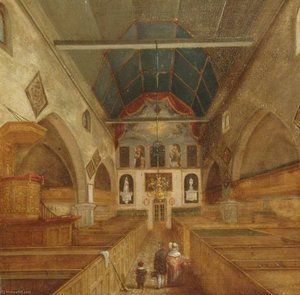
john beckett
1799 - 1864
Osnovne informacije
- Artistic Movement Or Style: Romantic Landscape Painting
- Artists Who Influenced This Artist:
- Canaletto
- Gainsborough
- Date Of Birth: 1799
- Date Of Death: 1864
- Full Name: John Beckett
- Nationality: British
- Notable Artworks: ['Clarendon House']
- Place Of Birth: England