

 Pregledaj u prostoru
 Pošalji
 Podeli
 Detalji o delu

 Преузми
 Slični predmeti
 Rendgenski snimak
 Slajdovi
 Statistika
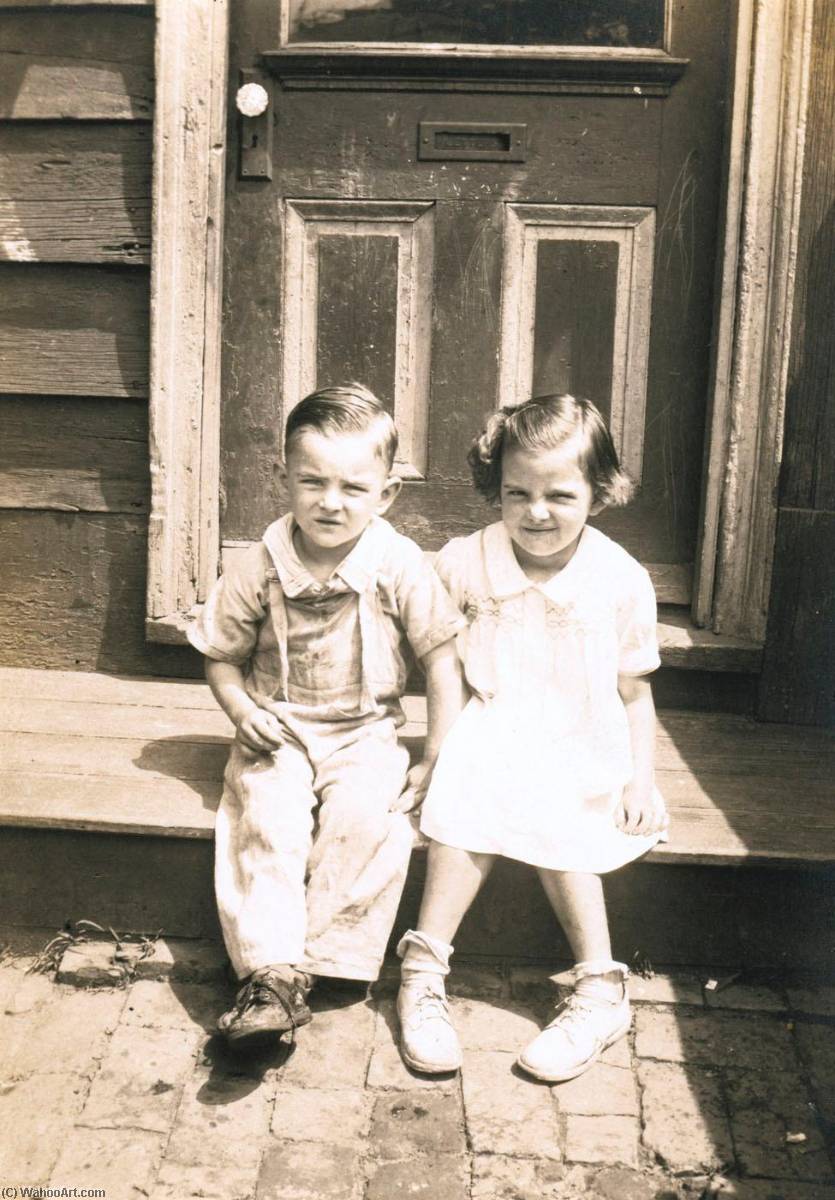
Children on a Stoop, Kensington, Philadelphia
 1925
1925 14.0 x 9.0 cm
 Pročitaj više
Ručno rađena uljana reprodukcija
Ručno oslikano uljanim bojama na platnu u dimenzijama i okviru po vašem izboru, izrađeno po porudžbini od strane naših umetnika. ( Pređi na štampu Pređi na digitalnu sliku)




































Izaberite jednu od naših unapred definisanih veličina koje odgovaraju originalnim proporcijama umetničkog dela.

Можете унети сопствене димензије како бисте прилагодили дело одређеном оквиру или простору. Ако одабрана величина не одговара пропорцијама оригинала, слика ће бити исечена или проширена додатним елементима који се ручно насликавају. Дигитални prikaz ће вам бити послат на одобрење пре почетка производње.
Имајте на уму да преглед на екрану не одражава стварно исецање или проширење. Само приказ (mockup) ће тачно приказати коначну композицију.
Иако су доступне прилагођене величине, препоручујемо да одаберете димензију из дефинисане листе како бисте сачували оригиналне пропорције.
Nakon narudžbine, tim ArtsDot.com će klijentu putem e-pošte poslati uputstva i dostaviti prikaz predloženog rešenja
Isporuka širom sveta () za 3/4 nedelje umesto uobičajenih 5 nedelja. (10 септембар). Bez kompromisa po pitanju kvaliteta.

Besplatna ekspresna dostava širom sveta

Visokokvalitetno laneno platno

Kompletno osiguranje transporta

Garancija povraćaja carine i uvoznih dažbina

Garancija vernosti boja

Politika povraćaja u roku od 100 dana (isključivo u slučaju nedostataka)

Garancija povrata novca od 100%

Popust pri grupnoj kupovini
 Opcija sa staklom dostupna je samo za dimenzije manje od 110 cm

Children on a Stoop, Kensington, Philadelphia
Tehnika reprodukcije
Dimenzije reprodukcije
-


Konačna cena
$ 263
Srodna umetnička dela









Biografija umetnika
A Quiet Observer: The Life and Legacy of John Frank Keith
John Frank Keith, a name largely absent from the annals of mainstream art history, nevertheless holds a unique and poignant place in American visual culture. Born in Bucks County, Pennsylvania, in 1883, his life unfolded as a quiet chronicle of everyday Philadelphia – a sprawling tapestry of working-class families, stoops overflowing with life, and the unassuming dignity of ordinary Americans. Keith wasn’t a formally trained artist; he was, quite simply, a photographer who dedicated nearly four decades to documenting the lives around him, capturing a slice of early 20th-century America with remarkable intimacy and honesty. His work offers a rare glimpse into a vanished world, a testament to the beauty found in the commonplace, and a poignant reminder of the stories untold by grand narratives.Early Life and Photographic Beginnings
Keith’s early life was shaped by a modest upbringing within a family deeply rooted in Pennsylvania’s agricultural landscape. His father, a farmer and produce dealer, instilled in him a connection to the land and a practical understanding of community. Following his father's death in 1908, Keith pursued an education at George School in Newtown, where he developed an interest in chemistry and photography – skills that would soon become inextricably linked with his life’s work. He wasn’t driven by ambition or a desire for fame; rather, it seems the quiet pursuit of capturing moments resonated deeply within him. His early career involved bookkeeping roles, suggesting a methodical nature and perhaps a fascination with order amidst the vibrant chaos he was about to capture on film. The 1920 census reveals his occupation as “Clerk” for the Eastern Fish Company, hinting at a life spent observing and recording details – skills that would prove invaluable in his photographic endeavors.The Kensington Years: A Portrait of Philadelphia
Keith’s most prolific period spanned roughly from 1910 to the mid-1940s, during which he established a studio in the Kensington neighborhood of South Philadelphia. This area, then a densely populated working-class district, became the subject of his relentless photographic gaze. He didn't seek out grand subjects or dramatic scenes; instead, he patiently documented the lives unfolding on sidewalks and stoops – families gathered for meals, children playing games, young couples strolling hand-in-hand, and laborers returning from a day’s work. His photographs are remarkably candid, eschewing posed compositions in favor of capturing genuine moments of everyday life. Notably, Keith's images rarely feature retouching or manipulation; he presented his subjects as they appeared, complete with the dirt, grime, and imperfections of their lives. He even included elements like discarded newspapers, overflowing trash cans, and stray dogs within the frame – a deliberate choice that underscored the authenticity of his work and reflected the realities of Kensington life. The Library Company of Philadelphia holds a significant collection of these photographs, offering invaluable insight into this forgotten corner of American history.A Unique Photographic Style: Stoops, Portraits, and Unvarnished Truth
Keith’s photographic style is characterized by its simplicity and directness. He typically photographed his subjects from eye-level, often capturing them in full profile against the backdrop of their homes or neighborhood streets. His compositions are remarkably unadorned, relying on natural light and a straightforward approach to framing. The backgrounds were rarely staged; they simply reflected the environment in which the subjects lived – weathered stoops, brick walls, and glimpses of bustling city life. He didn’t stamp his photographs with his name or address, suggesting a desire for anonymity and a respect for his subjects' privacy. The fact that he often left litter and other incidental details within the frame speaks volumes about his commitment to portraying reality without embellishment. His niece recalled him as “shy though friendly” and “lonely tho perhaps did not realize it too much he was always so busy,” suggesting a solitary figure driven by an internal need to connect with others through his lens.Legacy and Historical Significance
Despite the obscurity of his name, John Frank Keith’s photographs offer a crucial window into early 20th-century American life. They represent a rare example of documentary photography focused on ordinary people – a counterpoint to the grand narratives often presented in art history. His work is particularly valuable for its depiction of working-class Philadelphia and its residents, providing a tangible record of their lives and struggles. The collection at The Library Company of Philadelphia continues to be studied by historians and researchers seeking to understand the social and cultural dynamics of the era. Keith’s legacy lies not in fame or recognition, but in his quiet dedication to capturing the beauty and dignity of everyday life – a testament to the power of photography as a means of preserving memory and bearing witness to the human experience. His images serve as a poignant reminder that even the most unassuming lives hold stories worth telling.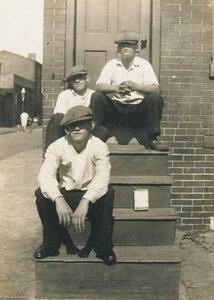
john frank keith
1883 - 1947
Osnovne informacije
- Artistic Movement Or Style: Tonalist painter
- Artists Or Movements Influenced By This Artist: ['None specified']
- Artists Who Influenced This Artist: ['None specified']
- Date Of Birth: March 16, 1883
- Date Of Death: December 28, 1947
- Full Name: John Frank Keith
- Nationality: American
- Notable Artworks:
- Kensington paintings
- California landscapes
- Place Of Birth: Bucks County, Pennsylvania