

 Pošalji
 Podeli
 Detalji o delu

 Преузми
 Slični predmeti
 Slajdovi
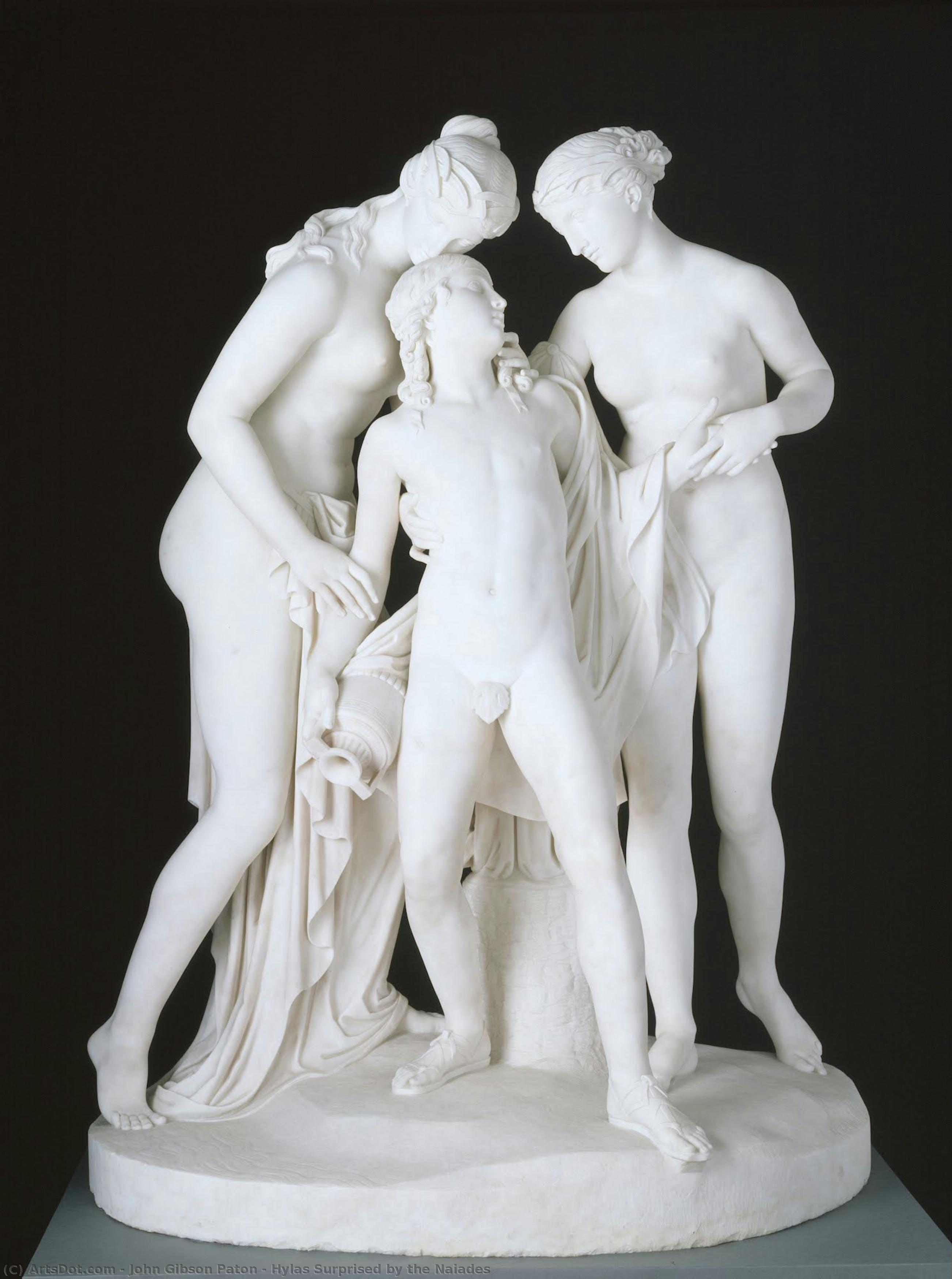
Hylas Surprised by the Naiades
 Sculpture
- Sculpture
- Neoclassical
 19.0 x 71.0 cm
 Тхе Тате Бритен
 Pročitaj više
Kupite digitalnu sliku visoke rezolucije i poboljšanog kvaliteta, koja je znatno superiornija od onoga što vidite u online prikazu.
Svaka datoteka je pedantno pripremljena od strane naših stručnjaka koristeći napredne alate i profesionalnu ručnu retušu. Osiguravamo da svaka slika ima izuzetnu oštrinu, preciznu reprodukciju boja i fine detalje.
Konačna datoteka se dostavlja putem e-pošte u roku od 72 sata, optimizovana za neposrednu upotrebu u profesionalnim, izdavačkim i štamparskim okruženjima. To je isti kvalitet kojem veruju vrhunski studiji dizajna, izdavači i galerije.
Digitalna slika
Preuzmite datoteku visoke rezolucije za ličnu upotrebu, štampanje i kreativne projekte. ( Kupi print Kupi ručno naslikanu sliku)
Uključeno uz svaku porudžbinu digitalne slike
Profesionalna digitalna isporuka, zagarantovana
Kada odaberete ArtsDot.com, ne dobijate samo sliku – vi primate profesionalno unapređeno digitalno umetničko delo, izrađeno sa najvećom preciznošću i uz garanciju zadovoljstva. Evo svega što automatski dolazi uz vašu porudžbinu:

Brza dostava putem e-pošte
Vaša digitalna slika visoke rezolucije biće vam poslata putem e-pošte u roku od 72 sata od poručivanja – spremna za trenutnu upotrebu.

Digitalna datoteka unapređena veštačkom inteligencijom
Vaše umetničko delo je profesionalno optimizovano korišćenjem naprednih AI alata i ručne obrade, čime se osiguravaju maksimalni detalji, oštrina i preciznost boja.

Besplatna ponovna isporuka doživotno
Slučajno ste obrisali ili izgubili svoju datoteku? Ne brinite – poslaćemo vam je ponovo u bilo kom trenutku, potpuno besplatno.

Bez troškova uvoza – zauvek
Uživajte u svojim umetničkim delima trenutno, bez carine, dažbina ili troškova dostave – digitalni download je uvek bez poreza.

Garancija vernosti boja
Uz pomoć profesionalnih alata i upravljanja bojama, osiguravamo da vaša digitalna slika što vernije odražava originalne boje.

Garancija zadovoljstva u roku od 60 dana
Ako niste zadovoljni svojom digitalnom slikom, revidirat ćemo je ili vratiti 100% novca u roku od 60 dana – bez ikakvih pitanja.

100% garancija povrata novca
Niste zadovoljni? Obezbedite pun povrat novca u roku od 60 dana od trenutka kada ste primili svoju digitalnu datoteku – bez suvišnih pitanja.

Popusti na velike porudžbine
Kupite 3 slike, uštedite 10% - Kupite 5 slika, uštedite 15% - Kupite 10+ slika, uštedite 20%. Odlično za kreativne projekte, galerije i agencije.
Opis kolekcionarskog dela
A Moment Frozen in Mythic Grace: John Gibson’s “Hylas Surprised by the Naiades”
John Gibson Paton's "Hylas Surprised by the Naiades," created around 1827-1836, stands as a testament to Neoclassical idealism and the enduring fascination with Greek mythology. More than just a sculpture; it’s an embodiment of beauty, desire, and the transformative power of nature—themes that resonate powerfully even today. Located in Tate Britain, this marble masterpiece captures a pivotal scene from Homer's Iliad, specifically the abduction of Hippolyte by Zeus disguised as Poseidon, where Hylas, son of King Thiodomus, is captivated by the nymphs inhabiting a fountain – a moment rendered with breathtaking precision and emotional depth.Composition and Form: A Triangular Dance of Figures
Gibson’s masterful composition utilizes a triangular arrangement that draws the viewer's eye upwards towards the central figure of Hylas. Two female nymphs dominate the lower section, their outstretched hands conveying an irresistible invitation to join Hylas in his reverie. The fourth nymph stands slightly apart, observing the unfolding drama with serene contemplation—a subtle counterbalance to the palpable tension between Hylas and the nymphs. This deliberate structuring contributes to a sense of stability while simultaneously mirroring the dynamic interplay of emotions depicted within the sculpture itself. The circular base upon which it rests reinforces this visual grounding, anchoring the artwork firmly in its surroundings.Materiality and Technique: Marble’s Embrace of Ideal Beauty
Gibson's choice of marble—a material revered for its purity and ability to capture light—is crucial to conveying the sculpture’s ethereal quality. The sculptor painstakingly honed the stone to achieve a surface finish that reflects both subtle variations in texture and brilliant highlights, emphasizing the tactile nature of the medium. Gibson skillfully employed classical modeling techniques, meticulously sculpting the drapery folds and musculature to emulate the idealized forms championed by Neoclassical artists like Antonio Canova. These meticulous efforts ensured that every curve and contour contributed to an overall impression of serene grace and timeless beauty.Mythological Narrative and Symbolic Resonance
The sculpture’s narrative draws directly from Homer's Iliad, portraying Hylas’s astonishment at the nymphs’ allure—a symbol of irresistible temptation and the seductive power of feminine beauty. The nymphs represent divine femininity, embodying both nurturing compassion and sensual desire. Gibson’s depiction captures not merely a visual spectacle but also explores profound philosophical questions about human perception and the influence of external forces on inner experience. The inclusion of elements like amphorae—symbols of fertility and abundance—further reinforces this connection to mythological traditions.Emotional Impact: Capturing Transient Wonder
“Hylas Surprised by the Naiades” transcends mere representation; it aspires to evoke a feeling of contemplative wonder. Gibson’s expressive rendering of Hylas's gaze – filled with surprise and longing – communicates an emotional vulnerability that resonates deeply with viewers. The sculpture invites us to contemplate the fleeting nature of beauty, desire, and the transformative potential of encountering something extraordinary. Its enduring appeal lies in its ability to capture a moment frozen in time—a testament to Gibson’s artistic genius and his unwavering devotion to portraying idealized forms rooted in classical mythology.Srodna umetnička dela
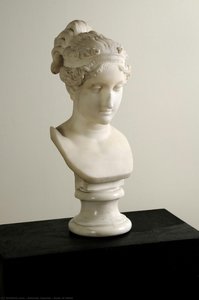
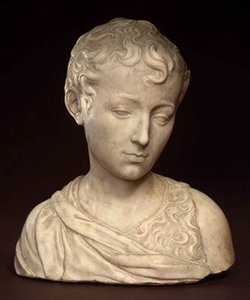
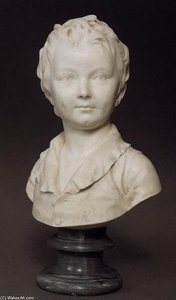
Biografija umetnika
The Dual Legacy of John Gibson Paton: Faith and Form
The life of John Gibson Paton (1824-1907) presents a fascinating duality, a rare intersection where the fervent devotion of a missionary meets the delicate precision of a classical artist. Born in Barrow-in-Furness, Scotland, Paton’s early years were steeped in the rigorous piety of a Presbyterian upbringing. Under the influence of his father, James Paton, a man dedicated to the spread of scripture, the young John developed a profound sense of purpose that would eventually lead him far from the familiar landscapes of Cumbria. Yet, beneath this layer of theological preparation lay an emerging sensitivity to beauty and form, a creative impulse that would later find expression in works that bridged the gap between the sacred and the mythological.
Paton’s journey was one of extraordinary geographical and spiritual breadth. In 1858, he embarked on a transformative mission to the New Hebrides, now known as Vanuatu. This period of his life was defined by intense humanitarian struggle and pioneering evangelism. Alongside his wife, Mary Ann Robson, Paton navigated the complexities of colonial-era Pacific life, working tirelessly to establish Protestant missions and advocating against the horrific practice of blackbirding—the kidnapping of indigenous peoples for forced labor. This era of his life provided a stark, visceral contrast to the idealized worlds of classical myth, yet it was perhaps this very encounter with the raw realities of human existence that deepened the emotional resonance found in his artistic sensibilities.
Classical Echoes and Artistic Vision
While his missionary work focused on the salvation of souls, Paton’s artistic output sought to capture the eternal beauty of classical antiquity. His work often drew upon the rich tapestry of Greek mythology, utilizing neoclassical themes to explore concepts of desire, nature, and the divine. One of the most striking examples of this is seen in Hylas Surprised by the Naiades. This piece captures a quintessential moment of mythological tension: the encounter between the young Hylas and the enchanting nymphs at a woodland fountain. Through his mastery of composition, Paton was able to evoke an atmosphere of dreamlike enchantment, where the boundaries between the human and the supernatural become beautifully blurred.
The technical execution of his work reflects a deep reverence for the idealized forms characteristic of the 19th-century neoclassical tradition. His ability to render texture and light suggests a profound understanding of the classical masters, aiming to achieve a sense of balance and harmony that transcends time. Whether exploring the soft, ethereal presence in works like Tinted Venus or the intimate character studies found in his Portrait of Woman, Paton’s art remains anchored in a pursuit of aesthetic perfection. His paintings do not merely depict scenes; they invite the viewer into a contemplative space where the legends of old are given new, luminous life.
Historical Significance and Enduring Impression
The historical significance of John Gibson Paton lies in his ability to inhabit two seemingly disparate worlds with equal intensity. He was a man of action in the Pacific, a defender of human rights and a pioneer of religious expansion, yet he remained a man of reflection, finding solace and expression in the timeless narratives of myth. This tension between the historical reality of his missionary life and the mythological escapism of his art creates a unique biographical narrative that continues to intrigue scholars and art enthusiasts alike.
Today, Paton is remembered not only for his impactful humanitarian efforts but as an artist who successfully translated the spiritual fervor of his era into the language of classical beauty. His legacy serves as a testament to the complexity of the human spirit—capable of both the most rigorous moral conviction and the most delicate aesthetic appreciation. Through his works, we are reminded that even in the midst of life's most arduous journeys, there remains an enduring search for the sublime.
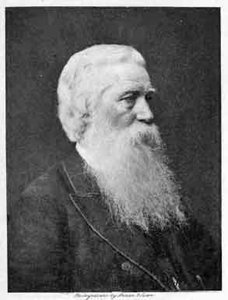
john gibson paton
1824 - 1907 , United Kingdom
Kratke činjenice
- Artistic Movement Or Style: Victorian Painting
- Artists Who Influenced This Artist:
- William Holman Hunt
- John Everett Millais
- Date Of Birth: May 24, 1824
- Date Of Death: January 28, 1907
- Full Name: John Gibson Paton
- Nationality: Scottish
- Notable Artworks:
- Tinted Venus
- Hylas Surprised by the Naiades
- Portrait of Woman
- Place Of Birth: Barrow-in-Furness, United Kingdom

