

 Pregledaj u prostoru
 Pošalji
 Podeli
 Detalji o delu

 Преузми
 Slični predmeti
 Rendgenski snimak
 Slajdovi
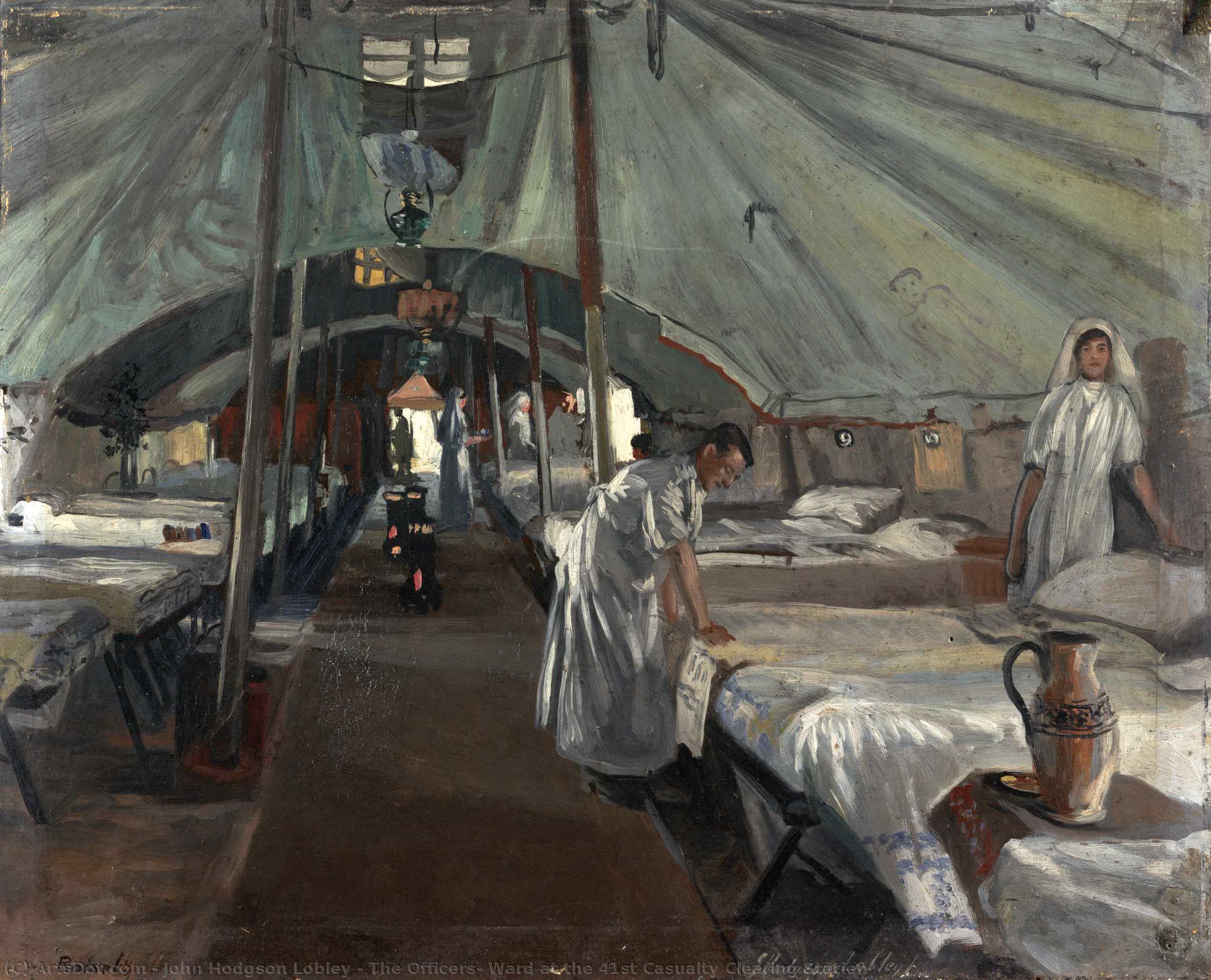
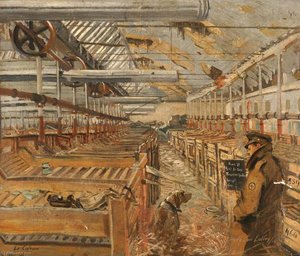
The Officers' Ward at the 41st Casualty Clearing Station
 1919
1919 32.0 x 39.0 cm
 Pročitaj više
Giclee štampa / Umetnički otisak
Giclée štampa ili print na platnu muzejskog kvaliteta uz brzu proizvodnju i fleksibilne opcije završne obrade. ( Kupi ručno naslikanu sliku Kupi digitalnu sliku)




































Izaberite jednu od naših unapred definisanih veličina koje odgovaraju originalnim proporcijama umetničkog dela.

Možete uneti sopstvene dimenzije kako biste umetničko delo prilagodili specifičnom okviru ili prostoru. Ako odabrani format ne odgovara proporcijama originalne slike, mi ćemo ili iscrtati deo dela ili proširiti sliku pomoću ogledane ivice ili jednobojnog popunjavanja. Digitalni prikaz će vam biti poslat na odobrenje pre početka proizvodnje.
Imajte na umu da pregled na ekranu ne odražava stvarno iscrtavanje ili proširivanje. Samo će prikaz (mockup) precizno pokazati finalnu kompoziciju.
Iako su prilagođene dimenzije dostupne, preporučujemo da odaberete dimenziju sa unapred definisane liste kako biste očuvali originalne proporcije.
Dostava širom sveta () za 2 nedelje umesto uobičajenih 4/5 nedelja. (7 септембар)

Besplatna ekspresna dostava širom sveta

Visokokvalitetno laneno platno

Kompletno osiguranje transporta

Garancija povraćaja carine i uvoznih dažbina

Garancija vernosti boja

Politika povraćaja u roku od 100 dana (isključivo u slučaju nedostataka)

Garancija povrata novca od 100%

Popust pri grupnoj kupovini
 Opcija sa staklom dostupna je samo za dimenzije manje od 110 cm

The Officers' Ward at the 41st Casualty Clearing Station
Giclee štampa / Umetnički otisak
Dimenzije reprodukcije
-


Konačna cena
$ 62
The Scene Unfolds
The painting captures a moment within a hospital tent, where several individuals are gathered. Two women stand at opposite sides of the tent, while a man sits in the center. The scene is filled with various objects, including two bottles and a cup, which add to the sense of realism and immediacy.Artistic Significance
John Hodgson Lobley's work is notable for its detailed and compassionate portrayal of life during wartime. His use of oil on panel creates a rich texture that draws the viewer into the scene. The black and white color palette adds a sense of somberness, underscoring the gravity of the situation.Contextualizing the Painting
The Dayton Art Institute, located in Dayton, Ohio, is home to an impressive collection of American art, including works that reflect on the nation's history and experiences. The museum's collection spans 5,000 years, offering a comprehensive look at artistic expression over time.Other Relevant Works
- The Officers' Ward at the 41st Casualty Clearing Station by John Hodgson Lobley - The Church of England Tent, 39th Stationary Hospital, Ascq, September 1919 by John Hodgson Lobley - National Museum in Belgrade by National Museum Of SerbiaConclusion
The Officers' Ward at the 41st Casualty Clearing Station is a powerful and moving piece that captures the human cost of war. Through his art, John Hodgson Lobley provides a window into the experiences of those who served during World War I, reminding us of the importance of compassion and understanding in times of conflict. ArtsDot.com offers high-quality, handmade oil painting reproductions of this piece, allowing you to bring a piece of history into your home.Srodna umetnička dela






Biografija umetnika
A Legacy of Resilience: The Life and Art of John Hodgson Lobley
Born in the industrious heart of Huddersfield, Yorkshire, in 1878, John Hodgson Lobley emerged from a family of woollen merchants to carve out a profound place in the annals of British art history. His early years were defined by a rigorous academic pursuit, as he sought refinement within the prestigious halls of the Slade School of Fine Art, the Royal College of Art, and the Royal Academy. These institutions provided him with more than just technical mastery; they instilled a meticulous discipline of observation that would later allow him to capture the most harrowing and tender moments of human existence with unparalleled clarity. While his roots were in the North, Lobley’s life eventually led him to the vibrant atmosphere of London, where he married Eliza Maud Grimshaw, and later to the serene landscapes of Dorset, a move that mirrored the shifting focus of his creative spirit.
The trajectory of Lobley’s career was irrevocably altered by the onset of the Great War. Commissioned by the Royal Army Medical Corps, he was tasked with an immense and emotionally taxing responsibility: to document the medical efforts of the British forces during World War I. Unlike many of his contemporaries who sought to capture the thunderous glory of the battlefield or the heroic charge of cavalry, Lobley turned his gaze toward the quiet, often overlooked corners of conflict. He produced over 120 paintings that served as a vital visual record of rehabilitation hospitals, training camps, and casualty clearing stations across France and Britain. His work from this period, such as the hauntingly realistic Reception of the Wounded at the 41st Casualty Clearing Station, eschews the romanticism of war in favor of a somber, empathetic realism that highlights the dignity of the wounded and the tireless devotion of medical personnel.
Technique, Influence, and the Impressionist Eye
While his wartime subject matter demanded a certain level of documentary precision, Lobley’s artistic soul was deeply nourished by the movements of Impressionism and Post-Impressionism. He did not merely seek to replicate reality; he sought to translate the ephemeral qualities of light, atmosphere, and emotion onto the canvas. This stylistic inclination is most evident in his landscapes and his more intimate portraits. By utilizing a sophisticated blend of color palettes and expressive brushstrokes, he was able to imbant his scenes with a psychological depth that transcends simple representation. Whether depicting the tranquil beauty of a London park or the golden hues of a sunset over the English countryside, Lobley’s hand was always guided by an attempt to capture the fleeting essence of a moment.
His technical prowess was recognized early in his career through significant accolades, including the prestigious Turner Gold Medal for landscape painting in 1903. This foundation of excellence allowed him to navigate various genres with ease, moving from the structured compositions of his academic training to the more fluid, atmospheric qualities of his later works. His ability to balance the heavy, somber tones required for his military hospital scenes with the luminous, airy textures of his landscapes demonstrates a remarkable versatility that few artists of his era could claim.
Historical Significance and Lasting Impression
The historical importance of John Hodgson Lobley lies in his role as a witness to history. His paintings function as much as historical documents as they do works of fine art, offering a poignant glimpse into the daily realities of medical care during one of the most turbulent periods of the twentieth century. Through his lens, we see the quiet dignity of those recovering from trauma and the resilience of the human spirit amidst chaos. His work provides a necessary counter-narrative to the often-sanitized versions of war, presenting instead a raw, empathetic view of the human cost of conflict.
Today, Lobley’s legacy is preserved in significant collections worldwide, ensuring that his unique perspective continues to resonate with modern audiences. His contributions can be found within the archives of:
- The Imperial War Museum, which holds a substantial collection of his wartime documentation.
- The Royal Academy, representing his academic excellence and formal training.
- The Royal Society of British Artists, showcasing his standing among his peers.
- The Goupil Gallery and various private collections, preserving his landscapes and portraits.
Ultimately, the art of John Hodgson Lobley remains a testament to the power of empathy in art. He was an artist who looked closely at the wounds of his era—both physical and psychological—and responded not with shock or glorification, but with a profound, painterly respect for the endurance of life.
john hodgson lobley
1878 - 1954
Osnovne informacije
- Artistic Movement Or Style: Impressionism
- Artists Or Movements Influenced By This Artist: ['Royal Academy']
- Artists Who Influenced This Artist: ['Slade School of Fine Art']
- Date Of Birth: November 28, 1878
- Date Of Death: 1954
- Full Name: John Hodgson Lobley
- Nationality: English
- Notable Artworks: ['Reception of the Wounded at the 41st Casualty Clearing Station']
- Place Of Birth: Huddersfield, Yorkshire