

 Pregledaj u prostoru
 Pošalji
 Podeli
 Detalji o delu

 Преузми
 Slični predmeti
 Rendgenski snimak
 Slajdovi
 Statistika
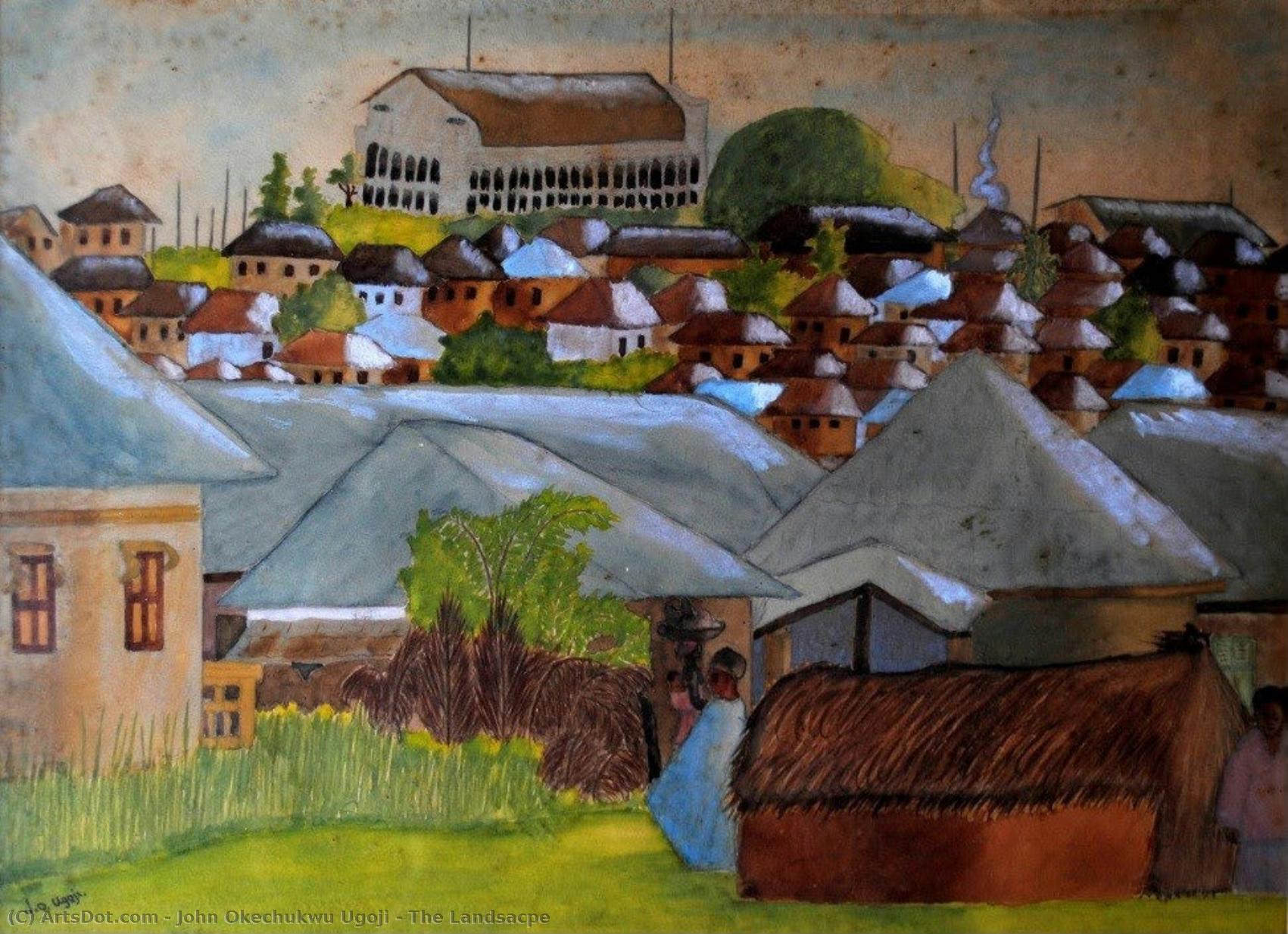
The Landsacpe
 1951
1951 50.0 x 41.0 cm
 Yemisi Shyllon Museum of Art
 Pročitaj više
Kupite digitalnu sliku visoke rezolucije i poboljšanog kvaliteta, koja je znatno superiornija od onoga što vidite u online prikazu.
Svaka datoteka je pedantno pripremljena od strane naših stručnjaka koristeći napredne alate i profesionalnu ručnu retušu. Osiguravamo da svaka slika ima izuzetnu oštrinu, preciznu reprodukciju boja i fine detalje.
Konačna datoteka se dostavlja putem e-pošte u roku od 72 sata, optimizovana za neposrednu upotrebu u profesionalnim, izdavačkim i štamparskim okruženjima. To je isti kvalitet kojem veruju vrhunski studiji dizajna, izdavači i galerije.
Digitalna slika
Preuzmite datoteku visoke rezolucije za ličnu upotrebu, štampanje i kreativne projekte. ( Pređi na štampu Kupi ručno naslikanu sliku)
Uključeno uz svaku porudžbinu digitalne slike
Profesionalna digitalna isporuka, zagarantovana
Kada odaberete ArtsDot.com, ne dobijate samo sliku – vi primate profesionalno unapređeno digitalno umetničko delo, izrađeno sa najvećom preciznošću i uz garanciju zadovoljstva. Evo svega što automatski dolazi uz vašu porudžbinu:

Brza dostava putem e-pošte
Vaša digitalna slika visoke rezolucije biće vam poslata putem e-pošte u roku od 72 sata od poručivanja – spremna za trenutnu upotrebu.

Digitalna datoteka unapređena veštačkom inteligencijom
Vaše umetničko delo je profesionalno optimizovano korišćenjem naprednih AI alata i ručne obrade, čime se osiguravaju maksimalni detalji, oštrina i preciznost boja.

Besplatna ponovna isporuka doživotno
Slučajno ste obrisali ili izgubili svoju datoteku? Ne brinite – poslaćemo vam je ponovo u bilo kom trenutku, potpuno besplatno.

Bez troškova uvoza – zauvek
Uživajte u svojim umetničkim delima trenutno, bez carine, dažbina ili troškova dostave – digitalni download je uvek bez poreza.

Garancija vernosti boja
Uz pomoć profesionalnih alata i upravljanja bojama, osiguravamo da vaša digitalna slika što vernije odražava originalne boje.

Garancija zadovoljstva od 100 dana
Ako niste zadovoljni svojom digitalnom slikom, izvršićemo reviziju ili ćemo vam vratiti 100% novca u roku od 100 dana – bez ikakvih pitanja.

100% garancija povrata novca
Niste zadovoljni? Dobijte puni povraćaj novca u roku od 100 dana od prijema digitalne datoteke – bez suvišnih pitanja.

Popusti na velike porudžbine
Kupite 3 slike, uštedite 10% - Kupite 5 slika, uštedite 15% - Kupite 10+ slika, uštedite 20%. Odlično za kreativne projekte, galerije i agencije.
Srodna umetnička dela








Biografija umetnika
Andrew Wyeth: A Vision of American Isolation
Andrew Newell Wyeth (July 12, 1917 – January 16, 2009) stands as one of the most distinctive and enduring figures in 20th-century American art. Often described as a realist painter, his work transcends simple representation, delving into themes of isolation, memory, and the quiet dignity of rural life—particularly within the landscapes of Pennsylvania and Maine. Wyeth’s unique style, characterized by meticulous detail, muted color palettes, and an uncanny ability to capture psychological depth, has secured him a place among the giants of American art, though he himself often resisted categorization. His career spanned nearly eight decades, marked by a profound dedication to his subjects and a relentless pursuit of capturing the essence of human experience within the confines of his chosen environments.Early Life and Influences: A Foundation in Tradition
Born in Boston, Massachusetts, Andrew Wyeth’s artistic journey began under the tutelage of his father, N.C. Wyeth, a celebrated illustrator and member of the Brandywine School. This formative relationship profoundly shaped young Andrew's approach to art. Unlike his more flamboyant and commercially successful father, who favored dynamic storytelling illustrations, Andrew developed a quieter, more introspective style. His early years were spent in Cushing, Maine, where he absorbed the rhythms of rural life and cultivated an intimate connection with the landscape—a connection that would become central to his artistic vision. Wyeth’s influences extended beyond his father; Winslow Homer's evocative depictions of the sea and Henry David Thoreau’s philosophy of observation deeply resonated with him. He also found inspiration in the works of King Vidor, a filmmaker known for his meticulous attention to detail and ability to convey emotion through visual storytelling. These diverse sources combined to forge a distinctly personal style—one rooted in tradition yet imbued with a unique sensibility.The Christina’s World Series: A Masterpiece of Psychological Depth
Perhaps Wyeth's most famous work, *Christina’s World* (1948), resides within the Museum of Modern Art in New York City and exemplifies his artistic strengths. The painting depicts an elderly woman, Christina Olson, a former patient at the Cushing Mental Hospital, slowly walking through a field of withered corn stalks. The scene is imbued with a palpable sense of loneliness, resilience, and quiet dignity. Wyeth’s masterful use of light and shadow, combined with his subtle rendering of texture and form, creates an atmosphere of profound emotional resonance. The painting isn't merely a depiction of a physical space; it’s a meditation on memory, aging, and the enduring spirit of those often overlooked by society. The series of paintings depicting Christina Olson further solidified Wyeth’s reputation, demonstrating his ability to transform a single subject into a complex and deeply moving portrait.Regionalism and the Landscape: A Personal Universe
Wyeth's artistic focus remained consistently rooted in the landscapes of Pennsylvania and Maine—the places he knew intimately and loved fiercely. He didn’t simply paint these locations; he painted *his* landscape, a personal universe shaped by memory, observation, and an almost obsessive attention to detail. His paintings often feature ordinary subjects – weathered barns, portraits of family members, glimpses of rural life – but rendered with extraordinary sensitivity and psychological insight. He frequently depicted his wife, Carolyn Bockius Wyeth, in various settings—a recurring motif that speaks to the enduring power of love and companionship. The windows in his paintings are particularly notable; they serve as portals into private worlds, offering glimpses of domestic interiors and suggesting a sense of hidden narratives.Legacy and Recognition: A Painter's Quiet Triumph
Andrew Wyeth’s career was marked by a deliberate avoidance of public attention. He shunned the spotlight, preferring to let his art speak for itself. Despite this reticence, he achieved widespread recognition and critical acclaim—receiving the Presidential Medal of Freedom in 1988 and being elected to the French Academy of Beaux Arts in 1989. His work continues to be exhibited around the world and remains a subject of intense study and appreciation. Wyeth’s legacy lies not only in his stunningly beautiful paintings but also in his profound ability to capture the essence of human experience—the quiet moments, the unspoken emotions, and the enduring beauty of the American landscape. He left behind a body of work that is both deeply personal and universally resonant, solidifying his place as one of America’s most important artists of the 20th century.
john okechukwu ugoji
1917 - 1981 , Nigeria
Kratke činjenice
- Artistic Movement Or Style: Regionalist, Realist
- Artists Who Influenced This Artist: ['Winslow Homer, Henry David Thoreau, King Vidor],\n "Artists or movements influenced by this artist": ["N.C. Wyeth", "Brandywine School"]\n}']
- Date Of Birth: July 12, 1917
- Date Of Death: January 16, 2009
- Full Name: Andrew Newell Wyeth
- Nationality: American
- Notable Artworks:
- Christina's World
- Windows
- The Crow House
- Place Of Birth: Chadds Ford, Pennsylvania