

 Pregledaj u prostoru
 Pošalji
 Podeli
 Detalji o delu

 Преузми
 Slični predmeti
 Rendgenski snimak
 Slajdovi
 Stats
StatsIndian Hunter


 Pročitaj više
Ručno rađena uljana reprodukcija
Ručno oslikano uljanim bojama na platnu u dimenzijama i okviru po vašem izboru, izrađeno po porudžbini od strane naših umetnika. ( Switch to Print Switch to Digital Image)




































Izaberite jednu od naših unapred definisanih veličina koje odgovaraju originalnim proporcijama umetničkog dela.

Можете унети сопствене димензије како бисте прилагодили дело одређеном оквиру или простору. Ако одабрана величина не одговара пропорцијама оригинала, слика ће бити исечена или проширена додатним елементима који се ручно насликавају. Дигитални prikaz ће вам бити послат на одобрење пре почетка производње.
Имајте на уму да преглед на екрану не одражава стварно исецање или проширење. Само приказ (mockup) ће тачно приказати коначну композицију.
Иако су доступне прилагођене величине, препоручујемо да одаберете димензију из дефинисане листе како бисте сачували оригиналне пропорције.
Nakon narudžbine, tim ArtsDot.com će klijentu putem e-pošte poslati uputstva i dostaviti prikaz predloženog rešenja
Isporuka širom sveta () za 3/4 nedelje umesto uobičajenih 5 nedelja. (8 септембар). Bez kompromisa po pitanju kvaliteta.

Besplatna ekspresna dostava širom sveta

Visokokvalitetno laneno platno

Kompletno osiguranje transporta

Garancija povraćaja carine i uvoznih dažbina

Garancija vernosti boja

Politika povraćaja u roku od 100 dana (isključivo u slučaju nedostataka)

Garancija povrata novca od 100%

Popust pri grupnoj kupovini
 Opcija sa staklom dostupna je samo za dimenzije manje od 110 cm

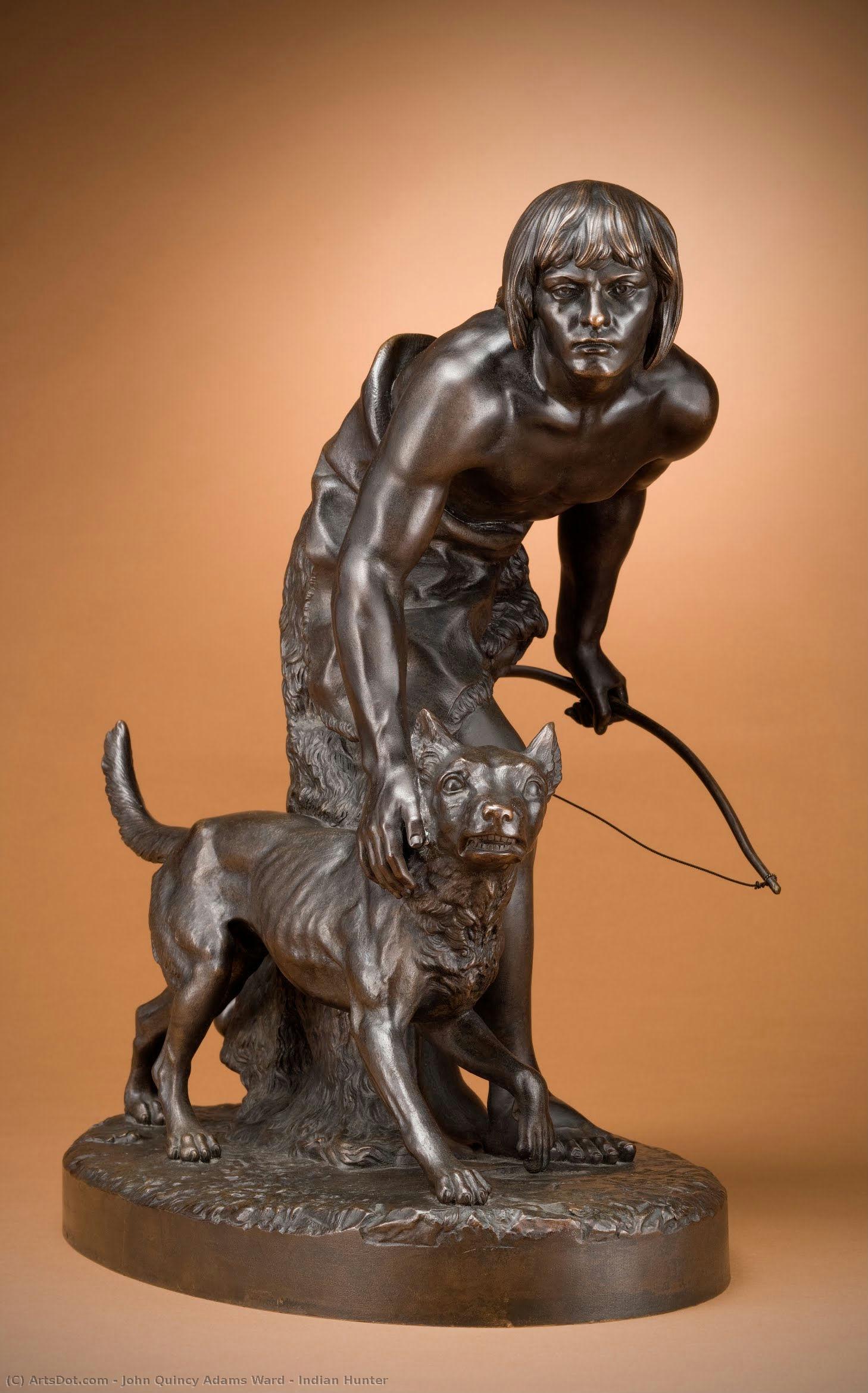
Indian Hunter
Tehnika reprodukcije
Dimenzije reprodukcije
-


Konačna cena
$ 263
Srodna umetnička dela





Biografija umetnika
The Sculptor of American Identity
In the grand tapestry of nineteenth-century American art, few figures captured the burgeoning spirit of a young nation quite like John Quincy Adams Ward. Born in 1830 in Urbana, Ohio, Ward’s journey from the quiet landscapes of the American Midwest to the monumental heights of New York City’s artistic elite is a testament to the power of classical training met with raw, naturalistic vision. His early fascination with three-dimensional form was ignited not in a prestigious academy, but through the tactile influence of a local potter, Miles Chatfield. This early connection to the earth and clay would later manifest in a sculptural style characterized by an extraordinary attention to anatomical precision and a profound sense of physical presence.
As Ward transitioned from his family farm to the rigorous halls of the National Academy of Design in New York, he began to refine the technical prowess that would become his hallmark. Under the mentorship of the esteemed sculptor Henry Kirke Brown, Ward absorbed the nuances of classical composition while simultaneously pushing toward a more realistic, naturalistic aesthetic. This period of development was crucial; it allowed him to move beyond mere imitation of European traditions, instead seeking to create a uniquely American sculptural language—one that could honor historical figures with both dignity and a palpable, breathing vitality.
Mastery of Form and Historical Resonance
The true brilliance of Ward’s work lies in his ability to breathe life into bronze and stone, transforming static monuments into evocative narratives. His mastery is perhaps most famously realized in the George Washington statue that stands sentinel on the steps of Federal Hall National Memorial in New York City. This larger-than-life figure does not merely represent a historical icon; it embodies the very gravity and leadership of the era. Through meticulous detail and a commanding stance, Ward achieved a sense of monumental permanence that has become an indelible part of the American cityscape.
Beyond his patriotic tributes, Ward possessed a remarkable ability to capture the human condition through more intimate, stylized subjects. His work The Indian Hunter serves as a profound example of this duality. In this piece, housed at the Amon Carter Museum of American Art, one sees the artist’s skill in blending anatomical accuracy with a poetic, almost mythic quality. The sculpture reflects a deep engagement with the themes of the American frontier and the ruggedness of its inhabitants, showcasing a level of detail that invites the viewer to contemplate the texture of skin, the tension of muscle, and the quiet intensity of the subject's gaze.
A Lasting Legacy in American Art
The significance of John Quincy Adams Ward extends far beyond the physical dimensions of his statues. He was a pivotal figure in establishing a sculptural tradition that prioritized realism and historical truth, helping to define the visual identity of a nation finding its footing on the world stage. His contributions helped bridge the gap between the rigid neoclassicism of the past and the more expressive, naturalistic movements that would follow in the late nineteenth century.
Today, Ward’s legacy is preserved within the hallowed halls of America's most prestigious institutions. His works continue to inspire awe and reflection, serving as enduring reminders of a period when art was used to forge a collective national memory. To study his oeuvre is to witness the evolution of American sculpture itself—a journey from the humble clay of an Ohio potter to the bronze heights of New York’s most iconic landmarks.
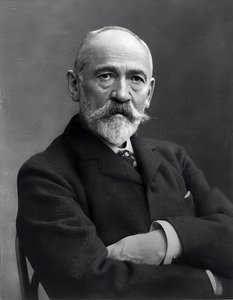
John Quincy Adams Ward
1830 - 1910 , United States of America
Osnovne informacije
- Artistic Movement Or Style: Naturalism
- Artists Or Movements Influenced By This Artist: ['Daniel Chester French']
- Artists Who Influenced This Artist: ['Henry Kirke Brown']
- Date Of Birth: June 29, 1830
- Date Of Death: May 1, 1910
- Full Name: John Quincy Adams Ward
- Nationality: American
- Notable Artworks:
- The Indian Hunter
- George Washington
- Study for the Apotheosis of Washington
- Place Of Birth: New York City, United States