

 Pregledaj u prostoru
 Pošalji
 Podeli
 Detalji o delu

 Преузми
 Slični predmeti
 Rendgenski snimak
 Slajdovi
 Statistika
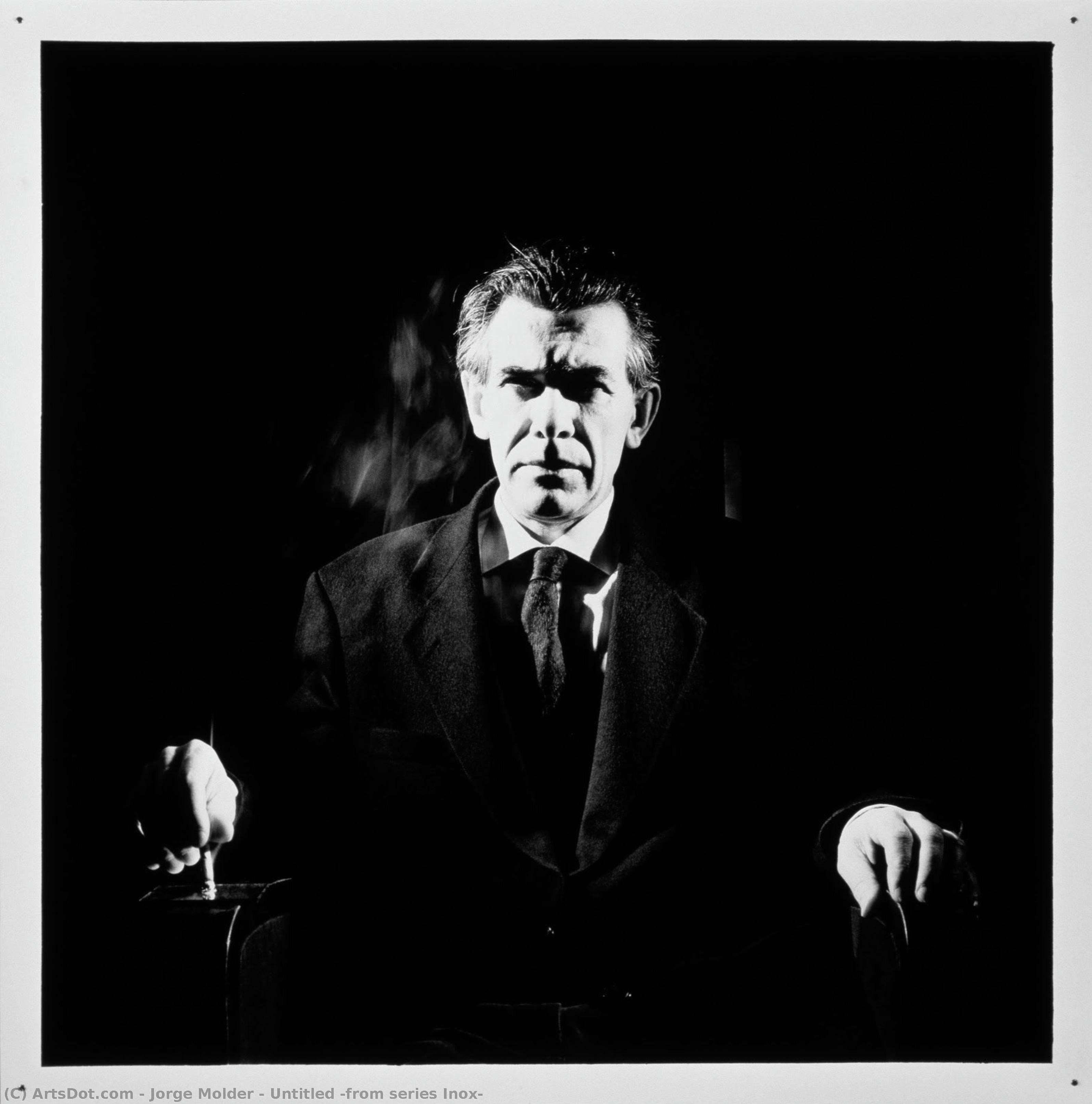
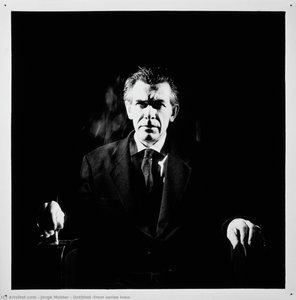
Untitled (from series Inox)
 1995
1995 110.0 x 110.0 cm
 Culturgest - Fundação Caixa Geral de Depósitos
 Pročitaj više
Kupite digitalnu sliku visoke rezolucije i poboljšanog kvaliteta, koja je znatno superiornija od onoga što vidite u online prikazu.
Svaka datoteka je pedantno pripremljena od strane naših stručnjaka koristeći napredne alate i profesionalnu ručnu retušu. Osiguravamo da svaka slika ima izuzetnu oštrinu, preciznu reprodukciju boja i fine detalje.
Konačna datoteka se dostavlja putem e-pošte u roku od 72 sata, optimizovana za neposrednu upotrebu u profesionalnim, izdavačkim i štamparskim okruženjima. To je isti kvalitet kojem veruju vrhunski studiji dizajna, izdavači i galerije.
Digitalna slika
Preuzmite datoteku visoke rezolucije za ličnu upotrebu, štampanje i kreativne projekte. ( Pređi na štampu Kupi ručno naslikanu sliku)
Uključeno uz svaku porudžbinu digitalne slike
Profesionalna digitalna isporuka, zagarantovana
Kada odaberete ArtsDot.com, ne dobijate samo sliku – vi primate profesionalno unapređeno digitalno umetničko delo, izrađeno sa najvećom preciznošću i uz garanciju zadovoljstva. Evo svega što automatski dolazi uz vašu porudžbinu:

Brza dostava putem e-pošte
Vaša digitalna slika visoke rezolucije biće vam poslata putem e-pošte u roku od 72 sata od poručivanja – spremna za trenutnu upotrebu.

Digitalna datoteka unapređena veštačkom inteligencijom
Vaše umetničko delo je profesionalno optimizovano korišćenjem naprednih AI alata i ručne obrade, čime se osiguravaju maksimalni detalji, oštrina i preciznost boja.

Besplatna ponovna isporuka doživotno
Slučajno ste obrisali ili izgubili svoju datoteku? Ne brinite – poslaćemo vam je ponovo u bilo kom trenutku, potpuno besplatno.

Bez troškova uvoza – zauvek
Uživajte u svojim umetničkim delima trenutno, bez carine, dažbina ili troškova dostave – digitalni download je uvek bez poreza.

Garancija vernosti boja
Uz pomoć profesionalnih alata i upravljanja bojama, osiguravamo da vaša digitalna slika što vernije odražava originalne boje.

Garancija zadovoljstva od 100 dana
Ako niste zadovoljni svojom digitalnom slikom, izvršićemo reviziju ili ćemo vam vratiti 100% novca u roku od 100 dana – bez ikakvih pitanja.

100% garancija povrata novca
Niste zadovoljni? Dobijte puni povraćaj novca u roku od 100 dana od prijema digitalne datoteke – bez suvišnih pitanja.

Popusti na velike porudžbine
Kupite 3 slike, uštedite 10% - Kupite 5 slika, uštedite 15% - Kupite 10+ slika, uštedite 20%. Odlično za kreativne projekte, galerije i agencije.
Srodna umetnička dela




Biografija umetnika
The Spectral Lens of Jorge Molder
Born in the vibrant cultural landscape of Lisbon, Portugal, in 1947, Jorge Molder has spent decades crafting a visual language that exists at the intersection of photography and metaphysics. His artistic journey, which took flight in the late 1970s, began with a profound immersion into the stark, evocative world of black-and-white photography. Rather than seeking to document the external world, Molder turned his lens inward, utilizing meticulous close-ups of hands and faces to probe the deepest recesses of human identity. His work does not merely capture a subject; it interrogates the very essence of memory, the fragility of the self, and the relentless, silent passage of time.
Molder’s creative universe is a dense tapestry woven from threads of philosophical contemplation and literary shadows. He draws immense inspiration from the psychological depths of authors such as Dostoyevsky, E. T. A. Hoffman, Poe, Kafka, Melville, and Perec, alongside the cinematic noir atmospheres of Fritz Lang. This intellectual lineage informs a style that transcends mere representation, aiming instead for a haunting resonance. His imagery often employs techniques reminiscent of film noir—echoing the stylistic suspense of Dashiell Hammett—to imbue his photographs with an atmospheric tension that feels both intimate and otherworldly.
The Architecture of the Double
At the heart of Molder’s methodology is a fascination with the concept of the "other" and the figure of the doppelgänger. He frequently employs himself as a model, yet his work avoids the traditional boundaries of self-portraiture. Instead, he uses his own body as a vessel for metamorphosis, constructing characters that act as ghosts haunting the realm of images. This process allows him to explore the "spectral existence"—a state where the subject has liberated itself from physicality to become an echo or a trace. His work often functions through a mise en abîme, a game of meanings within meanings, where every shadow and light play suggests a deeper, hidden narrative.
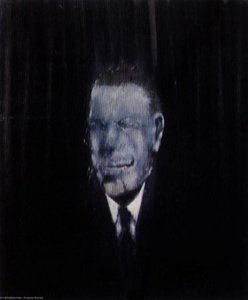
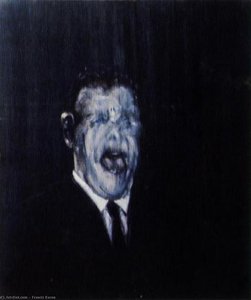
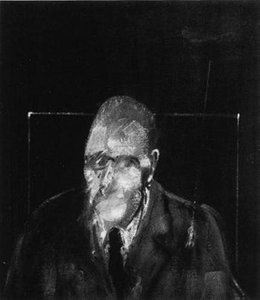
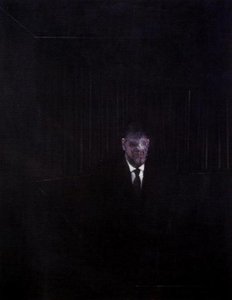
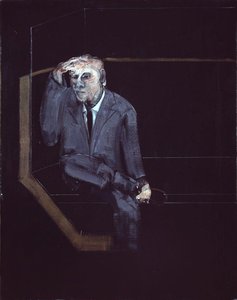
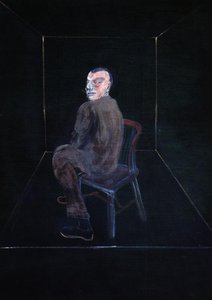
One of his most compelling explorations can be found in his series titled Inox. The name itself serves as a complex contraction, alluding to the fearsome presence of Innocent X as portrayed by Velázquez—a painting that famously inspired the visceral reinterpretations of Francis Bacon. Through such references, Molder connects his photographic practice to the grand traditions of art history, creating a dialogue between the modern lens and classical tension. His work is characterized by:
- The use of self-representation as a tool for transformation rather than mere depiction.
- A focus on symbolic fragments, such as hands and eyes, to represent the complexity of the psyche.
- The creation of narratives with diffuse outlines, leaving the viewer to navigate a labyrinth of meaning.
- An exploration of the "double", blurring the lines between the real and the spectral.
International Recognition and Legacy
Molder’s ascent to the forefront of contemporary art was marked by significant milestones on the global stage. His participation in the 1994 São Paulo Biennial served as a pivotal moment, introducing his profound psychological inquiries to an international audience. This momentum continued with his presence at the prestigious Venice Biennale in 1999, solidifying his reputation as a master of conceptual photography. His ability to bridge the gap between the tangible photograph and the intangible thought has earned him numerous accolades, including the AICA Award from the International Association of Art Critics in 2007 and the Grand Prize EDP/Arte in 2010.
Today, Jorge Molder remains a vital figure in the contemporary art discourse. His contribution lies not just in the beauty of his silver gelatin prints, but in his ability to use the medium of photography to question the very nature of what it means to exist. By capturing images without physically altering their subjects, he mirrors the essence of memory itself: an act of preservation that nonetheless leaves us wandering through a landscape of beautiful, haunting uncertainty.
Jorge Molder
1947 - , Portugal
Kratke činjenice
- Artistic Movement Or Style: Photography Art
- Artists Or Movements Influenced By This Artist: ['Conceptual Photography']
- Artists Who Influenced This Artist:
- Bill Brandt
- Paul Outerbridge
- Date Of Birth: 1947
- Full Name: Jorge Molder
- Nationality: Portuguese
- Notable Artworks:
- Untitled (from series Inox)
- Joseph Conrad
- Place Of Birth: Lisbon, Portugal