

 Pregledaj u prostoru
 Pošalji
 Podeli
 Detalji o delu

 Преузми
 Slični predmeti
 Rendgenski snimak
 Slajdovi
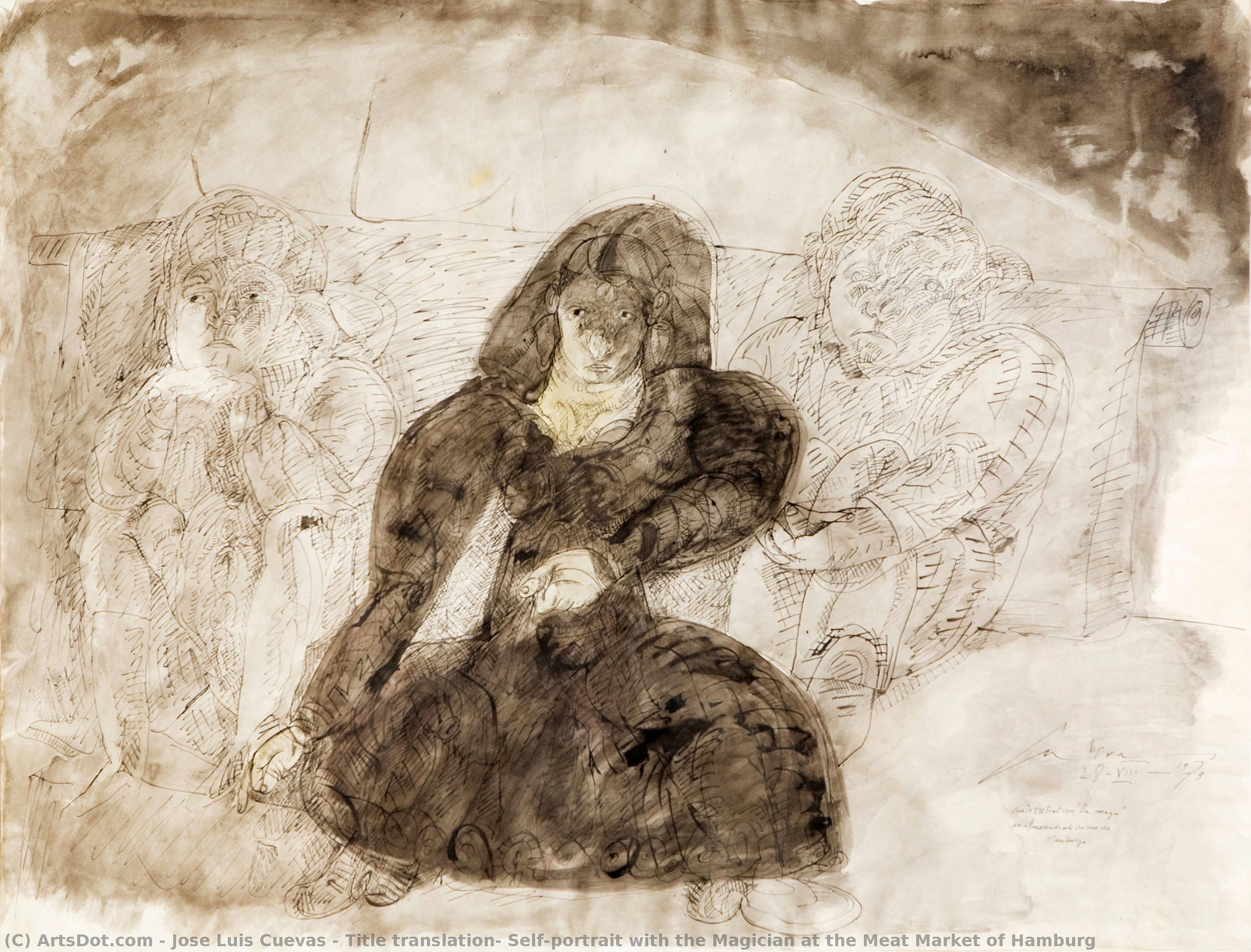
Title translation: Self-portrait with the Magician at the Meat Market of Hamburg


 Pročitaj više
Kupite digitalnu sliku visoke rezolucije i poboljšanog kvaliteta, koja je znatno superiornija od onoga što vidite u online prikazu.
Svaka datoteka je pedantno pripremljena od strane naših stručnjaka koristeći napredne alate i profesionalnu ručnu retušu. Osiguravamo da svaka slika ima izuzetnu oštrinu, preciznu reprodukciju boja i fine detalje.
Konačna datoteka se dostavlja putem e-pošte u roku od 72 sata, optimizovana za neposrednu upotrebu u profesionalnim, izdavačkim i štamparskim okruženjima. To je isti kvalitet kojem veruju vrhunski studiji dizajna, izdavači i galerije.
Digitalna slika
Preuzmite datoteku visoke rezolucije za ličnu upotrebu, štampanje i kreativne projekte. ( Kupi print Kupi ručno naslikanu sliku)
Uključeno uz svaku porudžbinu digitalne slike
Profesionalna digitalna isporuka, zagarantovana
Kada odaberete ArtsDot.com, ne dobijate samo sliku – vi primate profesionalno unapređeno digitalno umetničko delo, izrađeno sa najvećom preciznošću i uz garanciju zadovoljstva. Evo svega što automatski dolazi uz vašu porudžbinu:

Brza dostava putem e-pošte
Vaša digitalna slika visoke rezolucije biće vam poslata putem e-pošte u roku od 72 sata od poručivanja – spremna za trenutnu upotrebu.

Digitalna datoteka unapređena veštačkom inteligencijom
Vaše umetničko delo je profesionalno optimizovano korišćenjem naprednih AI alata i ručne obrade, čime se osiguravaju maksimalni detalji, oštrina i preciznost boja.

Besplatna ponovna isporuka doživotno
Slučajno ste obrisali ili izgubili svoju datoteku? Ne brinite – poslaćemo vam je ponovo u bilo kom trenutku, potpuno besplatno.

Bez troškova uvoza – zauvek
Uživajte u svojim umetničkim delima trenutno, bez carine, dažbina ili troškova dostave – digitalni download je uvek bez poreza.

Garancija vernosti boja
Uz pomoć profesionalnih alata i upravljanja bojama, osiguravamo da vaša digitalna slika što vernije odražava originalne boje.

Garancija zadovoljstva od 100 dana
Ako niste zadovoljni svojom digitalnom slikom, izvršićemo reviziju ili ćemo vam vratiti 100% novca u roku od 100 dana – bez ikakvih pitanja.

100% garancija povrata novca
Niste zadovoljni? Dobijte puni povraćaj novca u roku od 100 dana od prijema digitalne datoteke – bez suvišnih pitanja.

Popusti na velike porudžbine
Kupite 3 slike, uštedite 10% - Kupite 5 slika, uštedite 15% - Kupite 10+ slika, uštedite 20%. Odlično za kreativne projekte, galerije i agencije.
A Visionary Encounter: The Introspective World of José Luis Cuevas
In the evocative piece Self-portrait with the Magician at the Meat Market of Hamburg, we are invited into a profound psychological landscape crafted by the legendary Mexican master José Luis Cuevas. Created in 1973, this work serves as a haunting window into the artist's inner psyche, blending the boundaries between external reality and internal reflection. The composition presents a somber, monochromatic atmosphere where a central figure—a woman seated with her head bowed in a gesture of deep melancholy or perhaps quiet contemplation—anchors the viewer’s gaze. Clad in a long dress with a hood that partially obscures her identity, she embodies a sense of solitude that resonates through the crowded, yet strangely disconnected, public space of the Hamburg meat market.
The artistry of Cuevas is defined by his ability to transform a mundane setting into a stage for existential drama. Through his masterful use of line and shadow, the artist populates the background with a cast of figures that seem to drift like ghosts through the bustling marketplace. Some stand in silent observation while others sit in stillness, creating a rhythmic tension between movement and stasis. This technique does more than just depict a scene; it builds an atmosphere of heavy, palpable emotion. For collectors and enthusiasts of fine art, this piece offers a rare glimpse into the "generation of break" movement, where Cuevas famously moved away from the grand, political narratives of Mexican muralism to explore the intimate, often painful, complexities of the human condition.
Symbolism and the Texture of Solitude
Beyond its literal depiction, the artwork functions as a complex tapestry of symbols. The meat market, typically a place of visceral life and commerce, is reimagined here as a site of profound introspection. The presence of the "Magician" in the title suggests an element of illusion or transformation, hinting that what we perceive as reality may merely be a layer of performance or dream. The bowed head of the protagonist acts as a powerful symbol of vulnerability and the weight of existence, inviting the viewer to contemplate their own moments of isolation amidst the crowd. This duality—the public spectacle versus the private sorrow—is what gives the work its enduring emotional gravity.
For interior designers and curators looking to infuse a space with intellectual depth and narrative power, this reproduction offers an unparalleled opportunity. The stark, black-and-white aesthetic provides a sophisticated focal point that complements both minimalist modern settings and more classical, opulent interiors. It is a piece that demands attention not through loud colors, but through the quiet, commanding strength of its composition. Owning a piece of Cuevas’s legacy means bringing into one's home a conversation about identity, memory, and the beautiful, tragic mystery of being alive.
Srodna umetnička dela

Biografija umetnika
A Maverick Spirit: The Life and Art of José Luis Cuevas
José Luis Cuevas, born in Mexico City in 1934, emerged as a pivotal figure in Mexican art history, boldly challenging the established dominance of muralism that had defined the nation’s artistic identity for decades. His was not a rebellion rooted in mere stylistic difference, but a profound questioning of the social and political narratives embedded within those monumental works. Born amidst the hum of his family's paper and pencil factory, Cuevas’ early life was marked by both creative stimulation and physical fragility. A childhood illness forced him into prolonged periods of confinement, during which he discovered an enduring passion for drawing and engraving – skills honed under the tutelage of Lola Cueto at Mexico City College. This period of isolation proved formative, fostering a deeply personal artistic vision that would consistently prioritize introspection over grand pronouncements. He briefly attended the prestigious Escuela Nacional de Pintura, Escultura y Grabado "La Esmeralda," but his health concerns ultimately led him to forge an independent path, establishing a studio at just fourteen years old and embracing self-education as his primary mode of artistic development.Breaking with Tradition: The Generación de la Ruptura
Cuevas became a leading voice within the *Generación de la Ruptura* (Breakaway Generation), a collective of artists who rejected the overtly nationalistic and socially didactic approach of muralism, spearheaded by figures like Diego Rivera, José Clemente Orozco, and David Alfaro Siqueiros. While these masters sought to depict Mexico’s history and struggles on a grand scale, Cuevas and his contemporaries turned inward, exploring themes of alienation, existential angst, and the darker aspects of human experience. His work is characterized by distorted figures, fragmented forms, and a deliberately unsettling aesthetic that reflects a profound disillusionment with prevailing ideologies. He wasn't interested in celebrating collective identity; instead, he focused on the individual’s psychological landscape, often portraying figures wracked with inner turmoil or trapped within oppressive circumstances. This deliberate shift marked a significant turning point in Mexican art, paving the way for greater experimentation and personal expression. His early work was exhibited at the Galera Prisse in Mexico City in 1953, and soon after he began to gain international recognition.A Controversial Visionary: Themes and Techniques
Cuevas’ artistic output is remarkably diverse, encompassing painting, drawing, printmaking, sculpture, and writing. However, a consistent thread runs through his entire oeuvre: an unflinching exploration of the human condition in all its complexity and imperfection. He frequently depicted scenes of violence, decay, and moral corruption, challenging viewers to confront uncomfortable truths about themselves and society. His self-portraits, numbering in the hundreds, are particularly revealing, offering a raw and often brutally honest depiction of his own anxieties, vulnerabilities, and obsessions. He embraced a variety of techniques, demonstrating mastery in engraving, lithography, and mixed media. He was known for his meticulous draftsmanship and his ability to create powerful images with minimal means. His style evolved over time, incorporating elements of Expressionism, Surrealism, and Abstract Art, but always remained distinctly personal and recognizable. He wasn’t afraid to court controversy, often using shocking imagery and provocative statements to challenge conventional norms and provoke debate.Legacy and the Museo José Luis Cuevas
Throughout his career, José Luis Cuevas remained a fiercely independent and outspoken figure, unafraid to criticize those he perceived as compromising their artistic integrity for political or commercial gain. His uncompromising stance earned him both admirers and detractors, solidifying his reputation as a maverick within the art world. In 1982, he represented Mexico at the Venice Biennale, further cementing his international standing. Perhaps his most enduring legacy is the Museo José Luis Cuevas, established in 1992 in the historic center of Mexico City. The museum houses an extensive collection of his own work, as well as a remarkable array of pre-Hispanic artifacts and European masterpieces that he amassed over the years. It stands as a testament to his eclectic tastes and his unwavering commitment to artistic excellence. He continued working and exhibiting until his death in 2017, leaving behind a vast and influential body of work that continues to inspire and challenge audiences today. His impact on Mexican art is undeniable; he liberated a generation of artists from the constraints of tradition and encouraged them to embrace their own unique voices, even if those voices were uncomfortable or unpopular. He remains a potent symbol of artistic freedom and intellectual independence.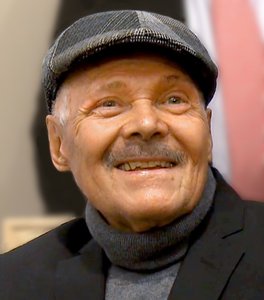
José Luis Cuevas
1934 - 2017