

 Pregledaj u prostoru
 Pošalji
 Podeli
 Detalji o delu

 Преузми
 Slični predmeti
 Rendgenski snimak
 Slajdovi
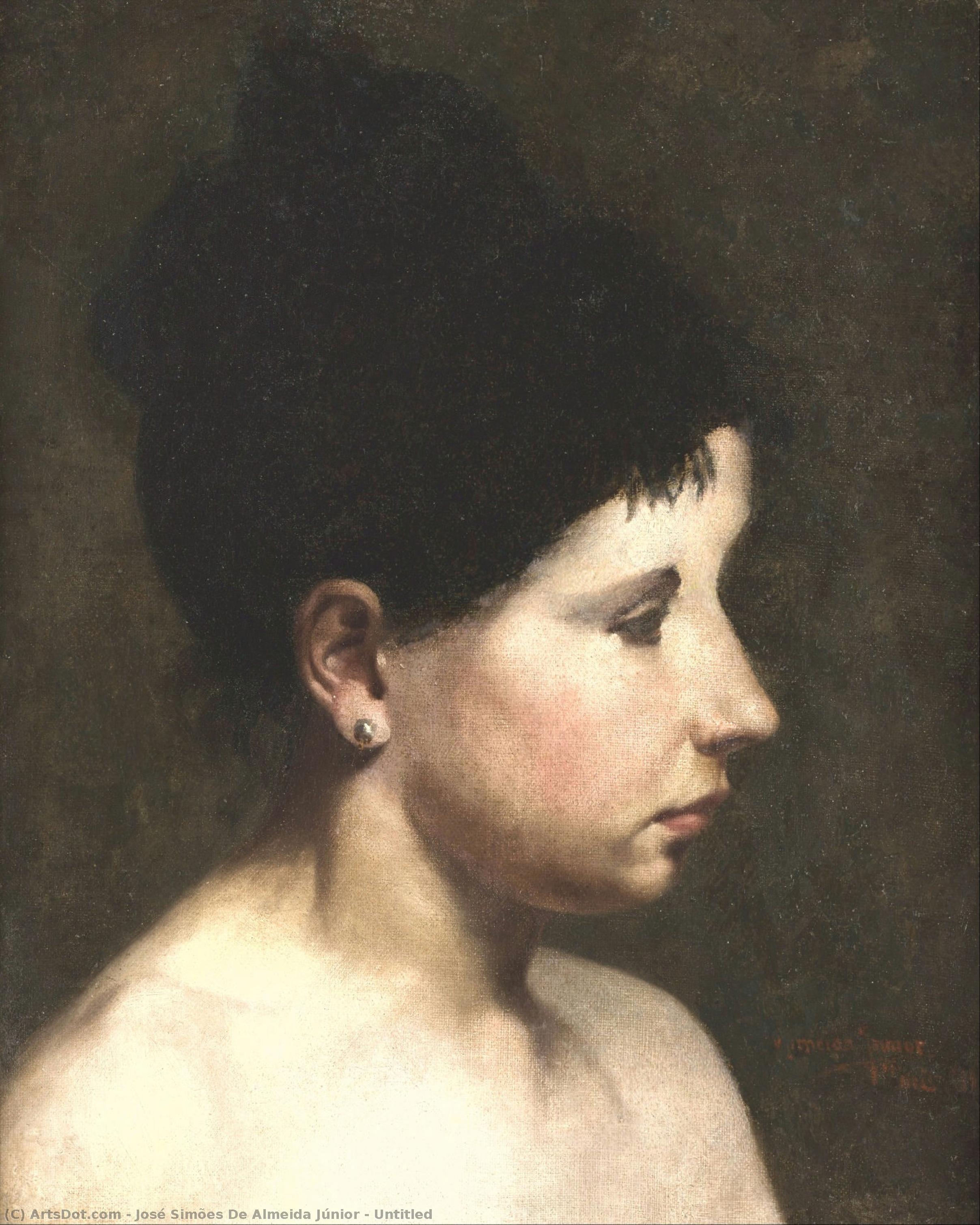
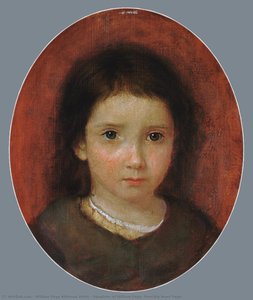
Untitled


 Pročitaj više
Giclee štampa / Umetnički otisak
Giclée štampa ili print na platnu muzejskog kvaliteta uz brzu proizvodnju i fleksibilne opcije završne obrade. ( Kupi ručno naslikanu sliku Kupi digitalnu sliku)




































Izaberite jednu od naših unapred definisanih veličina koje odgovaraju originalnim proporcijama umetničkog dela.

Možete uneti sopstvene dimenzije kako biste umetničko delo prilagodili specifičnom okviru ili prostoru. Ako odabrani format ne odgovara proporcijama originalne slike, mi ćemo ili iscrtati deo dela ili proširiti sliku pomoću ogledane ivice ili jednobojnog popunjavanja. Digitalni prikaz će vam biti poslat na odobrenje pre početka proizvodnje.
Imajte na umu da pregled na ekranu ne odražava stvarno iscrtavanje ili proširivanje. Samo će prikaz (mockup) precizno pokazati finalnu kompoziciju.
Iako su prilagođene dimenzije dostupne, preporučujemo da odaberete dimenziju sa unapred definisane liste kako biste očuvali originalne proporcije.
Dostava širom sveta () za 2 nedelje umesto uobičajenih 4/5 nedelja. (7 септембар)

Besplatna ekspresna dostava širom sveta

Visokokvalitetno laneno platno

Kompletno osiguranje transporta

Garancija povraćaja carine i uvoznih dažbina

Garancija vernosti boja

Politika povraćaja u roku od 100 dana (isključivo u slučaju nedostataka)

Garancija povrata novca od 100%

Popust pri grupnoj kupovini
 Opcija sa staklom dostupna je samo za dimenzije manje od 110 cm

Untitled
Giclee štampa / Umetnički otisak
Dimenzije reprodukcije
-


Konačna cena
$ 62
Srodna umetnička dela






Biografija umetnika
A Legacy Cast in Bronze and Stone
The story of José Simões de Almeida Júnior is one deeply etched into the cultural fabric of Portugal, a narrative that begins not in an ivory tower of academia, but amidst the heat and rhythmic clang of an iron foundry. Born in 1844 in Figueiró dos Vinhos, his journey was predestined by a lineage of craftsmanship. At the tender age of eleven, he entered the Arsenal da Marinha as an apprentice, working under the watchful eye of his father. It was within this industrial crucible—learning the secrets of moulding, foundry techniques, and the delicate art of carving—that the foundation of his sculptural mastery was laid. This early immersion in the physical reality of metal and stone provided him with a technical prowess that few of his contemporaries could claim, allowing him to bridge the gap between raw material and transcendent form.
As his innate talent blossomed, the heavy atmosphere of the foundry gave way to the refined halls of the School of Fine Arts in Lisbon. This transition from apprentice to scholar marked the beginning of a profound artistic evolution. His thirst for knowledge eventually led him far beyond the borders of Portugal, carrying him to the prestigious Imperial School of Fine Arts in Paris. Under the tutelage of the renowned Professor François Jouffroy, Almeida Júnior absorbed the elegance of the French academic style, a period that infused his work with a sophisticated grace and a command over classical anatomy. His travels later took him to Rome, where the weight of antiquity and the presence of masters like António Soares dos Reis offered him a direct connection to the eternal traditions of sculpture.
The Intersection of Tradition and Innovation
Almeida Júnior’s artistic output was characterized by a remarkable versatility that allowed him to navigate the diverse demands of his era. While he is perhaps most celebrated for his sculptural achievements, his hand also found expression in the delicate medium of painting, where he explored themes ranging from still lifes to religious iconography. His work often functioned as a bridge between the classical past and the burgeoning sensibilities of the late nineteenth century. Whether he was crafting monumental public works that commanded the attention of city squares or producing intimate religious medallions, his touch remained consistent: a profound respect for the subject matter and an unwavering commitment to technical perfection.
His contributions to the academic world were as significant as his physical monuments. As a Professor of Drawing and later a Professor of Sculpture at Lisbon’s School of Fine Arts, he became a vital link in the transmission of artistic heritage. He did not merely teach technique; he mentored a new generation of Portuguese artists, instilling in them the same discipline and reverence for classical ideals that had been imparted to him by his father and his masters in Paris and Rome. This role as an educator ensured that his influence would ripple through the decades, shaping the aesthetic trajectory of Portuguese art well into the twentieth century.
The historical significance of José Simões de Almeida Júnior lies in his ability to embody the spirit of a nation in transition. His life reflected the movement from the industrial grit of the mid-century to the refined academicism of the fin de siècle. Through his diverse body of work, he captured the essence of Portuguese identity—rooted in faith, tradition, and a profound connection to the physical mastery of his craft. Today, his legacy survives not only in the bronze and stone of his monuments but in the enduring standard of excellence he set for all who follow in his footsteps.
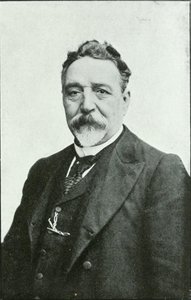
josé simões de almeida júnior
1844 - 1926 , Portugal
Osnovne informacije
- Artistic Movement Or Style: Sculpture
- Artists Or Movements Influenced By This Artist: ['Lisbon School of Arts']
- Date Of Birth: 1844
- Date Of Death: 1926
- Full Name: José Simões de Almeida Júnior
- Nationality: Portuguese
- Notable Artworks:
- Medallion representing the Virgin, St. Anthony and the Child
- Untitled
- Place Of Birth: Figueiro dos Vinhos, Portugal