The Soul of the British Landscape
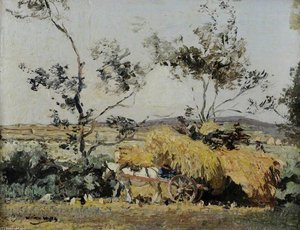
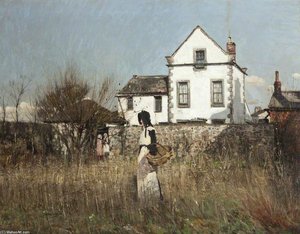
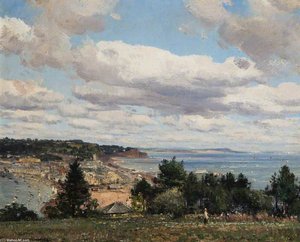
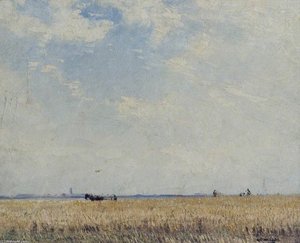
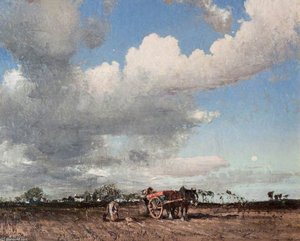
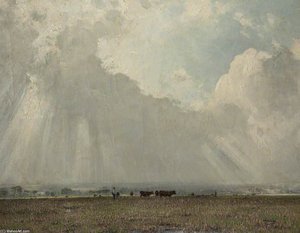
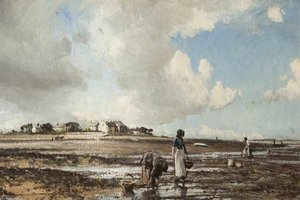
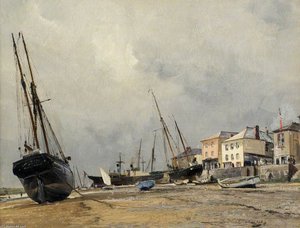
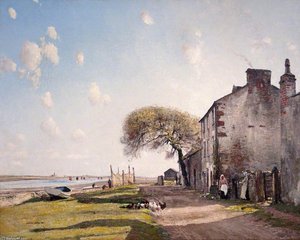
In the quiet, mist-laden reaches of the late Victorian and Edwardian eras, the work of William Page Atkinson Wells emerged as a profound meditation on the natural world. Born in the evocative landscape of Sunderland Point, Northumberland, Wells possessed an innate connection to the rugged beauty of the British Isles. His artistry was not merely a recording of scenery but an attempt to capture the very breath of the earth, a pursuit deeply rooted in the Barbizon School tradition. By prioritizing direct observation and the subtle interplay of light and shadow, he brought a sense of palpable realism and emotional depth to his canvases, transforming the Scottish Highlands and coastal vistas into timeless realms of peace.Artistic Lineage and Technical Mastery
The foundation of Wells’s evocative style was laid during his formative years at the Newcastle Art College. It was here that he absorbed the stylistic precepts of masters such as Jean-François Millet and Gustave Courbet, whose commitment to honest, unidealized portrayals of nature resonated with his own sensibilities. This influence is most evident in his meticulous technique; Wells was a master of layering thin, translucent glazes of oil paint upon toned canvases. This method allowed him to achieve a remarkable luminosity, capturing the subtle gradations of color found in a shifting sky or the soft glow of dawn. His ability to render complex textures—the coarse heather of a hillside or the rhythmic surge of a coastal wave—demonstrated an exceptional command over topographical representation and atmospheric perspective.A Legacy of Serenity
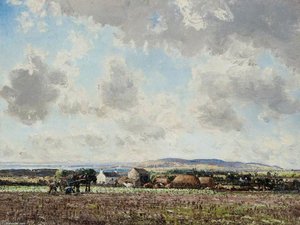
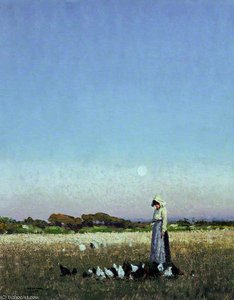
The enduring power of Wells’s work lies in its ability to transport the viewer to a state of quiet contemplation. His paintings serve as windows into a pastoral world, where the passage of time is marked only by the changing seasons and the movement of light. Through his dedication to tonal harmony and the emotional resonance of the landscape, he left behind a legacy that continues to enchant, offering a sanctuary of stillness. Among his most celebrated contributions to British landscape art are:- October Winds, a hauntingly beautiful portrayal of autumnal foliage caught in the soft, diffused sunlight of a fading season.
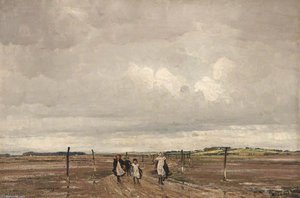
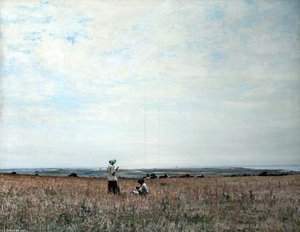
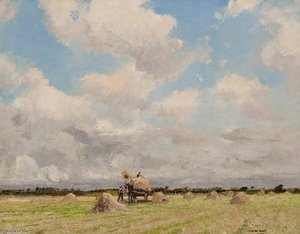
- The Fields Of Ballacallow, Isle Of Man, which stands as a masterclass in depicting pastoral tranquility and the simple beauty of rural life.
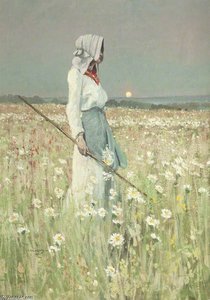
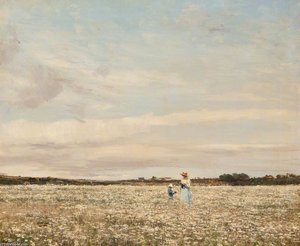
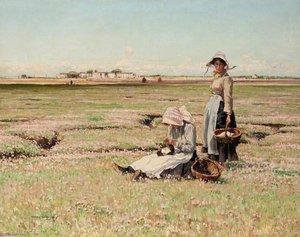
- Margeurites In The Meadow, an impressionistic exploration of naturalism and the delicate textures of the meadowland.