 Preview
 Send
Send Share
Share
 Details

 Download
 Similars
 X-Ray
X-Ray Diaporama
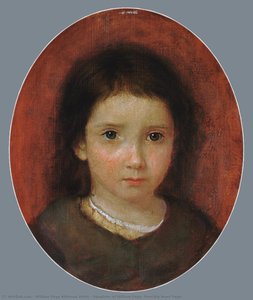
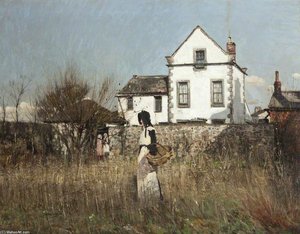
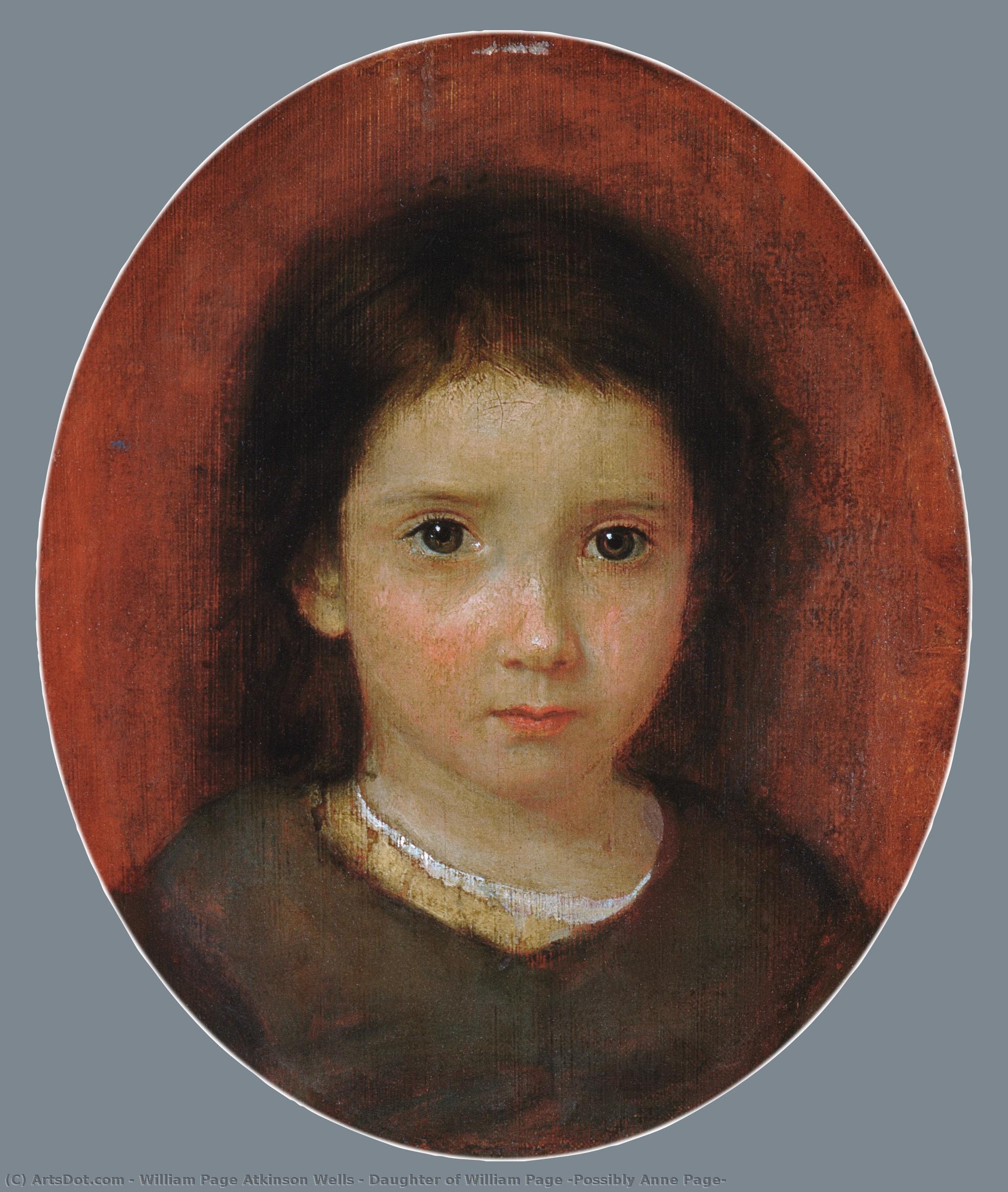
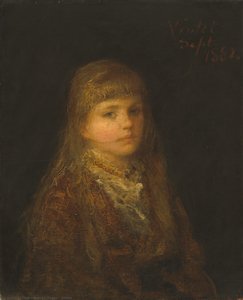
Daughter of William Page (Possibly Anne Page)
 Acrylic On Canvas
- WallArt
- Barbizon School
 1837
1837 36.0 x 31.0 cm
 Metropolitan Museum of Art
 Read More
Hand Made Oil Reproduction
Hand-painted oil on canvas in your size and frame, made to order by our artists. ( Buy Print Buy Image)




P118B $10

P118H $10

P118W $10

P438Z $10

P508JH $12

P508YH $12

P805H $10

P805Z $10

P919BZ $10

P919G $10

P919XJ $10

P959ZH $10

P968JZ $12

W106C $8

W218G $10

W218JH $8

W218Y $10

W307PJ $10

W316G $10

W316PJ $8

W316Y $10

W398PJ $8

W4111J $10

W500HY $15

W500JH $15

W692G $12

W849H $8

W940BG $15

W953PJ $8




Pick from our preset sizes that match the artwork's original proportions.

You may enter your own dimensions to fit a specific frame or space. If your selected size does not match the original image's proportions, we will either crop the artwork or extend the painting with additional hand-painted elements. A digital mockup will be sent for your approval before production begins.
Please note that the on-screen preview does not reflect the actual cropping or extension. Only the mockup will accurately show the final composition.
While custom sizes are available, we recommend selecting a dimension from the predefined list to preserve the original proportions.
After order, ArtsDot.com team will email client for instructions and provide a mockup preview
Worldwide Delivery () in 3/4 weeks instead of standard 5 weeks. (27 August). No compromise on quality.

Free Worldwide Express Shipping

High-Quality Linen Canvas

Full Shipping Insurance

Customs Tax Refund Guarantee

True Color Matching Guarantee

60-Day Return Policy (Defects Only)

100% Money-Back Guarantee

Bulk Discount Offer
 Glass option is only available in size under 110 CM

Daughter of William Page (Possibly Anne Page)
Reproduction Medium
Reproduction Size
-


Total Price
$ 263
A Moment Frozen in Time: Exploring William Page Atkinson Wells’s “Daughter of William Page (Possibly Anne Page)”
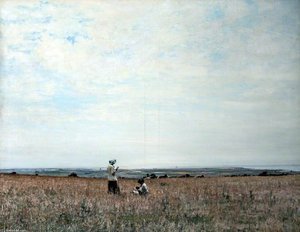
“Daughter of William Page (Possibly Anne Page),” painted circa 1837 by William Page Atkinson Wells, stands as a testament to the Barbizon School's enduring influence on British landscape painting. More than just a depiction of a young girl gazing out at the horizon, this artwork embodies a profound exploration of familial connection and quiet contemplation within the serene beauty of rural Scotland—a scene meticulously rendered with painstaking detail and tonal harmonies that transport viewers back to Victorian England. Wells’s artistic vision was firmly rooted in the Barbizon tradition championed by artists like Millet and Courbet, who prioritized direct observation of nature as paramount to conveying emotion and capturing its essence. This approach is evident throughout “Daughter,” where Wells eschews idealized representations favoring instead a realistic portrayal of light and shadow—a technique skillfully executed using oil paints on canvas. The artist’s meticulous attention to texture—particularly in the girl's dress and hair—further enhances the painting’s immersive quality, inviting viewers into a palpable sense of atmosphere. The composition itself is deceptively simple yet powerfully evocative. Wells centers his gaze upon a young woman positioned prominently within a landscape dominated by rolling hills and distant mountains. Her posture exudes confidence despite her youthful appearance, suggesting an inner strength and resilience—a subtle symbolic gesture reflecting the values prevalent during the Victorian era. The girl’s direct gaze towards the viewer establishes a connection between subject and observer, prompting reflection on themes of innocence, observation, and perhaps even unspoken understanding. Adding to the painting's intrigue is the inclusion of a small mole above her lip – a detail that elevates “Daughter” beyond mere visual representation. While its precise significance remains open to interpretation, it serves as a reminder of individuality and imperfection—characteristics deliberately absent from many portraits of the time. This subtle element underscores Wells’s commitment to portraying reality with uncompromising honesty, mirroring the Barbizon School's rejection of academic conventions in favor of capturing the natural world as it truly is. Further research into William Page Atkinson Wells reveals that he was a prolific artist who produced numerous landscapes celebrating Scotland's picturesque scenery. His work exemplifies the Romantic spirit’s fascination with sublime beauty and its desire to capture fleeting moments of emotional resonance—a legacy solidified by reproductions like this one, which allow audiences worldwide to experience the enduring power of Wells’s artistic vision. The painting resides in the Metropolitan Museum of Art collection (accession number 11674), offering a valuable glimpse into Victorian sensibilities and demonstrating the lasting impact of Impressionistic influences on British art history.Related Artworks


Artist Biography
The Soul of the British Landscape
In the quiet, mist-laden reaches of the late Victorian and Edwardian eras, the work of William Page Atkinson Wells emerged as a profound meditation on the natural world. Born in the evocative landscape of Sunderland Point, Northumberland, Wells possessed an innate connection to the rugged beauty of the British Isles. His artistry was not merely a recording of scenery but an attempt to capture the very breath of the earth, a pursuit deeply rooted in the Barbizon School tradition. By prioritizing direct observation and the subtle interplay of light and shadow, he brought a sense of palpable realism and emotional depth to his canvases, transforming the Scottish Highlands and coastal vistas into timeless realms of peace.Artistic Lineage and Technical Mastery
The foundation of Wells’s evocative style was laid during his formative years at the Newcastle Art College. It was here that he absorbed the stylistic precepts of masters such as Jean-François Millet and Gustave Courbet, whose commitment to honest, unidealized portrayals of nature resonated with his own sensibilities. This influence is most evident in his meticulous technique; Wells was a master of layering thin, translucent glazes of oil paint upon toned canvases. This method allowed him to achieve a remarkable luminosity, capturing the subtle gradations of color found in a shifting sky or the soft glow of dawn. His ability to render complex textures—the coarse heather of a hillside or the rhythmic surge of a coastal wave—demonstrated an exceptional command over topographical representation and atmospheric perspective.A Legacy of Serenity
The enduring power of Wells’s work lies in its ability to transport the viewer to a state of quiet contemplation. His paintings serve as windows into a pastoral world, where the passage of time is marked only by the changing seasons and the movement of light. Through his dedication to tonal harmony and the emotional resonance of the landscape, he left behind a legacy that continues to enchant, offering a sanctuary of stillness. Among his most celebrated contributions to British landscape art are:- October Winds, a hauntingly beautiful portrayal of autumnal foliage caught in the soft, diffused sunlight of a fading season.
- The Fields Of Ballacallow, Isle Of Man, which stands as a masterclass in depicting pastoral tranquility and the simple beauty of rural life.
- Margeurites In The Meadow, an impressionistic exploration of naturalism and the delicate textures of the meadowland.
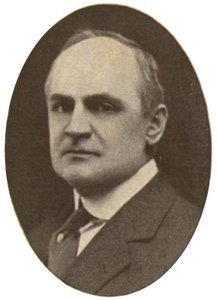
William Page Atkinson Wells
1871 - 1923 , United Kingdom
Quick Facts
- Artistic Movement Or Style: Barbizon School
- Artists Or Movements Influenced By This Artist: ['Impressionism']
- Artists Who Influenced This Artist:
- Gustave Courbet
- Jean-François Millet
- Date Of Death: 1923
- Full Name: William Page Atkinson Wells
- Nationality: British
- Notable Artworks:
- October Winds
- The Fields Of Ballacallow, Isle Of Man
- Place Of Birth: United Kingdom
Related Articles

John Constable's Masterpieces: Explore 25 Iconic Landscapes for Your Home
Journey through John Constable's 25 most celebrated landscapes. Explore Romanticism, Dedham Vale & his masterful use of light in iconic paintings like 'Hay Wain'. Find museum-quality art reproductions and elevate your home decor on ArtsDot.com.

Cultivating Visions: A Historical Journey Through Rural Landscapes in Art
Explore the rich history of rural landscape painting with ArtsDot. Discover Impressionist masterpieces, key artists & movements. Find your perfect serene artwork and bring nature's beauty home.
Evoking Nature's Sublime: A Comprehensive Exploration of 19th-Century Landscape Painting
Explore the captivating world of 19th-century landscape painting! Discover renowned artists like Friedrich & Monet, key movements, and find the perfect artwork to bring nature's serenity into your home. Expert insights at ArtsDot.
The Barbizon School: Pioneering Realism & the Pastoral Vision in 19th-Century French Painting
Explore the Barbizon School's pivotal role in 19th-century French painting. Discover how these artists revolutionized landscape art with their commitment to Realism and a profound connection to nature. Learn about key figures like Rousseau, Millet & Corot.

Romantic Landscapes: 10 Masterpieces for Your Home | ArtsDot
Journey through 10 Romantic landscape masterpieces by Friedrich, Turner & Cole. Explore emotional art, sublime nature scenes & iconic 19th-century paintings. Find museum-quality reproductions for your home at ArtsDot.com – discover the full collection online!