

 Pregledaj u prostoru
 Pošalji
 Podeli
 Detalji o delu

 Преузми
 Slični predmeti
 Rendgenski snimak
 Slajdovi
 Statistika
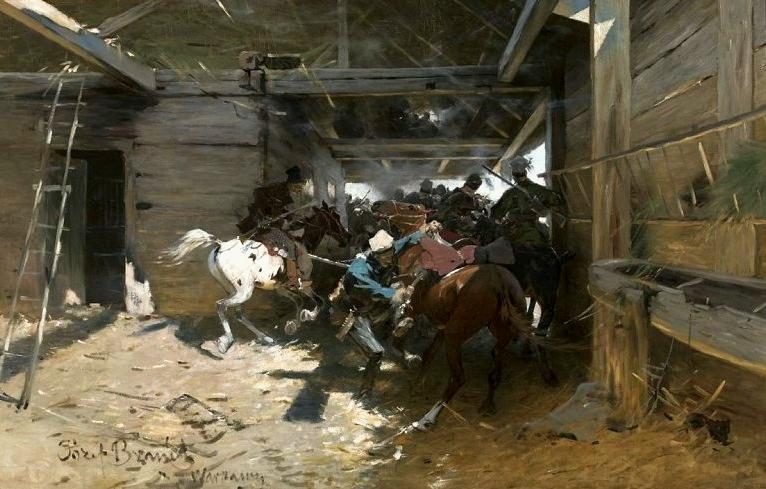
Call to arms
 1880
1880 98.0 x 150.0 cm
 Pročitaj više
Ručno rađena uljana reprodukcija
Ručno oslikano uljanim bojama na platnu u dimenzijama i okviru po vašem izboru, izrađeno po porudžbini od strane naših umetnika. ( Pređi na štampu Pređi na digitalnu sliku)




































Izaberite jednu od naših unapred definisanih veličina koje odgovaraju originalnim proporcijama umetničkog dela.

Можете унети сопствене димензије како бисте прилагодили дело одређеном оквиру или простору. Ако одабрана величина не одговара пропорцијама оригинала, слика ће бити исечена или проширена додатним елементима који се ручно насликавају. Дигитални prikaz ће вам бити послат на одобрење пре почетка производње.
Имајте на уму да преглед на екрану не одражава стварно исецање или проширење. Само приказ (mockup) ће тачно приказати коначну композицију.
Иако су доступне прилагођене величине, препоручујемо да одаберете димензију из дефинисане листе како бисте сачували оригиналне пропорције.
Nakon narudžbine, tim ArtsDot.com će klijentu putem e-pošte poslati uputstva i dostaviti prikaz predloženog rešenja
Isporuka širom sveta () za 3/4 nedelje umesto uobičajenih 5 nedelja. (9 септембар). Bez kompromisa po pitanju kvaliteta.

Besplatna ekspresna dostava širom sveta

Visokokvalitetno laneno platno

Kompletno osiguranje transporta

Garancija povraćaja carine i uvoznih dažbina

Garancija vernosti boja

Politika povraćaja u roku od 100 dana (isključivo u slučaju nedostataka)

Garancija povrata novca od 100%

Popust pri grupnoj kupovini
 Opcija sa staklom dostupna je samo za dimenzije manje od 110 cm

Call to arms
Tehnika reprodukcije
Dimenzije reprodukcije
-


Konačna cena
$ 263
The Artist's Style
Josef Von Brandt was a Polish painter known for his depictions of 17th-century Cossack wars and battle scenes. His style is characterized by meticulous attention to detail, particularly when it comes to costumes, weapons, and horses. In "Call to Arms," the artist's use of color and composition creates a sense of energy and urgency, drawing the viewer into the scene.Key Elements
Some key elements that make "Call to Arms" stand out include:- The dramatic lighting, which highlights the figures and horses in the foreground
- The sense of movement and tension, conveyed through the poses and expressions of the characters
- The attention to detail in the costumes and accessories, which adds to the overall authenticity of the scene
For those interested in purchasing a handmade oil painting reproduction of "Call to Arms," please visit https://ArtsDot.com and browse our selection of Josef Von Brandt's works. Our team is dedicated to providing the highest-quality reproductions, made with love and care, to art enthusiasts around the world.
Srodna umetnička dela
Biografija umetnika
A Life Immersed in Polish Valor: The World of Józef von Brandt
Józef von Brandt, born in the small Polish town of Szczebrzeszyn in 1841 and passing away in Radom in 1915, was more than just a painter; he was a chronicler of a nation’s spirit. His canvases breathe with the drama of 17th-century battles, the vibrant energy of Cossack life, and an unwavering dedication to Polish history and cultural identity. Brandt's artistic journey began not in the studio but in the classrooms of Warsaw’s school of J.N. Leszczynski and the Noblemen's Institute, a path seemingly destined for engineering when he moved to Paris in 1858 to study at the Ecole centrale. However, fate – or perhaps a keen eye for talent – intervened in the form of Juliusz Kossak, who recognized Brandt’s true calling and steered him away from blueprints towards brushes and pigments. This pivotal moment redirected his life toward an artistic pursuit that would immortalize Poland's past.From Munich to Mastery: The Shaping of a Historical Painter
The move to Munich in 1863 proved transformative. Under the tutelage of Franz Adam and Karl Piloty at the Academy of Fine Arts, Brandt honed his skills, absorbing techniques that would become hallmarks of his style. He wasn’t merely learning to paint; he was learning to narrate history visually. The influence of Theodor Horschelt, a specialist in battle scenes who had accompanied the Russian army, further refined his understanding of military life and composition. By 1867, Brandt established his own studio, becoming a central figure within the thriving Polish artistic community in Munich – a haven for artists displaced by political turmoil. He quickly became a mentor to many aspiring Polish painters, fostering a sense of national pride through art. His early works, while conventional, laid the foundation for the dramatic and emotionally charged scenes that would define his career.The Essence of 17th-Century Poland: Themes and Techniques
Brandt’s paintings are not simply depictions of battles; they are immersive experiences. He focused intently on the military life of the 17th century, a period steeped in Polish glory and conflict. However, he didn't limit himself to warfare. Scenes of Polish peasant life also found their way onto his canvases, offering glimpses into the everyday existence that underpinned the nation’s heroic narratives. His most celebrated works center around the *hussars*, those iconic winged cavalrymen, and the fierce Cossack warriors, rendered with meticulous detail in their elaborate uniforms and dynamic poses. Brandt possessed an exceptional ability to capture movement and energy, bringing a sense of immediacy to his large-scale compositions. He masterfully combined realism with symbolic depth, using color, light, and shadow to evoke emotion and convey historical significance. While adhering to academic standards through studio work, he also undertook field studies in Poland and Ukraine, ensuring the authenticity of his landscapes and figures.Notable Works and Lasting Legacy
Several paintings stand as testaments to Brandt’s artistic prowess. “Battle of Vienna” is a sweeping panorama of conflict, capturing the intensity and chaos of this pivotal historical moment. "Jan Karol Chodkiewicz during the Battle of Khotyn" exemplifies his skill in portraying individual heroism within a larger military context. And “Polish Hussar,” perhaps his most iconic work, embodies the spirit of Polish valor and national pride. These paintings, along with others like “Zaporozhian Camp” and "Call to Arms", are not merely historical records; they are powerful statements about identity, courage, and resilience. Today, Brandt’s works grace the walls of prestigious institutions such as the National Museum in Warsaw and the Museum Pomorskie in Danzig (Gdansk), serving as enduring reminders of Poland's rich cultural heritage. His legacy extends beyond museums, with reproductions available through platforms like ArtsDot.com and ArtsDot.com, allowing a wider audience to experience the grandeur and emotional depth of his masterpieces. He remains a pivotal figure in Polish art history, celebrated for his ability to transform historical events into captivating visual narratives that continue to resonate with audiences today.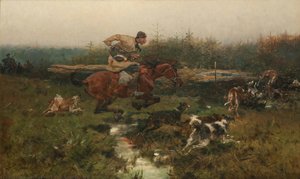
josef von brandt
1841 - 1915