

 Pregledaj u prostoru
 Pošalji
 Podeli
 Detalji o delu

 Преузми
 Slični predmeti
 Rendgenski snimak
 Slajdovi
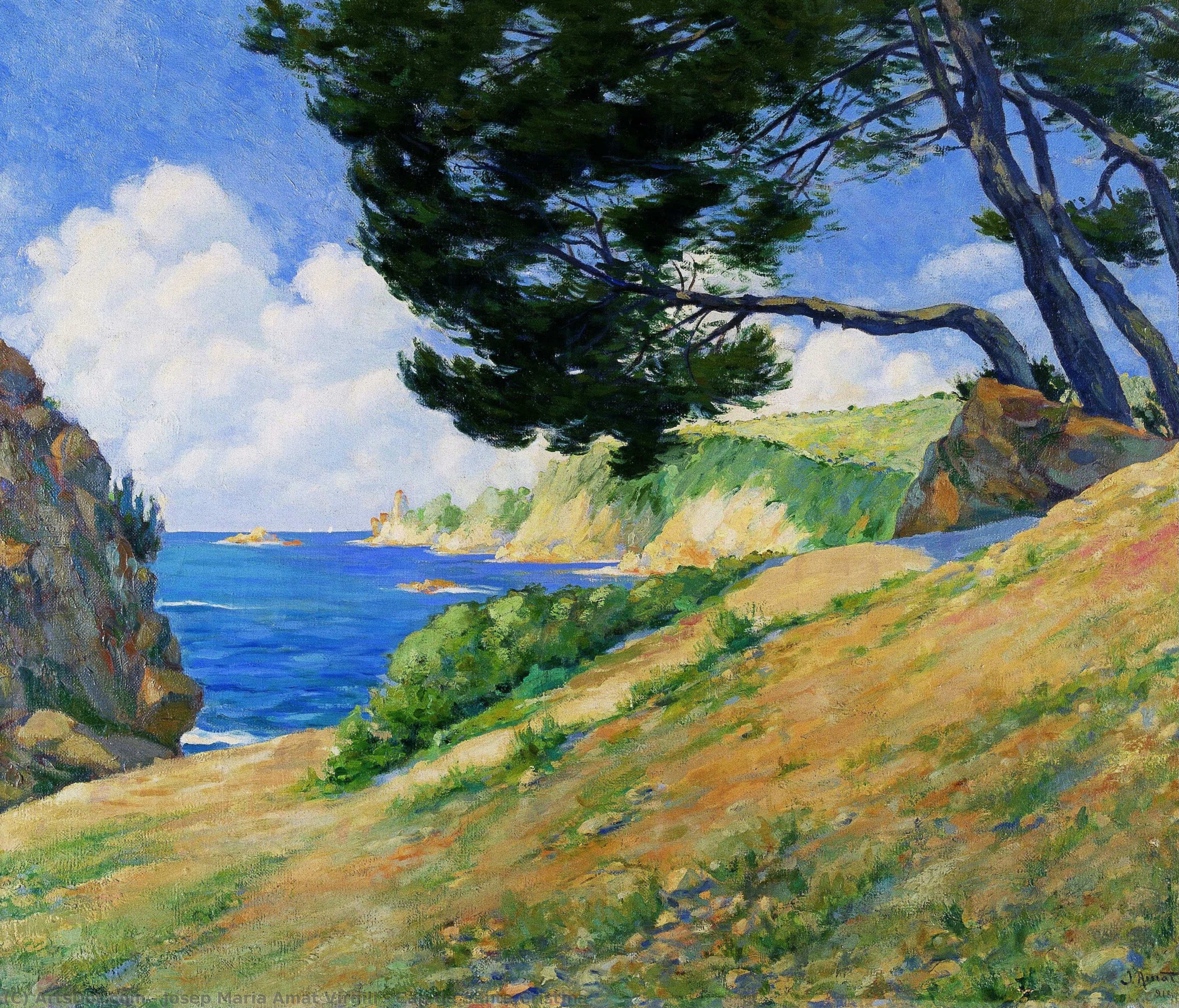
Cap de Santa Cristina
 Oil On Canvas
- WallArt
- Impressionism
 Modern
 5.0 x 137.0 cm
 Maritime Museum of Barcelona
 Pročitaj više
Ručno rađena uljana reprodukcija
Ručno oslikano uljanim bojama na platnu u dimenzijama i okviru po vašem izboru, izrađeno po porudžbini od strane naših umetnika. ( Kupi print Kupi digitalnu sliku)




P118B $10

P118H $10

P118W $10

P438Z $10

P508JH $12

P508YH $12

P805H $10

P805Z $10

P919BZ $10

P919G $10

P919XJ $10

P959ZH $10

P968JZ $12

W106C $8

W218G $10

W218JH $8

W218Y $10

W307PJ $10

W316G $10

W316PJ $8

W316Y $10

W398PJ $8

W4111J $10

W500HY $15

W500JH $15

W692G $12

W849H $8

W940BG $15

W953PJ $8




Izaberite jednu od naših unapred definisanih veličina koje odgovaraju originalnim proporcijama umetničkog dela.

Можете унети сопствене димензије како бисте прилагодили дело одређеном оквиру или простору. Ако одабрана величина не одговара пропорцијама оригинала, слика ће бити исечена или проширена додатним елементима који се ручно насликавају. Дигитални prikaz ће вам бити послат на одобрење пре почетка производње.
Имајте на уму да преглед на екрану не одражава стварно исецање или проширење. Само приказ (mockup) ће тачно приказати коначну композицију.
Иако су доступне прилагођене величине, препоручујемо да одаберете димензију из дефинисане листе како бисте сачували оригиналне пропорције.
Nakon narudžbine, tim ArtsDot.com će klijentu putem e-pošte poslati uputstva i dostaviti prikaz predloženog rešenja
Isporuka širom sveta () za 3/4 nedelje umesto uobičajenih 5 nedelja. (6 септембар). Bez kompromisa po pitanju kvaliteta.

Besplatna ekspresna dostava širom sveta

Visokokvalitetno laneno platno

Kompletno osiguranje transporta

Garancija povraćaja carine i uvoznih dažbina

Garancija vernosti boja

Politika povrata u roku od 100 dana (samo u slučaju nedostataka)

Garancija povrata novca od 100%

Popust pri grupnoj kupovini
 Opcija sa staklom dostupna je samo za dimenzije manje od 110 cm

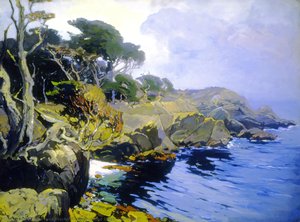
Cap de Santa Cristina
Tehnika reprodukcije
Dimenzije reprodukcije
-


Konačna cena
$ 263
A Coastal Symphony in Light and Color
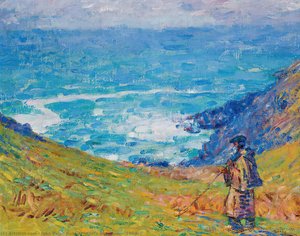
In the breathtaking landscape of Cap de Santa Cristina, the viewer is invited to step into a world where the boundaries between land and sea dissolve into a rhythmic dance of light. This stunning Impressionistic masterpiece by the Spanish artist Josep Maria Amat Virgili captures a fleeting moment on the Mediterranean coast, transforming a rugged cliffside view into a poetic meditation on nature's grandeur. The composition is masterfully anchored by a strong diagonal line, where the edge of the sun-drenched cliffs leads the eye downward toward the shimmering expanse of the ocean. It is a scene that does not merely depict a location, but rather evokes the very essence of a summer afternoon, where the warmth of the earth meets the cool, refreshing breath of the sea.
The artist’s technique is a testament to the power of the Impressionist movement, prioritizing sensory experience over meticulous realism. Through the use of visible, expressive brushstrokes and a rich application of paint, Amat Virgili builds a tactile landscape that feels alive under the viewer's gaze. The foreground is a vibrant tapestry of warm, earthy tones—ochre, rust, and golden browns—that suggest the parched, sun-baked grasses of the Spanish coastline. As the eye travels toward the horizon, these heat-soaked hues transition seamlessly into the tranquil blues and deep greens of the water, creating a breathtaking chromatic journey. The sky, vast and luminous, is populated by soft, fluffy white clouds that drift across a brilliant blue backdrop, adding a sense of infinite space and airy lightness to the composition.
Beyond its visual splendor, Cap de Santa Cristina carries a profound emotional resonance, making it an exquisite choice for those looking to infuse a space with tranquility and vitality. The organic shapes of the rolling hills, the jagged cliffs, and the undulating waves work in harmony to create a sense of natural balance. There is a subtle symbolism in the interplay of light and shadow; the bright, diffused lighting suggests a moment of clarity and peace, evoking feelings of vastness and a deep connection with the natural world. For the discerning collector or interior designer, this artwork serves as more than just a decoration; it is a window into a serene coastal sanctuary, offering a timeless sense of calm and an enduring celebration of the Mediterranean spirit.
Srodna umetnička dela


Biografija umetnika
Pablo Picasso: A Revolutionary Life in Color and Form
Pablo Picasso, a name synonymous with artistic innovation and boundless creativity, remains one of the most recognizable figures in art history. Born in Málaga, Spain, on October 25, 1881, into a family steeped in artistic tradition – his father was a respected art teacher – Picasso’s journey wasn't simply a progression through styles; it was a relentless dismantling and rebuilding of visual language itself. His life story is intertwined with the evolution of modern art, marked by periods of intense experimentation, profound personal relationships, and an unwavering commitment to pushing the boundaries of what painting could be. From the melancholic blues of his early years to the explosive colors and fractured forms of Cubism, Picasso’s work reflects a complex interplay of emotion, intellect, and a constant dialogue with the world around him.
Early Years and Influences: Malaga and Barcelona
Picasso's childhood in Málaga was profoundly shaped by his father, José Ruiz y Blasco, who instilled in him a love for art and technique. The family’s connection to the city’s museum provided constant exposure to classical sculpture and Spanish masters, while his mother, María Picasso y López, fostered a nurturing environment. However, it was in Barcelona, where his father took a teaching position in 1895, that Picasso truly began to develop as an artist. He enrolled at La Llotja School of Fine Arts, but quickly found the rigid curriculum stifling. He soon abandoned formal training, preferring to learn through observation and direct experience – sketching pigeons in the streets, studying the works of El Greco (whose elongated figures profoundly influenced his early style), and immersing himself in the vibrant bohemian culture of the city.
- El Greco’s Influence: The dramatic poses and expressive distortions of El Greco's paintings resonated deeply with young Picasso, shaping his approach to figure drawing.
- Bullfighting Spectacles: Witnessing bullfights in Seville ignited a lifelong fascination with the subject, which would appear repeatedly throughout his oeuvre, often imbued with symbolic meaning.
- The Catalan Scene: Barcelona’s artistic community – including poets, writers, and fellow artists – provided a stimulating environment for Picasso's development, exposing him to new ideas and challenging conventional notions of art.
The Blue Period and Rose Period: Exploring Emotion and Memory
Following his move to Paris in 1904, Picasso entered a period of intense experimentation and stylistic shifts. The early years were marked by the “Blue Period” (roughly 1901-1904), characterized by somber tones – predominantly blues and greens – and depictions of poverty, loneliness, and despair. This was largely influenced by the suicide of his friend, Carlos Casagemas, a tragedy that left an indelible mark on Picasso’s psyche. Paintings like *The Old Guitarist* (1903) exemplify this period, conveying a profound sense of melancholy through muted colors and haunting imagery.
Shortly after, he transitioned into the “Rose Period” (1904-1906), marked by warmer hues – pinks, oranges, and reds – and subjects related to circus performers, acrobats, and harlequins. This shift reflected a move towards a more optimistic outlook, although underlying themes of melancholy and alienation still persisted. *Family of Saltimbanques* (1905) is a quintessential example of this period, capturing the energy and vitality of the traveling troupe.
Cubism: A Revolution in Perception
Picasso’s most groundbreaking contribution to art history arrived with the development of Cubism alongside Georges Braque. Beginning around 1907, they began to dismantle traditional perspective and representation, fracturing objects into geometric forms and presenting multiple viewpoints simultaneously on a single canvas. Analytical Cubism (1908-1912) involved breaking down subjects into their basic components, using monochromatic colors to emphasize form and structure. Synthetic Cubism (1912-1914) introduced collage elements – newspaper clippings, fabric scraps, and other found objects – further disrupting traditional notions of representation.
- Les Demoiselles d’Avignon: This 1907 painting is widely considered the foundational work of Cubism, with its distorted figures and fragmented planes.
- Georges Braque's Collaboration: Picasso’s partnership with Braque was crucial to the development of Cubism, with each artist influencing and challenging the other’s ideas.
- Impact on Modern Art: Cubism profoundly influenced subsequent artistic movements, including Futurism, Constructivism, and Surrealism.
Later Years and Legacy: A Continuing Dialogue
Following the tumultuous years of World War I, Picasso continued to experiment with a wide range of styles and subjects throughout his long career. He explored themes of mythology, classical art, and political commentary, producing iconic works such as *Guernica* (1937), a powerful indictment of the bombing of the Basque town during the Spanish Civil War. His later years were marked by a prolific output, characterized by bold colors, dynamic compositions, and a continued engagement with the complexities of human experience. Picasso died on April 8, 1973, in Mougins, France, leaving behind an unparalleled body of work that continues to inspire and challenge viewers today. His legacy as one of the most influential artists of the 20th century is secure, not just for his revolutionary innovations but also for his unwavering dedication to pushing the boundaries of artistic expression.
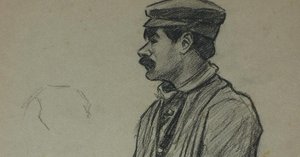
josep maria amat virgili
1881 - 1944 , Spain
Osnovne informacije
- Artistic Movement Or Style: Cubism, Surrealism
- Artists Or Movements Influenced By This Artist: ['Surrealists']
- Artists Who Influenced This Artist:
- Paul Cézanne
- Georges Braque
- Date Of Birth: October 25, 1881
- Date Of Death: April 8, 1973
- Full Name: Pablo Diego José Francisco de Paula Juan Nepomuceno María de los Remedios Cipriano de la Santísima Trinidad Ruiz y Picasso
- Nationality: Spanish
- Notable Artworks:
- Guernica
- Les Demoiselles d’Avignon
- The Weeping Woman
- Girl Before a Mirror
- Place Of Birth: Málaga, Spain
Povezani članci

Impressionistic Landscapes: 10 Masterpieces That Changed Art & Decor
Journey into the heart of Impressionism! Explore 10 masterpieces by Monet, Renoir & Degas that revolutionized landscape art. Discover their stories, techniques & find museum-quality reproductions to elevate your home decor on ArtsDot.com.
Impresionistički pejzaži: 10 remek-dela koja su definisala umetnički pokret
Otkrijte 10 remek-dela impresionizma koja su zauvek obeležila pejzažnu umetnost! Monet, Renoar i Degas – istražite priče iza svake slike. Inspiracija za dekoraciju enterijera i vrhunske reprodukcije na ArtsDot.com. Istražite kolekciju online!

Evocations of Place: A Historical Journey Through Landscape Art
Explore the rich history of landscape art with ArtsDot. Discover renowned artists, movements like Impressionism & Romanticism, and expert guidance for collecting timeless pieces. Find your perfect serene escape today!

Glavna dela koja su definisala Romantični pejzaž: 10 remek-dela za vaš dom
Otkrijte 10 remek-dela romantičnog pejzažnog slikarstva! Uronite u svet Claude Lorraina, Caspara David Friedricha i Turnera. Ispričane priče umetnosti, inspiracija za dekoraciju doma. Kvalitetne reprodukcije na ArtsDot.com – istražite celu kolekciju online!

25 Remek-dela Džona Konstebla: Lepota Engleske na Platnu | ArtsDot
Uronite u svet Džona Konstebla! Otkrijte 25 remek-dela engleskog pejzaža, romantizma i seoske idile. Kupite reprodukcije slika vrhunskog kvaliteta za dekoraciju enterijera na ArtsDot.com.