

 Pregledaj u prostoru
 Pošalji
 Podeli
 Detalji o delu

 Преузми
 Slični predmeti
 Rendgenski snimak
 Slajdovi
 Statistika
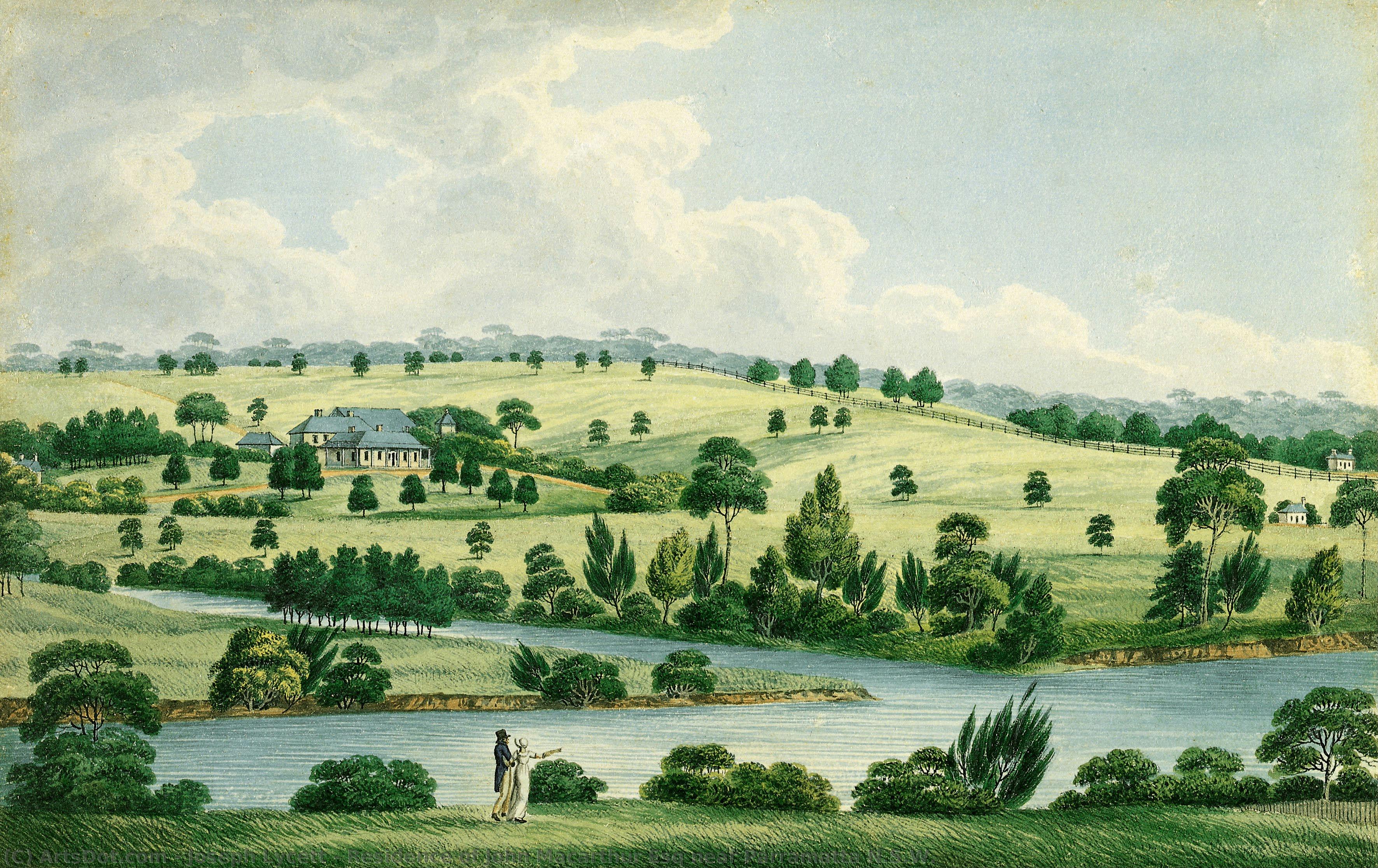
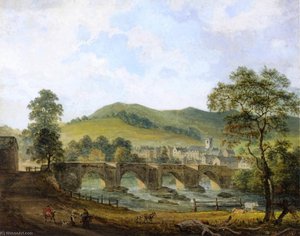
Residence of John Macarthur Esq near Parramatta N.S.W.
 Watercolor
- WallArt
 1823
1823- 19th Century
 27.0 x 17.0 cm
 Art Gallery of South Australia
 Pročitaj više
Ručno rađena uljana reprodukcija
Ručno oslikano uljanim bojama na platnu u dimenzijama i okviru po vašem izboru, izrađeno po porudžbini od strane naših umetnika. ( Pređi na štampu Pređi na digitalnu sliku)




P118B $10

P118H $10

P118W $10

P438Z $10

P508JH $12

P508YH $12

P805H $10

P805Z $10

P919BZ $10

P919G $10

P919XJ $10

P959ZH $10

P968JZ $12

W106C $8

W218G $10

W218JH $8

W218Y $10

W307PJ $10

W316G $10

W316PJ $8

W316Y $10

W398PJ $8

W4111J $10

W500HY $15

W500JH $15

W692G $12

W849H $8

W940BG $15

W953PJ $8




Izaberite jednu od naših unapred definisanih veličina koje odgovaraju originalnim proporcijama umetničkog dela.

Можете унети сопствене димензије како бисте прилагодили дело одређеном оквиру или простору. Ако одабрана величина не одговара пропорцијама оригинала, слика ће бити исечена или проширена додатним елементима који се ручно насликавају. Дигитални prikaz ће вам бити послат на одобрење пре почетка производње.
Имајте на уму да преглед на екрану не одражава стварно исецање или проширење. Само приказ (mockup) ће тачно приказати коначну композицију.
Иако су доступне прилагођене величине, препоручујемо да одаберете димензију из дефинисане листе како бисте сачували оригиналне пропорције.
Nakon narudžbine, tim ArtsDot.com će klijentu putem e-pošte poslati uputstva i dostaviti prikaz predloženog rešenja
Isporuka širom sveta () za 3/4 nedelje umesto uobičajenih 5 nedelja. (9 септембар). Bez kompromisa po pitanju kvaliteta.

Besplatna ekspresna dostava širom sveta

Visokokvalitetno laneno platno

Kompletno osiguranje transporta

Garancija povraćaja carine i uvoznih dažbina

Garancija vernosti boja

Politika povraćaja u roku od 100 dana (isključivo u slučaju nedostataka)

Garancija povrata novca od 100%

Popust pri grupnoj kupovini
 Opcija sa staklom dostupna je samo za dimenzije manje od 110 cm

Residence of John Macarthur Esq near Parramatta N.S.W.
Tehnika reprodukcije
Dimenzije reprodukcije
-


Konačna cena
$ 263
Srodna umetnička dela

Biografija umetnika
The Echoes of the Everyday: Exploring the Work of William Adames
William Adames (1803-1828), a name perhaps less familiar than his contemporaries in the Romantic and early Realist movements, nevertheless carved out a unique and profoundly affecting space within 19th-century British art. Born in London, Adames’ life was tragically short, cut short by tuberculosis at the age of twenty-five, yet during his brief career he produced a body of work that continues to resonate with its quiet observation, meticulous detail, and poignant exploration of ordinary subjects—a hallmark of what would later be termed “Präraffination” or “sublime realism.” His art wasn’t about grand narratives or heroic figures; instead, Adames sought to capture the essence of human experience within the seemingly mundane details of daily life.Early Life and Influences
Adames' artistic journey began with a rigorous apprenticeship under John Esmore Hughes, a portrait painter who instilled in him a strong foundation in classical technique and composition. However, it was the influence of the Pre-Raphaelites – particularly their emphasis on direct observation and detailed rendering – that truly shaped Adames’ approach. The Brotherhood's fascination with medieval art, mythology, and literature provided a crucial counterpoint to the prevailing academic styles of the time. While he never formally joined the group, Adames shared many of their core principles: a commitment to truthfulness in representation, an interest in symbolism, and a rejection of idealized beauty. His early works demonstrate this influence, particularly his depictions of biblical scenes – notably *The Annunciation* (1826) – which are characterized by a remarkable clarity of form and a subtle, almost melancholic atmosphere. The meticulous detail, reminiscent of Flemish masters, combined with the Pre-Raphaelite’s interest in narrative and symbolism, created a distinctive visual language.The Subject Matter: Everyday Life and Psychological Depth
What distinguished Adames from many of his contemporaries was his consistent focus on ordinary subjects – women engaged in domestic tasks, children playing, laborers at work, and scenes of rural life. He wasn’t interested in grand historical events or dramatic narratives; instead, he sought to reveal the inner lives of these individuals through careful observation and psychological insight. His paintings are imbued with a sense of quiet contemplation, inviting viewers to consider the complexities of human experience within seemingly simple moments. *The Milkmaid* (1827), perhaps his most famous work, exemplifies this approach. The painting isn’t merely a depiction of a rural scene; it's a profound meditation on loneliness, isolation, and the weight of routine. The milkmaid’s expression—a mixture of weariness and resignation—is rendered with astonishing subtlety, conveying a wealth of emotion through a single glance. Similarly, *The Shoemaker* (1827) captures the dignity and quiet strength of a working-class man, highlighting his skill and dedication to his craft.Technique and Style: Precision and Atmosphere
Adames’ technical mastery is evident in every detail of his paintings. He employed a meticulous technique, painstakingly building up layers of paint to achieve an extraordinary level of realism. His use of light and shadow was particularly noteworthy, creating atmospheric effects that enhanced the emotional impact of his scenes. He often worked *alla prima*, directly on the canvas without preliminary sketches, allowing him to capture fleeting moments and spontaneous expressions with remarkable immediacy. The influence of Flemish painting is palpable in his handling of color—a rich, luminous palette achieved through careful layering and glazing. Furthermore, Adames’ compositions are typically balanced and harmonious, reflecting a deep understanding of classical principles of design.Legacy and Historical Significance
Despite the brevity of his career, William Adames left a significant mark on British art. His work anticipated many of the developments in Realism that would emerge in the latter half of the 19th century, demonstrating a commitment to depicting everyday life with honesty and psychological depth. While he never achieved widespread fame during his lifetime, his paintings have been increasingly recognized for their quiet beauty, profound insights, and enduring relevance. His focus on the overlooked and the marginalized—the women, children, and laborers of Victorian England—offers a valuable perspective on a period often dominated by narratives of wealth and power. Today, Adames’ work stands as a testament to the power of observation, the importance of empathy, and the beauty that can be found in the most ordinary of subjects. His legacy lies not in grand pronouncements or dramatic gestures, but in the quiet echoes of human experience captured with remarkable precision and sensitivity within his paintings.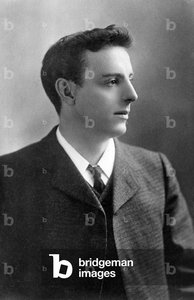
joseph lycett
1828 , United Kingdom
Osnovne informacije
- Artistic Movement Or Style: World Goes Pop
- Date Of Death: 1828
- Notable Artworks:
- Evelyne Axell
- Joav BarEl
- Thomas Bayrle
Povezani članci

Watercolor Wonders: 10 Masterpieces That Redefined Art History | ArtsDot
Journey through 10 legendary watercolor masterpieces by Sargent, Turner & Homer! Explore iconic landscapes, portraits & floral art that redefined history. Find museum-quality reproductions and curated decor ideas at ArtsDot.com.
Ephemeral Visions: Exploring the History & Emotional Resonance of Watercolor Painting
Explore the captivating history of watercolor painting, from ancient techniques to modern masters like Kandinsky & Blake. Discover essential artists, collecting tips & the emotional power of this luminous medium. Expert insights for art enthusiasts.

Ephemeral Visions: Exploring the Artistic Legacy & Contemporary Practice of Watercolor Painting
Explore the captivating world of watercolor painting! Discover its rich history, essential techniques, influential artists & collecting tips. A comprehensive guide for art enthusiasts from ArtsDot.

Glavna dela koja su definisala Romantični pejzaž: 10 remek-dela za vaš dom
Otkrijte 10 remek-dela romantičnog pejzažnog slikarstva! Uronite u svet Claude Lorraina, Caspara David Friedricha i Turnera. Ispričane priče umetnosti, inspiracija za dekoraciju doma. Kvalitetne reprodukcije na ArtsDot.com – istražite celu kolekciju online!

25 Remek-dela Džona Konstebla: Lepota Engleske na Platnu | ArtsDot
Uronite u svet Džona Konstebla! Otkrijte 25 remek-dela engleskog pejzaža, romantizma i seoske idile. Kupite reprodukcije slika vrhunskog kvaliteta za dekoraciju enterijera na ArtsDot.com.