

 Pregledaj u prostoru
 Pošalji
 Podeli
 Detalji o delu

 Преузми
 Slični predmeti
 Rendgenski snimak
 Slajdovi
 Statistika
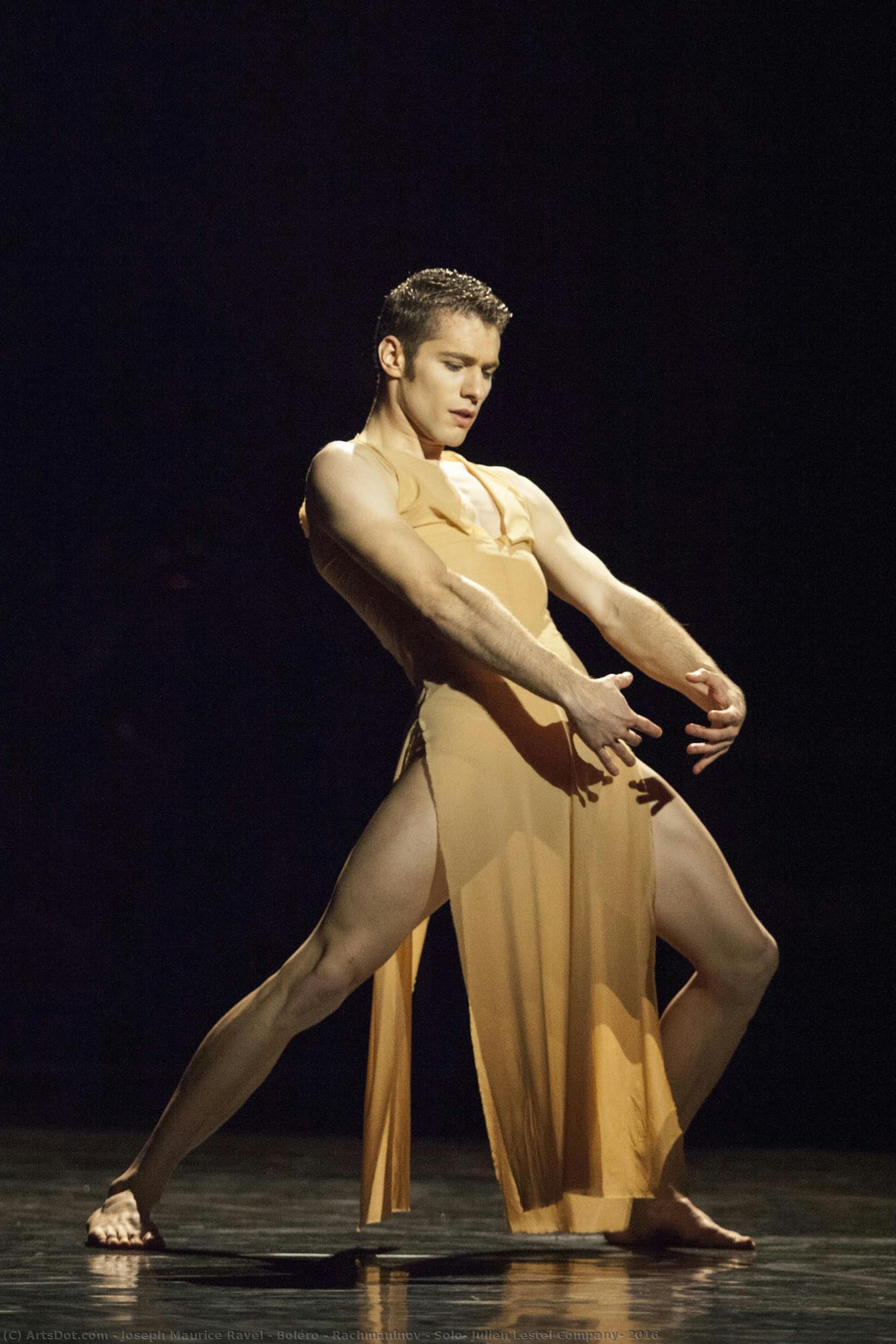
Boléro / Rachmaninov / Solo, Julien Lestel Company, 2016


 Pročitaj više
Kupite digitalnu sliku visoke rezolucije i poboljšanog kvaliteta, koja je znatno superiornija od onoga što vidite u online prikazu.
Svaka datoteka je pedantno pripremljena od strane naših stručnjaka koristeći napredne alate i profesionalnu ručnu retušu. Osiguravamo da svaka slika ima izuzetnu oštrinu, preciznu reprodukciju boja i fine detalje.
Konačna datoteka se dostavlja putem e-pošte u roku od 72 sata, optimizovana za neposrednu upotrebu u profesionalnim, izdavačkim i štamparskim okruženjima. To je isti kvalitet kojem veruju vrhunski studiji dizajna, izdavači i galerije.
Digitalna slika
Preuzmite datoteku visoke rezolucije za ličnu upotrebu, štampanje i kreativne projekte. ( Pređi na štampu Kupi ručno naslikanu sliku)
Uključeno uz svaku porudžbinu digitalne slike
Profesionalna digitalna isporuka, zagarantovana
Kada odaberete ArtsDot.com, ne dobijate samo sliku – vi primate profesionalno unapređeno digitalno umetničko delo, izrađeno sa najvećom preciznošću i uz garanciju zadovoljstva. Evo svega što automatski dolazi uz vašu porudžbinu:

Brza dostava putem e-pošte
Vaša digitalna slika visoke rezolucije biće vam poslata putem e-pošte u roku od 72 sata od poručivanja – spremna za trenutnu upotrebu.

Digitalna datoteka unapređena veštačkom inteligencijom
Vaše umetničko delo je profesionalno optimizovano korišćenjem naprednih AI alata i ručne obrade, čime se osiguravaju maksimalni detalji, oštrina i preciznost boja.

Besplatna ponovna isporuka doživotno
Slučajno ste obrisali ili izgubili svoju datoteku? Ne brinite – poslaćemo vam je ponovo u bilo kom trenutku, potpuno besplatno.

Bez troškova uvoza – zauvek
Uživajte u svojim umetničkim delima trenutno, bez carine, dažbina ili troškova dostave – digitalni download je uvek bez poreza.

Garancija vernosti boja
Uz pomoć profesionalnih alata i upravljanja bojama, osiguravamo da vaša digitalna slika što vernije odražava originalne boje.

Garancija zadovoljstva od 100 dana
Ako niste zadovoljni svojom digitalnom slikom, izvršićemo reviziju ili ćemo vam vratiti 100% novca u roku od 100 dana – bez ikakvih pitanja.

100% garancija povrata novca
Niste zadovoljni? Dobijte puni povraćaj novca u roku od 100 dana od prijema digitalne datoteke – bez suvišnih pitanja.

Popusti na velike porudžbine
Kupite 3 slike, uštedite 10% - Kupite 5 slika, uštedite 15% - Kupite 10+ slika, uštedite 20%. Odlično za kreativne projekte, galerije i agencije.
Srodna umetnička dela




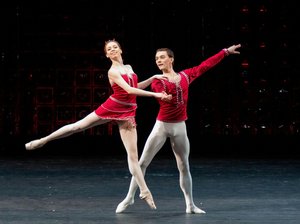
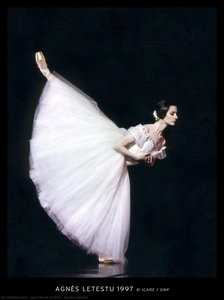
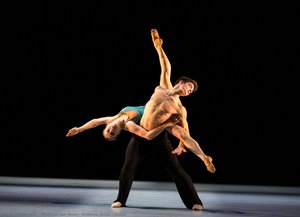
Biografija umetnika
A Life Immersed in Sound: The World of Maurice Ravel
Maurice Ravel, a name synonymous with shimmering textures and evocative melodies, stands as one of the most beloved composers of the 20th century. Born on March 7, 1875, in Ciboure, a small Basque town near the Spanish border, his origins were far removed from the Parisian salons he would eventually conquer. His father, Pierre-Émile Ravel, was an engineer with inventive inclinations but limited musical talent; his mother, Marie Delattre, possessed a more refined sensibility and nurtured her son’s early passion for music. This duality – a blend of practical ingenuity and artistic sensitivity – perhaps foreshadowed the unique character of Ravel's compositions: meticulously crafted yet brimming with emotional depth. He began piano lessons at age seven, demonstrating an exceptional aptitude that quickly outstripped the capabilities of his initial teachers. Though initially drawn to composers like Chopin and Schumann, he soon sought guidance from more progressive figures, notably Émile Pessard, who instilled in him a rigorous technical foundation. Ravel’s early attempts to enter the Paris Conservatoire were thwarted by his lack of traditional academic credentials; however, he eventually gained admission in 1887, studying composition with Gabriel Fauré. Fauré recognized and encouraged Ravel's distinctive voice, even as it diverged from conventional norms.Early Struggles and the Forging of a Style
The years at the Conservatoire were marked by both intense study and frustrating setbacks. Despite his prodigious talent, Ravel struggled to win prestigious prizes, facing criticism for his unconventional harmonies and reluctance to conform to established expectations. He was dismissed from Fauré’s class after failing an important counterpoint exam, a blow that fueled his determination to forge his own path. This period of relative obscurity proved crucial in the development of his unique style. He immersed himself in diverse musical influences – Spanish folklore, Russian composers like Mussorgsky and Rimsky-Korsakov, and the emerging sounds of jazz – absorbing their essence and transforming them into something entirely new. Ravel’s early works, such as *Pavane pour une infante défunte* (1895) and *Jeux d'eau* (1901), already hint at his characteristic blend of delicate orchestration, subtle harmonic color, and a fascination with atmosphere and suggestion. These pieces, though initially overlooked by the mainstream musical establishment, began to attract attention within avant-garde circles, establishing him as a composer to watch. He deliberately avoided grand operatic forms early in his career, preferring shorter, more intimate works that allowed him to explore nuance and refine his compositional technique.The Zenith of Creativity: Masterpieces and Recognition
The first decade of the 20th century witnessed Ravel’s ascent to international prominence. 1908 proved a pivotal year with the premiere of *Daphnis et Chloé*, a ballet commissioned by Sergei Diaghilev for his Ballets Russes. This lush, evocative score, inspired by Greek pastoral poetry, showcased Ravel's mastery of orchestration and harmonic color, establishing him as a leading figure in French music. The following year brought the premiere of *Ma Mère l’Oye* (Mother Goose), a suite of five piano pieces later orchestrated into a beloved ballet. However, it was *Boléro* (1928) that catapulted Ravel to widespread fame – and notoriety. The piece's relentless rhythmic ostinato and gradual crescendo captivated audiences worldwide, becoming one of the most recognizable orchestral works ever written. Despite its immense popularity, Ravel himself grew ambivalent towards *Boléro*, feeling it overshadowed other aspects of his compositional output. He continued to explore diverse forms throughout his career, composing piano concertos, chamber music, vocal works, and even jazz-influenced pieces like the *Sonatine* (1905) and the *Rhapsodie Espagnole* (1907). His *Concerto pour la main gauche* (Piano Concerto for the Left Hand), written for Paul Wittgenstein after the pianist lost his right arm in World War I, stands as a testament to his ingenuity and compassion.Influences, Development & Historical Significance
Ravel’s musical language was characterized by its exquisite craftsmanship, subtle harmonic color, and evocative atmosphere. He drew inspiration from a wide range of sources – Spanish folklore, Russian composers like Mussorgsky and Rimsky-Korsakov, the Impressionist painters Monet and Debussy, and the emerging sounds of jazz. While often grouped with the Impressionists, Ravel resisted this categorization, emphasizing his commitment to clarity of form and precise orchestration. He saw himself as a craftsman rather than an emotional expressionist, meticulously constructing his works from the ground up.- Spanish Influences: His Basque heritage profoundly shaped his musical sensibility, evident in works like *Rhapsodie Espagnole* and *Boléro*, which incorporate Spanish rhythms and melodies.
- Russian Composers: Mussorgsky’s bold harmonies and Rimsky-Korsakov’s vibrant orchestration inspired Ravel to explore new sonic possibilities.
- Impressionism & Symbolism: The evocative atmospheres of Impressionist painters like Monet and the poetic imagery of Symbolist writers influenced his approach to musical form and expression.
- Jazz: Ravel was fascinated by jazz, incorporating its rhythms and harmonies into works like *Sonatine* and *Anson’s Lullaby*.
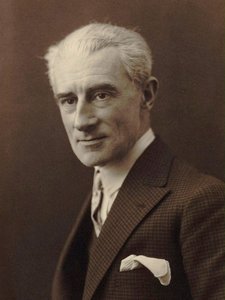
joseph maurice ravel
1875 - 1937 , France