

 Pregledaj u prostoru
 Pošalji
 Podeli
 Detalji o delu

 Преузми
 Slični predmeti
 Rendgenski snimak
 Slajdovi
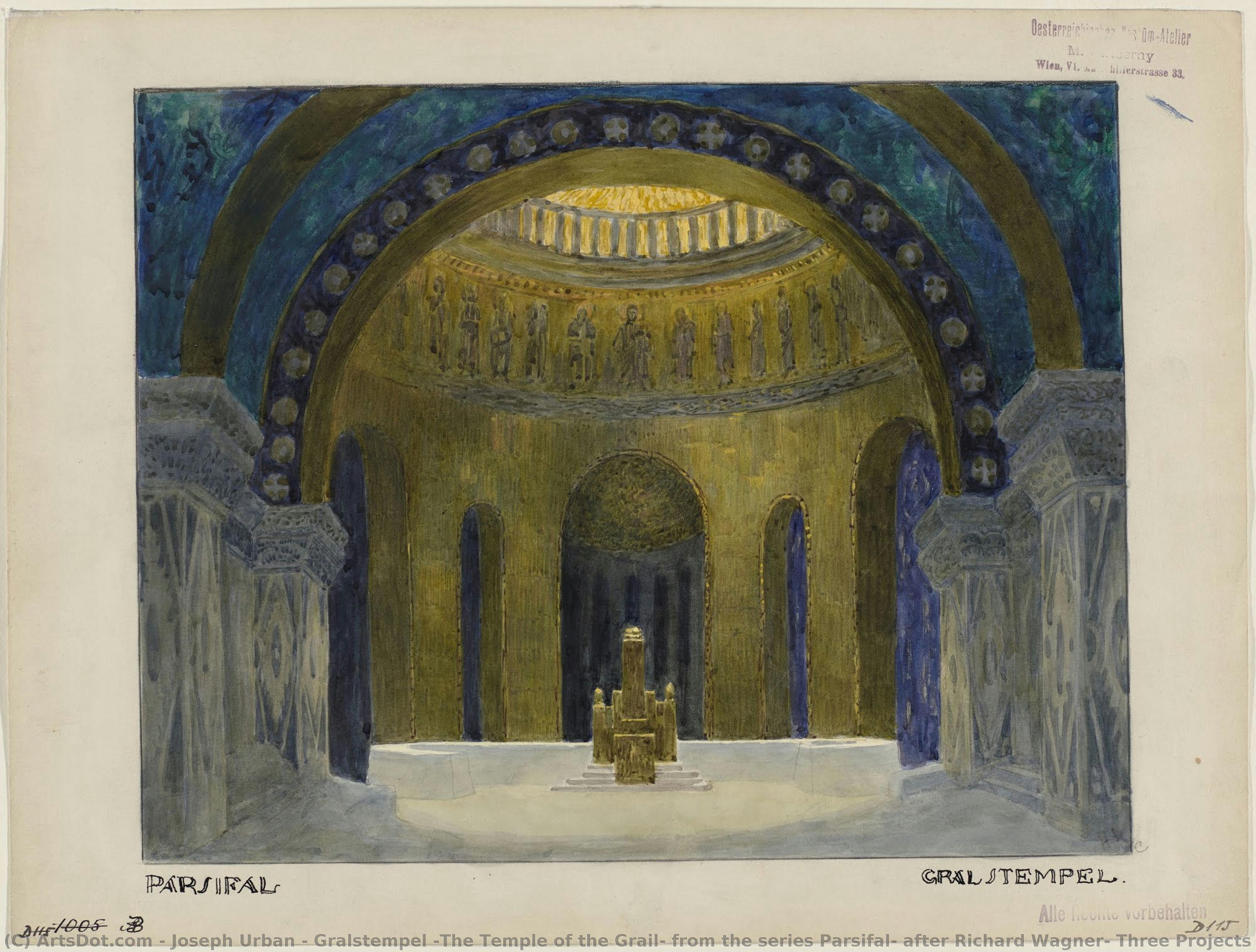
Gralstempel (The Temple of the Grail) from the series Parsifal, after Richard Wagner: Three Projects for Scenery

 Pročitaj više
Ručno rađena uljana reprodukcija
Ručno oslikano uljanim bojama na platnu u dimenzijama i okviru po vašem izboru, izrađeno po porudžbini od strane naših umetnika. ( Kupi print Kupi digitalnu sliku)




































Izaberite jednu od naših unapred definisanih veličina koje odgovaraju originalnim proporcijama umetničkog dela.

Можете унети сопствене димензије како бисте прилагодили дело одређеном оквиру или простору. Ако одабрана величина не одговара пропорцијама оригинала, слика ће бити исечена или проширена додатним елементима који се ручно насликавају. Дигитални prikaz ће вам бити послат на одобрење пре почетка производње.
Имајте на уму да преглед на екрану не одражава стварно исецање или проширење. Само приказ (mockup) ће тачно приказати коначну композицију.
Иако су доступне прилагођене величине, препоручујемо да одаберете димензију из дефинисане листе како бисте сачували оригиналне пропорције.
Nakon narudžbine, tim ArtsDot.com će klijentu putem e-pošte poslati uputstva i dostaviti prikaz predloženog rešenja
Isporuka širom sveta () za 3/4 nedelje umesto uobičajenih 5 nedelja. (6 септембар). Bez kompromisa po pitanju kvaliteta.

Besplatna ekspresna dostava širom sveta

Visokokvalitetno laneno platno

Kompletno osiguranje transporta

Garancija povraćaja carine i uvoznih dažbina

Garancija vernosti boja

Politika povrata u roku od 100 dana (samo u slučaju nedostataka)

Garancija povrata novca od 100%

Popust pri grupnoj kupovini
 Opcija sa staklom dostupna je samo za dimenzije manje od 110 cm

Gralstempel (The Temple of the Grail) from the series Parsifal, after Richard Wagner: Three Projects for Scenery
Tehnika reprodukcije
Dimenzije reprodukcije
-


Konačna cena
$ 263
Srodna umetnička dela










Biografija umetnika
Early Life and Education
- Joseph Urban was born on May 26, 1872, in Vienna, Austria.
- He received his initial architectural training at the Academy of Fine Arts Vienna under Karl von Hasenauer.
- At the young age of 19, he secured his first significant commission: designing a new wing for the Abdin Palace in Cairo for Tewfik Pasha. This early success demonstrated his burgeoning talent and ambition.
- In 1890, alongside his brother-in-law Heinrich Lefler, Urban co-founded the Hagenbund, an Austrian artists' association that aimed to promote modern art and challenge traditional artistic norms.
- His early work was significantly influenced by Lefler, particularly in illustrated books. Together they created notable examples of children’s book illustration.
Career Development and Artistic Style
- Urban's artistic style was characterized by an innovative use of color, a pointillist technique inspired by artists like Monet and Seurat, and a decorative approach to line.
- He worked across multiple disciplines – architecture, illustration, and scenic design – blurring the boundaries between them. His buildings often possessed a theatrical quality, while his stage designs exhibited architectural precision.
- In 1911, Urban immigrated to the United States, becoming the art director of the Boston Opera Company. This marked a pivotal moment in his career, bringing him international recognition.
- He moved to New York City in 1914 and quickly established himself as a leading figure in American stage design, collaborating with prominent clients such as William Randolph Hearst.
- His designs for the Metropolitan Opera and the Ziegfeld Follies were particularly celebrated, showcasing his vibrant color palettes and innovative use of light and space. He designed over 500 sets for more than 168 productions.
Major Works and Collaborations
- Notable architectural projects included Esterhazy Castle in Hungary, demonstrating his versatility beyond theatrical design.
- His collaborations extended to co-producing Percy Mackaye's 'Community Masque' *Caliban by the Yellow Sands* with Richard Ordynski, highlighting his interest in interdisciplinary artistic endeavors.
- The Ziegfeld Theatre in New York City stands as a testament to his architectural and design prowess, embodying the glamour and extravagance of the era.
- His stage designs for the Metropolitan Opera remained in the company’s repertoire into the 1950s, demonstrating their enduring appeal and influence.
- He was also responsible for color choices at the 1939 Chicago World's Fair, showcasing his expertise in large-scale visual design.
Legacy and Historical Significance
- Joseph Urban’s legacy lies in his pioneering approach to stagecraft, integrating architectural principles with theatrical aesthetics.
- His innovative use of color and pointillist technique influenced subsequent generations of artists and designers.
- He anticipated postmodern design sensibilities through his careful borrowing and integration of diverse artistic elements.
- Urban’s work is represented in museum collections, including the Museum of Applied Arts in Vienna, ensuring its preservation and accessibility for future study.
- Despite being somewhat overlooked historically, Urban's contributions to American stage design are increasingly recognized as pivotal in shaping modern theatrical aesthetics. His ability to blend architecture and theatre created a unique visual language that continues to inspire artists today.

joseph urban
1872 - 1933 , Austria
Osnovne informacije
- Artistic Movement Or Style: Art Deco, Pointillism
- Artists Or Movements Influenced By This Artist: ['Gustav Klimt']
- Artists Who Influenced This Artist:
- Monet
- Seurat
- Date Of Birth: May 26, 1872
- Date Of Death: July 10, 1933
- Full Name: Joseph Urban
- Nationality: Austrian-American
- Notable Artworks:
- Gralstempel
- Designs for opera
- Ziegfeld Follies designs
- Place Of Birth: Vienna, Austria