

 Pregledaj u prostoru
 Pošalji
 Podeli
 Detalji o delu

 Преузми
 Slični predmeti
 Rendgenski snimak
 Slajdovi
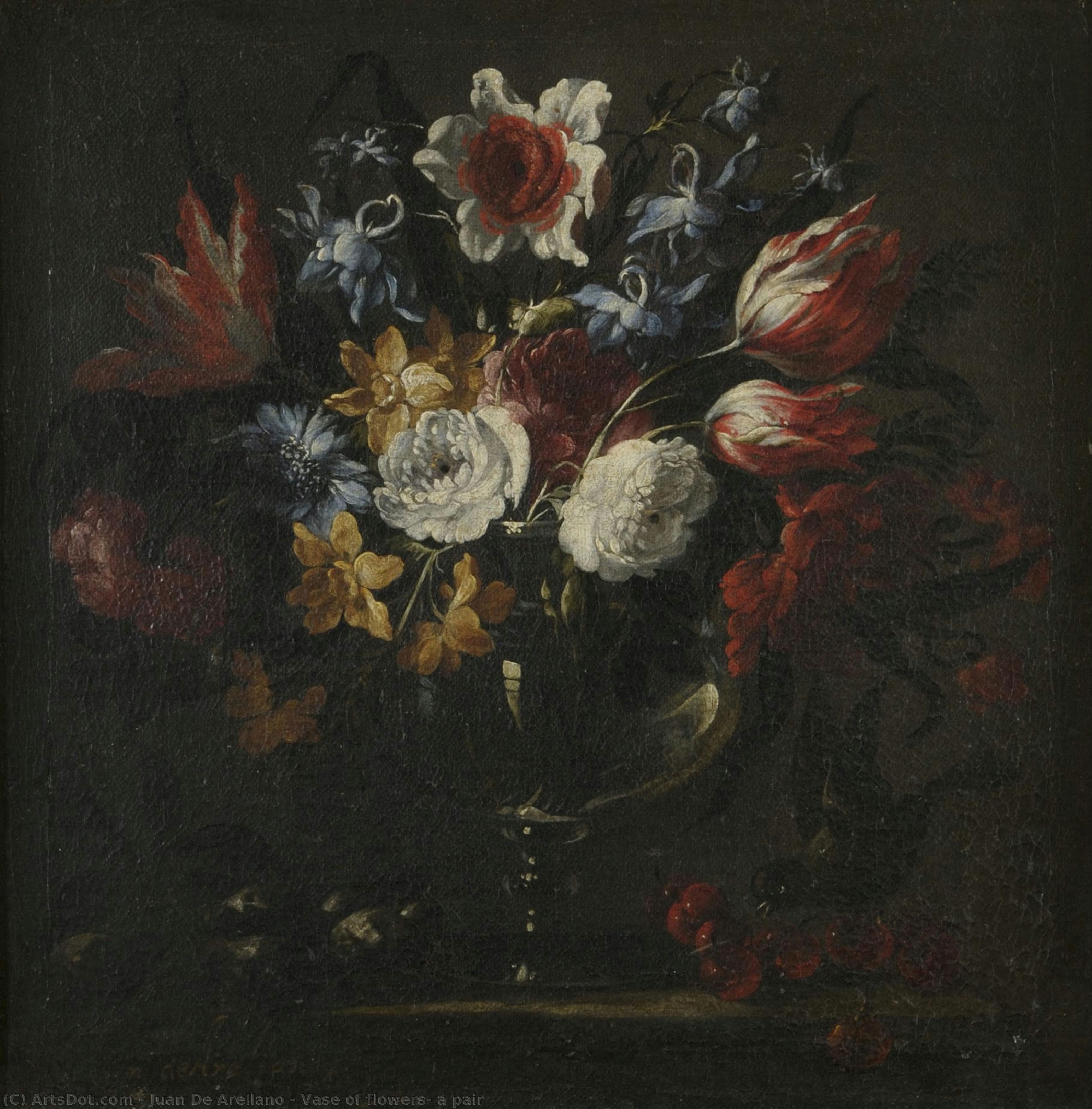
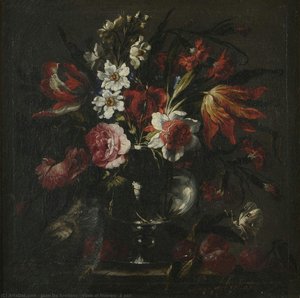
Vase of flowers, a pair
 Acrylic On Canvas
- WallArt
- Baroque
 50.0 x 50.0 cm
 Château de Villandry
 Pročitaj više
Ručno rađena uljana reprodukcija
Ručno oslikano uljanim bojama na platnu u dimenzijama i okviru po vašem izboru, izrađeno po porudžbini od strane naših umetnika. ( Kupi print Kupi digitalnu sliku)




P118B $10

P118H $10

P118W $10

P438Z $10

P508JH $12

P508YH $12

P805H $10

P805Z $10

P919BZ $10

P919G $10

P919XJ $10

P959ZH $10

P968JZ $12

W106C $8

W218G $10

W218JH $8

W218Y $10

W307PJ $10

W316G $10

W316PJ $8

W316Y $10

W398PJ $8

W4111J $10

W500HY $15

W500JH $15

W692G $12

W849H $8

W940BG $15

W953PJ $8




Izaberite jednu od naših unapred definisanih veličina koje odgovaraju originalnim proporcijama umetničkog dela.

Можете унети сопствене димензије како бисте прилагодили дело одређеном оквиру или простору. Ако одабрана величина не одговара пропорцијама оригинала, слика ће бити исечена или проширена додатним елементима који се ручно насликавају. Дигитални prikaz ће вам бити послат на одобрење пре почетка производње.
Имајте на уму да преглед на екрану не одражава стварно исецање или проширење. Само приказ (mockup) ће тачно приказати коначну композицију.
Иако су доступне прилагођене величине, препоручујемо да одаберете димензију из дефинисане листе како бисте сачували оригиналне пропорције.
Nakon narudžbine, tim ArtsDot.com će klijentu putem e-pošte poslati uputstva i dostaviti prikaz predloženog rešenja
Isporuka širom sveta () za 3/4 nedelje umesto uobičajenih 5 nedelja. (26 август). Bez kompromisa po pitanju kvaliteta.

Besplatna ekspresna dostava širom sveta

Visokokvalitetno laneno platno

Kompletno osiguranje transporta

Garancija povraćaja carine i uvoznih dažbina

Garancija vernosti boja

Politika povrata u roku od 60 dana (samo u slučaju nedostataka)

Garancija povrata novca od 100%

Popust pri grupnoj kupovini
 Opcija sa staklom dostupna je samo za dimenzije manje od 110 cm

Vase of flowers, a pair
Tehnika reprodukcije
Dimenzije reprodukcije
-


Konačna cena
$ 263
Opis umetničkog dela
A Symphony in Bloom: Unveiling Juan de Arellano's "Vase of Flowers"
The world of 17th-century Spanish art is often associated with dramatic religious scenes and grand portraits, yet within this landscape flourished a subtle but captivating genre: the floral still life. Juan de Arellano’s “Vase of Flowers,” a remarkably preserved example from around 1652, offers a poignant glimpse into this specialized artistic realm. More than just a depiction of flowers, it's a carefully constructed meditation on beauty, mortality, and the fleeting nature of earthly delights – a testament to the artist’s meticulous observation and masterful command of Baroque technique.
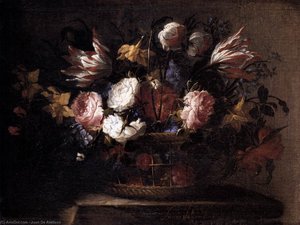
The painting immediately draws the eye with its vibrant palette. Deep reds from poppies and roses intertwine with sunny yellows of daffodils and tulips, punctuated by the cool blues and greens of forget-me-nots and violets. Arellano doesn’t simply arrange these blooms; he orchestrates them, creating a dynamic composition that feels both naturalistic and deliberately staged. The artist's brushwork is remarkably delicate, particularly evident in the rendering of each petal – a testament to his dedication to capturing the subtle textures and variations of light on their surfaces. Notice how the shadows are not merely dark voids but rather imbued with a luminous quality, contributing significantly to the painting’s overall sense of depth and realism.
The Influence of Flemish Masters & Baroque Principles
Arellano's work is deeply rooted in the artistic traditions of his time. Like many Spanish artists of the period, he was profoundly influenced by the meticulous detail and dramatic lighting championed by Flemish masters such as Daniel Seghers. However, Arellano transcends mere imitation; he adapts these influences to create a distinctly Spanish style. The strong chiaroscuro – the sharp contrast between light and dark – is particularly evident, drawing attention to the focal points of the arrangement while simultaneously creating an atmosphere of quiet contemplation. This technique was not merely decorative but served to heighten the emotional impact of the scene, emphasizing the transient beauty of the flowers.
Furthermore, Arellano’s work embodies key principles of Baroque art: a focus on drama, emotion, and opulent detail. The composition itself is carefully balanced, with the vase acting as a central anchor amidst a swirling sea of blossoms. The inclusion of a table – though subtly rendered – provides context and anchors the scene within a domestic setting, suggesting that these flowers are not merely for display but represent a cherished part of daily life. This integration of still life into a broader narrative was a hallmark of Baroque painting.
Symbolism & The Ephemeral Nature of Beauty
Floral still lifes in the 17th century were far more than simple botanical studies; they were laden with symbolic meaning. Each flower carried its own specific significance, often referencing religious themes or representing virtues and vices. Roses frequently symbolized love and beauty, while lilies represented purity and innocence. The careful selection of flowers within the arrangement would have communicated a particular message to the viewer – perhaps celebrating a marriage, commemorating a loss, or simply reminding us of the fleeting nature of earthly pleasures.
“Vase of Flowers” subtly reinforces this theme of transience. The vibrant colors and abundant blooms suggest a moment of intense beauty, but the overall composition also carries an undercurrent of melancholy. The flowers themselves are destined to fade and wither, mirroring the ephemeral nature of life itself. This awareness of mortality was a central preoccupation of Baroque art, and Arellano’s painting serves as a poignant reminder of this fundamental truth.
A Legacy in Reproduction & Artistic Inspiration
Today, “Vase of Flowers” stands as a testament to the enduring appeal of floral still life. Reproductions capture the essence of Arellano's artistry, allowing us to appreciate his technical skill and artistic vision. The painting’s influence can be seen in countless subsequent works, demonstrating its lasting impact on the history of art. Its delicate beauty, combined with its profound symbolic depth, continues to captivate viewers centuries after it was created – a timeless meditation on beauty, mortality, and the enduring power of nature.
Srodna umetnička dela
Biografija umetnika
Majstor botaničkog sjaja
U zlatnom dobu španskog baroka, malo je umetnika uspelo da uhvati prolaznu gracioznost prirode sa toliko preciznosti i strasti kao Juan de Arellano. Rođen 1614. godine u Santorcašu, blizu živog srca Madrida, Arellano se istakao kao jedinstvena sila u veku koji su često definisali dramatični religiozni zanos i sumorni realizam. Dok su se njegovi savremenici često okretali grandioznim istorijskim narativima ili intenzivnim prikazima mučeništva, Arellano je svoj poziv pronašao u nežnom, tihom jeziku latica i stabljika. Njegov život i rad predstavljaju majstorski spoj španske senzibilnosti i bujnih, ornamentalnih tradicija koje su doprinela flamanski i italijanski pravci, stvarajući nasleđe koje ostaje temelj slikarstva mrtve prirode sedamnaestog veka.
Temelji Arellanove umetničke veštine postavljeni su pod vođstvom Juana de Solisa, slikara čija je stručnost u pejzažu pružila strukturnu pozadinu umetnikovom rastućem interesovanju za botaničke detalje. Ipak, upravo su širi evropski umetnički tokovi istinski oblikovali njegovu viziju. Upijajući pedantnu, gotovo naučnu preciznost flamanskih majstora poput Daniela Seghersa i dramatične, svetlošću ispunjene kompozicije italijanskih slikara kao što je Mario Nuzzi, Arellano je razvio jedinstven stilski rečnik. Savladao je umetnost chiaroscuro tehnike, koristeći duboku igru između bogatih, baršunastih senki i blistavih, luminosnih svetlosti kako bi oživnuo svaku ružu, tulipan i ljiljan koje je prikazivao.
Vizija preciznosti i pragmatizma
U priči o Arellanovoj karijeri postoji fascinantna dualnost—spoj umetničke posvećenosti i oštrog profesionalnog intelekta. Istorijski zapisi sugerišu da je umetnik svesno odlučio da se specijalizuje isključivo za cvetne mrtve prirode. To nije bila samo estetska preferencija, već i pragmatična odluka; fokusiranjem na ovaj specifiću žanr, mogao je efikasnije da se kreće na tadašnjem rastućem tržištu umetnosti, nudeći visoko tražene botaničke studije koje su bile profitabilne, a manje fizički zahtevne od monumentalnih platna neophodnih za oltare. Ovaj fokus mu je omogućio da postigne nezapamljiv nivo tehničkog majstorstva, pretvarajući svako platno u prozor hiperrealističke lepote.
Njegove kompozicije su mnogo više od običnog rasporeda flora; one su pažljivo orkestrirane drame boja i formi. U njegovim rukama, buket postaje složena naracija teksture i svetlosti. Posedovao je izvanrednu sposobnost da uhvati prolazne trenutke vrhunca cvata—blago uvijenu truleću laticu, rosu na listu ili prozirnost latice uhvaćene u zraku sunca. Kroz njegove poteze četkicom, posmatjač se poziva u carstvo spokojnog kontempliranja, gde je prolazna lepota prirodnog sveta zamrznuta u večnoj, vibrantnoj savršenosti.
Nasleđe i umetnički značaj
Istorijski značaj Juana de Arellana leži u njegovoj sposobnosti da uzdigne mrtvu prirodu iz sekundarnog žanra u duboko sredstvo umetničkog izražavanja. Njegov rad služi kao vitalna karika između teških, simboličkih tradicija ranog baroka i dekorativnije, svetlošću ispunjene estetike koja je usledila. Kroz njegove slike vidimo uticaj međunarodnih stilova koji se harmonizuju sa distinktivnom španskom elegancijom, stvarajući korpus dela koji prevazilazi granice.
Danas se uticaj Arellanovog dela može osetiti u prestižnim salama muzeja širom sveta, gde njegovi kultni buketi i dalje očaravaju publiku. Njegov doprinos svetu umetnosti obuhvata:
- Tehničku inovaciju: Sofisticiranu primenu svetlosti i senke u stvaranju trodimenzionalnog botaničkog realizma.
- Uzvišenje žanra: Transformaciju cvetne mrtve prirode u prestižnu temu sposobnu za duboku emocionalnu i simboličku težinu.
- Kulturnu sintezu: Uspešno spajanje flamanskog detalja sa italijanskom dramom i španskim šarmom, stvarajući jedinstvenu evropsku estetiku.
Dok posmatramo njegova remek-dela, poput slavnog Bouquet of Flowers, podsećamo se da prava umetnost leži u sposobnosti pronalaženja beskrajnog u beskrajno malom, i pronalaženja večne lepote u najnežnijim od prolaznih stvari.
Huan De Arellano
1614 - 1676 , Španija
Osnovne informacije
- Artistic Movement Or Style: Barok
- Artists Or Movements Influenced By This Artist: ['Daniel Seghers']
- Artists Who Influenced This Artist: ['Juan de Solís']
- Date Of Birth: 1614
- Date Of Death: 1676
- Full Name: Juan de Arellano
- Nationality: Španski
- Notable Artworks:
- Buket cveća
- Venac od cveća
- Place Of Birth: Santorcaz, Španija
Povezani članci

Francisco Goya: 25 Remek-dela Španskog Majstora za Vaš Dom | ArtsDot
Istražite 25 remek-dela Francisca Goya, španskog slikara romantizma i impresionizma. Portreti, tamne slike & istorija umetnosti na ArtsDot.com! Kupite reprodukcije slika vrhunskog kvaliteta za dekoraciju enterijera. Otkrijte celu kolekciju online.
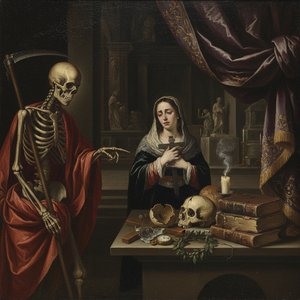
Juan de Valdés Leal: Baroque Realism, Memento Mori & Theatricality of Spanish Grief
Explore the powerful Baroque realism of Juan de Valdés Leal (1622-1690). Discover his somber masterpieces, iconic 'In Ictu Oculi', and profound explorations of mortality. Museum-quality reproductions available at ArtsDot.
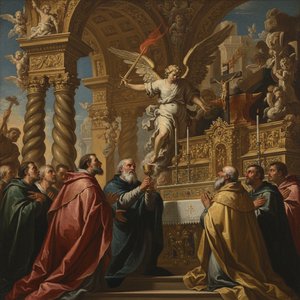
The Golden Age Reforged: Dramatic Realism & Religious Zeal in Spanish Baroque Art
Explore the dramatic world of Spanish Baroque art! Discover masters like Zurbarán & the powerful influence of religious zeal on painting techniques – a guide for collectors and enthusiasts.
About Us
Discover our story! We bring world-class art into your life through expert curation, personalized creations, and free previews. Trusted by individuals and businesses since 2000.
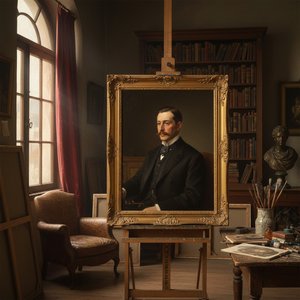
Rafael de Penagos: A Study in Spanish Portraiture & Artistic Identity
Explore the life & art of Rafael de Penagos, a leading Spanish Art Deco illustrator. Discover his iconic 'Penagos Woman', commercial work, and lasting legacy. Learn about this pivotal figure in 20th-century Spanish art history.

