

 Pregledaj u prostoru
 Pošalji
 Podeli
 Detalji o delu

 Преузми
 Slični predmeti
 Rendgenski snimak
 Slajdovi
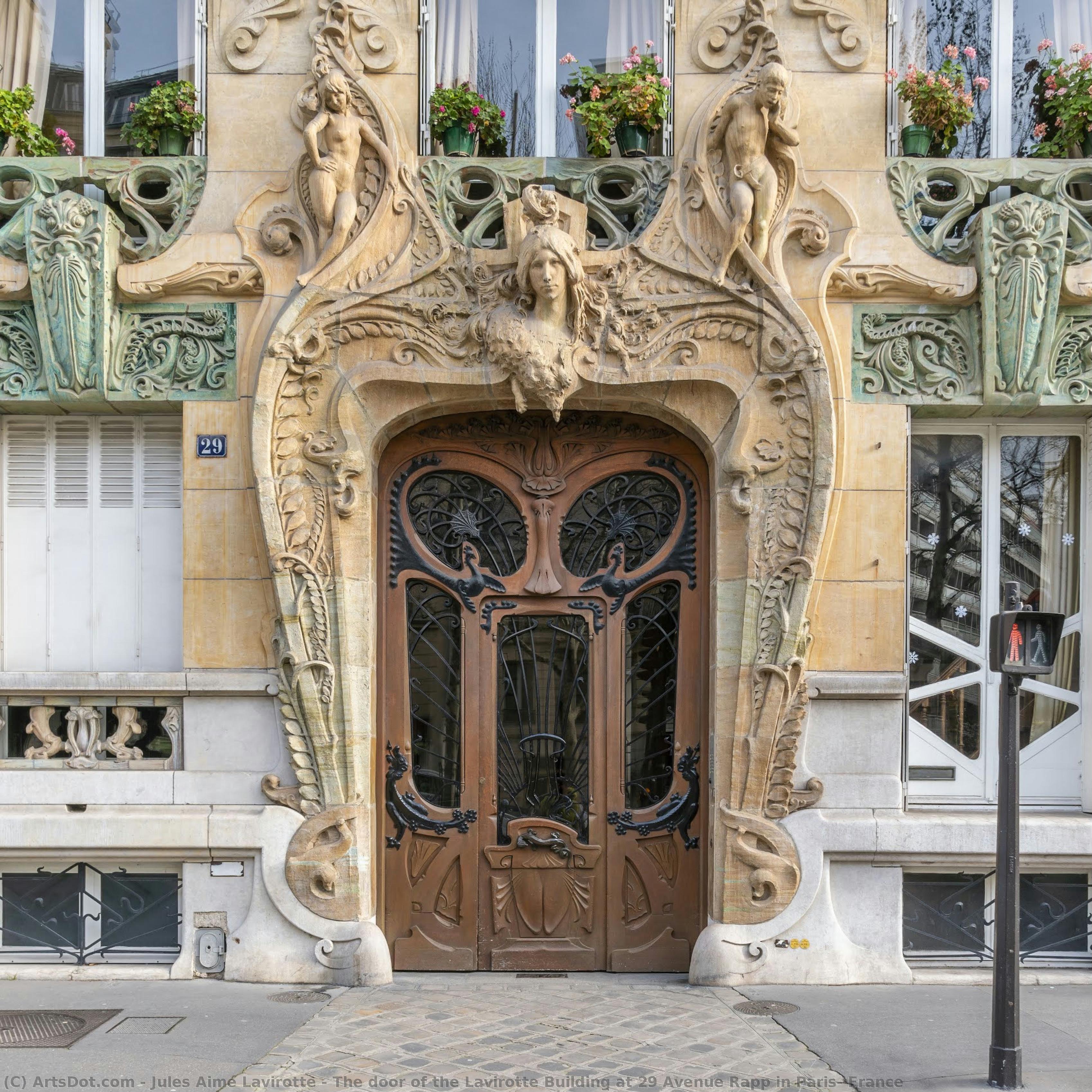
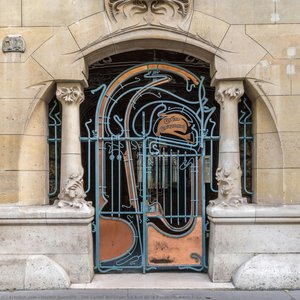
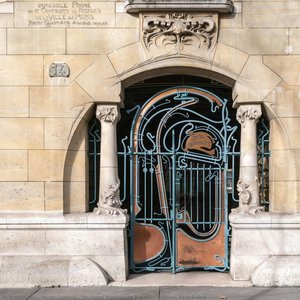
The door of the Lavirotte Building at 29 Avenue Rapp in Paris, France


 Pročitaj više
Ručno rađena uljana reprodukcija
Ručno oslikano uljanim bojama na platnu u dimenzijama i okviru po vašem izboru, izrađeno po porudžbini od strane naših umetnika. ( Kupi print Kupi digitalnu sliku)




P118B $10

P118H $10

P118W $10

P438Z $10

P508JH $12

P508YH $12

P805H $10

P805Z $10

P919BZ $10

P919G $10

P919XJ $10

P959ZH $10

P968JZ $12

W106C $8

W218G $10

W218JH $8

W218Y $10

W307PJ $10

W316G $10

W316PJ $8

W316Y $10

W398PJ $8

W4111J $10

W500HY $15

W500JH $15

W692G $12

W849H $8

W940BG $15

W953PJ $8




Izaberite jednu od naših unapred definisanih veličina koje odgovaraju originalnim proporcijama umetničkog dela.

Можете унети сопствене димензије како бисте прилагодили дело одређеном оквиру или простору. Ако одабрана величина не одговара пропорцијама оригинала, слика ће бити исечена или проширена додатним елементима који се ручно насликавају. Дигитални prikaz ће вам бити послат на одобрење пре почетка производње.
Имајте на уму да преглед на екрану не одражава стварно исецање или проширење. Само приказ (mockup) ће тачно приказати коначну композицију.
Иако су доступне прилагођене величине, препоручујемо да одаберете димензију из дефинисане листе како бисте сачували оригиналне пропорције.
Nakon narudžbine, tim ArtsDot.com će klijentu putem e-pošte poslati uputstva i dostaviti prikaz predloženog rešenja
Isporuka širom sveta () za 3/4 nedelje umesto uobičajenih 5 nedelja. (4 септембар). Bez kompromisa po pitanju kvaliteta.

Besplatna ekspresna dostava širom sveta

Visokokvalitetno laneno platno

Kompletno osiguranje transporta

Garancija povraćaja carine i uvoznih dažbina

Garancija vernosti boja

Politika povrata u roku od 60 dana (samo u slučaju nedostataka)

Garancija povrata novca od 100%

Popust pri grupnoj kupovini
 Opcija sa staklom dostupna je samo za dimenzije manje od 110 cm

The door of the Lavirotte Building at 29 Avenue Rapp in Paris, France
Tehnika reprodukcije
Dimenzije reprodukcije
-


Konačna cena
$ 263
A Symphony of Stone and Flowing Lines: Exploring Lavirotte’s Doorway
The Lavirotte Building at 29 Avenue Rapp in Paris stands as a testament to the zenith of Art Nouveau architecture—a breathtaking façade that embodies the movement's core principles of organic beauty and meticulous craftsmanship. Captured in photographic documentation, this monumental doorway isn’t merely an entryway; it’s a sculptural masterpiece meticulously designed by Jules Aimé Lavirotte himself, cementing his legacy as one of Paris’s most celebrated architects.The Essence of Art Nouveau Style
Lavirotte's vision was firmly rooted in the Art Nouveau aesthetic—a deliberate rejection of academic conventions and an embrace of natural forms inspired by botanical illustrations and insect wings. The undulating curves dominate every surface, creating a mesmerizing visual rhythm that draws the eye upwards towards the ornate decorative framework above. These flowing lines aren’t simply stylistic choices; they represent a profound philosophical shift toward valuing fluidity and dynamism—characteristics antithetical to the geometric precision favored in earlier architectural styles.Detailed Technique and Material Palette
The execution of this artwork is remarkable, utilizing skillfully carved limestone and gleaming bronze metalwork to achieve an unparalleled level of textural richness. The sculptor’s meticulous attention to detail is evident in every sculpted floral motif and stylized human figure adorning the doorway. These figures—likely referencing classical ideals or mythological narratives—serve as symbolic anchors within the broader composition, reinforcing the movement's fascination with mythology and humanist values. Furthermore, the muted earth tones of beige, ochre, and pale green contribute to an atmosphere of timeless elegance, reflecting the building’s age and conveying a sense of serene grandeur.Historical Context: A Reaction Against Industrialization
Lavirotte’s creation arose during a period of significant societal transformation—the rapid industrialization of France was challenging established artistic traditions. Art Nouveau emerged as a defiant response to this trend, championing handcrafted artistry and celebrating the sensual pleasures derived from natural beauty. It represented an aspiration for a more harmonious relationship between humanity and nature, mirroring broader cultural anxieties about the dehumanizing effects of urbanization.Emotional Impact: Capturing Parisian Elegance
Looking upon this reproduction evokes a feeling of wonder—a glimpse into a bygone era when architectural design prioritized aesthetic delight over purely functional considerations. The Lavirotte Building’s doorway embodies Art Nouveau's enduring appeal, reminding us that beauty can be found in the most unexpected places and inspiring interior designers to incorporate organic forms and textural richness into their spaces.Srodna umetnička dela
Povezani članci
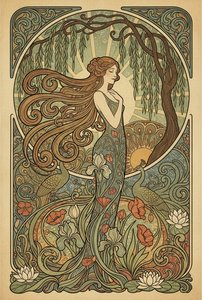
The Flowing Line & Flourishing Form: Exploring Art Nouveau's Aesthetic Legacy
Explore the captivating world of Art Nouveau! Discover its origins, key artists like Horta & Mucha, regional styles, innovative techniques, and lasting influence on architecture & design. A comprehensive guide for art enthusiasts.
Art Nouveau: 10 Remek Dela Koja Su Definisala Pokret - Elegancija Za Vaš Dom
Otkrijte 10 remek dela Art Nouveau pokreta! Uronite u svet Alfonsa Muche, Gustava Klimta i drugih genijalaca. Istorija umetnosti, inspiracija za dekoraciju doma i reprodukcije vrhunskog kvaliteta na ArtsDot.com. Istražite celu kolekciju online!
Alphonse Mucha: A Comprehensive Exploration of Art Nouveau's Master of Decorative Symbolism
Explore the life & art of Alphonse Mucha, master of Art Nouveau! Discover his iconic posters, stunning illustrations, and the monumental Slav Epic. A comprehensive guide for collectors & enthusiasts.
Jules Lefebvre: Master of Academic Realism & the Pursuit of Belle Âme
Explore the captivating figure paintings of Jules Lefebvre (1836-1911), a renowned French academic artist and educator. Discover his masterpieces, signature style, and lasting influence on art history. Shop high-quality reproductions at ArtsDot.
Raphael Kirchner: A Poetic Vision of Belle Époque Society Through Art Nouveau Lithography
Explore the captivating world of Raphael Kirchner, a master of Art Nouveau illustration during the Belle Époque. Discover his iconic 'Kirchner Girls,' pioneering pin-up art & lasting influence.

