

 Pregledaj u prostoru
 Pošalji
 Podeli
 Detalji o delu

 Преузми
 Slični predmeti
 Rendgenski snimak
 Slajdovi
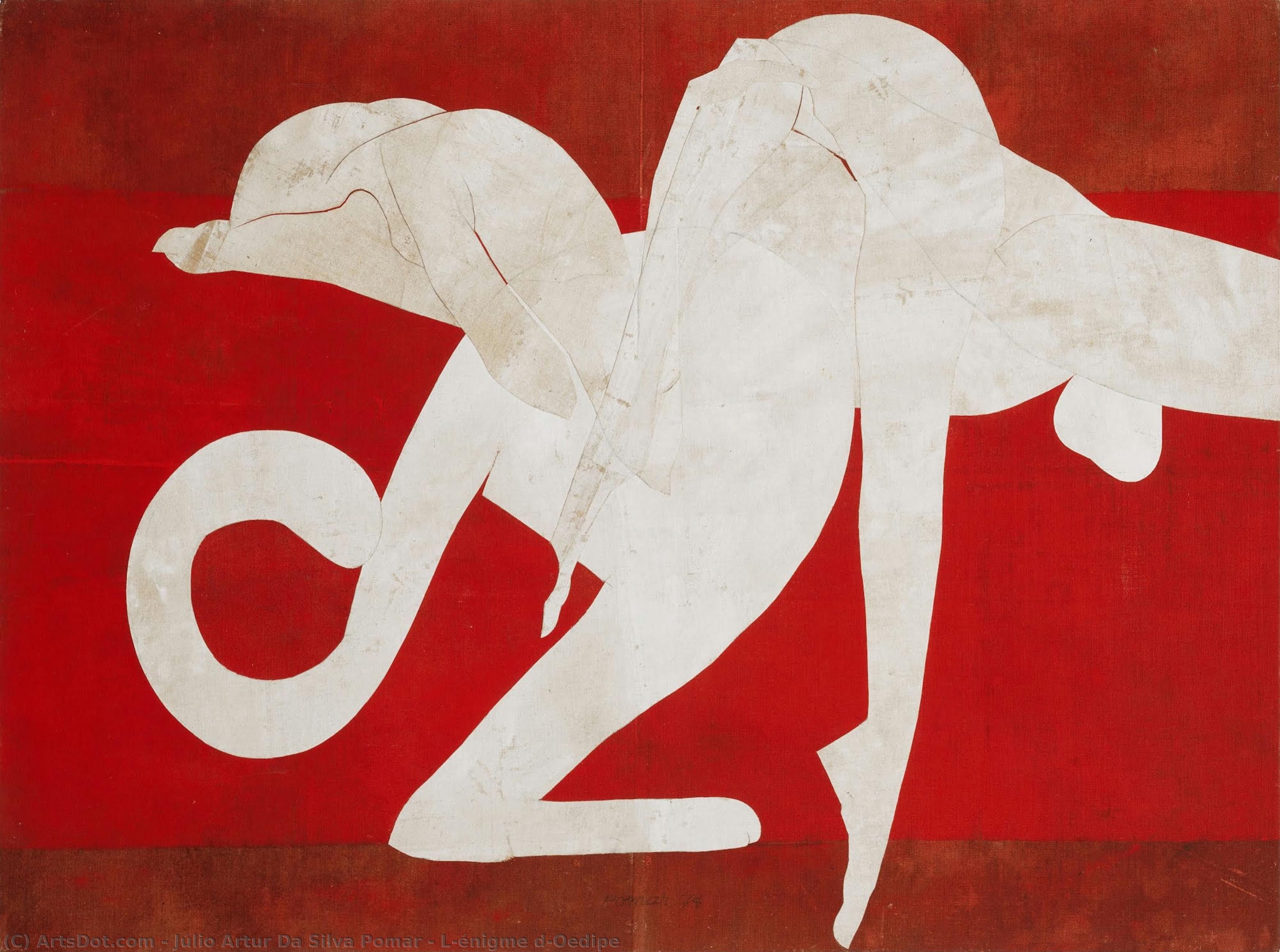
L’énigme d’Oedipe
 Acrylic On Canvas
- WallArt
- Contemporary Realism
 1978
1978- Modern
 97.0 x 130.0 cm
 Culturgest - Fundação Caixa Geral de Depósitos
 Pročitaj više
Giclee štampa / Umetnički otisak
Giclée štampa ili print na platnu muzejskog kvaliteta uz brzu proizvodnju i fleksibilne opcije završne obrade. ( Kupi ručno naslikanu sliku Kupi digitalnu sliku)




































Izaberite jednu od naših unapred definisanih veličina koje odgovaraju originalnim proporcijama umetničkog dela.

Možete uneti sopstvene dimenzije kako biste umetničko delo prilagodili specifičnom okviru ili prostoru. Ako odabrani format ne odgovara proporcijama originalne slike, mi ćemo ili iscrtati deo dela ili proširiti sliku pomoću ogledane ivice ili jednobojnog popunjavanja. Digitalni prikaz će vam biti poslat na odobrenje pre početka proizvodnje.
Imajte na umu da pregled na ekranu ne odražava stvarno iscrtavanje ili proširivanje. Samo će prikaz (mockup) precizno pokazati finalnu kompoziciju.
Iako su prilagođene dimenzije dostupne, preporučujemo da odaberete dimenziju sa unapred definisane liste kako biste očuvali originalne proporcije.
Dostava širom sveta () za 2 nedelje umesto uobičajenih 4/5 nedelja. (31 август)

Besplatna ekspresna dostava širom sveta

Visokokvalitetno laneno platno

Kompletno osiguranje transporta

Garancija povraćaja carine i uvoznih dažbina

Garancija vernosti boja

Politika povrata u roku od 60 dana (samo u slučaju nedostataka)

Garancija povrata novca od 100%

Popust pri grupnoj kupovini
 Opcija sa staklom dostupna je samo za dimenzije manje od 110 cm

L’énigme d’Oedipe
Giclee štampa / Umetnički otisak
Dimenzije reprodukcije
-


Konačna cena
$ 62
A Primal Encounter: The Power of L’énigme d’Oedipe
In the realm of 20th-century graphic abstraction, few works command the immediate attention quite like Júlio Pomar’s 1978 masterpiece, L’énigme d’Oedipe. At first glance, the viewer is met with a breathtaking visual confrontation: a stark, bone-white silhouette of a charging bull set against an unapologetically vibrant, blood-red backdrop. This is not merely a depiction of an animal; it is a visceral explosion of energy that captures the very essence of movement and raw force. The composition is dominated by the aggressive angle of the bull’s body and the sharp, prominent display of its horns, creating a sense of forward momentum that feels as though it might break through the boundaries of the canvas itself.
The technique employed in this work suggests a sophisticated mastery of layering and stenciling, resulting in a surface texture that is beautifully uneven and tactile. Rather than a flat, uniform application of color, the red background breathes with visible brushstrokes and subtle tonal variations, lending a profound depth to the negative space. This interplay between the sharp, geometric lines of the white silhouette and the organic, textured background creates a tension that is central to the piece's allure. The style leans toward a modern graphic abstraction, heavily influenced by Cubist elements where forms are simplified into powerful, essential shapes—circles, curves, and jagged edges—to communicate a sense of speed and primal urgency.
Symbolism and the Weight of History
To understand L’énigme d’Oedipe, one must look beyond its striking aesthetics to the profound symbolism embedded within its form. The bull has long served as a universal emblem of strength, virility, and untamed aggression. In this specific composition, the stark contrast between the white figure and the crimson field amplifies these qualities, evoking themes of life, struggle, and the inevitable collision of forces. The title itself, referencing the tragic Greek myth of Oedipus, invites the viewer to contemplate a riddle or an enigma—a puzzle of fate and identity that mirrors the complexity of the human condition.
The work also stands as a testament to the evolution of Júlio Pomar, one of Portugal’s most significant artistic figures. While his earlier career was marked by a profound commitment to Neo-Realism and the socio-political struggles of the working class, this later period demonstrates a transition into more experimental, abstract territories. Here, the political weight of his early years is transmuted into a purely formalist language of power. For the collector or art enthusiast, owning a piece from this era means possessing a fragment of art history that bridges the gap between social engagement and the pure, emotive potential of modern abstraction.
An Essential Addition to the Modern Interior
For interior designers and connoisseurs of fine art, L’énigme d’Oedipe offers an unparalleled opportunity to introduce a focal point of immense character into a curated space. Its bold color palette and high-contrast aesthetic make it an ideal centerpiece for contemporary, minimalist, or even industrial-style environments. The artwork does not merely decorate a wall; it transforms the atmosphere of a room, injecting a sense of drama, intensity, and intellectual depth.
Whether placed in a sophisticated gallery setting, a professional executive suite, or a modern residential lounge, this reproduction serves as a conversation starter that evokes feelings of power and vitality. It is a piece designed for those who appreciate art that is both visually arresting and emotionally resonant—a timeless tribute to the enduring strength of the creative spirit.
Srodna umetnička dela
Biografija umetnika
Early Life and Artistic Beginnings
- Born: January 10, 1926, Lisbon, Portugal
- Died: May 22, 2018, Lisbon, Portugal
- Júlio Pomar initially studied at the Escola Secundária Artística António Arroio in Lisbon. This early education laid a foundation for his artistic development.
- He entered the Superior School of Fine Arts of Lisbon in 1942, marking a formal beginning to his art training.
- An important early event was the sale of his painting "Saltimbancos" to Almada Negreiros, demonstrating early recognition of his talent.
Neo-Realist Phase and Political Engagement
- From 1945 to 1957, Pomar's work underwent a significant shift towards neo-realism. This period was characterized by strong political and ideological engagement.
- "O Almoço do Trolha" (The Lunch of the Trolley), created between 1946 and 1950, is considered a landmark piece of neo-realist painting. It depicted the lives of working-class individuals with raw materiality and anatomical emphasis on hands and feet.
- His art became a vehicle for social commentary, reflecting the realities of Portuguese society during this time.
- He was involved in the Communist Youth movement, which further fueled his politically charged artistic expression.
- The frescoes he painted for Cinema Batalha in Porto were destroyed by the political police in 1948, highlighting the risks associated with his outspoken views.
Artistic Development and Influences
- Pomar's style evolved over time, moving beyond neo-realism to incorporate elements of expressionism and abstraction.
- His move to Paris in 1963 provided a new environment for artistic exploration and growth. He received a scholarship from the Calouste Gulbenkian Foundation between 1964 and 1966, allowing him time to focus on his work.
- Influences included masters of past art such as Uccello, Ingres, Courbet, van Eyck, and Matisse.
- He demonstrated a versatility across various mediums including painting, drawing, engraving, sculpture, assemblage, illustration, ceramics, glass, tapestry, theater scenography, and tile work.
Major Works and Recognition
- "O Almoço do Trolha" (The Lunch of the Trolley): A defining piece of his neo-realist period.
- Ciclo do Arroz (Rice Cycle): A series of works from 1952-1955 exploring themes related to rice cultivation.
- Resistência (Resistance): A painting that faced political scrutiny and was temporarily apprehended by authorities.
- His work is featured in prominent museums and collections throughout Portugal, including the Museu Nacional de Arte Antiga in Lisbon.
- He received numerous awards and accolades for his contributions to Portuguese art.
Historical Significance
- Júlio Pomar is widely regarded as one of the greatest Portuguese painters of his generation.
- His neo-realist works provided a powerful visual record of social struggles and political realities in Portugal during the mid-20th century.
- He played a significant role in shaping modern Portuguese art, bridging various artistic movements and styles.
- The Atelier-Museu Júlio Pomar in Lisbon serves as a testament to his legacy, preserving and promoting his work for future generations.
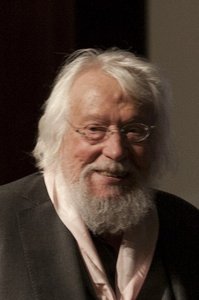
júlio artur da silva pomar
1926 - 2018 , Portugal
Osnovne informacije
- Artistic Movement Or Style: Neo-realism
- Artists Who Influenced This Artist:
- Almada Negreiros
- George Grosz
- Candido Portinari
- Date Of Birth: January 10, 1926
- Date Of Death: May 22, 2018
- Full Name: Júlio Artur da Silva Pomar
- Nationality: Portuguese
- Notable Artworks:
- O almoço do trolha
- Ciclo do arroz
- Resistência
- Gadanheiro
- Place Of Birth: Lisbon, Portugal
Povezani članci

Kandinsky's Masterpieces: 25 Paintings That Define Abstract Art | ArtsDot
Journey through Wassily Kandinsky's 25 most iconic abstract paintings. Explore his revolutionary use of color, form & spiritual expressionism. Find museum-quality Kandinsky reproductions and elevate your home decor with ArtsDot.com. Discover all masterpieces on ArtsDot.com!
Abstraktni Ekspresionizam: 10 Remek Dela Koja Su Definisala Pokret
Otkrijte 10 remek dela koja su definisala apstraktni ekspresionizam! Istražite dela Pola Krausa, Džejson Poloka i drugih. Saznajte priče iza umetnosti i inspirisanje za dekoraciju doma. Eksplorirajte kolekciju na ArtsDot.com!

Top 10 dela geometrijske apstrakcije koje morate videti | ArtsDot.com
Istražite 10 remek-dela geometrijske apstrakcije – Mondrian, Malevič i Kandinski. Otkrijte priče iza ovih ikoničnih slika i pronađite inspiraciju za dekoraciju enterijera sa ArtsDot.com! Reprodukcije vrhunskog kvaliteta.
Mark Rothko: 25 Remek-dela Apstraktne Ekspresije za Vaš Dom | ArtsDot
Istražite 25 remek-dela Marka Rothka – ikona apstraktne ekspresije. Otkrijte priče, tehnike i emocije iza ovih veličanstvenih slika. Reprodukcije vrhunskog kvaliteta za vaš dom na ArtsDot.com!

Crimson Threads of Narrative: Exploring Symbolism & Representation in Artworks Featuring the Red Dress
Explore the rich symbolism of the red dress in art history! From ancient power displays to iconic portraits like Cézanne’s 'Madame Cezanne', discover the cultural and artistic significance behind this captivating color. Expert analysis & insights.

