

 Pregledaj u prostoru
 Pošalji
 Podeli
 Detalji o delu

 Преузми
 Slični predmeti
 Rendgenski snimak
 Slajdovi
 Statistika
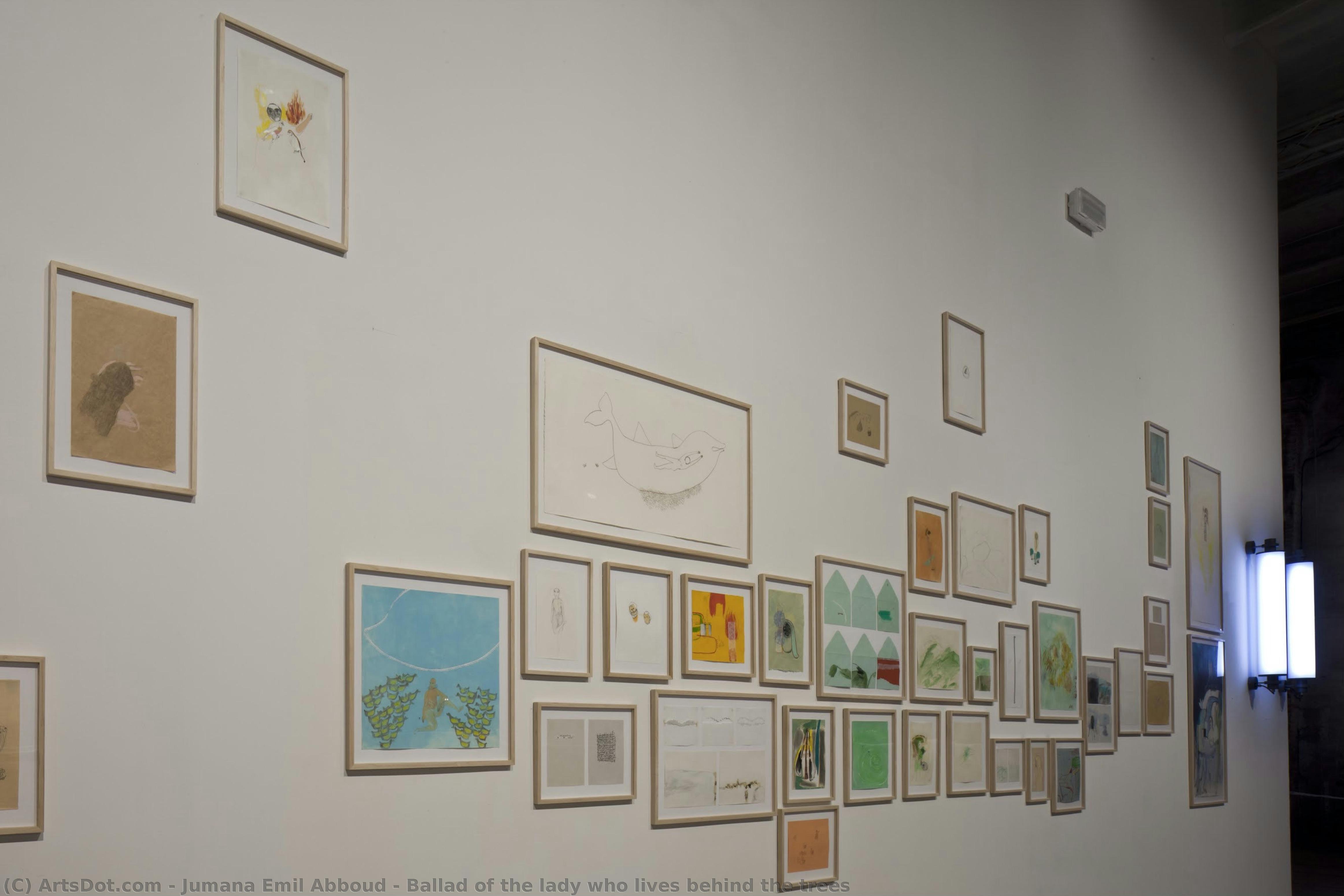
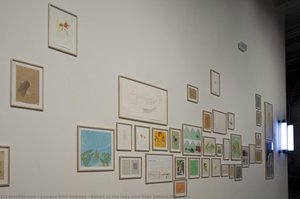
Ballad of the lady who lives behind the trees


 Pročitaj više
Giclee štampa / Umetnički otisak
Giclée štampa ili print na platnu muzejskog kvaliteta uz brzu proizvodnju i fleksibilne opcije završne obrade. ( Kupi ručno naslikanu sliku Pređi na digitalnu sliku)




































Izaberite jednu od naših unapred definisanih veličina koje odgovaraju originalnim proporcijama umetničkog dela.

Možete uneti sopstvene dimenzije kako biste umetničko delo prilagodili specifičnom okviru ili prostoru. Ako odabrani format ne odgovara proporcijama originalne slike, mi ćemo ili iscrtati deo dela ili proširiti sliku pomoću ogledane ivice ili jednobojnog popunjavanja. Digitalni prikaz će vam biti poslat na odobrenje pre početka proizvodnje.
Imajte na umu da pregled na ekranu ne odražava stvarno iscrtavanje ili proširivanje. Samo će prikaz (mockup) precizno pokazati finalnu kompoziciju.
Iako su prilagođene dimenzije dostupne, preporučujemo da odaberete dimenziju sa unapred definisane liste kako biste očuvali originalne proporcije.
Dostava širom sveta () za 2 nedelje umesto uobičajenih 4/5 nedelja. (8 септембар)

Besplatna ekspresna dostava širom sveta

Visokokvalitetno laneno platno

Kompletno osiguranje transporta

Garancija povraćaja carine i uvoznih dažbina

Garancija vernosti boja

Politika povraćaja u roku od 100 dana (isključivo u slučaju nedostataka)

Garancija povrata novca od 100%

Popust pri grupnoj kupovini
 Opcija sa staklom dostupna je samo za dimenzije manje od 110 cm

Ballad of the lady who lives behind the trees
Giclee štampa / Umetnički otisak
Dimenzije reprodukcije
-


Konačna cena
$ 62
Srodna umetnička dela



Biografija umetnika
The Cartography of Memory: The Art of Jumana Emil Abboud
Born in 1971 in Shefa-amer, Galilee, Jumana Emil Abboud carries within her a dual heritage that profoundly shapes her artistic consciousness. Raised in Canada before returning to her ancestral roots, her life has been a movement between landscapes, a journey that mirrors the very themes of displacement and belonging found in her work. This intersection of North American academic training and Middle Eastern lived experience creates a unique vantage point from which she observes the world. Her formative years in Jerusalem instilled in her an enduring fascination with geological abstraction, where the physical layers of the earth serve as metaphors for the stratified layers of human history and personal recollection.
Abboud’s artistic evolution is marked by a sophisticated blending of diverse media, ranging from drawing and watercolor to video installation, performance, and text. Her education, which included studies at the Ontario College of Art in Toronto and the Bezalel Academy of Art and Design in Jerusalem, provided her with a rigorous technical foundation. However, it is her conceptual depth that truly distinguishes her. She utilizes the language of geology—the textures of stone, the fissures of earth, and the flow of minerals—to translate complex geological formations into evocative visual narratives. In her hands, a landscape is never merely scenery; it is a silent witness to human stories, bearing the scars of trauma, migration, and resilience.
Symbolism and the Fluidity of Identity
At the heart of Abboud’s practice lies an exploration of how memory is read through the body, the home, and the homeland. She frequently employs icons, archetypes, and folklore to navigate the tension between the sacred and the chaotic. Her work often touches upon the concept of metamorphosis, reflecting a Palestinian cultural landscape where the struggle for continuity requires constant reinvention. This is poignantly captured in her video installation, The Pomegranate (2005), where the visceral act of trying to reconstruct a burst fruit serves as a haunting allegory for the impossibility of a perfect return to a lost past.
Her aesthetic often embraces the idea of fragmentation and hybridization. Through her use of layered paintings and intricate drawings, she conveys a sense of "bursting" or breaking apart, where innocence interacts with the harsh realities of political and social upheaval. The following elements are central to her symbolic vocabulary:
- Geological Abstraction: Using the earth's textures to represent historical trauma and the passage of time.
- The Body as Archive: Treating physical form as a vessel for cultural ritual, practice, and ancestral memory.
- Folklore and Storytelling: Integrating myths and legends to bridge the gap between the tangible present and the intangible past.
- Landscape as Protagonist: Elevating the natural world to a character that holds the secrets of hidden resources and invisible histories.
Global Recognition and Artistic Legacy
The significance of Jumana Emil Abboud’s work extends far beyond the borders of the Middle East, reaching a global stage through her participation in some of the world's most prestigious art forums. Her presence in the Venice Biennale, Sydney Biennial, Sharjah Biennial, and Istanbul Biennial has solidified her reputation as a vital voice in contemporary art. These international platforms have allowed her to present a nuanced perspective on Palestinian identity that transcends simple political rhetoric, offering instead a deeply humanistic exploration of existence.
Her accolades, including the prestigious AFAC Grant and the Pernod Ricard Fellowship, underscore the critical respect her work commands. By exhibiting in institutions such as the Arab World Institute in Paris and the Bahrain National Museum, Abboud continues to weave her personal and cultural narratives into the broader tapestry of global contemporary art. Her legacy remains one of profound connection—connecting the earth to the spirit, the past to the present, and the individual experience to the collective memory of a people.
Jumana Emil Abboud
1971 - , Israel
Osnovne informacije
- Artistic Movement Or Style: Layered Paintings
- Date Of Birth: Jerusalem, Israel (1971)
- Date Of Death: Living
- Full Name: Jumana Emil Abboud
- Nationality: Palestinian
- Notable Artworks: ['Ballad of the lady who lives behind the trees']
- Place Of Birth: Jerusalem