

 Pregledaj u prostoru
 Pošalji
 Podeli
 Detalji o delu

 Преузми
 Slični predmeti
 Rendgenski snimak
 Slajdovi
 Statistika
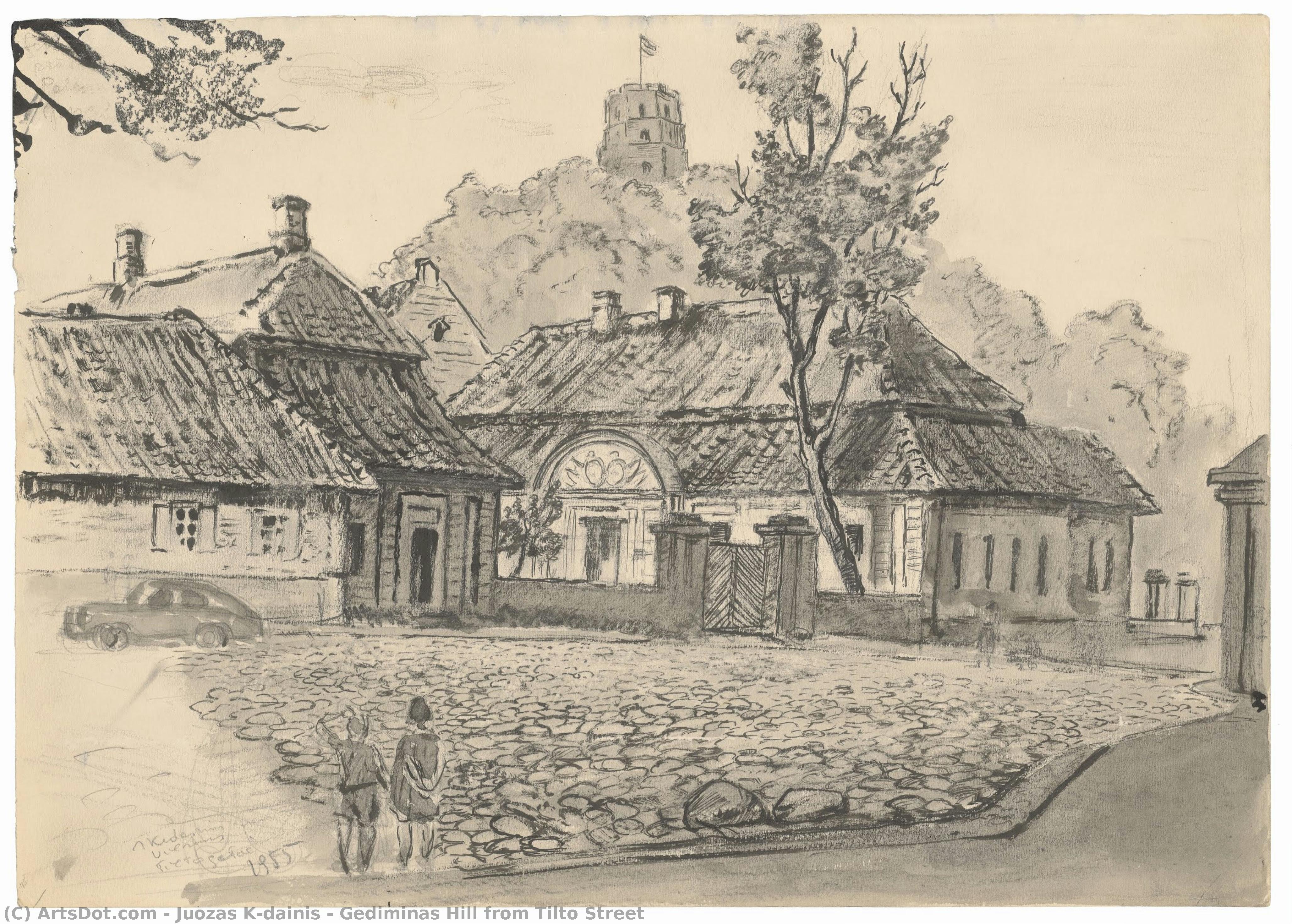
Gediminas Hill from Tilto Street


 Pročitaj više
Giclee štampa / Umetnički otisak
Giclée štampa ili print na platnu muzejskog kvaliteta uz brzu proizvodnju i fleksibilne opcije završne obrade. ( Kupi ručno naslikanu sliku Pređi na digitalnu sliku)




































Izaberite jednu od naših unapred definisanih veličina koje odgovaraju originalnim proporcijama umetničkog dela.

Možete uneti sopstvene dimenzije kako biste umetničko delo prilagodili specifičnom okviru ili prostoru. Ako odabrani format ne odgovara proporcijama originalne slike, mi ćemo ili iscrtati deo dela ili proširiti sliku pomoću ogledane ivice ili jednobojnog popunjavanja. Digitalni prikaz će vam biti poslat na odobrenje pre početka proizvodnje.
Imajte na umu da pregled na ekranu ne odražava stvarno iscrtavanje ili proširivanje. Samo će prikaz (mockup) precizno pokazati finalnu kompoziciju.
Iako su prilagođene dimenzije dostupne, preporučujemo da odaberete dimenziju sa unapred definisane liste kako biste očuvali originalne proporcije.
Dostava širom sveta () za 2 nedelje umesto uobičajenih 4/5 nedelja. (8 септембар)

Besplatna ekspresna dostava širom sveta

Visokokvalitetno laneno platno

Kompletno osiguranje transporta

Garancija povraćaja carine i uvoznih dažbina

Garancija vernosti boja

Politika povraćaja u roku od 100 dana (isključivo u slučaju nedostataka)

Garancija povrata novca od 100%

Popust pri grupnoj kupovini
 Opcija sa staklom dostupna je samo za dimenzije manje od 110 cm

Gediminas Hill from Tilto Street
Giclee štampa / Umetnički otisak
Dimenzije reprodukcije
-


Konačna cena
$ 62
Srodna umetnička dela









Biografija umetnika
A Life Sculpted in Stone: The World of Juozas Kėdainis
Juozas Kėdainis, born on December 31st, 1915, in the small Lithuanian village of Karaliūniškis, emerged as a defining voice in post-war Lithuanian sculpture. His life story is one interwoven with the tumultuous currents of the 20th century, reflecting both the hardships and the enduring spirit of his nation. Kėdainis wasn’t merely an artist; he was a chronicler of everyday existence, a translator of human experience into tangible form. He passed away on November 12th, 1998, in Kaunas, leaving behind a legacy that continues to resonate within the Lithuanian art landscape and beyond. His early education at Kupiškio Gymnasium laid a foundation for his artistic pursuits, but it was his formal training at the Kauno Art School from 1933 to 1939 that truly ignited his passion for sculpture. This period proved pivotal, shaping his initial aesthetic sensibilities and providing him with the technical skills he would later refine throughout his career.From Educator to Master: Shaping a Generation
Kėdainis’s dedication extended beyond his own artistic practice; he was deeply committed to nurturing the next generation of sculptors. He began teaching at the Kauno Art School in 1945, and subsequently held positions at the Kauno Academy of Arts until 1951. This commitment culminated in his appointment as a professor at the Vilnius Academy of Fine Arts in 1970, a role he maintained with unwavering dedication until his death. His influence on Lithuanian sculpture is immeasurable, having guided countless students and fostered a vibrant artistic community. He wasn’t simply imparting technical skills; he was instilling a philosophy—a belief in the power of art to reflect life, to capture emotion, and to serve as a testament to the human condition.Themes of Daily Life: A Sculptural Narrative
Kėdainis's work is characterized by its profound connection to everyday life. He eschewed grand historical narratives or abstract explorations, instead focusing on the beauty and dignity found in ordinary moments and common people. His sculptures often depict scenes of rural existence – farmers at work, families sharing quiet intimacy, individuals engaged in simple tasks. Kolūkio arklininkas (*The Collective Farm Horseman*, 1957) and Arkliaganis (*Horse Herder*, 1957) are prime examples of this focus, celebrating the labor and resilience of Lithuanian agricultural workers. These weren’t idealized representations; they were honest portrayals of a life deeply rooted in the land. He also explored decorative themes, as seen in Poilsis (*Rest*, 1959) in Druskininku, creating harmonious forms that blended seamlessly with their surroundings.Materials and Technique: A Versatile Approach
Kėdainis demonstrated remarkable versatility in his choice of materials, working extensively with wood, granite, marble, aluminum, iron, copper, and terracotta. This willingness to experiment allowed him to fully express the nuances of each subject matter. He was particularly adept at capturing texture and form, imbuing his sculptures with a sense of warmth and vitality. His mastery extended beyond carving and modeling; he played a significant role in reviving the art of copper working in Lithuania, pushing the boundaries of traditional techniques and exploring new possibilities within the medium. The reljefs for Panevėžio dramos teatrui (*Panevėžys Drama Theatre*, 1968) showcase his skill in creating intricate details and dynamic compositions, further solidifying his reputation as a technically accomplished artist.Historical Significance: A Reflection of Post-War Lithuania
Juozas Kėdainis’s work stands as a poignant reflection of post-war Lithuania—a nation rebuilding itself after immense hardship. His sculptures weren't overtly political statements; rather, they were subtle yet powerful affirmations of human resilience and the enduring spirit of community. He captured the essence of a society striving to regain its identity and rebuild its cultural heritage. Awarded the LSSR State Prize in 1958, Kėdainis received recognition for his contributions to Lithuanian art. His sculptures continue to be held in prestigious collections, including the Lithuanian National Art Museum, ensuring that his legacy will endure for generations to come. He left behind a body of work that is not only aesthetically compelling but also deeply meaningful—a testament to the power of art to capture the human spirit and preserve the memory of a nation.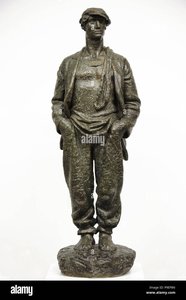
juozas kėdainis
1915 - 1998 , Lithuania
Osnovne informacije
- Artistic Movement Or Style: Figurative sculpture
- Date Of Birth: December 31, 1915
- Date Of Death: November 12, 1998
- Full Name: Juozas Kėdainis
- Nationality: Lithuanian
- Notable Artworks:
- Gediminas Hill from Tilto Street
- Kolūkio arklininkas
- Arkliaganis
- Poilsis
- Place Of Birth: Karaliuiskis, Lithuania