

 Pregledaj u prostoru
 Pošalji
 Podeli
 Detalji o delu

 Преузми
 Slični predmeti
 Rendgenski snimak
 Slajdovi
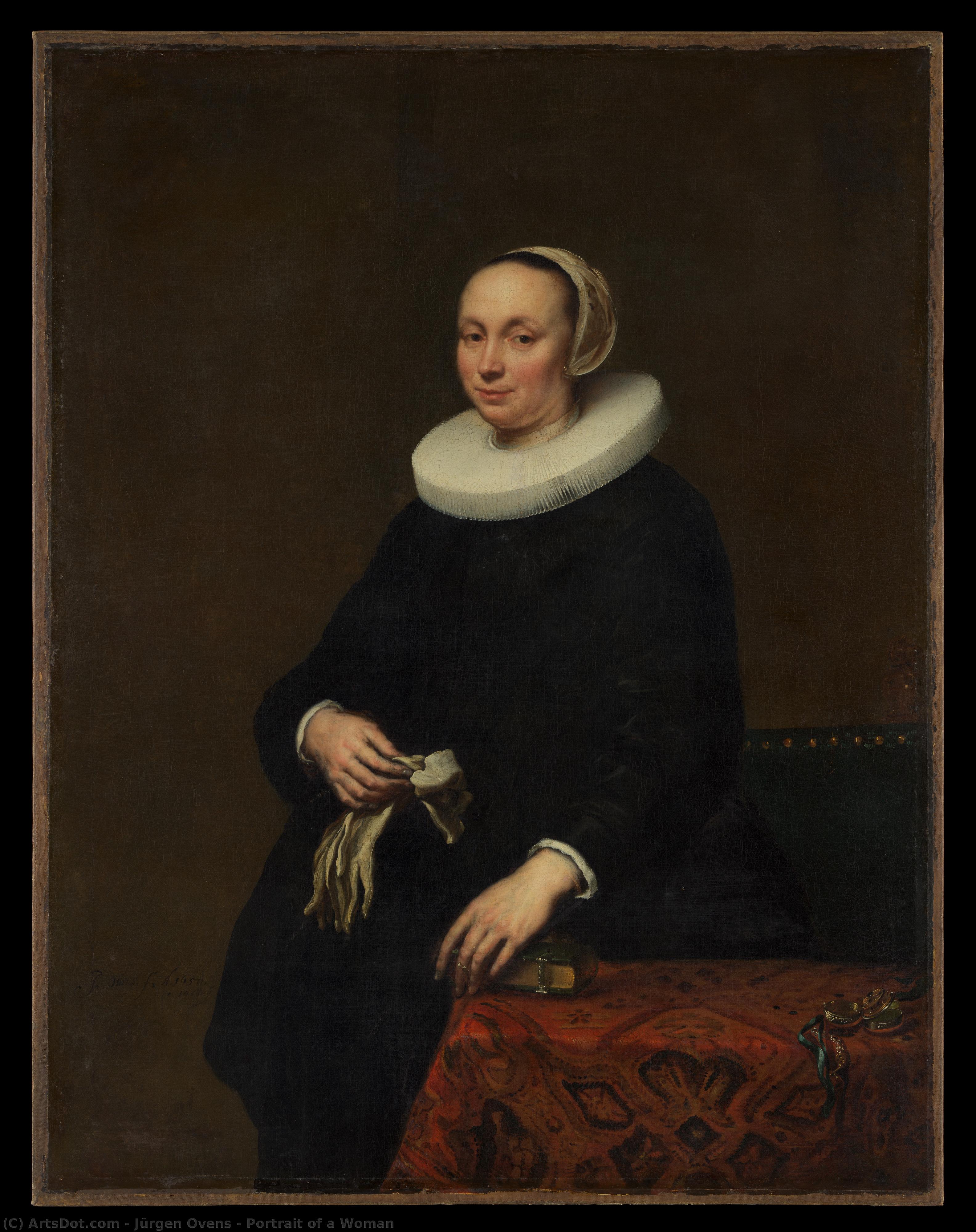
Portrait of a Woman
 Dutch Golden Age
 1650
1650 125.0 x 96.0 cm
 Pročitaj više
Kupite digitalnu sliku visoke rezolucije i poboljšanog kvaliteta, koja je znatno superiornija od onoga što vidite u online prikazu.
Svaka datoteka je pedantno pripremljena od strane naših stručnjaka koristeći napredne alate i profesionalnu ručnu retušu. Osiguravamo da svaka slika ima izuzetnu oštrinu, preciznu reprodukciju boja i fine detalje.
Konačna datoteka se dostavlja putem e-pošte u roku od 72 sata, optimizovana za neposrednu upotrebu u profesionalnim, izdavačkim i štamparskim okruženjima. To je isti kvalitet kojem veruju vrhunski studiji dizajna, izdavači i galerije.
Digitalna slika
Preuzmite datoteku visoke rezolucije za ličnu upotrebu, štampanje i kreativne projekte. ( Kupi print Kupi ručno naslikanu sliku)
Uključeno uz svaku porudžbinu digitalne slike
Profesionalna digitalna isporuka, zagarantovana
Kada odaberete ArtsDot.com, ne dobijate samo sliku – vi primate profesionalno unapređeno digitalno umetničko delo, izrađeno sa najvećom preciznošću i uz garanciju zadovoljstva. Evo svega što automatski dolazi uz vašu porudžbinu:

Brza dostava putem e-pošte
Vaša digitalna slika visoke rezolucije biće vam poslata putem e-pošte u roku od 72 sata od poručivanja – spremna za trenutnu upotrebu.

Digitalna datoteka unapređena veštačkom inteligencijom
Vaše umetničko delo je profesionalno optimizovano korišćenjem naprednih AI alata i ručne obrade, čime se osiguravaju maksimalni detalji, oštrina i preciznost boja.

Besplatna ponovna isporuka doživotno
Slučajno ste obrisali ili izgubili svoju datoteku? Ne brinite – poslaćemo vam je ponovo u bilo kom trenutku, potpuno besplatno.

Bez troškova uvoza – zauvek
Uživajte u svojim umetničkim delima trenutno, bez carine, dažbina ili troškova dostave – digitalni download je uvek bez poreza.

Garancija vernosti boja
Uz pomoć profesionalnih alata i upravljanja bojama, osiguravamo da vaša digitalna slika što vernije odražava originalne boje.

Garancija zadovoljstva u roku od 60 dana
Ako niste zadovoljni svojom digitalnom slikom, revidirat ćemo je ili vratiti 100% novca u roku od 60 dana – bez ikakvih pitanja.

100% garancija povrata novca
Niste zadovoljni? Obezbedite pun povrat novca u roku od 60 dana od trenutka kada ste primili svoju digitalnu datoteku – bez suvišnih pitanja.

Popusti na velike porudžbine
Kupite 3 slike, uštedite 10% - Kupite 5 slika, uštedite 15% - Kupite 10+ slika, uštedite 20%. Odlično za kreativne projekte, galerije i agencije.
Srodna umetnička dela

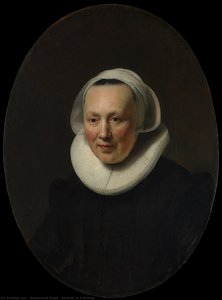
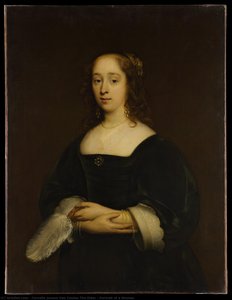
Biografija umetnika
A Master of Light and Lineage: The Life of Jürgen Ovens
In the golden twilight of the seventeenth century, a period defined by unparalleled artistic flourishing and mercantile expansion, the name Jürgen Ovens emerged as a beacon of the Dutch Baroque. Born in 1623 in the quiet town of Tönning, within the Duchy of Schleswig, Ovens carried with him the industrious spirit of North Frisia. His early life was shaped by a unique intersection of familial fortune and artistic destiny; through his marriage, he became linked to a wealthy merchant whose substantial inheritance provided the stability necessary for Ovens to establish himself within the prestigious artistic circles of Northern Europe. This foundation allowed him to navigate the complex social landscapes of both Germany and the Netherlands, moving with ease between the courtly demands of nobility and the bustling commerce of Amsterdam.
Ovens’ journey was never a solitary one, but rather a tapestry woven from the threads of great influences. While historical accounts occasionally debate his formal training, many scholars point to the profound influence of Rembrandt, suggesting that Ovens may have been a pupil of the master himself. This connection is palpable in the way he approached the human form—not merely as a subject for documentation, but as a vessel for psychological depth. His ability to capture the subtle nuances of character, a hallmark of the Rembrandt school, allowed him to transcend simple likeness, imbuing his subjects with a sense of introspection and quiet contemplation that remains captivating centuries later.
The Grandeur of Patronage and the Amsterdam Years
As Ovens’ reputation grew, so did the scale of his ambitions. His career was marked by significant milestones that took him far beyond the borders of his homeland. In 1654, he found himself in Stockholm, tasked with the monumental commission to depict the marriage ceremony between Charles X Gustav and Hed_wig Eleonora of Holstein-Gottorp. This period of his life showcased his remarkable ability to handle large-scale historical narratives, blending meticulous detail with the dramatic flair characteristic of the Baroque era. Such high-profile work solidified his status as a painter capable of serving the highest echelons of European royalty.
The year 1657 marked a pivotal transition as Ovens relocated to Amsterdam, the beating heart of the Dutch Golden Age. Adhering to the strict regulations of the local guilds, he integrated himself into the city's vibrant economic and cultural fabric. In Amsterdam, Ovens was more than just a painter; he was an art dealer and a sophisticated participant in the global art market. His studio, a canalhouse located near that of his contemporary Govert Flink, became a hub of creative exchange. During this era, his work reflected the broader stylistic trends of the time, occasionally echoing the elegance of Anton van Dyck and the robust energy of Jacob Jordaens.
A Legacy Captured in Portraiture
The true enduring legacy of Jürgen Ovens lies in his mastery of the portrait, a genre through which he explored the social hierarchies and personal identities of his age. His oeuvre is a profound window into the seventeenth century, capturing the dignity of the merchant class and the regal poise of the aristocracy alike. Some of his most celebrated works include:
- The Portraits of Nicolaes Tulp: A remarkable feat where Ovens captured the likeness of the famed physician twice, demonstrating his ability to evolve with his subjects.
- Family Chronicles: His tender depictions of the Tulp family, including Margaretha and Dirk Tulp, which showcase a more intimate, domestic side of Baroque portraiture.
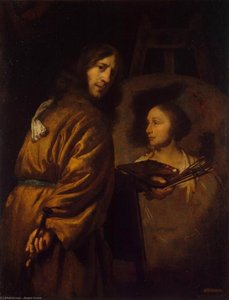
- Self-Portrait (1670): A deeply personal work that serves as an invitation into his own psyche, utilizing a rich palette of deep browns and ochres to convey a sense of profound introspection.
- Historical and Noble Commissions: His long-standing service to the Dukes of Holstein-Gottorp, for whom he worked for over three decades, bridging the gap between German nobility and Dutch artistry.
When Ovens passed away in 1678, he left behind a body of work that serves as a vital link between the Northern European traditions and the Dutch Golden Age. His ability to navigate the complexities of patronage, his skill in capturing the human soul through light and shadow, and his role as both an artist and a dealer ensure that his contribution to the history of art remains indelible. Through his brush, the faces of the past continue to gaze upon us with an unwavering intensity, bridging the centuries with every stroke.
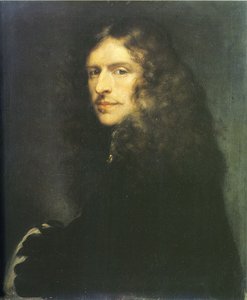
jürgen ovens
1623 - 1678 , Germany
Kratke činjenice
- Artistic Movement Or Style: Dutch Baroque
- Artists Or Movements Influenced By This Artist: ['Dutch Golden Age']
- Artists Who Influenced This Artist: ['Rembrandt']
- Date Of Birth: 1623
- Date Of Death: 1678
- Full Name: jürgen ovens
- Nationality: German
- Notable Artworks:
- A couple with six children
- Self-portrait
- Place Of Birth: Tönning, Germany

