

 Pregledaj u prostoru
 Pošalji
 Podeli
 Detalji o delu

 Преузми
 Slični predmeti
 Rendgenski snimak
 Slajdovi
 Statistika
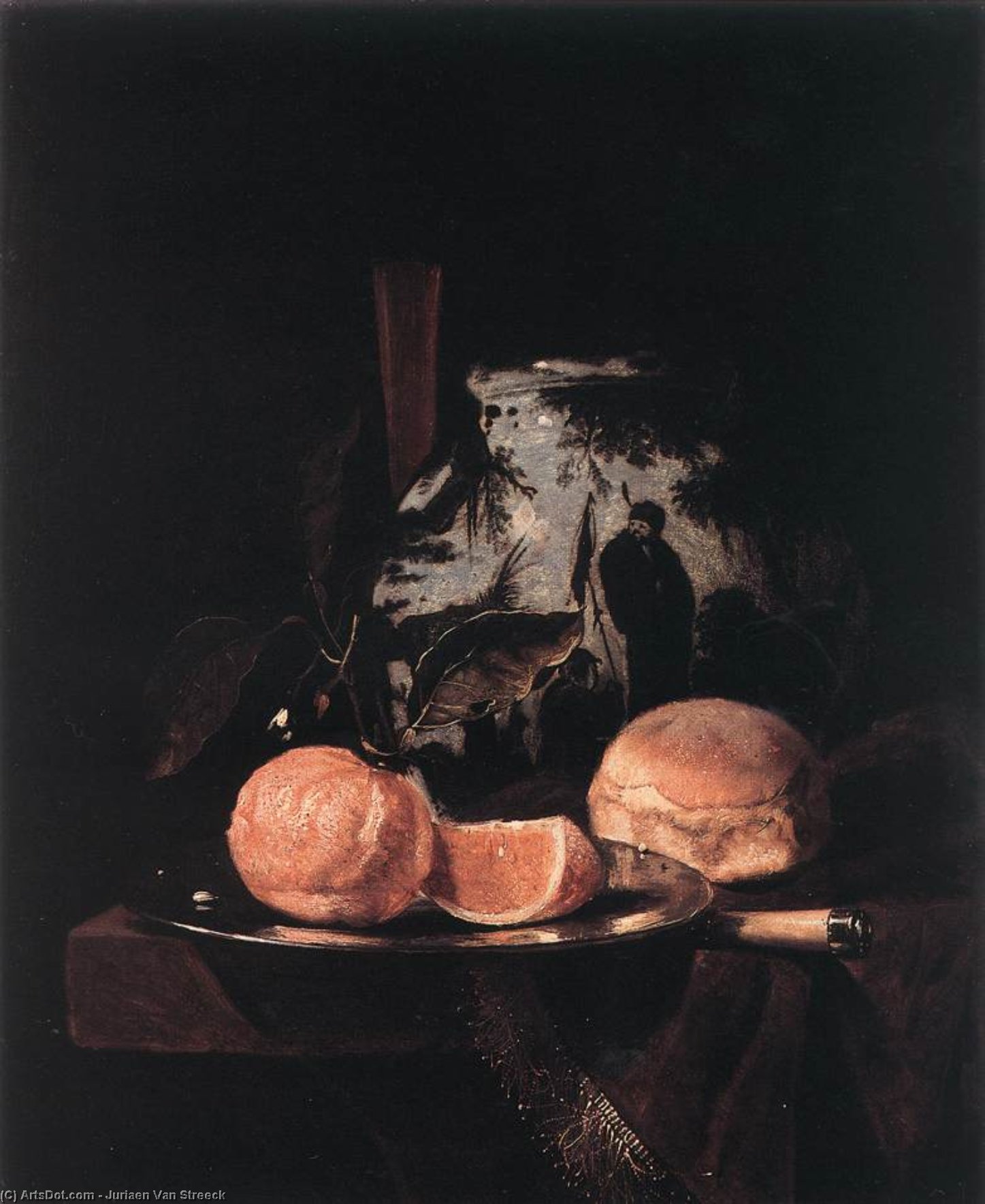
Still-Life
 Acrylic On Canvas
- WallArt
- Dutch Golden Age
 54.0 x 44.0 cm
 Валраф-Рихарц Музеј
 Pročitaj više
Kupite digitalnu sliku visoke rezolucije i poboljšanog kvaliteta, koja je znatno superiornija od onoga što vidite u online prikazu.
Svaka datoteka je pedantno pripremljena od strane naših stručnjaka koristeći napredne alate i profesionalnu ručnu retušu. Osiguravamo da svaka slika ima izuzetnu oštrinu, preciznu reprodukciju boja i fine detalje.
Konačna datoteka se dostavlja putem e-pošte u roku od 72 sata, optimizovana za neposrednu upotrebu u profesionalnim, izdavačkim i štamparskim okruženjima. To je isti kvalitet kojem veruju vrhunski studiji dizajna, izdavači i galerije.
Digitalna slika
Preuzmite datoteku visoke rezolucije za ličnu upotrebu, štampanje i kreativne projekte. ( Pređi na štampu Kupi ručno naslikanu sliku)
Uključeno uz svaku porudžbinu digitalne slike
Profesionalna digitalna isporuka, zagarantovana
Kada odaberete ArtsDot.com, ne dobijate samo sliku – vi primate profesionalno unapređeno digitalno umetničko delo, izrađeno sa najvećom preciznošću i uz garanciju zadovoljstva. Evo svega što automatski dolazi uz vašu porudžbinu:

Brza dostava putem e-pošte
Vaša digitalna slika visoke rezolucije biće vam poslata putem e-pošte u roku od 72 sata od poručivanja – spremna za trenutnu upotrebu.

Digitalna datoteka unapređena veštačkom inteligencijom
Vaše umetničko delo je profesionalno optimizovano korišćenjem naprednih AI alata i ručne obrade, čime se osiguravaju maksimalni detalji, oštrina i preciznost boja.

Besplatna ponovna isporuka doživotno
Slučajno ste obrisali ili izgubili svoju datoteku? Ne brinite – poslaćemo vam je ponovo u bilo kom trenutku, potpuno besplatno.

Bez troškova uvoza – zauvek
Uživajte u svojim umetničkim delima trenutno, bez carine, dažbina ili troškova dostave – digitalni download je uvek bez poreza.

Garancija vernosti boja
Uz pomoć profesionalnih alata i upravljanja bojama, osiguravamo da vaša digitalna slika što vernije odražava originalne boje.

Garancija zadovoljstva od 100 dana
Ako niste zadovoljni svojom digitalnom slikom, izvršićemo reviziju ili ćemo vam vratiti 100% novca u roku od 100 dana – bez ikakvih pitanja.

100% garancija povrata novca
Niste zadovoljni? Dobijte puni povraćaj novca u roku od 100 dana od prijema digitalne datoteke – bez suvišnih pitanja.

Popusti na velike porudžbine
Kupite 3 slike, uštedite 10% - Kupite 5 slika, uštedite 15% - Kupite 10+ slika, uštedite 20%. Odlično za kreativne projekte, galerije i agencije.
The Enigmatic Still Life of Juriaen van Streeck
Juriaen van Streeck’s “Still-Life,” a remarkably preserved panel dating from the mid-17th century, offers a captivating glimpse into the world of Dutch Golden Age painting. More than simply a depiction of objects—a bowl of fruit, a porcelain ewer, and a scattering of silverware—it's an intricate meditation on light, texture, and the fleeting nature of beauty itself. The painting resides within the Bavarian State Painting Collections, a testament to its enduring quality and artistic merit.
Van Streeck’s style is deeply rooted in the traditions established by Willem Kalf, yet possesses a subtle individuality. He masterfully employs chiaroscuro—the dramatic contrast between light and shadow—to imbue each object with a palpable sense of volume and realism. The artist doesn't merely represent; he sculpts with light, creating an illusion of depth that draws the viewer into the scene. Notice how the folds of the velvet cloth seem to ripple in the reflected light, or how the sheen on the porcelain gleams with an almost ethereal quality.
A Symphony of Objects and Symbolism
The composition itself is a carefully orchestrated arrangement of seemingly disparate elements. The central focus rests upon a rich still life featuring a blue and white Wan-li bowl, overflowing with luscious peaches, a vibrant lemon, and an orange – each rendered with meticulous detail. A porcelain ewer and vase, alongside a gleaming silver knife, complete the tableau. But these are not merely decorative objects; they carry layers of symbolic meaning deeply embedded within the context of 17th-century Dutch society.
The inclusion of fruit, particularly peaches and oranges, was a deliberate reference to prosperity and abundance – hallmarks of the burgeoning merchant class that dominated the Netherlands at the time. The porcelain ewer, with its intricate floral patterns, speaks to the appreciation for luxury goods imported from the East. Even the loaf of bread, partially consumed, subtly alludes to the transient nature of earthly pleasures, a common theme in Dutch Golden Age art reflecting on mortality and the vanity of worldly possessions. The two butterflies fluttering amongst the objects further enhance this sense of ephemeral beauty.
The Painter’s Technique and Historical Context
Van Streeck's skill lies not just in his ability to render objects with photographic accuracy, but also in his understanding of how light interacts with different surfaces. He demonstrates a remarkable control over brushwork, creating subtle gradations of tone that mimic the way light would fall upon these materials. The painting’s palette is restrained yet sophisticated, dominated by rich browns, golds, and deep reds – colors that evoke the opulence of the Dutch merchant elite.
Created during a period of immense artistic innovation, “Still-Life” reflects the broader cultural trends of the time. The rise of the middle class fueled a demand for art depicting domestic life and luxurious objects, while artists like Van Streeck continued to explore themes of beauty, mortality, and the complexities of human experience. The painting’s provenance – its acquisition by the Princeton University Art Museum in 1954 – underscores its historical significance and enduring appeal.
A Timeless Appeal: Reproduction and Beyond
Reproductions of “Still-Life” offer a remarkable opportunity to bring this exquisite work into your home or office. The meticulous detail, the masterful use of light, and the profound symbolism combine to create a piece that is both visually stunning and intellectually stimulating. Consider pairing it with pieces that evoke similar themes – perhaps a richly textured rug, a vintage silver tray, or a collection of antique ceramics – to create an interior space that reflects your appreciation for beauty, history, and the enduring power of art.
Srodna umetnička dela
Biografija umetnika
A Life in Stillness: Unveiling the World of Juriaen van Streeck
Juriaen van Streeck, a name resonating softly within the annals of Dutch Golden Age painting, invites us into a world meticulously rendered and steeped in symbolic contemplation. Born in Amsterdam in 1632, during a period of unprecedented artistic flourishing, Van Streeck dedicated his life to the art of still life—a genre that, in the hands of a master like himself, transcended mere representation to become a profound meditation on existence. While details of his early years remain elusive, we know he emerged into a society captivated by wealth, trade, and an underlying awareness of mortality, themes that would come to define his artistic vision. He married Grietje Claes in 1653, establishing a family life within the bustling Jordaan district before relocating to Prinsengracht; their household eventually grew to include nine children, though sadly three did not survive infancy. Later in life, Van Streeck supplemented his income by working as an innkeeper on Kerkstraat, suggesting a pragmatic shift alongside his artistic pursuits—a testament to the realities of 17th-century life.The Language of Objects: Style and Influences
Van Streeck’s artistry blossomed within the rich tradition of Dutch still life painting, a genre characterized by its exquisite detail and symbolic depth. He excelled at composing scenes featuring an array of objects—gleaming helmets, leather-bound books, delicate letters, resonant musical instruments, luscious fruits, and, crucially, *memento mori* such as skulls or decaying game. These latter elements were integral to the Vanitas tradition, a powerful artistic current that served as a poignant reminder of life’s fleeting nature and the ultimate futility of worldly possessions. His style reveals a clear debt to Willem Kalf, another celebrated master of Dutch still life, particularly in his masterful use of rich color palettes and dramatic compositions. However, Van Streeck wasn't merely an imitator; he developed his own distinctive approach, imbuing his works with a unique sensibility that set him apart. He possessed an exceptional ability to capture the textures of various materials—the cool sheen of metal, the velvety softness of fruit, the fragile transparency of glass—creating visual feasts for the eye while simultaneously prompting deeper philosophical reflection.Vanitas and Beyond: Themes in Van Streeck’s Work
At the heart of Van Streeck's oeuvre lies a profound contemplation of mortality and the ephemeral quality of existence. The inclusion of Vanitas symbols wasn’t simply decorative; it was a deliberate attempt to engage viewers in a dialogue about life, death, and the pursuit of meaning. A skull resting amongst opulent objects served as a stark reminder that all earthly possessions are transient, while decaying fruit symbolized the inevitable decline of beauty and vitality. Beyond this overarching theme, his paintings also showcase an extraordinary attention to detail and realism—a hallmark of Dutch artistry. He wasn’t merely interested in depicting objects; he sought to capture their essence, their weight, their texture, and their symbolic resonance. This meticulous approach reflects a broader cultural fascination with observation and scientific inquiry that characterized the Golden Age. His compositions often possess a luxurious quality, reminiscent of Kalf's work, but Van Streeck infused them with his own unique sensibility, creating arrangements that are both visually compelling and intellectually stimulating. Notable works like “Snack”, “Still-Life With Peaches And A Lemon” and "A Still Life With Oysters, Peoches And Lemon On A Marble Table With A Fringed Carpet And Glasses" exemplify this delicate balance between aesthetic beauty and symbolic weight.Legacy and Historical Significance
Juriaen van Streeck occupies a significant, though perhaps understated, position within the Dutch Golden Age painting tradition. While not as universally celebrated as some of his contemporaries—Kalf or Vermeer, for example—he was recognized during his lifetime by art historian Arnold Houbraken, who praised his versatility in still life subjects. Van Streeck’s influence can be discerned in the work of artists such as Barend van der Meer, demonstrating a ripple effect of artistic inspiration. His paintings offer invaluable insights into the cultural and philosophical concerns of 17th-century Dutch society—its preoccupation with wealth, its awareness of mortality, and its search for meaning in a rapidly changing world. He contributed to the evolution of still life painting as a genre capable of conveying both aesthetic pleasure and profound intellectual depth. Furthermore, his family continued the artistic tradition; his son, Hendrick van Streeck, also became a painter, specializing in church interiors—a testament to the enduring power of artistic talent within the Van Streeck lineage. Today, works like “Schouburg Plate K” continue to captivate viewers with their intricate detail and symbolic richness, ensuring that Juriaen van Streeck’s legacy endures as a poignant reminder of life's beauty and fragility.Exploring Van Streeck’s World Today
- Museums: While not extensively represented in major museum collections, examples of Van Streeck’s work can be found in institutions like the Museum Smidt van Gelder and the Museum Mayer van den Bergh.
- Online Resources: Websites such as the Web Gallery of Art (WGA) and Wikipedia offer biographical information and images of his paintings. Princeton University Art Museum also provides detailed analysis of a still life formerly attributed to him, highlighting ongoing scholarly debate surrounding his work.
- Reproductions: Platforms like ArtsDot.com provide high-quality, hand-painted reproductions of Van Streeck’s masterpieces, allowing art enthusiasts to bring the beauty and symbolism of his paintings into their own homes.
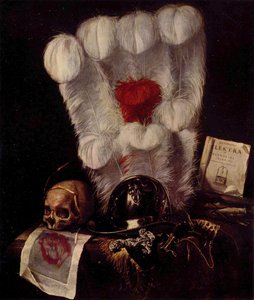
Juriaen van Streeck
1632 - 1687