

![Avalokitesvara/draft Sketch\n\navalokitesvara/draft Sketch [1/8] — Kanō Enshin](/media/artworks/images-full/a5/9c/a59c07a359920d67cad797459755ebdb.jpg)
 Pregledaj u prostoru
 Pošalji
 Podeli
 Detalji o delu

 Преузми
 Slični predmeti
 Rendgenski snimak
 Slajdovi
Avalokitesvara/Draft Sketch\n\nAvalokitesvara/Draft Sketch [1/8]
 Japanese Modernism
 46.0 x 800.0 cm
 Pročitaj više
Giclee štampa / Umetnički otisak
Giclée štampa ili print na platnu muzejskog kvaliteta uz brzu proizvodnju i fleksibilne opcije završne obrade. ( Kupi ručno naslikanu sliku Kupi digitalnu sliku)




































Izaberite jednu od naših unapred definisanih veličina koje odgovaraju originalnim proporcijama umetničkog dela.

Možete uneti sopstvene dimenzije kako biste umetničko delo prilagodili specifičnom okviru ili prostoru. Ako odabrani format ne odgovara proporcijama originalne slike, mi ćemo ili iscrtati deo dela ili proširiti sliku pomoću ogledane ivice ili jednobojnog popunjavanja. Digitalni prikaz će vam biti poslat na odobrenje pre početka proizvodnje.
Imajte na umu da pregled na ekranu ne odražava stvarno iscrtavanje ili proširivanje. Samo će prikaz (mockup) precizno pokazati finalnu kompoziciju.
Iako su prilagođene dimenzije dostupne, preporučujemo da odaberete dimenziju sa unapred definisane liste kako biste očuvali originalne proporcije.
Dostava širom sveta () za 2 nedelje umesto uobičajenih 4/5 nedelja. (23 август)

Besplatna ekspresna dostava širom sveta

Visokokvalitetno laneno platno

Kompletno osiguranje transporta

Garancija povraćaja carine i uvoznih dažbina

Garancija vernosti boja

Politika povrata u roku od 60 dana (samo u slučaju nedostataka)

Garancija povrata novca od 100%

Popust pri grupnoj kupovini
 Opcija sa staklom dostupna je samo za dimenzije manje od 110 cm

Avalokitesvara/Draft Sketch\n\nAvalokitesvara/Draft Sketch [1/8]
Giclee štampa / Umetnički otisak
Dimenzije reprodukcije
-


Konačna cena
$ 62
Srodna umetnička dela
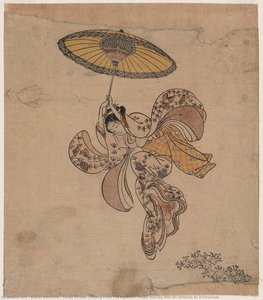

Biografija umetnika
Kanō Enshin (狩野芳崖) – A Legacy of Serenity and Tradition
Kanō Hōgai (狩野芳崖, February 27, 1828 – October 5, 1888) stands as one of the final luminaries of the Kanō school, a movement that profoundly shaped Japanese art history. Born in Shimonoseki, Japan, he descended from a lineage steeped in artistic excellence—his father served as chief painter to the daimyo, granting him early exposure to the highest echelon of artistic patronage and training. Recognizing his innate talent, he was dispatched to Edo (now Tokyo) at eighteen to pursue formal studies under Kanō Shōsen’in and other masters of the era, immersing himself in the techniques and philosophies that would define his artistic vision.- Early Training & Influences: Hōgai's formative years were marked by rigorous instruction in brushwork, pigment preparation, and compositional principles—elements central to the Kanō school’s distinctive aesthetic. He absorbed the teachings of prominent figures like Sesshū and Sesson, inheriting their dedication to capturing spiritual essence through meticulous observation and understated elegance.
- Commissioned Masterpieces & Recognition: Hōgai swiftly gained renown for his ability to execute monumental ceiling paintings commissioned by Edo Castle, demonstrating mastery over scale and perspective—skills honed during a period of intense artistic experimentation. His work was showcased at the Paris International Exposition of 1876, securing international acclaim and establishing him as a pivotal voice in Japanese art discourse.
The Turbulent Years & Adaptations Amidst Change
Following the Meiji Restoration in 1868, Japan underwent dramatic transformations—economic instability disrupted traditional artistic endeavors, forcing Hōgai to diversify his income streams beyond painting commissions. He ventured into iron casting, reclaimed land for agricultural use, and operated a writing instrument shop – pragmatic steps necessitated by circumstance yet reflecting an enduring spirit of innovation. Notably, he returned to Edo in 1877 and dedicated himself to studying the works of Japan’s artistic giants, including Sesshū and Sesson, furthering his understanding of classical aesthetics.- Shimazu Patronage & Artistic Refinement: His association with the Shimazu clan provided invaluable opportunities for scholarly pursuits and access to masterpieces of Japanese art history.
The Painting Appreciation Society & Rediscovering Tradition
Recognizing the growing neglect of Japan’s classical arts—particularly Heian and Nara paintings—Kanō Hōgai spearheaded the establishment of the Painting Appreciation Society (観画会, kangakai). This collective aimed to revitalize interest in these foundational artistic traditions, fostering dialogue between artists and scholars alike. Collaborating with Ernest Fenollosa, Okakura Kakuzō, and Hashimoto Gahō, he championed a renewed appreciation for subtlety and spiritual depth—values that resonated deeply within the broader artistic community.Legacy & Enduring Influence
Kanō Hōgai passed away in 1888, leaving behind a remarkable oeuvre characterized by serene landscapes, idealized depictions of Buddhist deities (particularly Avalokitesvara), and masterful execution of Kanō school techniques. His work continues to inspire artists today, embodying the enduring power of tradition—a testament to his unwavering commitment to preserving Japan’s artistic heritage. He is remembered as one of the last great masters of the Kanō school, whose legacy persists in the meticulous beauty and spiritual contemplation found within his paintings.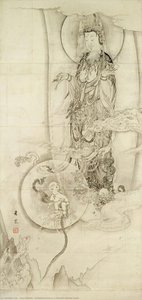
kanō enshin
1828 - 1888 , Japan
Osnovne informacije
- Artistic Movement Or Style: Kanō School
- Artists Or Movements Influenced By This Artist: ['Buddhist Art']
- Artists Who Influenced This Artist: ["Kanō Shōsen'in"]
- Date Of Birth: February 27, 1828
- Date Of Death: October 5, 1888
- Full Name: Kanō Hōgai
- Nationality: Japanese
- Notable Artworks:
- Avalokitesvara as a Merciful Mother
- Avalokitesvara/Draft Sketch
- Place Of Birth: Shimonoseki, Japan
Povezani članci
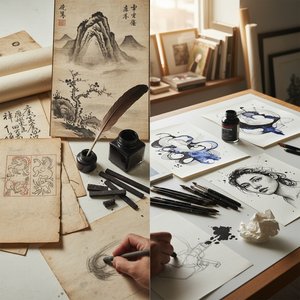
Ephemeral Expressions: Exploring the Nuances of Ink on Paper Through History & Contemporary Art
Explore the captivating world of ink wash painting – from its ancient origins to contemporary masters. Discover techniques, symbolism & conservation insights with ArtsDot.com.
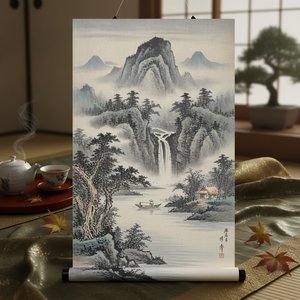
Serenity on Canvas: A Guide to the Timeless Beauty of Japanese Landscape Painting
Discover the serene beauty of Japanese landscape painting. From Hokusai's iconic woodblock prints to meditative sumi-e ink washes, explore a visual journey through the 'floating world' and learn how to bring this timeless Zen aesthetic into your modern home decor.

Katsushika Hokusai: 25 Remek-dela Japanskog Umetnika za Vaš Dom | ArtsDot
Uronite u svet Katsushike Hokusaija! Otkrijte 25 remek-dela japanskog umetnika, uključujući čuveni 'Veliki talas'. Ukiyo-e štampe, pejzaži i istorija iza svakog dela. Pronađite inspiraciju za dekor enterijera i kupite reprodukcije slika vrhunskog kvaliteta na ArtsDot.com.

Ephemeral Lines: Exploring Emotional Resonance in Ink Sketching Traditions
Explore the profound art of ink sketching! Discover techniques to express emotion, master line work, and cultivate artistic sensitivity. Learn from historical masters & unlock your creative potential.
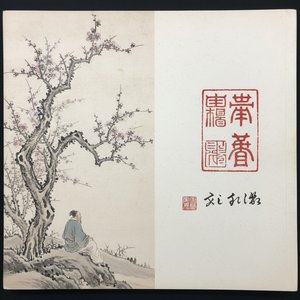
Xie Zhiliu: A Legacy of Ink Wash Painting & Modern Chinese Literati Tradition
Explore the legacy of Xie Zhiliu, a master of Chinese ink wash painting & prominent figure in modern art. Discover his techniques, influences, and contributions to literati tradition. A guide for discerning collectors.

